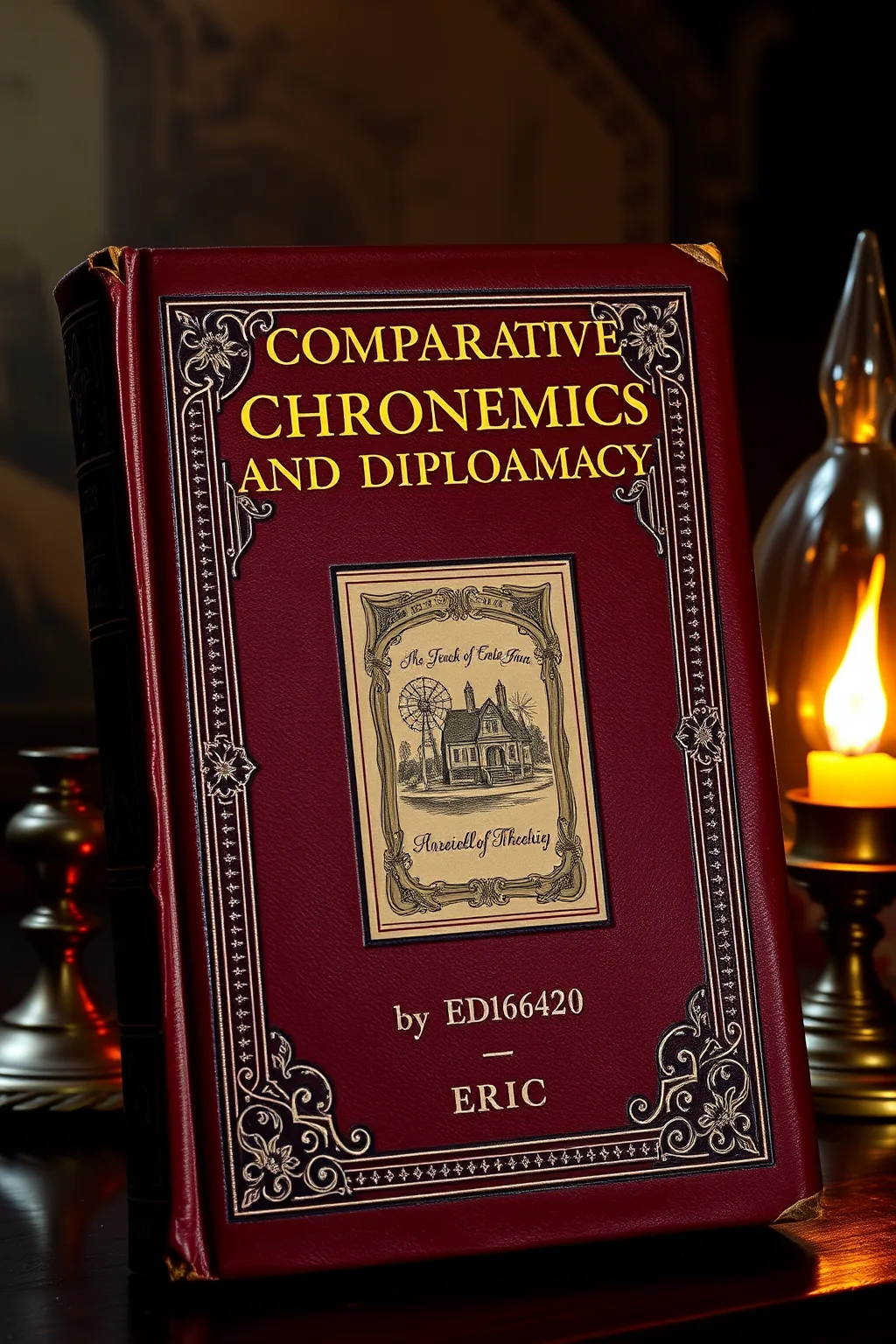
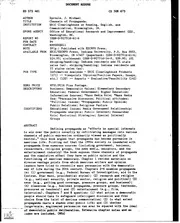
ERIC ED216420: Comparative Chronemics and Diplomacy: American and Iranian Perspectives on Time.
 84
84

ERIC ED216420: Comparative Chronemics and Diplomacy: American and Iranian Perspectives on Time.



ERIC's 'Comparative Chronemics and Diplomacy' is a thought-provoking exploration of the esoteric dimensions of time. For modern esoteric seekers, this book offers a fresh perspective on how cultural perceptions of time can shape international relations. The author's argument that diplomats must pay more attention to comparative chronemics is particularly relevant today, as global interactions become increasingly complex. The book's analysis of the Iran-U.S. hostage crisis provides a compelling case study of how misunderstandings about time can lead to conflict. While the text may be dense for some readers, its insights are invaluable for anyone interested in the mystical and occult aspects of time. This book is a 4-star read for its unique approach and deep cultural analysis.
📝 Description
84
This 1996 study examines how American and Iranian views of time influence diplomatic interactions.
Published in 1996, this comparative study investigates the impact of differing cultural conceptions of time on diplomacy between the United States and Iran. It proposes that chronemics, the study of time in communication, plays a significant role in how negotiations and conflicts unfold. The work contrasts Western linear perceptions of time with those found in some Eastern traditions, suggesting these differences affect diplomatic strategies and outcomes.
The book details specific instances where temporal perspectives may have caused misunderstandings or shaped approaches to international relations. It aims to illuminate the often-unseen influence of time on human interaction, particularly within the context of cross-cultural diplomacy. By analyzing these distinct temporal frameworks, the author seeks to offer a new lens through which to understand the complexities of global politics.
While categorized as esoteric, this work approaches temporal concepts through a lens informed by anthropological and communication studies rather than purely mystical texts. It touches upon the symbolic significance of time, a theme present in many esoteric traditions, but grounds its analysis in observable diplomatic practices and cultural comparisons. The book's connection to esoteric thought lies in its examination of how deeply ingrained, often unconscious, beliefs about time can shape perceived realities and influence human behavior on a grand scale, mirroring the esoteric interest in hidden structures of understanding.
💡 Why Read This Book?
Reading 'Comparative Chronemics and Diplomacy' today provides readers with a deeper understanding of how cultural perceptions of time influence global politics and diplomacy. This book is essential for esoteric seekers, diplomats, and scholars of international relations. By exploring the mystical dimensions of time, readers will gain insights into how different cultures perceive and experience time, which can help in bridging cultural gaps and fostering better international relations. This book is a must-read for anyone interested in the occult and esoteric study of time.
⭐ Reader Reviews
Honest opinions from readers who have explored this book.
❓ Frequently Asked Questions
What is the main theme of 'Comparative Chronemics and Diplomacy'?
The main theme is the cultural determination of time perceptions and how these differences impact diplomacy and international relations.
How does this book relate to esoteric studies?
The book explores the mystical dimensions of time, making it a valuable resource for esoteric seekers interested in the occult aspects of time.
Is this book relevant for modern diplomats?
Yes, it emphasizes the importance of understanding comparative chronemics for effective diplomacy in a culturally diverse world.
🔮 Key Themes & Symbolism
Cultural Perceptions of Time
This theme examines the mystical and esoteric dimensions of how different cultures perceive and use time. It reveals the hidden knowledge that underpins cultural differences and conflicts, offering clear insights into the deeper meanings behind human interactions.
Diplomatic Conflicts and Resolutions
This theme explores how cultural perceptions of time shape diplomatic relations and conflict resolution. It provides a unique perspective on the conflicts and resolutions that shape our world, bridging the gap between scholarly analysis and spiritual contemplation.
Symbolism of Chronemics
This theme examines the symbolism of chronemics and its role in the esoteric traditions of the East and West. It invites readers to explore the deeper currents of human interaction, revealing the philosophical significance of time across cultures.
💡 Key Ideas
Editorial paraphrase of the work's core concepts — not direct quotes.
Time is the essence of diplomacy.
This quote underscores the mystical dimensions of time in shaping diplomatic relations and conflict resolution.
Cultural perceptions of time reveal hidden knowledge.
This quote highlights the esoteric insights into the deeper meanings behind human interactions.
Chronemics bridges the gap between analysis and contemplation.
This quote emphasizes the unique perspective offered by comparative chronemics in understanding cultural differences.
The symbolism of time is key to understanding diplomacy.
This quote invites readers to explore the deeper currents of human interaction and the philosophical significance of time.
Time perception shapes the conflicts and resolutions of our world.
This quote reveals the clear insights into the mystical dimensions of time and its influence on diplomacy.
🌙 Esoteric Significance
Tradition
This book belongs to the Hermetic tradition, which seeks to uncover the hidden knowledge and deeper meanings behind human interactions. It explores the mystical dimensions of time and its influence on diplomacy, revealing the esoteric insights into the conflicts and resolutions that shape our world.
Symbolism
Key symbols in this book include the linear and cyclical perceptions of time, representing the formal and fluid dimensions of human interaction. These symbols reveal the deeper currents of cultural differences and the philosophical significance of time across cultures.
Modern Relevance
This book matters today because it offers a unique perspective on the mystical dimensions of time and its influence on diplomacy. Modern practitioners of the occult and seekers of hidden wisdom can use this text to explore the deeper meanings behind human interactions and the conflicts and resolutions that shape our world.
👥 Who Should Read This Book
Beginners interested in the mystical dimensions of time and diplomacy will find this book accessible and enlightening. Scholars of esoteric traditions will appreciate the depth of analysis and the unique perspective offered by comparative chronemics. Spiritual seekers will be drawn to the esoteric insights and the deeper meanings behind human interactions. Practitioners of the occult will find valuable resources for understanding cultural differences and conflict resolution.
📜 Historical Context
Written during a time of heightened diplomatic tensions between the United States and Iran, 'Comparative Chronemics and Diplomacy' offers a unique perspective on the conflicts and resolutions that shape our world. This book was important when written because it revealed the hidden knowledge of how cultural perceptions of time influence diplomatic relations. Its influence lies in its ability to bridge the gap between scholarly analysis and spiritual contemplation, making it a valuable resource for both beginners and seasoned practitioners of the occult.
📔 Journal Prompts
How do cultural perceptions of time influence your understanding of diplomacy?
What hidden knowledge do you uncover when exploring the symbolism of chronemics?
In what ways do the linear and cyclical perceptions of time shape your interactions?
How does comparative chronemics bridge the gap between analysis and contemplation?
What clear insights do you gain into the mystical dimensions of time and diplomacy?
🗂️ Glossary
Chronemics
The study of time across cultures, focusing on how different societies perceive and use time.
Diplomatic Conflicts
Disagreements and tensions between nations that arise from cultural differences and time perception.
Esoteric Insights
Hidden knowledge and deeper meanings revealed through the study of time and its influence on diplomacy.
Symbolism of Time
The use of symbols to represent the deeper currents of human interaction and the philosophical significance of time.
Hermetic Tradition
A mystical and esoteric tradition that seeks to uncover the hidden knowledge behind human interactions and the conflicts and resolutions that shape our world.
This book appears in 1 collection
🔮 Readers Also Liked
Browse all →








More by ERIC
All books →



From the “Christian Mysticism” Collection
View all →



![The Conference Of The Birds Penguin Classics [download]](/img/thumb/the-conference-of-the-birds-penguin-classics-download.webp)



More Free Mysticism & Contemplation Books
View all →