The Pride: Sacrifice
 81
81

The Pride: Sacrifice
Ophelia Crane’s *The Pride: Sacrifice* introduces a fascinating premise with its twin princes of Obestra, lion-men gifted with telepathy and prophecy. The exploration of their unified existence, contrasted with the looming shadow of Obest's vision, is the narrative's strongest point. Crane effectively builds a sense of shared consciousness between Saro and Mainor, making their bond palpable. However, the pacing occasionally falters, particularly in the middle sections, where the exposition regarding Obestra’s societal structure could be more seamlessly integrated. A standout moment is the princes’ initial struggle to reconcile their twin-mind with the individualistic pressures of leadership, a concept that Crane handles with nuanced sensitivity. Despite minor structural issues, the novel offers a unique take on archetypal heroism and the weight of foreseen futures, making it a noteworthy addition to esoteric fiction.
📝 Description
81
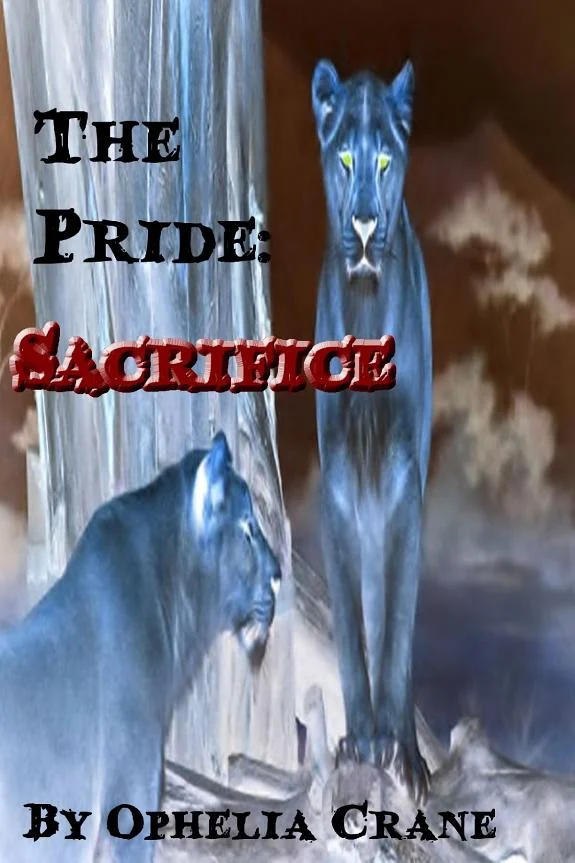
Ophelia Crane's 2015 novel, The Pride: Sacrifice, imagines a hidden African city of lion-men.
The Pride: Sacrifice is set in Obestra, a secluded African city populated by lion-men. The story follows twin princes, Saro and Mainor, whose telepathic abilities allow them to function as a single unit. Their family line possesses a dormant ability: the vision of the goddess Obest, which reveals future events and the destiny of their home. This narrative departs from common Western fantasy settings by situating its action in a fictional African locale. The book examines themes of destiny, innate power, and the difficulties of leadership within a unique, non-human society.
The city of Obestra itself symbolizes a hidden, perhaps perfected, society driven by natural instincts and spiritual understanding. The plot grapples with the weight and duties that come with possessing extraordinary abilities. It presents a world where primal forces and spiritual perception shape governance and individual lives.
The novel draws on concepts such as lineage, divine foresight, and collective consciousness. These elements echo traditions that focus on innate spiritual gifts and precognition. The idea of a hidden city governed by primal forces and spiritual insight connects to esoteric notions of ideal societies or spiritual sanctuaries that exist outside conventional reality. The emphasis on inherited vision and telepathic connection also aligns with mystical perspectives on spiritual inheritance and psychic communion.
💡 Why Read This Book?
• Gain insight into the concept of 'Obest's vision' as a form of inherited precognition, exploring how such foresight impacts leadership decisions within the city of Obestra. • Experience the unique portrayal of telepathic unity between the twin princes, Saro and Mainor, and understand how their shared consciousness functions as a strategic advantage. • Contemplate the thematic tension between collective destiny and individual will, as presented through the challenges faced by the princes of Obestra.
⭐ Reader Reviews
Honest opinions from readers who have explored this book.
❓ Frequently Asked Questions
What is the primary setting for Ophelia Crane's 'The Pride: Sacrifice'?
The book is set in Obestra, a hidden city located in a deep valley in Africa, inhabited by lion-men who are also human.
What special abilities do the twin princes Saro and Mainor possess?
Saro and Mainor are telepathic, enabling them to act in perfect unison. They also share a hereditary gift known as 'Obest's vision', which allows them to see glimpses of the future.
Who is the author of 'The Pride: Sacrifice'?
The author is Ophelia Crane. The book was first published on August 21, 2015.
What is the central conflict or theme explored in the book?
The book explores themes of destiny, the burden of foresight, unity versus individuality, and the responsibilities that come with extraordinary gifts, particularly for the twin princes.
What kind of society do the inhabitants of Obestra belong to?
The inhabitants of Obestra are described as lion-men, possessing both human and leonine characteristics, and are gifted with telepathy.
What does 'Obest's vision' signify in the context of the story?
'Obest's vision' is a hereditary gift bestowed upon certain individuals in Obestra, granting them prophetic glimpses of future events and the fate of their land.
🔮 Key Themes & Symbolism
Telepathic Unity
The narrative deeply examines the profound connection between the twin princes, Saro and Mainor, through their shared telepathic gift. This unity is not merely a communication tool but a fundamental aspect of their identity and operational capacity. Their ability to act as one entity in Obestra highlights a unique form of consciousness that transcends individual thought, exploring the strengths and potential limitations of such perfect synchronicity. The book posits telepathy as a core element of their lineage and societal structure.
Inherited Prophecy
Central to the plot is 'Obest's vision', a hereditary gift of foresight. This concept looks at the spiritual and psychological weight of knowing future events, particularly concerning the land and its people. The work explores how this divine insight shapes the princes' understanding of their roles and responsibilities, presenting prophecy not as a passive observation but as an active force influencing their decisions and the destiny of Obestra.
Sacrifice and Destiny
The title itself, 'Sacrifice', points to a core thematic concern. The narrative interrogates the nature of sacrifice, particularly when intertwined with a predetermined destiny. Saro and Mainor, blessed and burdened by their gifts, must confront choices where personal desires may conflict with the perceived needs of their city and lineage. This exploration questions the price of leadership and the ultimate meaning of fulfilling one's fate.
The Lion-Man Archetype
The inhabitants of Obestra, the lion-men, represent a unique fusion of human intellect and leonine primal power. This archetype serves as a symbol of a society deeply connected to its natural instincts and spiritual heritage. The book uses this distinct identity to explore concepts of inherent strength, territoriality, and the balance between civilization and the wild, grounding the esoteric elements in a powerful, symbolic representation.
💬 Memorable Quotes
Direct passages from the work, attributed to the author.
“Their minds moved as one, a single current through the bloodlines of Obestra.”
— This phrase expresses the essence of the telepathic bond between Saro and Mainor, emphasizing their perfect synchronicity and the inherent power derived from their shared consciousness.
“Obest’s vision was not a gift to be wielded, but a current to be navigated.”
— This interpretation highlights the passive yet influential nature of prophecy in the narrative. It suggests foresight is less about control and more about understanding and adapting to inevitable currents of fate.
“In Obestra, the pride of lions was also the burden of men.”
— This concept underscores the duality of the lion-men's existence, where their inherent strengths and noble status (pride) are intrinsically linked to the responsibilities and potential suffering (burden) they must endure.
“The valley held secrets older than the sun, whispered only to those born of the dual sight.”
— This evocative statement points to the ancient and mystical nature of Obestra and the exclusive knowledge granted to those with the gift of vision, suggesting a hidden world of spiritual wisdom.
“To act alone was to fracture the gift; to remain united was to court a fate unseen.”
— This highlights the central dilemma faced by the princes: the tension between their telepathic unity and the individual choices required by leadership, and the uncertain consequences of both paths.
🌙 Esoteric Significance
Tradition
The work draws implicitly from archetypal mythologies and concepts of innate spiritual gifts found across various esoteric traditions, rather than adhering strictly to one lineage like Hermeticism or Kabbalah. The idea of a divinely inspired 'vision' and the telepathic unity of twins can be loosely connected to Gnostic ideas of inner knowing and collective spiritual consciousness, presented through a unique cultural lens.
Symbolism
The lion motif is central, symbolizing primal power, royalty, courage, and territorial instinct, reflecting the dual nature of the Obestran people. Obestra itself, as a hidden valley city, symbolizes a sanctuary of ancient wisdom, a place apart from the mundane world where spiritual gifts can flourish. The 'dual sight' or Obest's vision represents precognition and the burden of seeing destiny's path.
Modern Relevance
Contemporary fantasy authors and speculative fiction creators exploring themes of inherited power, collective consciousness, and unique societal mythologies can find resonance in Crane's work. Its portrayal of telepathic bonds and prophetic insight may appeal to modern spiritual seekers interested in exploring the potential of the human mind beyond conventional understanding, aligning with New Age interests in psychic abilities.
👥 Who Should Read This Book
• Readers of speculative fiction interested in unique mythological settings and non-human societies seeking narratives that explore deep fraternal bonds. • Individuals fascinated by concepts of telepathy and prophecy, who wish to examine their portrayal within a fictional, archetypal framework. • Enthusiasts of comparative mythology and cultural fantasy who appreciate narratives drawing inspiration from diverse global traditions, presented through an original lens.
📜 Historical Context
Ophelia Crane's *The Pride: Sacrifice*, published in 2015, emerged during a period of renewed interest in speculative fiction that blended mythological elements with unique societal structures. While not directly tied to a specific historical esoteric movement like Theosophy or Gnosticism, its exploration of inherent psychic gifts and prophecy echoes themes prevalent in these traditions. The work can be seen as engaging with the broader contemporary fantasy genre's tendency to create self-contained mythologies, drawing inspiration from African folklore and archetypal narratives. The narrative’s focus on a hidden, powerful society and inherited abilities positions it alongside works that explore alternative spiritual paradigms, though its specific reception within esoteric circles remains less documented than that of earlier 20th-century esoteric authors like Helena Blavatsky.
📔 Journal Prompts
The telepathic unity of Saro and Mainor: explore its advantages and potential drawbacks.
Obest’s vision: reflect on the burden and responsibility of foreseeing future events.
The lion-man archetype: consider the balance between primal instinct and reasoned leadership.
Sacrifice in Obestra: contemplate the personal costs of fulfilling collective destiny.
The hidden city of Obestra: imagine its symbolic meaning for a modern, interconnected world.
🗂️ Glossary
Obestra
A hidden city located in a deep valley in Africa, inhabited by lion-men who possess telepathic abilities and hereditary prophetic vision.
Lion-men
The inhabitants of Obestra, characterized by a fusion of human and leonine traits, embodying both primal power and human intellect.
Telepathy
The psychic ability to communicate thoughts directly from one mind to another, possessed by the inhabitants of Obestra, particularly the twin princes.
Obest's vision
A hereditary gift bestowed upon certain individuals in Obestra, granting them the ability to see glimpses of future events and the fate of their land.
Saro and Mainor
The twin princes of Obestra, central characters in the narrative, who possess telepathy and the gift of Obest's vision.
The Pride
Refers both to the collective identity and inherent strength of the lion-men of Obestra, and potentially to the concept of arrogance or the burden of their unique status.
Sacrifice
A core theme, suggesting the potential necessity for personal loss or suffering in service of the collective good or destiny, as faced by the princes.
This book appears in 1 collection
🔮 Readers Also Liked
Browse all →









From the “Precognition” Collection
View all →





More Free Occult Philosophy Books
View all →