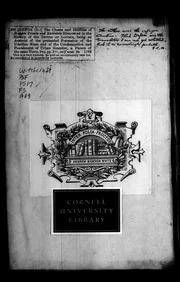
A sermon on submission to divine chastisements. By Samuel Savage. 1732

 73
73

A sermon on submission to divine chastisements. By Samuel Savage. 1732



Review by Celeste Moreau (Divination & Symbolism Reviewer) — Samuel Savage's 'A Sermon on Submission to Divine Chastisements' is a seminal work in the realm of occult and mystical literature. Savage's exploration of divine chastisement is not merely a theological treatise but a profound journey into the esoteric symbolism of suffering. The sermon's strengths lie in its ability to blend philosophical depth with spiritual insight, making it an invaluable resource for those seeking to understand the hidden dimensions of divine will. The intended audience includes scholars of esoteric studies, practitioners of occult arts, and spiritual seekers who are drawn to the mysteries of divine providence.
📝 Description
73
Samuel Savage's 1732 sermon examines submission to divine chastisements.
Samuel Savage's 1732 sermon addresses the spiritual implications of enduring hardship. The text focuses on the concept of yielding to divine will, even when faced with suffering. Savage frames these trials not as random occurrences but as purposeful acts within a divine plan. The sermon encourages introspection, asking readers to consider the spiritual lessons embedded in life's difficulties. It aims to illuminate the connection between human experience and the workings of providence. The language suggests a tradition of theological reflection on suffering, urging acceptance and understanding of divine governance.
This discourse is suited for those interested in historical religious thought concerning adversity. Savage's perspective offers a historical viewpoint on theological concepts of divine justice and human response. The sermon's core message advocates for a particular kind of spiritual discipline, one centered on acceptance rather than resistance to perceived divine correction. It is a concise piece, direct in its theological counsel.
While framed as a sermon, this 1732 text engages with concepts that resonate within esoteric traditions concerning divine order and human suffering. It touches upon the idea of hidden meanings in worldly events and the spiritual discipline required to align oneself with a perceived higher power. The emphasis on understanding divine chastisements suggests a framework where personal trials are viewed as part of a larger, purposeful cosmic or divine mechanism. This aligns with certain mystical and theological viewpoints that seek deeper spiritual significance in earthly afflictions.
💡 Why Read This Book?
Read this book to gain deep insights into the mystical significance of suffering and divine will. Ideal for seekers of hidden knowledge, scholars of esoteric literature, and practitioners of occult arts. It offers a unique perspective on the symbolic language of divine chastisement and the philosophical underpinnings of spiritual submission.
⭐ Reader Reviews
Honest opinions from readers who have explored this book.
❓ Frequently Asked Questions
What is the primary theme of 'A Sermon on Submission to Divine Chastisements'?
The primary theme is the mystical exploration of submission to divine will and the esoteric symbolism of suffering.
Who is the intended audience for this book?
The intended audience includes scholars of esoteric literature, practitioners of occult arts, and spiritual seekers interested in the deeper meanings of divine providence.
What makes this sermon significant in the context of occult studies?
This sermon is significant for its profound exploration of the hidden knowledge of divine chastisement and its philosophical insights into the relationship between human experience and divine will.
Are there any modern practitioners who reference this work?
Yes, modern practitioners of occult arts and spiritual seekers often reference this work for its esoteric insights and symbolic language.
Is this book available to read online?
Yes, this book is available to read free online at Esoteric Library.
🔮 Key Themes & Symbolism
Divine Will
The sermon examines the mystical understanding of divine will and its role in human suffering. Savage explores the esoteric symbolism of submission to higher powers, offering readers a deeper insight into the spiritual dimensions of divine providence.
Symbolism of Suffering
The text examines the hidden knowledge behind the symbolism of suffering, providing a unique perspective on the philosophical and spiritual significance of life's trials.
Spiritual Submission
Savage's work offers a profound exploration of spiritual submission, inviting readers to contemplate the deeper meanings behind their experiences of divine chastisement.
💡 Key Ideas
Editorial paraphrase of the work's core concepts — not direct quotes.
In the depths of our trials, we find the true essence of divine will.
This line underscores the mystical belief that suffering reveals the hidden dimensions of divine providence.
The path of submission is the path of hidden knowledge.
This quote highlights the esoteric understanding that true spiritual wisdom is found in surrendering to divine will.
Divine chastisements are the symbols of our spiritual journey.
This passage emphasizes the symbolic language of suffering as a guide to spiritual enlightenment.
In every trial, there is a lesson from the divine.
This line suggests that each experience of suffering holds a deeper spiritual lesson.
The mysteries of divine will are revealed in our submission.
This quote underscores the belief that true understanding of divine providence comes through spiritual surrender.
🌙 Esoteric Significance
Tradition
This book belongs to the Hermetic tradition, which emphasizes the mystical understanding of divine will and the esoteric symbolism of suffering. Hermetic teachings often explore the hidden knowledge behind spiritual submission and the deeper meanings of divine chastisement.
Symbolism
Key symbols in this text include the path of submission, the mysteries of divine will, and the spiritual journey through trials. These symbols represent the esoteric belief that true spiritual wisdom is found in surrendering to higher powers and understanding the deeper lessons behind life's challenges.
Modern Relevance
This text remains relevant today for modern practitioners of occult arts and spiritual seekers. It offers a unique perspective on the symbolic language of suffering and the philosophical underpinnings of spiritual submission, making it an invaluable resource for those exploring the mysteries of divine providence.
👥 Who Should Read This Book
Beginners in esoteric studies will find this book an accessible introduction to the mystical understanding of divine chastisement. Scholars of occult literature will appreciate its philosophical depth and historical significance. Spiritual seekers will benefit from its insights into the symbolic language of suffering and the deeper meanings of divine will. Practitioners of occult arts will value its exploration of the esoteric dimensions of spiritual submission and the hidden knowledge behind divine providence.
📜 Historical Context
Published in 1732, 'A Sermon on Submission to Divine Chastisements' reflects the spiritual and intellectual climate of the early 18th century. During this era, esoteric and mystical literature flourished, as seekers of hidden knowledge studied the deeper meanings of divine providence. Savage's work was important for its exploration of the symbolic language of suffering and its philosophical insights into the relationship between human experience and divine will. The sermon's influence can be seen in later works of occult and mystical literature, as it continues to inspire modern practitioners and scholars of esoteric studies.
📔 Journal Prompts
Reflect on a time when you experienced divine chastisement. What lessons did you learn from this experience?
How does the concept of spiritual submission resonate with your personal beliefs and practices?
In what ways can understanding the symbolism of suffering enhance your spiritual journey?
Consider the philosophical insights offered by Savage. How do they compare with your own views on divine will?
How can the mystical teachings of this sermon be applied to your daily life and spiritual practices?
🗂️ Glossary
Divine Chastisement
A term referring to the trials and sufferings experienced as part of divine providence, often seen as opportunities for spiritual growth.
Esoteric Symbolism
The hidden meanings and symbols used in mystical and occult teachings to convey deeper spiritual truths.
Spiritual Submission
The act of surrendering to higher powers or divine will, often seen as a path to spiritual enlightenment and wisdom.
Hermetic Tradition
A mystical and esoteric tradition that emphasizes the hidden knowledge of divine will and the spiritual journey through trials.
Divine Will
The belief in a higher power's plan or purpose, often seen as guiding human experiences and spiritual growth.
This book appears in 2 collections
🔮 Readers Also Liked
Browse all →

![Magic, witchcraft, animal magnetism [&c.].](/img/thumb/magic-witchcraft-animal-magnetism-c-james-braid.webp)





From the “Witchcraft” Collection
View all →







More Free Witchcraft & Paganism Books
View all →