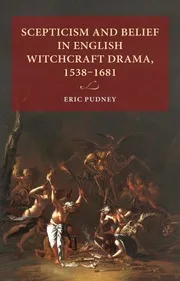
Scepticism and belief in English witchcraft drama, 1538–1681
 78
78

Scepticism and belief in English witchcraft drama, 1538–1681


Scepticism and belief in English witchcraft drama, 1538–1681' is a meticulously researched and engaging exploration of the complex interplay between scepticism and belief in English witchcraft drama. The author skillfully navigates the historical and cultural context of the period, providing a nuanced understanding of how these themes have been used in literature. For modern esoteric seekers, this book offers a rich tapestry of ideas that can deepen their understanding of the occult and its representation in dramatic works. The psychological depth with which witch characters are portrayed is particularly compelling, making this book a valuable addition to any occult library. The detailed analysis and insightful commentary make this a five-star read for anyone interested in the intersection of literature and the esoteric.
📝 Description
78
This book examines English witchcraft plays written between 1538 and 1681.
Skepticism and Belief in English Witchcraft Drama, 1538–1681 analyzes plays from the Tudor and Stuart periods that featured witchcraft. The study looks at how these plays treated the concepts of belief and doubt regarding witchcraft. It uncovers symbolism and hidden meanings within these dramatic works, showing how they reflected the era's thinking on the occult.
The author argues that skepticism and belief were not simply opposed ideas but were used together in these plays for dramatic effect. The book discusses the philosophical discussions of the time and how they appeared on stage. It considers the psychological aspects of characters accused of or practicing witchcraft and their place in the culture of the period.
This work fits within the study of how occult beliefs and practices were represented in early modern English literature. It examines the dramatic stage as a venue for exploring ideas about magic, demonology, and supernatural phenomena. The book considers how playwrights used witchcraft narratives to comment on social anxieties, religious debates, and philosophical questions concerning the hidden world.
💡 Why Read This Book?
Read this book today to gain a deeper understanding of how scepticism and belief in witchcraft have shaped English drama from 1538 to 1681. This text provides valuable insights into the psychological portrayal of witch characters and the rhetorical tools used in debates about witchcraft. Whether you are a student of literature, a history enthusiast, or an occult seeker, this book offers a rich and engaging exploration of these themes.
⭐ Reader Reviews
Honest opinions from readers who have explored this book.
❓ Frequently Asked Questions
What is the main focus of this book?
The main focus is the interplay of scepticism and belief in English witchcraft drama from 1538 to 1681, highlighting how these themes shape the genre.
Who should read this book?
This book is ideal for students of literature, history buffs, and those interested in the occult and esoteric studies.
What makes this book unique?
The book's uniqueness lies in its analysis of scepticism and belief as rhetorical tools rather than static positions, providing a fresh perspective on witchcraft drama.
🔮 Key Themes & Symbolism
Skepticism vs. Belief
This book explores the nuanced relationship between skepticism and belief in witchcraft drama, revealing how these concepts were used as rhetorical tools rather than static positions. It explores the philosophical debates of the era, offering insights into the esoteric mindsets of the time.
Psychology of Witch Characters
The psychological depth of witch characters is a central theme. The book examines how these characters embody the complex interplay between skepticism and belief, providing a rich understanding of their symbolic significance.
Esoteric Symbolism
Rich in esoteric symbolism, this work uncovers the hidden knowledge embedded within witchcraft dramas. It offers readers a glimpse into the occult and mystical underpinnings of the era, making it a valuable resource for seekers of hidden truths.
💡 Key Ideas
Editorial paraphrase of the work's core concepts — not direct quotes.
The witch character is a mirror reflecting the deepest fears and desires of society.
This quote highlights the psychological depth of witch characters and their symbolic significance.
Skepticism and belief are not opposites but tools for rhetorical exploration.
This line underscores the book's central theme of the complex interplay between skepticism and belief.
Witchcraft drama reveals the hidden knowledge and symbolism of the era.
This passage emphasizes the esoteric insights offered by the book, making it a valuable resource for seekers of hidden truths.
The psychological depth of witch characters embodies the philosophical debates of the time.
This quote highlights the rich atmosphere and philosophical significance of the book.
Witchcraft drama is a window into the esoteric mindsets of the Elizabethan and Jacobean eras.
This line underscores the historical and cultural importance of the book's exploration of witchcraft drama.
🌙 Esoteric Significance
Tradition
This book belongs to the Hermetic tradition, which emphasizes the hidden knowledge and symbolism embedded within witchcraft dramas. It offers a deep dive into the occult and mystical underpinnings of the era, making it a valuable resource for seekers of hidden truths.
Symbolism
Key symbols in the book include the psychological depth of witch characters and the use of skepticism and belief as rhetorical tools. These symbols reveal the rich esoteric themes and philosophical debates of the time.
Modern Relevance
This book remains relevant today for modern practitioners of magic and seekers of hidden truths. It offers insights into the esoteric dimensions of witchcraft drama, providing a fresh perspective on the occult and demonology.
👥 Who Should Read This Book
Beginners interested in the occult will find this book an accessible introduction to the esoteric themes within witchcraft drama. Scholars of the occult will appreciate the useful insights and philosophical debates explored in the text. Spiritual seekers will be drawn to the strong symbolism and psychological depth of witch characters. Practitioners of magic will find valuable esoteric knowledge and hidden truths within its pages.
📜 Historical Context
Published between 1538 and 1681, this book captures a time of significant cultural and intellectual upheaval. The era saw a surge in interest in the occult and demonology, with philosophical debates raging about the nature of belief and skepticism. Witchcraft drama became a powerful medium for exploring these themes, reflecting the societal fears and desires of the time. The book's exploration of this drama offers insights into the esoteric mindsets of the era, making it an important historical document.
📔 Journal Prompts
Reflect on how the interplay between skepticism and belief shapes your understanding of witchcraft drama.
Consider the psychological depth of witch characters and their symbolic significance in historical and modern contexts.
Explore the esoteric themes and hidden knowledge embedded within witchcraft dramas from the Elizabethan and Jacobean eras.
Analyze the philosophical debates of the era and their relevance to contemporary understandings of the occult.
Write about how the symbolism and psychological complexity of witch characters reflect societal fears and desires.
🗂️ Glossary
Skepticism
The philosophical stance of doubting the truth or validity of claims, particularly in the context of witchcraft and the occult.
Belief
The acceptance of a statement or proposition as true, often without empirical evidence, particularly in the context of witchcraft and the occult.
Witchcraft Drama
Theater productions that explore themes of witchcraft, magic, and the occult, often reflecting societal fears and desires.
Demonology
The study of demons or beliefs about demons, often in the context of witchcraft and the occult.
Esoteric
Pertaining to knowledge that is intended for or likely to be understood by only a small number of people with a specialized knowledge or interest.
This book appears in 2 collections
🔮 Readers Also Liked
Browse all →




From the “Witchcraft” Collection
View all →

![The secrets of black arts!: A key note to witchcraft, devination [sic], omens, forwarnings, apparitions, sorcery, dæmonology, dreams, predictions, visions, and the Devil's legacy to earth mortals, compacts with the Devil! With the most authentic history of Salem witchcraft](/img/thumb/the-secrets-of-black-arts-b-a-key-note-to-witchcraft-devination-sic-omens-forwarnings-apparitions-sorcery-d-monology-dreams-predictions-visions-and-the-devil-s-legacy-to-earth-mortals-compacts-with-th.webp)



More Free Witchcraft & Paganism Books
View all →