Wicca
 77
77

Wicca
D.J. Conway's "Wicca: The Complete Craft" offers a refreshingly straightforward approach to a faith often shrouded in mystery and misinformation. Conway, a prolific author in Pagan circles, presents Wicca not as a shadowy occult pursuit, but as a viable spiritual lifestyle. The book excels in its methodical breakdown of core practices, from establishing sacred space to the nuances of spell casting. A notable strength is its clear differentiation between Wiccan philosophy and sensationalized portrayals, providing a grounded perspective for newcomers. However, for those already steeped in Wiccan lore, some sections might feel introductory, lacking deeper theoretical exploration. The chapter on ritual tools, for instance, is practical but brief. Despite this, the work's comprehensive nature and accessible language make it a valuable primer. Conway’s work is a solid resource for understanding the fundamental structure of the Craft.
📝 Description
77
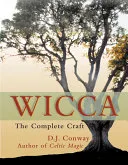
D.J. Conway's 2011 book, Wicca: The Complete Craft, clarifies the Wiccan faith.
Published in 2011, D.J. Conway's Wicca: The Complete Craft works to explain the Wiccan faith. The author's goal is to present Wicca as a spiritual path, moving away from sensationalized portrayals. The book details the main ideas, philosophies, and practical aspects of Wiccan beliefs and rituals.
This guide is best for people new to Wicca or those interested in modern Paganism. It offers clear explanations and instructions that can help someone start their own practice. Even those already familiar with Wicca might find its detailed approach and historical context useful.
The book covers core Wiccan elements systematically. It teaches how to create sacred space, the use of ritual tools, and how to observe Wiccan holidays like solstices and equinoxes. Meditation, visualization techniques, spell casting basics, and a glossary of terms are also included to help readers understand the subject.
Wicca: The Complete Craft emerged in 2011, a time of increasing interest in alternative spiritualities. It built upon the groundwork laid by early 20th-century figures in modern Wicca. Conway's work aimed to counter persistent misrepresentations of witchcraft that dated back to earlier societal anxieties. The book contributes to a tradition of clarifying Wiccan practices for a wider audience.
💡 Why Read This Book?
• Learn the foundational principles of Wicca, including the creation of sacred space and the use of ritual tools, as detailed in the book's early chapters, providing a practical entry point into this spiritual path. • Understand the significance of Wiccan holy days, such as the Sabbats and Esbats, enabling you to connect with the cyclical nature of the year as presented in the text. • Gain clarity on the art of spell casting and its ethical considerations, as explained within the book, offering a responsible framework for harnessing energetic practices.
⭐ Reader Reviews
Honest opinions from readers who have explored this book.
❓ Frequently Asked Questions
What is the primary purpose of D.J. Conway's book 'Wicca: The Complete Craft'?
The book's primary purpose is to serve as a comprehensive guide to Wicca, demystifying the religion, dispelling common misconceptions, and offering a practical primer for those interested in practicing it as a spiritual lifestyle.
When was 'Wicca: The Complete Craft' first published?
The book 'Wicca: The Complete Craft' by D.J. Conway was first published on April 6, 2011.
What core Wiccan topics are covered in the book?
The book covers essential topics such as sacred space, ritual tools, holy days (Sabbats and Esbats), meditation and visualization techniques, the art of spell casting, and Wiccan terminology.
Is this book suitable for absolute beginners in Wicca?
Yes, the book is designed as a useful primer and comprehensive overview, making it highly suitable for beginners seeking to understand and practice Wicca.
What is D.J. Conway's background related to this subject?
D.J. Conway is described as a best-selling Pagan author, indicating a significant background and experience in writing about Wicca and related spiritual paths.
Does the book address misconceptions about Wicca?
Yes, a key aspect of the book is to dispel common misconceptions surrounding Wicca, presenting a more accurate and spiritual view of the ancient religion.
🔮 Key Themes & Symbolism
Foundations of Wiccan Practice
This theme centers on the practical and philosophical underpinnings of Wicca as presented by Conway. It details the creation of sacred space, emphasizing its importance for ritual work, and outlines the necessity and function of various ritual tools. The text guides readers through understanding the cyclical nature of the year as observed through Wiccan holy days, including the eight Sabbats and monthly Esbats, fostering a connection with natural rhythms and celestial events.
Spiritual Development and Practice
This theme explores the internal aspects of Wiccan practice, focusing on personal growth and spiritual cultivation. Conway introduces techniques for meditation and visualization, crucial for focusing intent and connecting with the divine or inner self. The book also addresses the art of spell casting, explaining the process and presenting it as a disciplined application of focused energy and will, often for positive manifestation or healing.
Explaining Wicca
A core objective of the book is to present an accurate portrayal of Wicca, distinguishing it from sensationalized or fearful interpretations. Conway works to clarify the religion's philosophy, positioning it as a spiritual lifestyle rooted in nature worship and reverence for the divine. By explaining terminology and fundamental concepts, the book aims to make Wicca accessible and understandable to a wider audience, combating misinformation.
The Wiccan Calendar and Cycles
This theme highlights the importance of natural cycles and celestial events within Wiccan observance. The book details the significance of the Sabbats, celebrating the turning of the seasons, and the Esbats, aligning with lunar phases. Understanding these cycles is presented as fundamental to living in harmony with nature and connecting with the divine forces that govern the universe, providing a structure for consistent spiritual practice throughout the year.
💬 Memorable Quotes
Direct passages from the work, attributed to the author.
“WICCA: THE COMPLETE CRAFT offers a comprehensive overview of Wiccan philosophy.”
— This statement from the original blurb highlights the book's intention to provide a thorough and detailed exploration of Wiccan beliefs and principles, serving as a foundational text for understanding the religion.
“dispels the common misconceptions”
— This phrase underscores the book's role in correcting inaccurate portrayals of Wicca, aiming to present the faith in its true spiritual and philosophical light, free from sensationalism or fear-based narratives.
“a useful primer for practicing Wicca as a spiritual lifestyle.”
— This indicates the book's practical utility for individuals seeking to integrate Wiccan principles into their daily lives, offering guidance on how to approach the practice as a path of personal and spiritual development.
“Included are chapters on sacred space, ritual tools, holy days, meditations and visualizations, spells and the art of spell casting, as well as terminology.”
— This outlines the specific, practical content covered within the book, detailing the essential components a reader can expect to learn about to begin or deepen their understanding of Wiccan practice.
“best-selling Pagan author, D. J. Conway.”
— This descriptor establishes Conway's credibility and established presence within the Pagan author community, suggesting a wealth of knowledge and experience informing her work on Wicca.
🌙 Esoteric Significance
Tradition
Conway's work aligns with the broad spectrum of modern Wicca, which draws loosely from various esoteric traditions but primarily focuses on nature worship and immanent divinity. While not strictly Hermetic or Kabbalistic, it shares a lineage with Western Esotericism through its ritualistic structure and symbolic language. It departs from more dogmatic or rigidly structured traditions by emphasizing personal interpretation and a nature-centric spirituality, reflecting a more decentralized and individualistic approach to the Craft.
Symbolism
The book likely explores symbols central to Wicca, such as the pentacle, representing the five elements (Earth, Air, Fire, Water, and Spirit) and protection, and the God and Goddess, embodying dualistic divine principles found in nature. Lunar symbolism, tied to the Esbats and the Goddess's cycles, is also fundamental. These symbols are not merely decorative but serve as focal points for ritual, meditation, and understanding the interconnectedness of the cosmos.
Modern Relevance
Conway's accessible approach continues to be relevant for contemporary spiritual seekers exploring Wicca and Neo-Paganism. Her work provides a foundational understanding that speaks to modern practitioners seeking a connection to nature and a spiritual path outside of mainstream religions. It serves as a stepping stone for those interested in comparative spirituality or seeking structured yet personal religious expression in the 21st century.
👥 Who Should Read This Book
• Aspiring practitioners of Wicca: Individuals new to the Craft who seek a clear, comprehensive, and practical guide to understanding its core beliefs, rituals, and ethical framework. • Students of comparative religion: Those interested in exploring modern Pagan traditions and understanding the structure and philosophy of Wicca as a distinct spiritual path. • Individuals seeking nature-based spirituality: People looking for a spiritual practice that emphasizes a connection with the natural world, the cycles of the seasons, and immanent divinity.
📜 Historical Context
D.J. Conway's "Wicca: The Complete Craft," published in 2011, entered a landscape significantly shaped by mid-20th century figures like Gerald Gardner and Doreen Valiente, who are credited with codifying modern Wicca. The book's release occurred during a period of increased visibility for Neo-Paganism, moving it further from the fringe and into more mainstream spiritual discussions. It arrived decades after the initial waves of moral panic and media sensationalism that often misrepresented witchcraft. Conway's work aimed to provide a clear, accessible explanation of Wiccan philosophy and practice, distinguishing it from popular, often negative, stereotypes. While authors like Starhawk had already explored feminist interpretations and activist applications of Wicca in the late 20th century, Conway's focus was on providing a comprehensive, foundational guide for aspiring practitioners, emphasizing a spiritual lifestyle approach.
📔 Journal Prompts
Reflection on the concept of sacred space and its personal significance.
Exploring the symbolism and function of a chosen ritual tool.
Consideration of the Wiccan holy days and their connection to personal life cycles.
Developing a personal meditation or visualization practice based on the book's guidance.
Examining the principles of spell casting and ethical energy manipulation.
🗂️ Glossary
Wicca
A modern Pagan religion that emphasizes reverence for nature, the divine duality of the God and Goddess, and the practice of magic and ritual, often following seasonal cycles.
Sabbats
The eight major Wiccan holy days that celebrate the changing seasons and the solar cycle, including Samhain, Yule, Imbolc, Ostara, Beltane, Litha, Lughnasadh, and Mabon.
Esbats
Rituals or celebrations in Wicca that are performed in honor of the Moon, typically occurring monthly around the full moon, aligning with lunar cycles.
Sacred Space
A designated area, consecrated through ritual, where Wiccans perform magical workings and worship, believed to be a place where the veil between worlds is thin.
Ritual Tools
Objects used in Wiccan ceremonies to focus energy and aid in ritual work, such as athames (ritual knives), wands, chalices, and pentacles.
Spell Casting
The practice of directing energy, often through ritual, visualization, and spoken intent, to achieve a specific outcome or manifestation.
Pentacle
A symbol, typically a five-pointed star within a circle, representing the five elements (Earth, Air, Fire, Water, Spirit) and used for protection and invocation in Wicca.