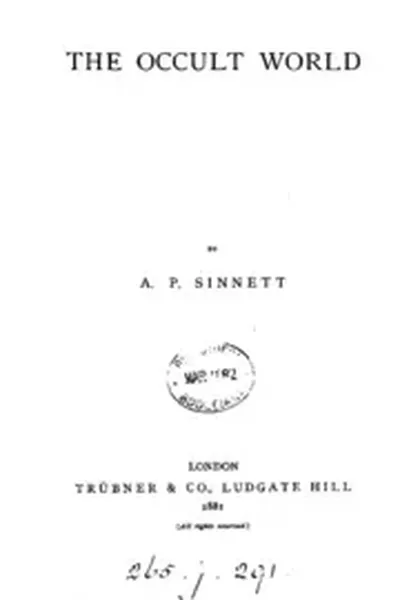
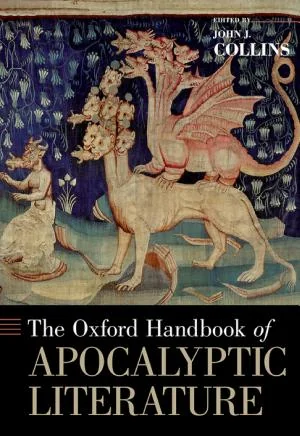
The Oxford Handbook of Apocalyptic Literature
 73
73

The Oxford Handbook of Apocalyptic Literature
John Joseph Collins’s *The Oxford Handbook of Apocalyptic Literature* offers a meticulously curated survey of a genre that has profoundly shaped Western religious and cultural discourse. The strength of this volume lies in its scholarly breadth, presenting diverse critical perspectives on texts ranging from Daniel to the New Testament apocalypses. One particularly illuminating section examines the development of angelic hierarchies, tracing their evolution from early Jewish texts to later Christian interpretations. However, the handbook’s academic rigor, while laudable, can sometimes render its insights less accessible to the general reader. The dense prose and specialized terminology in some essays require significant engagement. A notable contribution is the exploration of how apocalypticism provided a framework for understanding suffering and injustice in antiquity, a theme that Collins argues remains potent. Ultimately, this is an indispensable reference work for serious students of the subject, offering a robust intellectual foundation for understanding a persistent mode of human thought.
📝 Description
73
Published in 2014, this handbook compiles essays on apocalyptic literature from ancient Judaism to early Christianity.
The Oxford Handbook of Apocalyptic Literature is not a single story but a collection of academic articles. It examines the genre of apocalyptic writing, looking at its origins, how it grew, and its lasting impact. The essays trace this type of thought from its beginnings in ancient Judaism, through its influence on early Christianity, and beyond. The book aims to give readers a broad understanding of apocalypticism as a complicated subject.
This book is for academics, students, and anyone seriously interested in religious studies, ancient history, biblical studies, or comparative literature. It is especially useful for those who want a detailed, research-backed look at texts that have shaped religious beliefs and culture for centuries. People curious about the historical roots of religious movements and humanity's ongoing interest in end times will find a lot here. Apocalyptic literature started in the last few centuries BCE within ancient Judaism, a time of major political and religious change. This literary and theological tradition was important in the early development of Christianity. The collection notes a renewed interest in apocalyptic ideas, especially after events like the 2001 terrorist attacks, showing how this genre continues to help us understand current worldviews and societal worries.
While apocalyptic literature has roots in mainstream religious traditions, its focus on hidden knowledge, divine intervention, and cosmic struggle places it within a broader esoteric interest in hidden truths and future revelations. The genre’s engagement with visions, angelic messengers, and the unveiling of divine plans aligns with traditions that seek to understand the hidden order of the universe and humanity's place within it. This handbook's examination of such texts contributes to understanding how these ideas have circulated and been interpreted across different historical and cultural contexts, often touching upon themes found in Gnostic and other mystical traditions.
💡 Why Read This Book?
• Understand the specific historical milieu of ancient Judaism in the last centuries BCE that gave rise to apocalyptic visions, moving beyond generalized notions of prophecy. • Grasp the complex role of angelic mediation as a concept, as explored in essays detailing its function in transmitting divine messages within these texts. • Analyze the enduring presence of apocalyptic thinking, recognizing its roots and manifestations, particularly as discussed in relation to post-2001 global events and their interpretative frameworks.
⭐ Reader Reviews
Honest opinions from readers who have explored this book.
❓ Frequently Asked Questions
When did apocalyptic literature first emerge and what were the primary historical conditions?
Apocalyptic literature primarily emerged in ancient Judaism during the last centuries BCE. This period was characterized by significant political instability and foreign domination, particularly under Hellenistic and later Roman rule, which likely fueled visions of divine intervention and cosmic judgment.
What is the connection between ancient apocalyptic literature and the rise of Christianity?
Apocalyptic literature played a crucial role in the rise of Christianity by providing a theological framework for understanding Jesus' mission, death, and anticipated return. Early Christian texts adopted and adapted many apocalyptic motifs and concepts prevalent in Jewish literature of the time.
Does the handbook cover non-Jewish apocalyptic traditions?
While the primary focus is on the Jewish and Christian traditions where apocalypticism is most pronounced, the handbook may explore comparative elements or influences from other ancient Near Eastern religious thought where relevant to its development.
Who is John Joseph Collins and what is his expertise in this field?
John Joseph Collins is a distinguished scholar of ancient religion and biblical studies, recognized for his extensive work on apocalyptic literature. His expertise lies in tracing the historical development and theological significance of these texts across different ancient traditions.
How does the book address the contemporary relevance of apocalyptic beliefs?
The book addresses contemporary relevance by noting the increased awareness of apocalyptic beliefs, especially after events like the 2001 terrorist attacks. It argues that understanding the ancient roots of apocalypticism is necessary to comprehend its prevalence in the modern world.
Is this book a collection of primary apocalyptic texts or a scholarly analysis of them?
This book is a scholarly handbook, meaning it contains analyses and interpretations of apocalyptic literature by various experts. It is not a compilation of the primary texts themselves but rather a guide to understanding them.
🔮 Key Themes & Symbolism
Eschatological Frameworks
The handbook meticulously examines how ancient apocalyptic texts constructed elaborate visions of end times, divine judgment, and cosmic renewal. It explores the theological and historical forces that shaped these eschatological narratives, presenting them not as mere predictions but as sophisticated responses to periods of crisis and transition in ancient Judaism and early Christianity. The work highlights the systematic nature of these visions, often involving intricate timelines and divine interventions.
Angelic and Demonic Hierarchies
A significant focus is placed on the development and function of celestial beings, including angels and opposing demonic forces, within apocalyptic literature. The book traces how these figures evolved from earlier traditions, serving as mediators of divine revelation, agents of cosmic struggle, and symbols of the ordered or disordered spiritual realms. Understanding these hierarchies is presented as key to deciphering the complex divine economy portrayed in these texts.
The Nature of Revelation
The compilation explores the distinct mode of divine revelation characteristic of apocalyptic genres. This often involves visionary experiences, dreams, or ecstatic journeys mediated by angelic guides, through which hidden knowledge about the cosmos, history, and future is unveiled. The work analyzes the structure and content of these revelations, emphasizing their role in providing solace, challenging existing powers, and offering a blueprint for ultimate salvation.
Apocalypticism and Social Commentary
This handbook illuminates how apocalyptic literature served as a potent form of social and political commentary, particularly during times of oppression or existential threat. By framing current events within a cosmic drama of good versus evil and promising divine retribution and vindication, these texts offered a critical perspective on earthly powers and a source of hope for the marginalized. The work connects these ancient expressions to enduring patterns of social critique.
💬 Memorable Quotes
Direct passages from the work, attributed to the author.
“Apocalypticism arose in ancient Judaism in the last centuries BCE and played a central role in the rise of Christianity.”
— This foundational statement highlights the genre's specific historical genesis and its direct, undeniable impact on the development of one of the world's major religions, setting the stage for the book's comprehensive exploration.
“There has been a growing awareness, especially since the 2001 terrorist attacks on the United States, of the prevalence of apocalyptic beliefs in the contemporary world.”
— This observation underscores the enduring relevance of apocalyptic thought, suggesting that the genre's themes of crisis, judgment, and ultimate resolution continue to resonate with contemporary anxieties and societal events.
“To understand these beliefs, it is necessary to appreciate their complex roots in the ancient world.”
— This assertion emphasizes the book's core thesis: modern manifestations of apocalyptic thinking cannot be fully grasped without a thorough examination of their historical and intellectual origins in ancient Jewish and early Christian literature.
“The multi-faceted character of the phenomenon of apocalypticism.”
— This phrase suggests that apocalypticism is not a monolithic concept but a diverse and complex set of ideas, beliefs, and literary expressions that require nuanced analysis across various historical and cultural contexts.
“Apocalypticism is not only of historical interest.”
— This statement directly challenges a purely antiquarian view, positioning the study of apocalyptic literature as vital for comprehending ongoing human thought patterns and their expression in contemporary society.
🌙 Esoteric Significance
Tradition
While not strictly within a single esoteric lineage like Hermeticism or Kabbalah, this handbook is foundational for understanding the roots of many Western esoteric traditions that draw heavily on Jewish mysticism and early Christian apocalyptic visions. It provides the scholarly context for concepts like divine intermediaries, cosmic battles, and prophetic revelation that are frequently reinterpreted in esoteric circles.
Symbolism
Key symbols explored include the 'Tree of Life' (often implied in visions of cosmic order and renewal), the figure of the 'Elect' or 'Chosen' who receive divine knowledge, and the cyclical or linear progression of historical ages culminating in a final judgment. These motifs function not just narratively but as symbolic representations of spiritual ascent, divine justice, and the ultimate triumph of order over chaos.
Modern Relevance
Contemporary esoteric thinkers, particularly those involved in Gnostic revival, ceremonial magic, and certain branches of apocalyptic theology, frequently engage with the source material analyzed in this handbook. The symbolic language and visionary frameworks of ancient apocalyptic texts are often adapted to contemporary esoteric practices, providing conceptual tools for understanding spiritual transformation and societal change.
👥 Who Should Read This Book
• Academic researchers in religious studies, ancient history, and comparative literature seeking rigorous, scholarly analysis of apocalyptic texts and their historical development. • Students of biblical studies and early Christianity requiring a comprehensive overview of the genre that influenced foundational theological concepts. • Esoteric practitioners and scholars interested in the historical origins of concepts like divine revelation, angelic mediation, and eschatological timelines that inform later mystical traditions.
📜 Historical Context
The origins of apocalyptic literature are firmly situated in the final centuries BCE within ancient Judaism, a period of intense political turmoil and cultural exchange under Hellenistic and Roman influence. This milieu fostered a literary and theological tradition that offered frameworks for understanding divine will amidst earthly chaos. The emergence of Christianity in the 1st century CE saw this tradition profoundly shape its foundational narratives and eschatological expectations. The handbook's publication in 2014 occurs within a scholarly landscape deeply informed by figures like Frank Moore Cross and James Barr, who had previously illuminated the historical and linguistic dimensions of biblical studies. The work addresses a resurgence of interest in apocalyptic thought, particularly amplified by global events such as the 2001 attacks on the United States, positioning the ancient texts as crucial for interpreting contemporary anxieties and belief systems.
📔 Journal Prompts
The function of angelic mediation in transmitting divine revelation.
Visions of cosmic judgment and their role in ancient societies.
The specific historical pressures that fueled the emergence of apocalyptic thought.
Dualistic struggles between cosmic forces as depicted in texts.
The enduring appeal of eschatological narratives across centuries.
🗂️ Glossary
Apocalypticism
A religious worldview that posits a dramatic, end-of-the-world scenario involving divine intervention, cosmic conflict, and ultimate judgment or salvation.
Eschatology
The theological study of end times, or ultimate destiny of humanity and the world, often involving concepts of final judgment, resurrection, and the establishment of a new cosmic order.
Pseudepigraphy
The practice of attributing authorship of a text to a revered historical or biblical figure who did not actually write it, often done to lend authority to the work.
Dualism
A philosophical or religious concept that posits two fundamental, often opposing, principles or powers, such as good and evil, spirit and matter, or light and darkness.
Revelation
In an apocalyptic context, the disclosure of hidden divine knowledge, often through visions, dreams, or angelic intermediaries, concerning cosmic secrets, historical events, or future destinies.
Messianism
Belief in a messiah or redeemer figure, often divinely appointed, who will bring about a period of peace, justice, and salvation, a concept central to many apocalyptic expectations.
Canonization
The process by which religious texts are officially recognized as authoritative scripture within a particular tradition, a process that shaped which apocalyptic works were preserved.
This book appears in 1 collection
🔮 Readers Also Liked
Browse all →








From the “Apocalyptic Literature” Collection
View all →






More Free Occult Philosophy Books
View all →