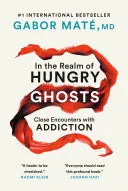
In the Realm of Hungry Ghosts
 76
76

In the Realm of Hungry Ghosts
Gabor Maté’s *In the Realm of Hungry Ghosts* is a searing indictment of how society misunderstands addiction. Maté eschews the moralistic framing of addiction for a compassionate, trauma-informed lens, presenting compelling case studies that illustrate the deep roots of compulsive behavior. His decades of work with patients, particularly those struggling with catastrophic drug addiction, lend an undeniable authority to his arguments. The book’s strength lies in its humanistic approach, revealing the "hungry ghost" not as a villain but as a symptom of profound unmet needs. A notable passage detailing the neurological impact of early adversity on reward pathways provides a concrete, scientific basis for his theories. While Maté’s unwavering focus on compassion is laudable, at times, the sheer weight of suffering presented can feel overwhelming, occasionally overshadowing the practical steps toward recovery for some readers. Despite this, the work stands as an essential corrective to prevailing attitudes on addiction. It offers a path toward understanding that could redefine our collective response to this pervasive human struggle.
📝 Description
76
Gabor Maté's 2008 book examines addiction as a response to unmet needs, not a moral failing.
First published in 2008, *In the Realm of Hungry Ghosts* by Gabor Maté, MD, investigates addiction not as a character flaw, but as a complex human reaction to early life trauma and unfulfilled needs. Maté draws on his extensive clinical experience with individuals who have severe addictions and mental health issues. He offers a clear look at the biological, psychological, and social elements that lead to compulsive behaviors. The book goes past simple diagnoses to look at the pain that makes people seek relief in substances or addictive habits.
Maté's approach emphasizes compassion and understanding for those struggling with addiction. He argues that addiction is a coping mechanism, a way for the mind and body to deal with underlying distress. This perspective aims to shift the conversation from blame to healing and recovery, acknowledging the deep human need for connection and fulfillment. The book is for anyone seeking a deeper understanding of the roots of addiction, whether for themselves or for others.
While *In the Realm of Hungry Ghosts* is primarily a medical and psychological text, its title and central metaphor draw from Buddhist cosmology. The "hungry ghost" (preta) represents a state of insatiable craving and dissatisfaction, a concept that resonates with the compulsive nature of addiction. Maté uses this ancient metaphor to illuminate the deep-seated human longing and emptiness that can drive individuals to seek solace in external substances or behaviors. This framing connects the book's clinical observations to perennial inquiries about suffering, desire, and the search for transcendence.
💡 Why Read This Book?
• Gain a profound understanding of addiction as a response to trauma, not a moral failing, grounded in Maté's decades of clinical work cited throughout the book. • Learn about the "hungry ghost" concept, a Buddhist metaphor adapted by Maté to explain the insatiable craving driving addictive behaviors, offering a unique psychological framework. • Discover the biological underpinnings of addiction, focusing on how early-life adversity, as detailed in the book's discussions on developmental stress, can alter brain function and predispose individuals to compulsive use.
⭐ Reader Reviews
Honest opinions from readers who have explored this book.
❓ Frequently Asked Questions
What is the core message of Gabor Maté's 'In the Realm of Hungry Ghosts'?
The core message is that addiction is not a character flaw or a moral failing, but a response to early-life trauma and unmet needs. Maté views addiction as a coping mechanism developed by the brain to deal with profound pain, using the "hungry ghost" metaphor to describe the insatiable craving.
How does Maté define 'addiction' in his book?
Maté defines addiction as any behavior that is compulsive and has a negative consequence, yet is difficult to stop. This includes substance abuse, but also extends to behaviors like overeating, gambling, or excessive work, all stemming from an attempt to self-medicate underlying pain or distress.
What is the significance of the 'hungry ghost' metaphor?
The "hungry ghost" is a Buddhist concept representing a being with an unfulfillable appetite. Maté uses it to symbolize the insatiable craving of addiction, suggesting that the individual is trapped in a cycle of seeking relief that never truly satisfies the underlying emptiness or pain.
What role does childhood trauma play in addiction according to Maté?
Maté argues that childhood trauma, neglect, or insecure attachment significantly increases the risk of addiction. He explains that these adverse experiences can alter brain development, particularly in areas related to stress response and reward, making individuals more vulnerable to seeking solace through addictive behaviors.
What approach does Maté advocate for treating addiction?
Maté advocates for a compassionate, trauma-informed approach. He emphasizes understanding the root causes of addiction rather than solely focusing on willpower or punishment. Healing involves addressing the underlying pain, fostering self-compassion, and creating supportive environments, as explored through his clinical experiences.
Is 'In the Realm of Hungry Ghosts' a scientific or a spiritual book?
It is a blend of both. Maté, an MD, grounds his work in scientific research on neuroscience, psychology, and developmental biology. He also incorporates spiritual concepts, notably the Buddhist "hungry ghost" metaphor, to provide a holistic understanding of addiction's origins and manifestations.
🔮 Key Themes & Symbolism
Addiction as Coping Mechanism
Maté posits that addiction, whether to substances or behaviors, is fundamentally a coping strategy developed in response to overwhelming pain, trauma, or unmet needs, particularly from early developmental stages. This perspective reframes addiction not as a moral failing but as a survival response. The "hungry ghost" metaphor illustrates the unfulfillable craving that drives individuals to seek temporary relief, highlighting the inherent suffering that fuels compulsive actions rather than a deliberate choice for destructive behavior.
The Impact of Early Trauma
A central theme is the profound and lasting impact of childhood adversity—such as neglect, abuse, or insecure attachment—on brain development and vulnerability to addiction. Maté details how chronic stress in formative years can alter neurological pathways, particularly those governing reward and emotional regulation. This biological imprint, he argues, creates a predisposition for the brain to seek external sources of comfort or stimulation, leading to addictive patterns later in life.
Compassion Over Condemnation
Maté strongly advocates for a shift in thinking from judgment and punishment to compassion and understanding in addressing addiction. He argues that punitive approaches exacerbate the underlying pain and shame, reinforcing the cycle of addiction. True healing, according to his clinical observations, requires recognizing the humanity of those struggling, addressing the root causes of their suffering, and fostering self-compassion as a pathway to recovery.
Neurobiology of Addiction
The book integrates scientific understanding of the brain's neurochemistry and structure in the context of addiction. Maté explains how substances and addictive behaviors hijack the brain's reward system, creating powerful cravings and withdrawal symptoms. He discusses the role of neurotransmitters like dopamine and the impact of chronic stress on the limbic system, providing a scientific foundation for why addiction is so difficult to overcome and why it is often rooted in biological changes.
💬 Memorable Quotes
Direct passages from the work, attributed to the author.
“The opposite of addiction is not sobriety. It is connection.”
— This interpretation highlights Maté's belief that isolation and a lack of meaningful human connection often underlie addictive behaviors. True recovery involves fostering healthy relationships and a sense of belonging, which can fill the void that addiction attempts to mask.
“Trauma creates the conditions for addiction.”
— This is a concise summation of Maté's core thesis. It asserts a causal link between adverse early experiences and the subsequent development of addictive patterns, framing addiction as a consequence of unresolved pain and distress originating in formative years.
💡 Key Ideas
Editorial paraphrase of the work's core concepts — not direct quotes.
Addiction is not a disease of the brain, but a disease of the soul.
This quote, or a sentiment like it, suggests that while the brain is affected, the root of addiction lies deeper, in spiritual or emotional emptiness and pain. It emphasizes that true healing requires addressing the whole person, not just the neurological symptoms.
We are driven to seek pleasure and avoid pain.
This paraphrased concept reflects a fundamental principle of behavior. Maté uses it to explain how addictive substances or activities become powerful drivers because they offer intense pleasure or immediate escape from painful emotions or circumstances.
The question is not why the addiction, but why the pain.
This paraphrased question directs attention away from stigmatizing the addiction itself and towards understanding the underlying suffering. It encourages a compassionate inquiry into the root causes of distress that drive individuals towards compulsive behaviors for relief.
🌙 Esoteric Significance
Tradition
While not overtly aligned with a specific Western esoteric lineage like Hermeticism or Gnosticism, Maté's work draws heavily on Buddhist philosophy, particularly the concept of the "hungry ghost" (Preta). This tradition speaks to insatiable craving and the suffering that arises from attachment and delusion. Maté bridges this ancient spiritual insight with modern neuroscience and psychology, suggesting that the "hungry ghost" is a universal manifestation of deep-seated human pain, often rooted in early life experiences, that modern society fails to address adequately.
Symbolism
The central symbol is the "hungry ghost" itself, representing an individual consumed by unfulfillable craving, a state of perpetual dissatisfaction and suffering. This motif symbolizes the soul's desperate, often misguided, search for solace and fulfillment in external substances or behaviors. Another subtle symbolism lies in Maté's focus on the body's "saying no" (as in his previous work), hinting at the body's inherent wisdom and its attempts to signal distress when the mind is unable to process trauma, suggesting a deeper, perhaps spiritual, disconnection.
Modern Relevance
Maté's work has become foundational for many contemporary therapeutic modalities that integrate trauma-informed care and compassion-focused approaches. Thinkers and practitioners in fields like somatic experiencing, attachment-based therapies, and harm reduction often cite his research. His emphasis on the social determinants of health and addiction also appeals to movements advocating for systemic change in mental healthcare and social policy, demonstrating a growing awareness of the interconnectedness of individual well-being and societal structures.
👥 Who Should Read This Book
• Individuals seeking to understand their own addictive patterns or those of loved ones, offering a compassionate framework beyond blame. • Therapists, counselors, and healthcare professionals aiming to deepen their understanding of addiction's roots in trauma and attachment, enhancing their clinical efficacy. • Students of psychology, neuroscience, and Buddhist philosophy interested in the intersection of empirical research and ancient wisdom traditions concerning suffering and craving.
📜 Historical Context
Published in 2008, *In the Field of Hungry Ghosts* arrived as the opioid crisis was beginning its insidious rise, though its full impact was not yet widely recognized. Gabor Maté’s work emerged from a growing body of research in developmental psychology and trauma studies, challenging the dominant disease model of addiction which often focused narrowly on genetics or willpower. Maté’s approach, deeply rooted in clinical observation and an understanding of early life adversity, offered a more holistic, biopsychosocial perspective. He drew parallels with thinkers like Bessel van der Kolk, who were also exploring the neurobiological effects of trauma. While not explicitly engaging with esoteric traditions, his use of Buddhist metaphors and his focus on deep-seated human suffering resonated with readers seeking more profound answers beyond conventional medical or psychological frameworks. The book’s immediate bestseller status indicated a significant public and professional readiness to embrace a more compassionate, trauma-informed understanding of addiction, diverging from purely abstinence-based or punitive models.
📔 Journal Prompts
The "hungry ghost" of unmet needs: explore its manifestations.
Early life adversity's imprint: reflect on its potential pathways.
Connection as an antidote: identify sources of genuine belonging.
The body's silent signals: consider messages beyond addiction.
Pain's origins: investigate the deeper needs driving compulsive behavior.
🗂️ Glossary
Hungry Ghost
A concept from Buddhist cosmology, representing a being with an insatiable appetite and throat too narrow to swallow. Maté uses it metaphorically to describe the relentless, unfulfillable craving characteristic of addiction, symbolizing deep-seated spiritual or emotional emptiness.
Addiction
Maté defines addiction broadly as any behavior that is compulsive and has negative consequences, yet is difficult to stop. This includes substance use and other behaviors like gambling or overeating, seen as coping mechanisms for underlying pain.
Early Adversity
Refers to traumatic or stressful experiences during childhood, such as neglect, abuse, or insecure attachment. Maté argues these experiences significantly shape brain development and increase vulnerability to addiction later in life.
Neurobiology
The study of the nervous system's structure and function. In this context, it refers to how trauma and addiction alter brain chemistry, reward pathways, and stress response systems, influencing behavior and cravings.
Attachment Theory
A psychological framework explaining the nature of emotional bonds between people, particularly between a child and caregiver. Insecure attachment in childhood is linked by Maté to increased risk of addiction.
Self-Compassion
Treating oneself with kindness, understanding, and acceptance, especially during times of suffering or failure. Maté emphasizes its a central role in healing from addiction, countering self-criticism and shame.
Trauma-Informed Care
An approach to treatment that recognizes the widespread impact of trauma and understands potential paths for recovery. It emphasizes safety, trustworthiness, collaboration, and empowerment, moving away from re-traumatizing practices.