The Life of Spirit
 79
79

The Life of Spirit
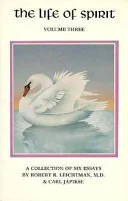
The essays collected in "The Life of Spirit" provide a sober, almost instructional, look at the mechanics of inner work. Unlike many contemporary spiritual texts that prioritize emotional catharsis or vague affirmations, Leichtman and Japikse offer a disciplined framework. The strength lies in its methodical approach to concepts like meditation and prayer, treating them as skills to be honed rather than mystical accidents. The chapter on "Enlightened Confession," for instance, offers a practical reinterpretation of self-judgment, framing it as a release of energetic entanglement. However, the prose, while clear, can sometimes feel a touch dry, lacking the evocative language that might fully capture the profound nature of the subjects discussed. The book's significant limitation is its occasional reliance on presupposed familiarity with a specific esoteric vocabulary, which might leave absolute beginners feeling adrift. Nevertheless, for those seeking concrete techniques rather than abstract philosophy, "The Life of Spirit" delivers a structured, actionable guide. It serves as a reliable manual for the dedicated student.
📝 Description
79
Published in 1988, The Life of Spirit offers six essays on applying spiritual disciplines.
This volume, the third in a series, presents six essays focused on the practical application of spiritual disciplines. It aims to give readers concrete methods for cultivating their inner lives and deepening their connection to the divine. The essays are instructional guides, not theoretical discussions, meant for the sincere seeker. They cover core practices in various spiritual traditions, laying out a structured path for personal evolution. The authors stress that spiritual growth is an active process requiring dedicated effort and specific tools.
"The Life of Spirit" is for individuals already engaged in their spiritual development, especially those wanting to refine prayer, meditation, and worship. It suits students of esoteric philosophy, occultism, or comparative religion who wish to move from theory to practice. Readers who appreciate structured guidance and systematic approaches to inner work will find this book useful. It addresses those ready for the more disciplined aspects of spiritual pursuit.
Published in 1988, "The Life of Spirit" appeared during a time of revived interest in esoteric and metaphysical studies. Following the counter-cultural movements of the 1960s and 70s, authors like Helena Blavatsky had previously established groundwork in Theosophy. However, the late 20th century saw a diversification and popularization of these ideas. Leichtman and Japikse presented a more focused, practice-oriented approach compared to some earlier speculative philosophies. Their work contributed to making complex spiritual concepts accessible to a wider audience, distinct from purely academic or highly ritualistic approaches.
💡 Why Read This Book?
• Understand systematic methods for effective prayer and meditation, as detailed in the chapters "Praying Effectively" and "The Act of Meditation," moving beyond passive wishing to active spiritual engagement. • Learn a practical approach to self-examination through "Enlightened Confession," reframing it as a technique for releasing karmic burdens rather than simple guilt. • Discover how to imbue daily existence with spiritual significance, as explored in "Making Life Sacred," transforming mundane activities into opportunities for divine connection and presence.
⭐ Reader Reviews
Honest opinions from readers who have explored this book.
❓ Frequently Asked Questions
What specific year was "The Life of Spirit" first published?
"The Life of Spirit" was first published in September 1988. This places its initial release within a period of significant interest in esoteric and metaphysical literature, following the cultural shifts of the previous decades.
Who are the primary authors of "The Life of Spirit"?
The book is attributed to Robert R. Leichtman and Carl Japikse. Leichtman was a prolific author in esoteric and metaphysical fields, and Japikse collaborated on several of his works, contributing to their systematic presentation.
What are the six core essays included in "The Life of Spirit"?
The six essays are: Praying Effectively, Enlightened Confession, The Act of Meditation, Invoking Divine Life, Worshipping God, and Making Life Sacred. These cover fundamental spiritual practices and attitudes.
Does "The Life of Spirit" require prior knowledge of esoteric subjects?
While a basic understanding of spiritual concepts is helpful, the book aims to provide practical guidance. However, some terms and concepts might be more easily grasped by readers familiar with esoteric traditions or metaphysical philosophy.
What is the main theme of "The Life of Spirit"?
The central theme is the practical application of spiritual disciplines and the use of specific "tools" or techniques for personal growth and deepening one's connection to the divine.
How does "Enlightened Confession" differ from traditional confession?
Unlike traditional confession focused on sin and penance, "Enlightened Confession" is presented as a method of self-examination aimed at understanding and releasing karmic patterns and energetic attachments, fostering spiritual liberation.
🔮 Key Themes & Symbolism
Active Spiritual Practice
The book emphasizes that spiritual growth is not passive but requires deliberate engagement with specific practices. Essays like "The Act of Meditation" and "Praying Effectively" detail systematic approaches, moving beyond mere contemplation to actionable techniques. This theme underscores the idea that the spirit is cultivated through disciplined effort, akin to mastering any skill. The authors present these disciplines as essential tools for anyone serious about their inner development and conscious evolution.
Reframing Self-Perception
"Enlightened Confession" is an important concept, offering a radical reinterpretation of self-scrutiny. It posits that honest self-assessment should aim not at perpetuating guilt or shame, but at understanding the energetic and karmic entanglements that bind individuals. By acknowledging and releasing these patterns through enlightened self-awareness, the individual can achieve a form of spiritual liberation. This theme highlights the transformative power of accurate self-knowledge in spiritual progression.
Sacralizing Daily Life
The final essay, "Making Life Sacred," integrates spiritual practice into the fabric of everyday existence. It argues that ordinary activities, from work to relationships, can become avenues for divine connection when approached with conscious awareness and intention. This theme challenges the dualistic view of sacred versus secular, suggesting that the entire spectrum of life can be a field for spiritual expression and growth, thereby elevating mundane experiences.
Divine Invocation and Worship
"Invoking Divine Life" and "Worshipping God" address the conscious alignment of the individual with higher spiritual forces. These essays explore methods for drawing divine presence into one's life and expressing reverence not just through ritual, but through a life lived in accordance with spiritual principles. The focus is on establishing a dynamic, responsive relationship with the divine, where worship is an active outpouring of the soul and an invocation of sacred energies.
💬 Memorable Quotes
Direct passages from the work, attributed to the author.
“Prayer is not begging; it is communion.”
— This concise statement redefines prayer from a supplicatory act to an active, two-way dialogue with the divine. It emphasizes a relationship of equality and connection, suggesting that effective prayer involves presence and participation rather than mere petition.
“Confession should be an act of release, not of condemnation.”
— This highlights the core of 'Enlightened Confession,' shifting the focus from guilt and punishment to the therapeutic process of letting go of past errors and their karmic consequences. It's about learning and moving forward, unburdened.
“Meditation is the deliberate act of withdrawing the mind from the external.”
— This defines meditation as a disciplined practice of internal focus, distinguishing it from passive relaxation. It underscores the intentionality required to quiet mental chatter and direct consciousness inward toward deeper states of awareness.
“Every act can be an offering if done with sacred intent.”
— This expresses the principle of 'Making Life Sacred,' suggesting that the mundane can be transformed into the spiritual. It implies that consciousness and intention are the key elements that elevate ordinary actions into acts of worship or service.
“Invoking Divine Life means consciously drawing spiritual energy into form.”
— This explains the concept of invocation as an active process of channeling higher spiritual forces into the physical or personal sphere. It speaks to the power of focused intention to manifest divine presence and vitality in one's life.
🌙 Esoteric Significance
Tradition
This work aligns with the practical, discipline-focused aspects found within Western Esotericism, particularly traditions that emphasize inner transformation through systematic practice. While not explicitly Gnostic or Kabbalistic, it draws on universal spiritual principles akin to those explored in Theosophy and later New Age thought, focusing on the individual's direct engagement with spiritual forces and consciousness development.
Symbolism
The book implicitly uses the concept of "tools" as a metaphor for spiritual disciplines, suggesting they are instruments for shaping consciousness. "Light" is a recurring symbolic motif, representing divine presence, higher consciousness, and spiritual illumination, particularly relevant in essays on worship and invoking divine life. The "sacred" itself acts as a symbol, representing the infusion of the divine into all aspects of existence, transcending the ordinary.
Modern Relevance
Contemporary spiritual seekers, particularly those engaged with mindfulness, meditation apps, and structured self-help programs, can find resonance with the book's emphasis on practical techniques. Thinkers and practitioners in fields like transpersonal psychology and consciousness studies may also draw upon its methodical approach to inner states. The idea of making everyday life sacred continues to be a popular concept in modern wellness and spiritual development circles.
👥 Who Should Read This Book
• Individuals seeking to move beyond theoretical spiritual concepts to tangible, daily practices for growth, particularly those interested in refining their meditation and prayer life. • Students of comparative religion or occult philosophy who desire a structured, instructional guide to core spiritual disciplines like confession and worship. • Seekers who value systematic approaches to inner work and are looking for actionable techniques to "make life sacred" and deepen their connection to the divine.
📜 Historical Context
Published in 1988, "The Life of Spirit" emerged in an era where esoteric studies, spurred by the New Age movement and a general populace seeking alternative spiritual paths, were gaining wider traction. Authors like Marilyn Ferguson with "The Aquarian Conspiracy" (1980) documented these shifts. Leichtman and Japikse’s work offered a more structured, less culturally diffuse approach than some of the broader metaphysical movements of the time. It provided practical, almost instructional, content that contrasted with the more philosophical or speculative texts prevalent in occult circles since the Theosophical Society's founding in the late 19th century. While not directly engaging with contemporaries in published debate, their work filled a niche for disciplined spiritual practice, distinct from the increasingly commercialized aspects of the New Age. The book’s reception likely appealed to a segment of the readership seeking tangible methods for spiritual advancement.
📔 Journal Prompts
The concept of "Enlightened Confession": How can self-examination become a tool for release rather than judgment in your life?
Reflect on the distinction between prayer as begging versus prayer as communion, as presented in the text.
Consider the practical steps involved in "Making Life Sacred"; identify one daily activity you can consciously infuse with spiritual intent.
Analyze the "Act of Meditation" as a deliberate withdrawal from the external; what are your biggest obstacles to this internal focus?
Explore the idea of "Invoking Divine Life"; what does this invocation mean to you personally and how might you practice it?
🗂️ Glossary
Enlightened Confession
A spiritual practice focused on self-examination not for punishment, but for understanding and releasing karmic patterns and energetic attachments, leading to spiritual liberation.
Invoking Divine Life
The conscious act of drawing spiritual energy, presence, or consciousness into oneself or a situation, often through focused intention and alignment with higher principles.
Making Life Sacred
The practice of infusing everyday activities and experiences with spiritual intention and awareness, transforming the mundane into opportunities for divine connection.
Spiritual Tools
Specific techniques, disciplines, or attitudes presented in the book that are designed to facilitate personal spiritual growth and development.
Communion (in prayer)
An active, reciprocal dialogue and connection with the divine, as opposed to prayer solely as petition or supplication.
Karmic Ties
Energetic connections or obligations resulting from past actions, which can influence present circumstances and are addressed through practices like Enlightened Confession.
Divine Life
The essential spiritual essence or energy of the divine, which can be consciously invoked and integrated into one's existence.
This book appears in 1 collection
🔮 Readers Also Liked
Browse all →








From the “Spirit Guides” Collection
View all →







More Free Occult Philosophy Books
View all →