Ghost detectors
 73
73

Ghost detectors
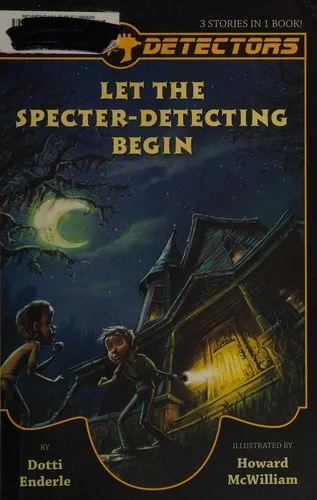
Dotti Enderle's Ghost Detectors offers a surprisingly grounded look at a subject often mired in sensationalism. The book’s strength lies in its structured approach, dissecting the history and methodologies of ghost detection with a critical, albeit sympathetic, eye. Enderle avoids outright debunking, instead focusing on the evolution of belief and practice. One particularly effective section details the transition from anecdotal accounts in the late 19th century to the use of early electronic devices in the mid-20th century. However, the work sometimes feels a touch too academic, potentially alienating readers seeking more visceral accounts. The absence of a robust glossary for less common historical terms also presents a minor hurdle. Despite these points, Ghost Detectors provides a valuable overview for those wishing to understand the *why* and *how* behind spectral investigations.
📝 Description
73
Dotti Enderle's Ghost Detectors examines the history and tools used for identifying spectral presences.
Ghost Detectors, by Dotti Enderle, offers an analytical look at how people have sought to identify spectral presences throughout history. The book moves past sensationalism to consider the methods and beliefs associated with spirit detection. It categorizes various types of perceived phenomena and the equipment or techniques used to register them. Enderle situates this practice within a larger historical context, tracing its lineage from ancient spiritualist traditions to contemporary investigations that border on scientific inquiry. The work acknowledges the impact of technological advancements on how paranormal activity is documented or verified, noting periods when interest in these subjects peaked.
Central to the book is an examination of what counts as evidence in the paranormal field. Enderle discusses the tension between subjective perception and objective measurement. She also considers the influence of belief systems on how experiences are interpreted and the psychological factors that may contribute to reports of spectral encounters. The evolution of ghost hunting equipment, from basic sensory observation to sophisticated electronic devices, is also touched upon. The book aims to provide a balanced overview for those interested in the history of parapsychology, folklore, and evolving beliefs about the afterlife.
This book fits within the broader esoteric tradition of seeking to understand and interact with non-material realities. It engages with spiritualism, a movement that gained prominence in the 19th century, which posited the possibility of communication with the dead. While Enderle approaches the subject analytically rather than dogmatically, her work touches upon the historical desire to empirically verify spiritual claims, a pursuit common in various occult and paranormal investigation traditions that seek to bridge the material and immaterial worlds.
💡 Why Read This Book?
• Understand the historical trajectory of paranormal investigation techniques, from early spiritualist methods to the advent of electronic detection devices, a shift exemplified by the mid-20th century. • Analyze the psychological and cultural factors influencing ghost reports and detection practices, moving beyond simple belief or disbelief. • Gain insight into the specific tools and methodologies discussed, such as the use of EMF meters and thermal cameras, and their historical context.
⭐ Reader Reviews
Honest opinions from readers who have explored this book.
❓ Frequently Asked Questions
What historical periods does Ghost Detectors cover regarding ghost hunting?
The book spans from early spiritualist movements of the 19th century through to the development and adoption of electronic detection equipment in the mid-20th century and beyond.
Does Ghost Detectors offer practical advice for ghost hunting?
While it details various methods, the primary focus is on the history and analysis of these practices rather than providing a 'how-to' guide for current ghost hunters.
What is the author's stance on the existence of ghosts?
Dotti Enderle adopts a neutral, analytical perspective, exploring the phenomena and methods of detection without definitively proving or disproving the existence of spirits.
Are there specific technologies discussed in Ghost Detectors?
Yes, the work touches upon the evolution and application of various technologies, including EMF meters and thermal imaging, in the context of paranormal investigation.
Is Ghost Detectors suitable for beginners in esoteric studies?
It is suitable for those interested in the history and sociology of paranormal beliefs, offering a structured overview rather than an introductory guide to esoteric practices.
When was Ghost Detectors first published?
The book was first published in 2013, placing its analysis within a modern context of paranormal investigation.
🔮 Key Themes & Symbolism
Evolution of Detection Tools
The work traces the lineage of instruments used to detect paranormal activity, moving from early sensory observation and anecdotal reporting prevalent in the 19th century to the introduction of electronic devices. It examines how advancements in technology, such as electromagnetic field (EMF) meters and thermal imaging cameras, influenced the approach to investigating supposed hauntings, shifting the paradigm from subjective experience to empirical (or quasi-empirical) measurement. This section highlights the interplay between technological innovation and the persistent human desire to confirm the presence of the unseen.
Subjectivity vs. Objectivity in Phenomena
A core theme is the inherent tension between subjective human perception and the pursuit of objective evidence in ghost detection. Enderle explores how personal beliefs, psychological states, and environmental factors can influence an individual's experience and interpretation of events. The book questions what constitutes 'proof' in this field, dissecting the reliability of eyewitness accounts versus the readings from sophisticated equipment, and how these different forms of evidence are weighed by investigators and the public.
Historical Roots of Spiritualism
Ghost Detectors contextualizes modern ghost hunting within the broader history of spiritualism and occult movements, particularly those that gained traction in the 19th century. It acknowledges the influence of figures and practices that sought to communicate with the deceased, establishing a cultural and intellectual foundation for subsequent investigations. This theme examines how earlier beliefs and methods laid the groundwork for contemporary approaches to detecting and understanding spectral phenomena.
The Psychology of Belief
The book examines the psychological underpinnings that drive interest in ghost detection and the interpretation of perceived phenomena. It considers why humans are drawn to the possibility of an afterlife and the desire to connect with departed loved ones. Enderle examines how cognitive biases, the need for closure, and cultural narratives shape our understanding and reporting of unexplained events, treating these not as definitive proof of ghosts, but as significant aspects of the human experience.
💬 Memorable Quotes
Direct passages from the work, attributed to the author.
“Interpreting EMF fluctuations requires an understanding of both potential paranormal causes and mundane environmental interference.”
— This idea underscores the book's critical approach to technology, suggesting that readings from devices like EMF meters are not automatically proof of ghosts and require careful analysis of context.
“The cultural fascination with the spectral has evolved considerably since the height of 19th-century spiritualism.”
— This statement reflects the book's historical perspective, indicating an examination of how societal attitudes and the practice of engaging with the supernatural have transformed over time.
“What one person perceives as a sign of a ghost, another might explain through natural phenomena or psychological suggestion.”
— This emphasizes the book's exploration of the subjective nature of paranormal experiences and the challenge of establishing objective proof in the field of ghost detection.
“The development of ghost detection tools mirrors broader societal interests in science and the unknown.”
— This concept connects the specific practices of ghost hunting to larger cultural and scientific trends, suggesting that the tools developed reflect contemporary hopes and fears.
💡 Key Ideas
Editorial paraphrase of the work's core concepts — not direct quotes.
The transition from relying on personal testimony to utilizing electronic devices marked a significant shift in paranormal investigation.
This paraphrased concept highlights the book's focus on how technological advancements changed the methodology and perceived legitimacy of ghost hunting, moving from subjective accounts to instrument-based data.
🌙 Esoteric Significance
Tradition
While not strictly adhering to a single esoteric lineage, Ghost Detectors engages with themes common in post-spiritualist occultism and theosophical inquiries into planes of existence. It touches upon the historical development of attempts to perceive or interact with non-corporeal entities, a practice found across various esoteric traditions seeking to understand consciousness beyond the physical body. The work fits within a broader category of literature that bridges popular culture with historical esoteric interests, examining the 'how' of perceived spiritual contact.
Symbolism
The primary 'symbols' in this work are not traditional esoteric icons but rather the tools of detection themselves. EMF meters, for instance, become symbols of the quest for objective proof in an inherently subjective field. The concept of 'cold spots' functions symbolically as a tangible, albeit debated, indicator of unseen presence. These elements represent the material world's attempt to quantify or register the immaterial, a recurring theme in both esoteric philosophy and scientific exploration.
Modern Relevance
The work remains relevant for contemporary paranormal investigators and researchers interested in the history of their field. Thinkers and practitioners in fields like cryptozoology, ufology, and even fringe archaeology often grapple with similar issues of evidence, methodology, and belief. The book provides a valuable historical and analytical lens for understanding the ongoing cultural fascination with the unexplained and the diverse methods employed in its study.
👥 Who Should Read This Book
• Individuals interested in the history of science and belief, particularly the evolution of methods used to investigate the paranormal from the 19th century onwards. • Students of folklore and cultural studies seeking to understand the societal fascination with ghosts and the afterlife. • Skeptics and believers alike who wish to examine the methodologies and historical context of ghost detection practices with a critical eye.
📜 Historical Context
Published in 2013, Dotti Enderle's Ghost Detectors emerged during a period of sustained popular interest in paranormal investigation, fueled by reality television and online communities. The work situates itself against the backdrop of a long history of spiritualism, which saw significant surges in the late 19th century, particularly following periods of high mortality. Contemporaries like Hans Holzer, a prolific author and paranormal investigator active from the 1960s onwards, had already laid groundwork in documenting alleged hauntings. Enderle’s book engages with this legacy by examining the methodological shifts that occurred, particularly the increasing reliance on electronic devices. While the scientific community largely remains skeptical of paranormal claims, the book acknowledges the persistence of these investigations, contrasting them with more materialist explanations and philosophical approaches to the unknown.
📔 Journal Prompts
The evolution of electronic detection tools in ghost hunting.
Interpreting subjective versus objective evidence in paranormal claims.
The cultural impact of 19th-century spiritualism on modern beliefs.
Psychological factors influencing the perception of spectral phenomena.
Analyzing the concept of 'cold spots' as a potential indicator.
🗂️ Glossary
Spiritualism
A religious movement that asserted the possibility of communicating with the spirits of the dead, prevalent in the 19th century, which influenced early methods of paranormal investigation.
EMF Meter
An instrument used to measure electromagnetic fields. In paranormal investigation, it's often used to detect supposed fluctuations caused by spirits, though natural sources also generate EMF.
Paranormal Investigation
The practice of seeking evidence for phenomena that are considered beyond the scope of normal scientific understanding, often focusing on ghosts, spirits, and other supernatural claims.
Anecdotal Evidence
Information based on personal accounts or stories rather than on verifiable facts or scientific data. It was a primary form of evidence in early ghost detection.
Cold Spot
A localized area reported to be significantly colder than its surroundings, often interpreted by ghost hunters as a sign of paranormal presence.
Theosophy
An esoteric movement founded in the late 19th century, seeking to understand the divine and the underlying truth in all religions, often exploring spiritual planes and consciousness.
Cognitive Bias
Systematic patterns of deviation from norm or rationality in judgment, which can influence how individuals interpret experiences, including potential paranormal events.
🔮 Readers Also Liked
Browse all →









More Free Occult Philosophy Books
View all →