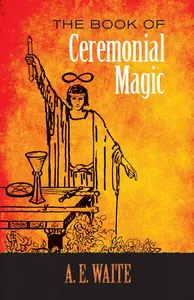
The Book of Black Magic and Ceremonial Magic

 73
73

The Book of Black Magic and Ceremonial Magic
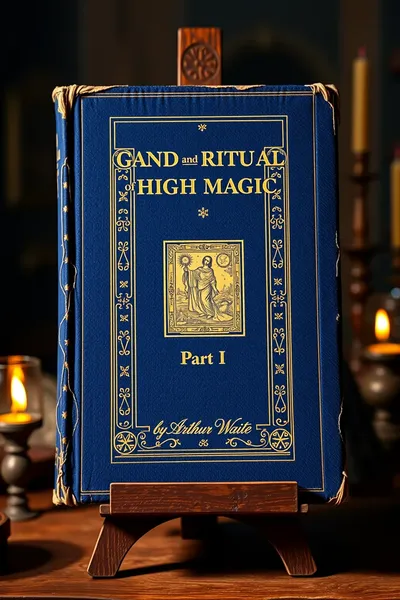
Arthur Edward Waite's "The Book of Black Magic and Ceremonial Magic" offers a meticulously researched, if somewhat dated, perspective on the arcane arts. Waite, a prominent figure in occult scholarship and co-founder of the Hermetic Order of the Golden Dawn, approaches the subject with a scholar's eye, dissecting the history and theory of ceremonial magic. His distinction between "black magic" and legitimate ritual is a crucial point of analysis, providing a framework for understanding the perceived dangers and ethical considerations within the occult. One notable strength lies in its detailed historical accounts, tracing practices back through centuries. However, the text's inherent academic tone, while valuable for researchers, may prove dense for those seeking direct practical instruction. Waite's specific interpretations, particularly his skepticism towards certain phenomena, reflect the scholarly debates of his time but can feel limiting to modern practitioners. Ultimately, it serves as an important historical document for understanding the intellectual landscape of Western esotericism in the late 19th century.
📝 Description
73
Arthur Edward Waite's 1911 book examines ritualistic occult practices, not practical spellcasting.
Arthur Edward Waite's "The Book of Black Magic and Ceremonial Magic" was first published in 1911. It functions as a scholarly examination of ritualistic occult practices, distinguishing between genuine ceremonial magic and what Waite labels 'black magic.' The work is not intended as a manual for initiating new practitioners. Instead, Waite aimed to provide a historical and critical survey of the subject matter.
This book is suited for serious students of Western esotericism and historians of religion and occult traditions. It will appeal to those interested in the historical development and theoretical foundations of ceremonial magic. Readers should already have some familiarity with occult history and symbolism to fully appreciate Waite's analysis. The text emerged during a period of significant interest in occult revival in late Victorian England.
Waite's work appeared during a surge of interest in the occult in late Victorian England. Societies like the Hermetic Order of the Golden Dawn were active, and esoteric lore drew considerable attention. This book reflects that intellectual atmosphere, engaging with older magical texts and the occult theories of the time. It represents an attempt to codify and explain the mysterious practices that captured the public imagination.
💡 Why Read This Book?
• Gain insight into the historical distinctions Waite makes between "black magic" and ceremonial ritual, understanding the academic discourse surrounding these practices in the late 1800s. • Explore Waite's critical analysis of magical texts and traditions, appreciating his scholarly approach that emerged from his involvement with the Hermetic Order of the Golden Dawn. • Understand the foundational concepts of ceremonial magic as understood by a key figure of the occult revival, differentiating theoretical constructs from practical application.
⭐ Reader Reviews
Honest opinions from readers who have explored this book.
❓ Frequently Asked Questions
What is Arthur Edward Waite's stance on 'black magic' in his book?
Waite critically examines 'black magic,' often associating it with practices driven by selfish intent or those deemed morally corrupt. He differentiates this from what he considers genuine ceremonial magic, focusing on spiritual attainment and ritualistic purity.
Is this book a practical guide for performing magic rituals?
No, this book is primarily a historical and analytical survey. While it discusses the theory and history of ceremonial magic, it is not intended as a step-by-step manual for untrained practitioners.
What historical period does this book primarily cover regarding magic?
The book covers a broad historical sweep, but its context and detailed analysis are deeply rooted in the late 19th-century occult revival, a period when Waite himself was actively involved in esoteric circles.
What was Arthur Edward Waite's role in the esoteric community?
Arthur Edward Waite was a prolific author and scholar of the occult, and notably, a co-founder of the Hermetic Order of the Golden Dawn, a significant magical organization in the late 19th and early 20th centuries.
Does the book discuss specific magical orders or traditions?
Yes, while not exclusively focused on one order, the book's discussions are informed by Waite's deep knowledge of various esoteric traditions and their historical manifestations, particularly those prevalent during the Victorian era.
Is the language in 'The Book of Black Magic and Ceremonial Magic' accessible to beginners?
The language is scholarly and historical, reflecting its late 19th-century origins. While informative, it may require a degree of familiarity with esoteric terminology and historical context for full comprehension.
🔮 Key Themes & Symbolism
Distinguishing Ritualistic Magic
Waite meticulously separates genuine ceremonial magic from what he labels 'black magic.' This distinction is central, emphasizing intent, ethical framework, and the purity of the practitioner's aims. He argues that true magic is a path toward spiritual enlightenment, distinct from practices motivated by ego or malice. The work explores the historical perception and academic categorization of these practices, offering a critical lens on their societal and philosophical implications during the late 19th century.
Historical Evolution of Ceremonial Practice
The book charts the lineage and development of ceremonial magic through various historical periods. Waite examines ancient rites, medieval grimoires, and Renaissance occultism, contextualizing these practices within their respective eras. This historical survey provides a scholarly foundation for understanding the evolution of magical theory and ritual, highlighting continuity and change in esoteric traditions. It positions the late Victorian occult revival as a new chapter in this long history.
The Esoteric Practitioner's Mindset
Waite looks at the psychological and spiritual prerequisites for engaging in ceremonial magic. He discusses the importance of preparation, mental discipline, and the symbolic understanding required to interact with the unseen realms. This theme underscores his belief that magic is not merely a set of actions but a profound internal discipline. The work explores the necessary inner state for ritual efficacy as understood by esotericists of his era.
Symbolism and Theurgy
The book examines the rich symbolic language inherent in ceremonial magic, including the use of talismans, sigils, and divine invocations. Waite discusses the concept of Theurgy, the practice of invoking divine powers for spiritual purification and enlightenment. He explores how these symbolic elements are employed to bridge the material and spiritual worlds, forming the core of many ritualistic traditions he analyzes.
💬 Memorable Quotes
Direct passages from the work, attributed to the author.
“Ceremonial magic is the art of the Great Work, which aims at the perfection of the individual.”
— This statement captures Waite's view that ceremonial magic is a path of self-transformation and spiritual development, rather than a means to achieve mundane goals. It highlights the 'Great Work' as a central concept in esoteric traditions.
“The distinction between true magic and sorcery is one of intent and spiritual aspiration.”
— Waite emphasizes that the moral and spiritual direction of the practitioner is the defining factor. This interpretation suggests that magic, in his view, is inherently neutral, its ethical valence determined by its application and the user's inner state.
“The preparations for ritual demand utmost seriousness and purity of purpose.”
— This highlights Waite's focus on the rigorous discipline required for ceremonial magic. It implies that the effectiveness of any ritual is heavily dependent on the practitioner's internal state and the meticulous attention paid to preparatory stages.
“The symbols used in magic are keys to understanding the hidden correspondences of the universe.”
— This interpretation points to Waite's belief in the profound significance of magical symbols. They are not arbitrary but represent deeper truths and connections within the cosmos, serving as tools for esoteric knowledge.
💡 Key Ideas
Editorial paraphrase of the work's core concepts — not direct quotes.
The history of magic is inseparable from the history of human thought and belief.
This paraphrased concept suggests that magical practices are not isolated phenomena but are deeply intertwined with broader intellectual and religious currents throughout history. It frames magic as a fundamental aspect of human cultural expression.
🌙 Esoteric Significance
Tradition
Waite's work is firmly situated within the Western Esoteric Tradition, particularly drawing from Hermeticism, Kabbalah, and Renaissance ceremonial magic. As a key figure in the Golden Dawn, he sought to synthesize and codify these diverse streams. His approach emphasizes the intellectual and ritualistic aspects of magic, aligning with the Hermetic principle of 'as above, so below.' This book represents an effort to systematize occult knowledge, moving beyond anecdotal accounts towards a more structured, historical analysis of magical practice within this lineage.
Symbolism
The book frequently references key symbols central to Western esotericism. The Pentagram, for instance, is discussed not merely as a geometric shape but as a potent symbol representing the human microcosm and the four elements, used in invocations and banishings. The Caduceus of Hermes is explored as a symbol of balance, healing, and the transmission of occult knowledge. These symbols are presented as essential tools for understanding the hidden correspondences in the universe and for facilitating magical operations.
Modern Relevance
Contemporary practitioners and scholars of Western esotericism continue to reference Waite's foundational work. His meticulous historical research and analytical framework remain valuable for understanding the evolution of magical thought. Modern occultists, particularly those involved in ceremonial magic and Golden Dawn-inspired traditions, often engage with his texts to grasp the historical context and theoretical underpinnings of their practices. His critical yet comprehensive approach influences ongoing academic and practical explorations of magic.
👥 Who Should Read This Book
• Students of Western Esotericism: Those seeking a scholarly overview of ceremonial magic's history and theoretical frameworks, grounded in late 19th-century occult scholarship. • Historians of Religion and Culture: Researchers interested in the occult revival, the intellectual history of magic, and societal perceptions of esoteric practices during the Victorian era. • Advanced Occult Practitioners: Individuals already familiar with magical concepts who wish to deepen their understanding of historical perspectives and Waite's critical analysis of different magical traditions.
📜 Historical Context
Arthur Edward Waite's "The Book of Black Magic and Ceremonial Magic" emerged in the late 19th century, a period of intense interest in the occult and spiritualism across Europe and North America. This era witnessed the rise of influential esoteric organizations, most notably the Hermetic Order of the Golden Dawn, of which Waite was a co-founder. His work engaged with the intellectual currents of this revival, seeking to provide a structured, scholarly understanding of magical traditions. At the time, competing schools of thought ranged from the rationalist critiques of scientific materialism to the burgeoning interest in Eastern philosophies via figures like Helena Blavatsky and the Theosophical Society. Waite's approach was often critical, differentiating his academic perspective from more overtly devotional or purely experiential occultism. While not subject to specific censorship, the very topic of magic was often viewed with suspicion by mainstream society and academia, making Waite's attempt to categorize and analyze it a significant, albeit controversial, undertaking.
📔 Journal Prompts
The distinction between 'black magic' and ceremonial ritual as presented by Waite.
Waite's views on the necessary preparation and mindset for magical operations.
The historical lineage of ceremonial magic explored in the text.
The symbolic language used in ceremonial magic as described by Waite.
The concept of the 'Great Work' and its role in ceremonial magic.
🗂️ Glossary
Ceremonial Magic
A form of magic involving elaborate rituals, often invoking divine or spiritual entities, with the aim of spiritual transformation or achieving specific magical effects. Waite distinguishes this from 'black magic'.
Black Magic
In Waite's context, this often refers to magical practices perceived as malevolent, selfish, or driven by lower desires, contrasted with the spiritual aims of true ceremonial magic.
Theurgy
A branch of magic focused on invoking divine powers and spirits for the purpose of spiritual purification and enlightenment, often involving complex rituals and divine worship.
Grimoire
A textbook of magic, typically containing instructions on how to create magical objects, perform rituals, and summon spirits. Waite analyzes many historical grimoires.
Great Work
A central concept in alchemy and esoteric traditions, often referring to the process of spiritual transformation, self-perfection, or the achievement of enlightenment.
Microcosm
In esoteric philosophy, the human being is often considered a microcosm, a miniature representation of the universe (macrocosm), reflecting its principles and structures.
Talismans
Objects inscribed with magical symbols or figures, believed to possess protective or magical powers when worn or placed in a specific location.
This book appears in 1 collection
🔮 Readers Also Liked
Browse all →









From the “Ceremonial Magic” Collection
View all →






More Free Magic & Ritual Books
View all →