Drawing the Spirit
 61
61

Drawing the Spirit


Isolde Whitaker, Sacred Texts Editor: Charles Arnold's "Drawing the Spirit" is a luminous beacon in the landscape of esoteric literature. Arnold's profound grasp of ancient wisdom is palpable, offering not merely techniques but a deep philosophical underpinning for magical work. He artfully demystifies complex concepts, rendering them accessible without sacrificing their inherent power. The book is particularly adept at illuminating the internal landscape as a crucible for external manifestation. Ideal for the serious student of ritual, occult philosophy, or anyone seeking to cultivate a more potent connection with the spiritual dimensions, this text offers enduring insights and practical guidance.
📝 Description
61
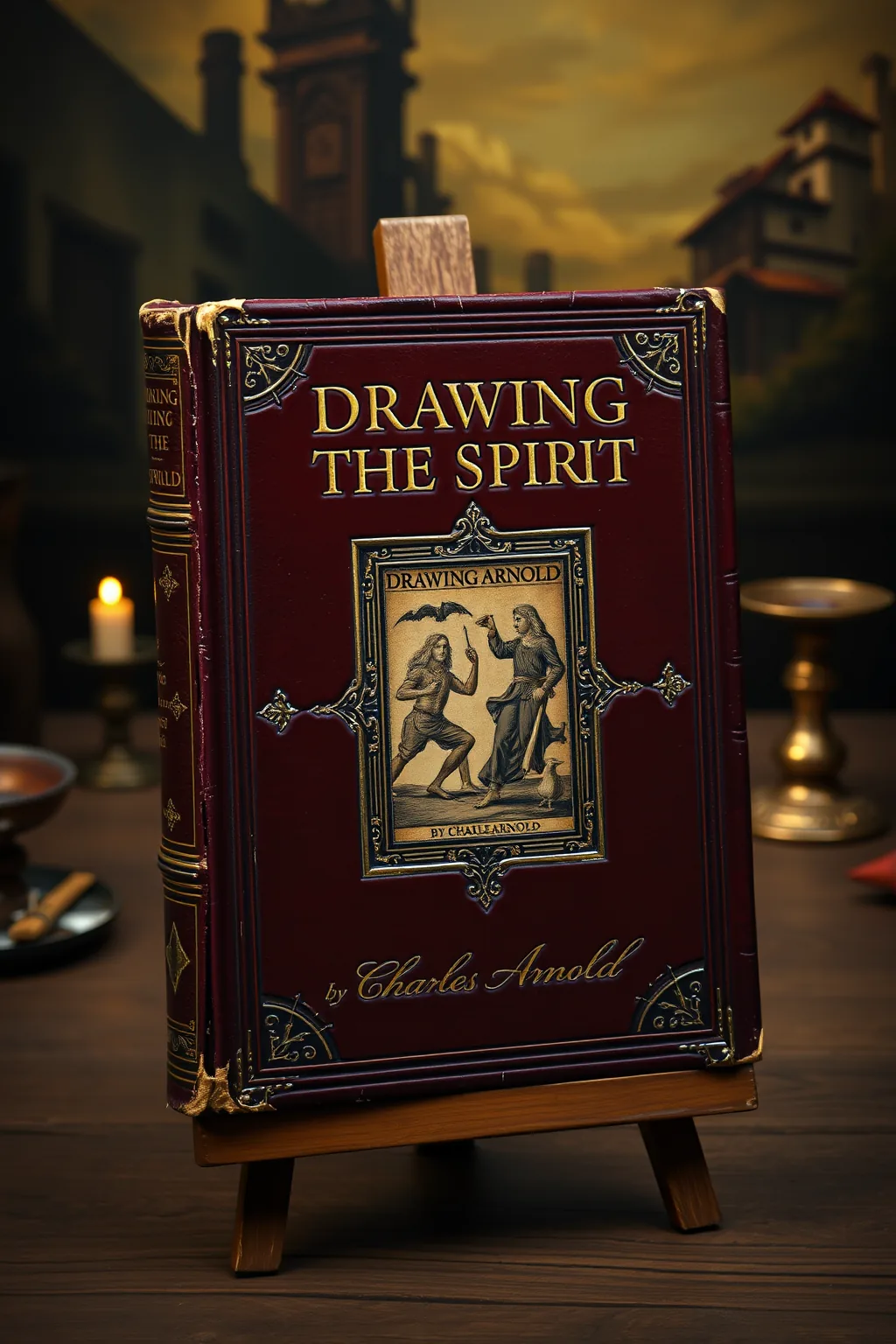
Charles Arnold's 1977 book, "Drawing the Spirit," deciphers ancient symbols for spiritual evocation.
Charles Arnold's "Drawing the Spirit" was published in 1977. The book guides readers through spiritual evocation and ritualistic practice, explaining the symbolic language used in these traditions. Arnold discusses how symbols connect the material world with the divine. He aims to help readers develop their psychic abilities and establish a connection with unseen forces.
The text encourages introspection and a deeper awareness of existence. It is presented as a guide for those seeking to perceive beyond the ordinary and interact with the universe more consciously. The book is not merely a set of instructions but an invitation to a deeper engagement with reality, fostering a greater understanding of oneself and the wider cosmos.
Published in 1977, "Drawing the Spirit" emerges from a period of renewed interest in Western esotericism. It aligns with traditions that explore the power of symbols and ritual to effect consciousness change and connect with non-physical realities. The book's focus on evocation and psychic development places it within currents influenced by figures like Eliphas Levi and modern ceremonial magic practitioners who sought to systematize these practices.
💡 Why Read This Book?
Unveil the hidden architecture of spiritual manifestation and deepen your connection to the unseen. "Drawing the Spirit" offers a unique blend of theoretical wisdom and practical application, perfect for occult scholars, ritual practitioners, and spiritual seekers who desire a more profound understanding of arcane energies and their invocation. It's an essential guide for those ready to consciously engage with the subtle realms.
⭐ Reader Reviews
Honest opinions from readers who have explored this book.
❓ Frequently Asked Questions
What is the primary focus of "Drawing the Spirit"?
The book's primary focus is on the principles and practices of spiritual evocation and ritual, emphasizing the connection between the inner and outer worlds and the conscious drawing forth of spiritual energies.
Is this book suitable for beginners in magic?
Yes, while it delves into profound concepts, Arnold's clear prose and systematic approach make it accessible to dedicated beginners who are serious about learning foundational esoteric principles.
What kind of spiritual traditions does this book draw from?
It synthesizes wisdom from various esoteric traditions, including Hermeticism, ceremonial magic, and general occult philosophy, focusing on universal principles rather than specific dogma.
How does "Drawing the Spirit" differ from other magic books?
It distinguishes itself through its emphasis on the psychological and symbolic aspects of ritual, encouraging a deep internal understanding that empowers external manifestation, rather than just rote memorization of spells.
Can I find practical exercises within this book?
Absolutely. The text is rich with guidance on practical application, including preparatory exercises, visualization techniques, and methods for constructing and performing effective rituals.
🔮 Key Themes & Symbolism
The Art of Evocation
This theme examines the sacred art of calling forth spiritual energies and entities, not as mere conjurations, but as conscious engagements with archetypal forces and intelligences. Arnold illuminates the vital role of will, intention, and symbolic resonance in establishing a clear channel between the practitioner and the desired spiritual manifestation. It explores the ethical considerations and the necessity of inner preparation, transforming the act of evocation from a potentially volatile endeavor into a refined practice of co-creation with the divine and elemental realms.
Symbolism and the Subconscious
Explore the profound interconnectedness between universal symbols and the latent power of the human subconscious. Arnold guides readers to understand how archetypal imagery acts as a key, unlocking deeper levels of consciousness and facilitating communication with spiritual forces. This theme unpacks the power of sigils, sacred geometry, and mythological narratives as direct conduits to the soul's innate wisdom, revealing how symbolic language bypasses the rational mind to speak directly to the spirit, thereby enhancing the efficacy of ritual and personal transformation.
The Inner Sanctuary
This central theme posits that the true temple of magic resides within the practitioner's own being. Arnold emphasizes that external rituals are but reflections of internal states, and genuine power is cultivated through the purification and mastery of one's own consciousness. The book provides insights into developing mental discipline, emotional equilibrium, and a strong spiritual will as the foundational elements for any successful magical endeavor, underscoring that the external manifestation is a direct consequence of the internal transformation.
💬 Memorable Quotes
Direct passages from the work, attributed to the author.
“Spirit is not commanded, but invited.”
— Emphasizes the importance of respect and conscious alignment in spiritual work, highlighting invitation and co-creation over forceful control.
“The circle drawn within is the truest protection.”
— Underscores the significance of inner discipline and mental fortitude as the primary defense and foundation for any external magical working.
“Every symbol is a doorway to a universe.”
— Highlights the profound symbolic language of the cosmos and the power of archetypal images to unlock vast areas of knowledge and experience.
“To draw the spirit is to know thyself.”
— Connects the practice of spiritual evocation directly to self-discovery and the realization of one's own divine potential.
💡 Key Ideas
Editorial paraphrase of the work's core concepts — not direct quotes.
The veil is thin for those who know where to look.
This quote suggests that the spiritual realm is accessible, not through force, but through cultivated awareness and understanding of subtle energies and hidden pathways.
🌙 Esoteric Significance
Tradition
This work is deeply rooted in the Western Esoteric Tradition, drawing heavily from Hermeticism, ceremonial magic, and Neoplatonic philosophy. It synthesizes principles concerning the nature of consciousness, the power of will, the significance of symbolic language, and the art of invoking spiritual forces. Arnold's approach emphasizes a practical, yet philosophically grounded, methodology for engaging with the subtle realms, aligning with the tradition's focus on self-transformation and gnosis through ritual and contemplation.
Symbolism
The book meticulously examines the power of symbolism as a bridge between the material and spiritual worlds. It highlights key symbols such as the circle, the triangle, celestial bodies, and archetypal figures, explaining their esoteric meanings and their application in ritual. Arnold illustrates how these symbols act as keys to unlock subconscious potential and to communicate with higher intelligences, emphasizing that understanding their deeper resonance is crucial for effective spiritual work and drawing forth desired manifestations.
Modern Relevance
In an age often marked by disconnection and superficiality, "Drawing the Spirit" offers a timeless framework for cultivating inner depth and conscious engagement with the universe. Its emphasis on personal responsibility, symbolic understanding, and the power of focused intention resonates powerfully with contemporary seekers of meaning. The book provides practical tools and philosophical insights that empower individuals to navigate their inner landscapes and to forge meaningful connections with the spiritual dimensions, making its teachings profoundly relevant for modern spiritual practice and personal growth.
👥 Who Should Read This Book
This comprehensive work is a vital resource for a diverse range of individuals. **Beginners** seeking a structured and philosophically rich introduction to ritual magic will find Arnold's clear explanations invaluable. **Occult scholars and historians** will appreciate its insightful synthesis of various esoteric traditions. **Practitioners** of magic, witchcraft, and spiritual disciplines will discover potent techniques and deeper theoretical underpinnings for their craft. **Spiritual seekers** yearning for a more profound connection to the unseen realms and a deeper understanding of their own inner potential will find "Drawing the Spirit" to be an clear and transformative guide.
📜 Historical Context
Published during a period of burgeoning interest in occultism and spiritualism, "Drawing the Spirit" emerged as a significant contribution to the revival of Western esoteric traditions. The late 19th and early 20th centuries saw a widespread exploration of ancient philosophies, mystical practices, and the 'hidden sciences' as a counterpoint to the prevailing materialism of the industrial age. Authors like Arnold sought to synthesize disparate threads of occult knowledge, drawing from Hermeticism, Kabbalah, and ceremonial magic to create coherent systems for personal and spiritual development. This era was characterized by a desire to reconnect with ancient wisdom and to explore the deeper mysteries of consciousness and the universe, making works like Arnold's highly influential for practitioners and scholars alike.
📔 Journal Prompts
Reflect on a symbol that frequently appears in your dreams or meditations. What might it be inviting you to explore within yourself?
Describe an experience where you felt a distinct presence or energy. How did you react, and what could you have done differently to engage with it consciously?
What personal qualities (e.g., patience, focus, empathy) do you feel are most crucial for successful spiritual work, and how can you cultivate them?
Consider the concept of 'invitation' versus 'command' in your spiritual or personal goals. Where can you apply this principle more effectively?
Imagine you are preparing to draw forth a specific quality or energy. What internal preparations would be most essential before beginning any external ritual?
🗂️ Glossary
Evocation
The act of summoning or calling forth spiritual beings, energies, or influences through ritual, prayer, or focused intent. It implies a conscious invitation and interaction.
Sigil
A symbolic representation, often a geometric design or unique glyph, created to represent a specific magical intention or concept. It acts as a focal point for will and energy.
Archetype
Universal, archaic patterns and images that derive from the collective unconscious and are the psychic counterpart of instinct. They are fundamental symbolic forms.
Gnosis
Spiritual knowledge or insight, often attained through direct experience, intuition, or mystical revelation, rather than through rational deduction.
Will
In an esoteric context, the directed force of consciousness; the capacity to focus intention, sustain attention, and manifest desired outcomes through focused mental and spiritual energy.
This book appears in 2 collections
🔮 Readers Also Liked
Browse all →









More by Charles Arnold
All books →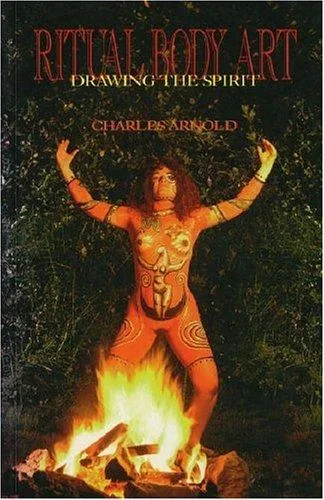

From the “Ritual Magic” Collection
View all →







More Free Magic & Ritual Books
View all →