Magic in the Landscape
 82
82

Magic in the Landscape
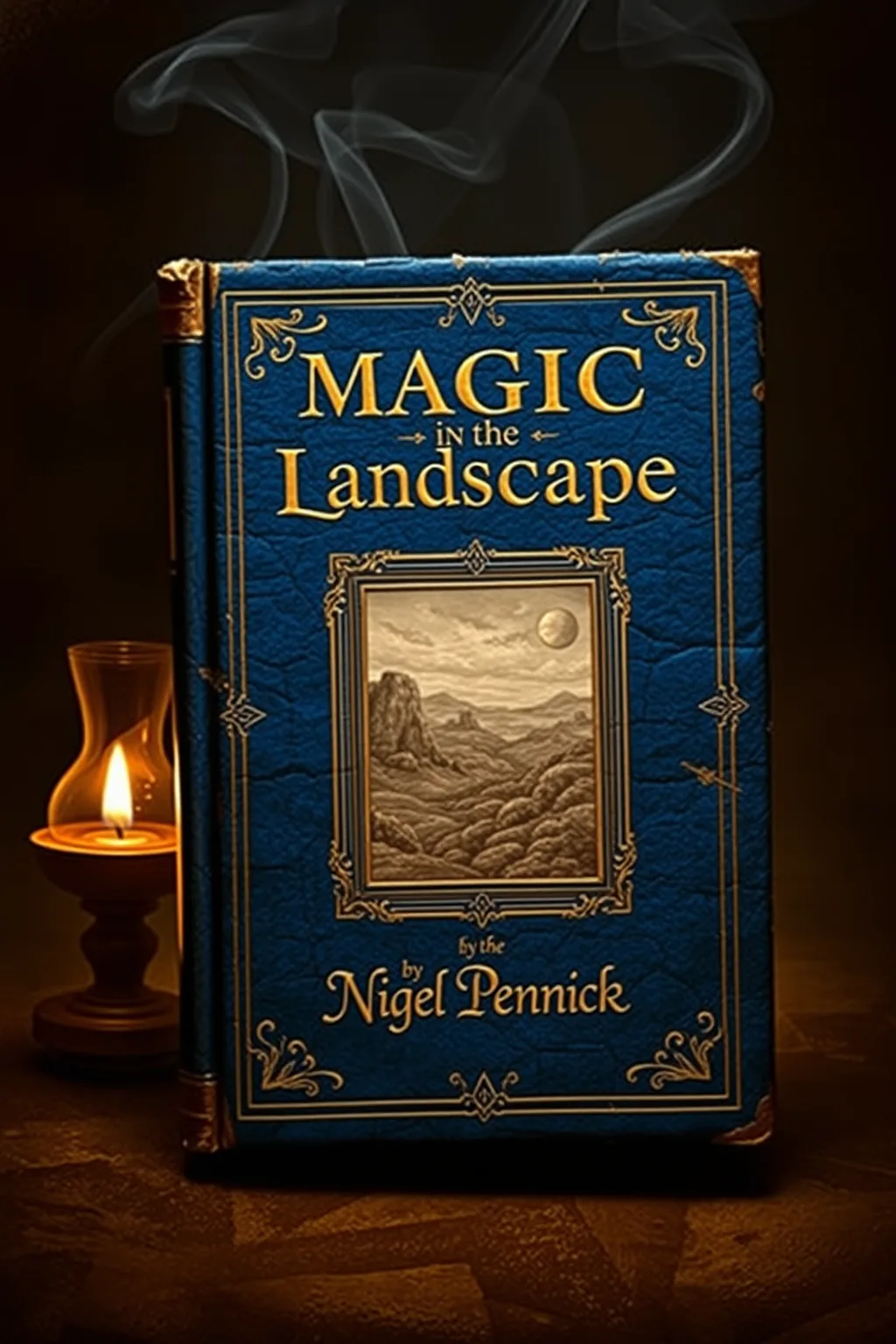
Nigel Pennick’s Magic in the Landscape offers a welcome, grounded perspective on how humans have historically perceived and interacted with the energetic qualities of their environment. The book excels in detailing specific examples, such as the alignment of ancient standing stones with celestial events, moving beyond vague spiritualism to concrete observations. Pennick’s strength lies in his meticulous research, drawing connections between geology, folklore, and ritual practice. However, the text can occasionally become dense, particularly when discussing complex topographical analyses, which may challenge readers less familiar with geographical terminology. A particularly illuminating section discusses the perceived energetic pathways or 'lines' within the landscape, connecting them to various traditions of earth magic. While the work is academic, it effectively demonstrates how our relationship with the land is steeped in layers of meaning and perceived power. It is a valuable resource for those seeking a scholarly examination of sacred geography.
📝 Description
82
Nigel Pennick's 2020 book connects human consciousness with the physical environment's magical significance.
Magic in the Landscape examines how natural formations and built structures have been imbued with magical meaning across history. Pennick moves beyond folklore to investigate the principles shaping our perception of place and its potential for spiritual influence. This work is for students of Western esotericism, comparative mythology, and landscape archaeology who seek to understand the historical and psychological roots of sacred geography. Readers interested in geomancy, ley lines, and ritual spaces within nature will find substantial material. The book's approach reflects a modern attempt to categorize and understand these phenomena within a Western esoteric framework, intersecting with archaeological and anthropological studies.
Pennick's work builds upon occult scholarship from the late 19th and early 20th centuries, influenced by figures like Charles Fort and Alfred Watkins's ley line theories. While the idea of sacred landscapes is ancient, this book systematically studies their magical and energetic properties. It situates itself within discussions informed by archaeological findings and anthropological studies of indigenous beliefs.
💡 Why Read This Book?
• Gain an understanding of how specific geological formations, like hills and rivers, were historically perceived as conduits of magical energy, offering a practical framework for landscape observation. • Explore the significance of astronomical alignments in ancient site planning, as detailed in Pennick's analysis of megalithic structures, providing concrete historical examples of deliberate design. • Learn about the concept of the 'genius loci' and its influence on ritual practice and the creation of sacred spaces, offering a tangible connection to historical human-environment interactions.
⭐ Reader Reviews
Honest opinions from readers who have explored this book.
❓ Frequently Asked Questions
What is the primary focus of Nigel Pennick's Magic in the Landscape?
The book focuses on the historical and esoteric connections between the physical landscape and human consciousness, exploring how geographical features and their arrangement were imbued with magical significance and perceived energetic qualities.
When was Magic in the Landscape first published?
Magic in the Landscape by Nigel Pennick was first published in 2020.
What kind of reader would benefit most from this book?
Serious students of Western esotericism, comparative mythology, landscape archaeology, and those interested in geomancy and sacred geography will find this book particularly beneficial.
Does the book discuss specific historical sites or examples?
Yes, the work examines various historical sites and examples, including megalithic structures and medieval churches, detailing their alignments, orientations, and perceived energetic properties.
What is the 'genius loci' as discussed in the book?
The 'genius loci' refers to the spirit or guardian of a place, a concept explored in the book to explain how natural formations and human-made sites were believed to possess unique sentient or energetic characteristics.
Is the book based on modern theories or historical practices?
The book is primarily based on historical practices, folklore, and esoteric traditions, offering a scholarly analysis of how these beliefs about landscape magic manifested over time.
🔮 Key Themes & Symbolism
Sacred Geography and Geomancy
This theme explores how specific geographical features—mountains, rivers, valleys, and coastlines—have been perceived as holding inherent spiritual or magical power throughout history. Pennick examines the principles of geomancy, the practice of divining or influencing the earth’s energies, and how these beliefs shaped human settlement patterns, ritual sites, and the very conception of a place's 'spirit' or 'genius loci'. The work connects these ancient practices to a continuous human engagement with the landscape's hidden potentials.
The Genius Loci
Central to the book is the concept of the 'genius loci,' the guardian spirit or inherent character of a specific place. Pennick investigates how this belief manifested across different cultures, influencing architecture, landscape design, and local folklore. The book provides examples of how natural formations and human-made structures were understood as expressions of this localized spirit, shaping human interaction and reverence for particular locales.
Celestial and Terrestrial Alignments
This theme focuses on the deliberate alignment of structures and natural features with celestial bodies and perceived terrestrial energies. Pennick details how ancient peoples oriented megaliths, temples, and even settlements according to astronomical events like solstices and equinoxes, or in relation to perceived ley lines and earth currents. This highlights a sophisticated understanding of cosmic and telluric forces in sacred landscape construction.
Human Consciousness and Place
The work looks at the reciprocal relationship between human perception and the landscape. It posits that the magical significance attributed to places is not merely superstition but a profound interaction between consciousness and environment. Pennick explores how cultural narratives, ritual practices, and collective belief systems actively shape the experience and understanding of a landscape's energetic qualities.
💬 Memorable Quotes
Direct passages from the work, attributed to the author.
“The orientation of ancient sites often reflects a conscious engagement with cosmic rhythms.”
— This highlights the deliberate astronomical planning in the construction of historical sacred spaces, suggesting a deep understanding of celestial cycles influencing earthly structures.
“Natural features were not merely background but active participants in the spiritual life of a community.”
— This emphasizes the animistic or panpsychic view of nature prevalent in many traditions, where landscapes were seen as alive and possessing agency, rather than inert matter.
“The concept of the 'genius loci' provided a framework for understanding the unique character and power of a specific location.”
— This points to the 'spirit of place' as a fundamental element in historical belief systems, offering a reason for the reverence and ritualistic practices associated with particular landscapes.
“Geographical formations guided ritual practices and the perception of terrestrial energies.”
— This illustrates the practical application of landscape magic, where the physical terrain itself dictated how rituals were performed and how earth energies were interpreted and utilized.
“Human perception actively imbues the landscape with layers of meaning and energetic significance.”
— This suggests that the magical qualities of a place are co-created by human consciousness and the inherent potential of the environment, rather than being solely objective phenomena.
🌙 Esoteric Significance
Tradition
This work fits within the broad tradition of Western Esotericism, particularly its branches concerned with the relationship between humanity and the natural world, such as geomancy, ley-line studies, and the concept of sacred geography. It draws upon older animistic and nature-venerating traditions, reinterpreting them through a lens informed by modern archaeological findings and occult scholarship, distinct from purely Hermetic or Kabbalistic systems.
Symbolism
Key symbols include megalithic structures (standing stones, stone circles) representing earth-bound energies and celestial connections; rivers and watercourses symbolizing flows of life force or spiritual currents; and specific geological formations like hills and mountains, often seen as focal points of terrestrial power or dwelling places for spirits (genius loci).
Modern Relevance
Contemporary practitioners of earth-based spirituality, paganism, and ecopsychology often draw upon the principles discussed in Pennick's work. Modern geomancers and landscape architects interested in sustainable and energetically aligned design also find value in its historical context and symbolic interpretations.
👥 Who Should Read This Book
• Students of Western Esotericism: Those seeking to understand the historical development and practical application of landscape magic and earth energies within esoteric traditions. • Comparative Mythology Scholars: Researchers interested in cross-cultural beliefs about sacred sites, spirits of place, and the human relationship with the natural world. • Landscape Archaeologists and Historians: Individuals looking for an esoteric perspective on ancient sites, their alignment, and the potential symbolic meanings behind their construction and location.
📜 Historical Context
Magic in the Landscape emerges from a lineage of esoteric scholarship that gained traction in the late 19th and early 20th centuries, a period marked by intense interest in folklore, archaeology, and alternative cosmologies. Figures like Alfred Watkins, whose theories on 'ley lines' published in 1925, significantly influenced the discourse on landscape energies. Pennick's work can be seen as engaging with this tradition, while also drawing on earlier concepts of sacred geography found in classical texts and medieval grimoires. The era saw a divergence between academic archaeology, which often dismissed such interpretations as fanciful, and esoteric practitioners seeking to reconnect with perceived ancient wisdom. While not a direct contemporary, Charles Fort's investigations into anomalous phenomena from the early 20th century share a spirit of questioning conventional explanations for unexplained patterns, a spirit echoed in the book's approach to landscape mysteries.
📔 Journal Prompts
The perceived energetic pathways within the landscape: Trace a hypothetical line connecting two significant natural features near you.
Reflect on the 'genius loci' of a place that holds personal significance for you.
Analyze a local landmark through the lens of potential celestial or terrestrial alignments.
Consider how your own consciousness shapes your perception of a familiar natural environment.
Explore the folklore or local legends associated with a specific geographical feature in your region.
🗂️ Glossary
Genius Loci
Latin for 'spirit of place.' Refers to the unique, often sentient or energetic, character attributed to a specific location, influencing its perceived magical qualities and inhabitants.
Geomancy
A system of divination and magic concerned with the energies of the earth, often involving the interpretation of landscape features, watercourses, and subterranean currents.
Ley Lines
Hypothetical lines of energetic force or spiritual significance believed to connect ancient sites and natural landmarks across the landscape, a concept popularized in the early 20th century.
Megalith
A large prehistoric stone used in the construction of monuments, such as standing stones or stone circles, often aligned with celestial events or believed to channel earth energies.
Sacred Geography
The study and understanding of how geographical locations are imbued with religious, spiritual, or magical significance, shaping human perception and interaction with the environment.
Terrestrial Energies
Perceived natural forces or currents emanating from the earth itself, often studied in geomancy and believed to influence living beings and the landscape.
Cardinal Directions
The four main points of the compass (North, South, East, West) and their associated symbolic meanings and practical uses in orientation, ritual, and landscape planning.
🔮 Readers Also Liked
Browse all →







More by Nigel Pennick
All books →




More Free Magic & Ritual Books
View all →