Taoist Ways to Transform Stress Into Vitality
 78
78

Taoist Ways to Transform Stress Into Vitality
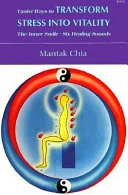
Mantak Chia’s 1985 text, Taoist Ways to Transform Stress Into Vitality, provides a direct conduit to the Qigong-based methods of the Universal Tao. The book’s strength lies in its clear, step-by-step instruction on cultivating and circulating Qi, particularly the foundational practice of the Six Healing Sounds. These sounds, tied to specific organs, offer a tangible way for readers to engage with their internal landscape and address energetic imbalances. A limitation, however, is the text’s early publication date; some of the diagrams and presentation style feel dated compared to contemporary wellness guides, and the sheer volume of practices can be overwhelming without a live instructor. Despite this, the core teachings on transforming toxic emotions into vital energy remain potent. The work serves as an effective primer for those ready to engage actively with their own energetic system.
📝 Description
78
Mantak Chia's 1985 book details Taoist methods for turning stress into physical energy.
Taoist Ways to Transform Stress Into Vitality provides practical instruction in ancient Chinese energetic practices. Mantak Chia authored the book to teach readers how to cultivate their internal energy, aiming for better health and a longer life. The methods presented focus on harmonizing the body's subtle energies. This approach is intended to lessen the negative impacts of persistent stress on both the body and mind.
The book is aimed at people feeling the strain of contemporary life. It offers non-drug solutions for managing stress and increasing personal vitality. Readers who practice martial arts, yoga, or meditation may find it useful for deepening their understanding of energy cultivation. It also interests those curious about the connections between traditional Chinese medicine and personal wellness.
Published in 1985, this work appeared as Western interest in esoteric Eastern traditions grew. While Chinese culture had earlier popularizers, the 1980s saw a deeper dive into specific practices. Chia's book made a complex system of internal alchemy and energy work accessible. It stood apart from more general introductions to Eastern thought prevalent then, contributing to the rise of mind-body wellness literature.
💡 Why Read This Book?
• Learn the Six Healing Sounds, a core practice from the Universal Tao system, to directly address and transmute emotional stress held within specific organs, a technique detailed in the book's early chapters. • Discover the foundational principles of Qi circulation as taught by Mantak Chia, understanding how to move vital energy through the body's meridians to enhance resilience, a concept introduced early in the text. • Gain practical methods for transforming negative emotions like anger and fear into positive life force energy, a central promise of the book’s title and its approach to stress.
⭐ Reader Reviews
Honest opinions from readers who have explored this book.
❓ Frequently Asked Questions
What is the core principle behind Taoist Ways to Transform Stress Into Vitality?
The core principle involves using specific Taoist energetic practices, such as the Six Healing Sounds, to harmonize the body's Qi (vital energy). This process aims to neutralize the negative effects of stress and transform emotional blockages into vitality.
Who is Mantak Chia and what is his background?
Mantak Chia is a Taoist master who founded the Universal Tao system. He synthesized ancient Taoist practices from China and other traditions, making them accessible to a Western audience starting in the late 1970s and early 1980s.
When was Taoist Ways to Transform Stress Into Vitality first published?
The book was first published in 1985, making it one of Mantak Chia's earlier works introducing Taoist energy cultivation to a global audience.
Are the practices in the book suitable for beginners?
Yes, the book is designed to introduce beginners to fundamental Taoist energy cultivation techniques. It provides step-by-step instructions for practices like the Six Healing Sounds and the Microcosmic Orbit.
What kind of stress does this book address?
It primarily addresses chronic emotional and psychological stress by teaching methods to release pent-up emotional energy and cultivate inner calm and resilience, as outlined in its core practices.
Does the book explain the concept of Qi?
Yes, the book explains Qi, often translated as vital energy or life force, as the fundamental energetic substance that permeates and animates all things, and details methods for its cultivation and circulation.
🔮 Key Themes & Symbolism
Qi Cultivation and Circulation
The central theme revolves around the cultivation and free circulation of Qi, or vital energy. The book details specific exercises, such as the Six Healing Sounds and the Microcosmic Orbit, designed to build and direct this energy. It posits that by consciously managing Qi, individuals can overcome the debilitating effects of stress, illness, and emotional turmoil, leading to enhanced health, longevity, and spiritual awareness. This practice is presented not just as a health regimen but as a path to energetic self-mastery.
Emotional Alchemy
A significant aspect of the book is its focus on transforming negative emotions into beneficial energy. Rather than suppressing emotions like anger, sadness, or fear, Chia’s methods teach readers to acknowledge them and then transmute their energetic charge. This process is linked to specific organs in Taoist physiology, suggesting that imbalances in emotional states directly affect physical health. By learning to recycle this emotional energy, practitioners can prevent it from becoming toxic and instead use it to strengthen their vital force.
The Six Healing Sounds
This specific practice is a core part of the text, offering a concrete method for cleansing and balancing the internal organs. Each of the six sounds is associated with a particular organ (Liver, Heart, Spleen, Lungs, Kidneys) and an emotion. The book explains the precise vocalization, accompanying gestures, and visualization needed to direct Qi to each organ, thereby releasing stagnant energy and promoting its healthy function. It serves as a primary tool for both physical health and emotional regulation.
Microcosmic Orbit
Another key practice detailed is the Microcosmic Orbit, a fundamental Taoist meditation for circulating Qi along the Conception and Governing vessels. This energetic pathway runs up the front and down the back of the body. Mastering this circulation is presented as crucial for building a strong energy foundation, purifying the body, and opening the channels for higher spiritual development. The book guides the reader through the process of establishing and maintaining this vital energetic flow.
💬 Memorable Quotes
Direct passages from the work, attributed to the author.
“The Six Healing Sounds can cleanse the toxins from the organs.”
— This statement highlights the therapeutic power of the Six Healing Sounds. It suggests that specific vocalizations and associated movements can directly address and neutralize harmful energies or 'toxins' that accumulate within the body's major organs due to stress and negative emotions.
“Circulating energy through the Microcosmic Orbit.”
— This refers to the practice of moving Qi along the primary energetic pathways. The interpretation is that establishing this continuous flow is essential for maintaining health, vitality, and energetic balance within the entire system.
“The body is a temple.”
— This common aphorism, when applied here, suggests that the physical body should be treated with reverence and care. The book's practices are presented as a means to maintain this 'temple' in optimal condition, free from the impurities of stress and emotional discord.
“Internal smile to activate the organs.”
— This likely refers to a visualization technique where one mentally 'smiles' at their internal organs. The interpretation is that this gentle, positive focus can awaken and harmonize the organs' energetic functions, promoting well-being from within.
💡 Key Ideas
Editorial paraphrase of the work's core concepts — not direct quotes.
Transforming the six basic emotions into Qi.
This paraphrased concept emphasizes the book’s core mechanism for stress transformation. It implies that emotions are not inherently bad but possess a potent energy that can be redirected and refined, turning potentially destructive feelings into constructive life force.
🌙 Esoteric Significance
Tradition
This work is deeply rooted in the Taoist tradition, specifically drawing from the lineage of internal alchemy and energy cultivation practices developed over centuries in China. It aligns with the Taoist emphasis on harmonizing with the natural flow of the universe (the Tao) through cultivating and balancing internal energies. Chia's approach, while making these practices accessible, upholds the core Taoist principles of achieving health, longevity, and spiritual awareness by working with the body's subtle energetic system, known as Qi.
Symbolism
Key symbols include the Yin and Yang, representing the fundamental duality and interdependence of all phenomena, which the practices aim to balance within the body. The concept of Qi itself functions as a primary energetic symbol for life force. Additionally, the specific organs and their associated emotions (e.g., anger with the liver, fear with the kidneys) act as symbolic representations of the energetic connections between the physical, emotional, and energetic bodies within the Taoist framework.
Modern Relevance
Mantak Chia's teachings, including those in this book, continue to influence contemporary wellness practices. Modern Qigong instructors, energy healers, and somatic therapists often draw upon the foundational techniques he popularized, such as the Six Healing Sounds and Microcosmic Orbit. His work is also referenced in discussions of mind-body medicine and alternative health approaches, demonstrating its enduring relevance for individuals seeking holistic methods to manage stress and enhance vitality in the 21st century.
👥 Who Should Read This Book
• Individuals seeking practical, experiential methods for stress reduction and energy enhancement, who are drawn to the principles of traditional Chinese energetic medicine. • Practitioners of martial arts, yoga, or meditation looking to deepen their understanding of internal energy cultivation and its application to physical and mental well-being. • Those interested in exploring the esoteric aspects of Taoism and learning concrete techniques for transforming negative emotions into vital life force, as taught by Mantak Chia.
📜 Historical Context
When Taoist Ways to Transform Stress Into Vitality was first published in 1985, Western engagement with Eastern spiritual and healing traditions was accelerating. While figures like Alan Watts had introduced Zen Buddhism decades earlier, the 1980s saw a surge in interest in Qigong and Taoist internal arts, largely outside mainstream academic circles. Mantak Chia’s work emerged as a significant contribution, offering practical, step-by-step instructions for complex energy cultivation techniques that were previously obscure in the West. This contrasted with more philosophical or generalized introductions to Taoism. Chia's approach, emphasizing direct experiential practice over theoretical discourse, resonated with a growing audience seeking tangible methods for self-healing and personal development. His work predated and influenced many later popularizers of Qigong and energy medicine in the West, positioning him as a key figure in the transmission of these practices.
📔 Journal Prompts
The Six Healing Sounds and their connection to organ health.
Your personal experience with circulating Qi through the Microcosmic Orbit.
How the concept of transforming emotional energy applies to your daily life.
Identifying personal energetic blockages and potential release through Taoist practices.
The role of internal alchemy in achieving vitality.
🗂️ Glossary
Qi (Chi)
The fundamental vital energy or life force that permeates and animates all living things in the Taoist tradition. Its cultivation and circulation are central to health and longevity.
Six Healing Sounds
A Taoist practice involving specific vocalizations, gestures, and visualizations designed to cleanse, balance, and strengthen the energy of the five major internal organs and the San Jiao.
Microcosmic Orbit
An advanced Taoist meditation technique for circulating Qi along the Conception Vessel (Ren Mai) and Governing Vessel (Du Mai) meridians, creating a continuous energetic loop.
Internal Alchemy
A Taoist practice that aims to refine the body's vital energies, transforming them into higher spiritual states, often involving the manipulation of Qi, Jing (essence), and Shen (spirit).
Meridians
Invisible channels or pathways within the body through which Qi is believed to flow, connecting organs, tissues, and the body's surface.
Jing
Often translated as 'essence,' Jing is considered a fundamental substance in Taoism, related to physical vitality, reproductive energy, and the constitution. It can be cultivated and conserved through specific practices.
San Jiao
A complex concept in Traditional Chinese Medicine, often translated as the 'Triple Burner' or 'Triple Heater.' It is responsible for the circulation of Qi and fluids throughout the body.
This book appears in 1 collection
🔮 Readers Also Liked
Browse all →








From the “Qi Gong” Collection
View all →



More Free Occult Philosophy Books
View all →