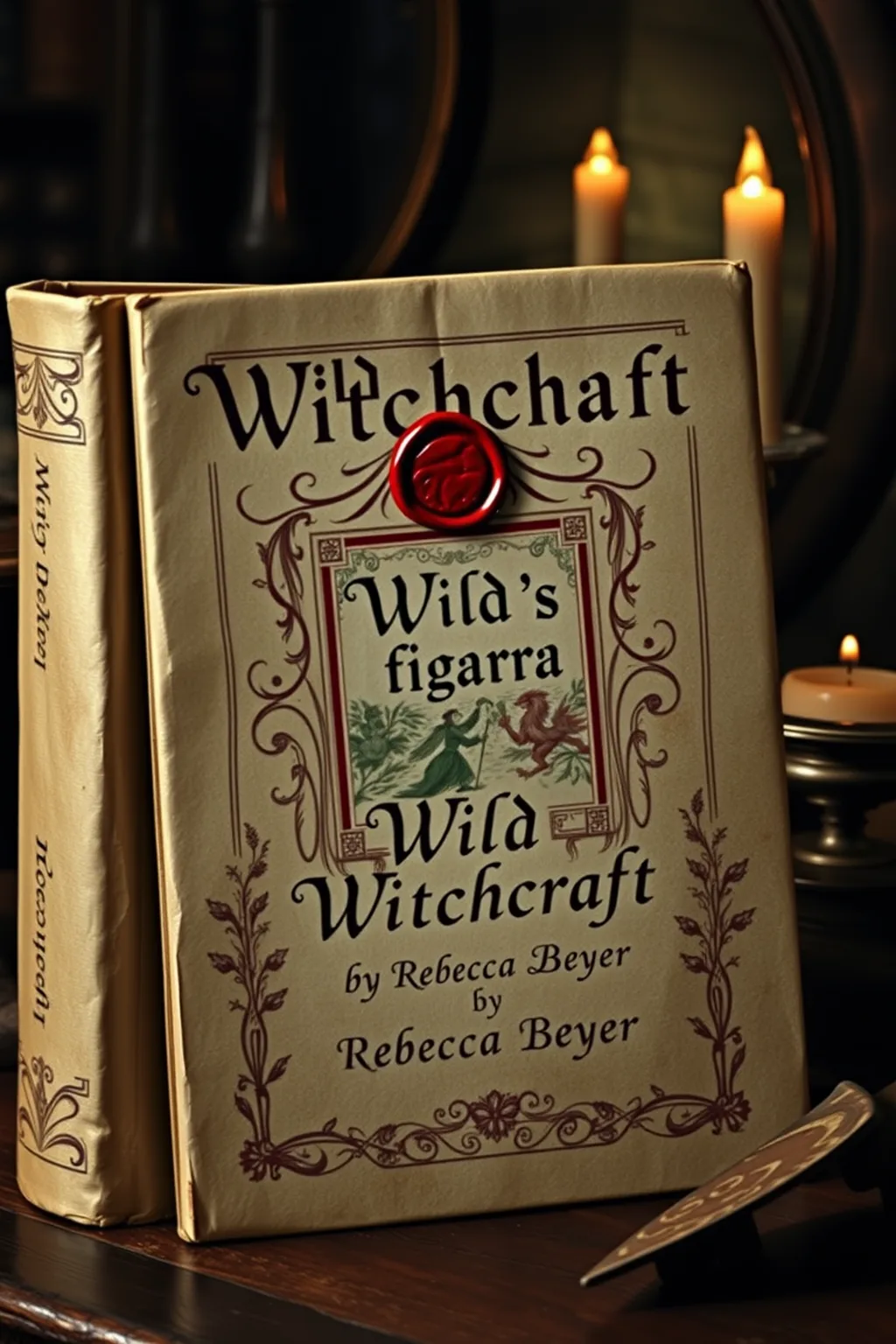
Wild Witchcraft
 74
74

Wild Witchcraft
Rebecca Beyer’s *Wild Witchcraft* moves beyond the often-rehearsed narratives of modern witchcraft to anchor practice in the tangible reality of the Appalachian landscape. Her accessible approach to herbalism, particularly her focus on sustainable foraging and cultivation, feels refreshingly direct. The strength of the book lies in its pragmatic instruction; chapters detailing how to start a witch's garden or identify common wild edibles are exceptionally clear and encouraging. However, the book occasionally leans into a generalized "nature connection" that, while well-intentioned, could benefit from more specific historical or cultural context beyond its Appalachian roots. For instance, while Beyer touches upon the lineage of Appalachian witches, a deeper exploration of specific historical figures or practices that informed her approach, perhaps referencing figures like the early 20th-century herbalist Ada Mae Collins, might have further enriched the narrative. Despite this, *Wild Witchcraft* offers a valuable, hands-on manual for anyone seeking to weave the wild into their spiritual life.
📝 Description
74
Rebecca Beyer's 2022 book, Wild Witchcraft, details connecting with nature through Appalachian witchcraft.
Wild Witchcraft by Rebecca Beyer serves as a practical guide to establishing a connection with the natural world through the practices of Appalachian witchcraft. The book emphasizes sustainable methods, encouraging readers to cultivate their own magical abilities rooted in foraging and herbalism. It frames witchcraft not as an abstract idea but as a concrete, daily activity, highlighting a deep reverence for the environment and its intrinsic energies. This work is for those seeking a grounded, earth-focused approach to magic and spirituality. It will interest new witches curious about applying herbalism and nature magic, as well as experienced practitioners aiming to strengthen their bond with the land. Readers interested in Appalachian folk traditions, sustainable living, and self-reliance will find particular benefit in Beyer's instruction.
Beyer's writing stems from a current revival of interest in folk magic and animistic traditions, often labeled "re-wilding" or "green witchery." This movement, which gained traction in the late 20th and early 21st centuries, often differs from more ritualistic or ceremonial occult practices. It draws from historical sources, including Appalachian folk medicine and indigenous nature beliefs, aiming to restore a direct, embodied relationship with the natural world.
This book fits within a modern resurgence of interest in folk magic and animistic practices, sometimes called "re-wilding" or "green witchery." This trend, prominent in the late 20th and early 21st centuries, stands apart from more structured occult traditions. It seeks to recover a direct, embodied connection to the natural world by drawing on historical practices like Appalachian folk medicine and indigenous nature beliefs.
💡 Why Read This Book?
• Gain practical skills in cultivating a "magical garden" and sustainably foraging wild plants, offering direct methods for harvesting ingredients for spellcraft and healing that honor ecological balance. • Learn specific herbalism techniques rooted in Appalachian folk traditions, moving beyond generalized folklore to understand the energetic properties and uses of plants as taught by experienced foragers. • Develop a deeper, reciprocal relationship with the natural world, fostering an animistic worldview through practices like creating seed saving rituals and understanding the cycles of nature as presented in the book's guidance.
⭐ Reader Reviews
Honest opinions from readers who have explored this book.
❓ Frequently Asked Questions
What is the primary focus of Rebecca Beyer's Wild Witchcraft?
The book's primary focus is on practical, sustainable witchcraft practices rooted in herbalism and foraging, emphasizing a deep connection with nature and the Appalachian landscape. It guides readers in cultivating magical gardens and harnessing plant power.
Is Wild Witchcraft suitable for beginners?
Yes, Wild Witchcraft is highly suitable for beginners. Rebecca Beyer provides clear, accessible instructions on topics like starting a magical garden and identifying edible or medicinal plants, making it easy for newcomers to engage with nature-based magic.
What makes the herbalism in Wild Witchcraft unique?
The herbalism in this book is distinguished by its focus on Appalachian traditions and sustainable foraging. It emphasizes working with local flora and understanding plants not just for their physical properties, but also their energetic and magical qualities.
How does the book address sustainability?
Sustainability is a core principle. The book advocates for responsible foraging, mindful cultivation, and practices that ensure the long-term health of the environment, encouraging reciprocity with nature.
What is the significance of the 'magical garden' concept?
The 'magical garden' serves as a focal point for personal power and a direct link to the earth's energies. It's presented as a space for cultivating not only plants but also one's own magical practice and connection to the wild.
When was Wild Witchcraft first published?
Wild Witchcraft was first published on May 10, 2022, by Rebecca Beyer.
🔮 Key Themes & Symbolism
Earth-Centered Herbalism
This theme explores the practical application of herbalism, moving beyond simple remedies to understand the energetic and magical properties of plants. Rebecca Beyer emphasizes sustainable foraging and cultivation, advocating for a reciprocal relationship with the flora. The work details how to identify, harvest, and utilize common plants found in regions like Appalachia, not just for physical well-being but also for magical workings. It encourages readers to see plants as sentient allies, fostering a deeper respect for the natural world and its inherent power.
The Magical Garden
The concept of the 'magical garden' is central to Wild Witchcraft, presented as a personal sanctuary and a source of potent magical ingredients. Beyer guides readers on cultivating their own spaces, whether expansive plots or simple containers, to grow plants with specific magical intentions. This theme highlights the act of gardening as a spiritual practice, connecting the gardener to the cycles of the moon, seasons, and earth. It's about more than just growing herbs; it's about nurturing a living altar and fostering a direct, embodied connection to elemental forces.
Appalachian Witchcraft
This theme explores the specific lineage and practice of witchcraft as found in the Appalachian region. Beyer draws upon the rich folk traditions of her heritage, offering insights into a form of magic deeply intertwined with the land, its spirits, and its inhabitants. It moves away from standardized occult systems, focusing instead on intuitive, practical magic informed by generations of experience with the natural world. The emphasis is on authenticity, resourcefulness, and a grounded spirituality that respects local lore and the wisdom of the wild.
Sustainable Foraging and Reciprocity
Wild Witchcraft champions responsible interaction with the natural environment. The theme of sustainable foraging stresses the importance of ethical harvesting practices, ensuring that wild resources are not depleted. Beyer advocates for a mindset of reciprocity, where taking from nature is balanced by giving back through respectful stewardship, planting, and energetic offerings. This approach fosters a profound respect for ecosystems and encourages readers to become active participants in the health and vitality of the land they draw from.
💬 Memorable Quotes
Direct passages from the work, attributed to the author.
“Learn how to cultivate your own magical garden, harness the power of herbalism, and better connect with nature...”
— This foundational statement captures the book's core mission: to equip readers with tangible skills for nature-based magic. It highlights the interconnectedness of personal cultivation (garden), practical application (herbalism), and spiritual deepening (nature connection).
“practical and sustainable tips from an experienced Appalachian witch forager”
— This phrase emphasizes the book's combination of practicality and ethics. It positions the author as a credible guide rooted in a specific, rich folk tradition, promising actionable advice that respects both the craft and the environment.
“The work explores the concept of the 'magical garden' as a source of personal power.”
— This highlights a key theme: the garden is not merely for aesthetics or sustenance but serves as a direct conduit for magical energy and personal empowerment, suggesting a holistic approach to spiritual growth through cultivation.
“Beyer's approach emphasizes reciprocity with nature.”
— This interpretive statement points to a core ethical principle in the book, suggesting that magical practice involves not just taking from the earth but also giving back, fostering a balanced and respectful relationship with the natural world.
“Harnessing the power of herbalism is a central tenet.”
— This points to the book's focus on practical, plant-based magic. It suggests that understanding and working with the inherent energies of herbs is a crucial skill for any practitioner seeking to engage with wild witchcraft.
🌙 Esoteric Significance
Tradition
This work aligns with contemporary earth-centered and animistic spiritual paths, often associated with neo-paganism and contemporary witchcraft movements. It departs from more structured, hierarchical esoteric traditions like Hermeticism or Kabbalah by emphasizing intuition, direct experience with nature, and localized folk practices. Its lineage is rooted in the practical, often unwritten, traditions of Appalachian folk magic and herbalism, prioritizing embodied knowledge over purely theoretical or ritualistic systems.
Symbolism
Key symbols include the "magical garden," representing the cultivated self and a direct connection to earth energies; plants themselves, acting as allies and conduits for magical power; and the act of foraging, symbolizing respectful engagement with the wild and the acquisition of wisdom from the land. These symbols are not abstract representations but living, tangible elements that form the basis of daily practice and spiritual connection.
Modern Relevance
Contemporary thinkers and practitioners focused on eco-spirituality, sustainable living, and folk magic draw heavily on the principles outlined in *Wild Witchcraft*. Its emphasis on practical herbalism and ethical foraging speaks to modern ecological concerns and a growing desire for authentic, land-based spiritual practices. It informs movements seeking to decolonize spiritual practices and reconnect with indigenous wisdom, offering a model for integrating magic into everyday life through direct interaction with the natural world.
👥 Who Should Read This Book
• Individuals new to witchcraft or spirituality seeking a grounded, practical entry point focused on nature connection and herbalism. • Experienced practitioners interested in deepening their understanding of folk magic traditions, particularly those with roots in North American landscapes. • Those drawn to sustainable living, foraging, and cultivating a more reciprocal relationship with the natural world, looking to integrate these practices with magical and spiritual pursuits.
📜 Historical Context
Published in 2022, *Wild Witchcraft* emerges within a contemporary landscape marked by a significant revival of interest in folk magic, animism, and nature-based spirituality. This movement, often termed "green witchery" or "re-wilding," gained momentum in the late 20th century and continues to grow, partly as a reaction against more formalized or Western esoteric traditions like ceremonial magic or Theosophy. Beyer’s work specifically taps into the lineage of Appalachian folk practices, a tradition often overlooked in broader occult studies. While figures like Emma Goldman wrote about naturalism and anarchism in the early 20th century, Beyer’s focus is on the practical, embodied magic of foraging and plant lore. The reception of such works often highlights a desire for more grounded, accessible, and earth-attuned spiritual paths, contrasting with more abstract or intellectual occult pursuits.
📔 Journal Prompts
The concept of the magical garden and its role in personal power.
Sustainable foraging practices and the ethics of interacting with wild plants.
The energetic properties of specific herbs used in Appalachian folk traditions.
Developing intuition for plant identification and usage.
Mapping personal connections to local flora and ecosystems.
🗂️ Glossary
Magical Garden
A cultivated space, whether large or small, intentionally grown with plants for their magical, medicinal, and energetic properties, serving as a focal point for practice and connection.
Herbalism
The practice of using plants for their medicinal, culinary, and magical properties, encompassing knowledge of identification, preparation, and application.
Foraging
The practice of gathering wild plants for food, medicine, or other uses, emphasizing ethical and sustainable harvesting methods.
Reciprocity
A core principle of ecological and spiritual practice, involving a balanced exchange between humans and nature, where taking is met with giving back and respectful stewardship.
Appalachian Witchcraft
A specific regional tradition of witchcraft drawing on the folk magic, herbalism, and land-based spirituality of the Appalachian Mountains.
Plant Allies
Viewing plants not merely as resources but as sentient beings with whom one can form relationships, seeking their guidance and assistance in magical work.
Sustainable Practices
Methods of interacting with the environment that ensure the long-term health and vitality of ecosystems, avoiding depletion and promoting regeneration.