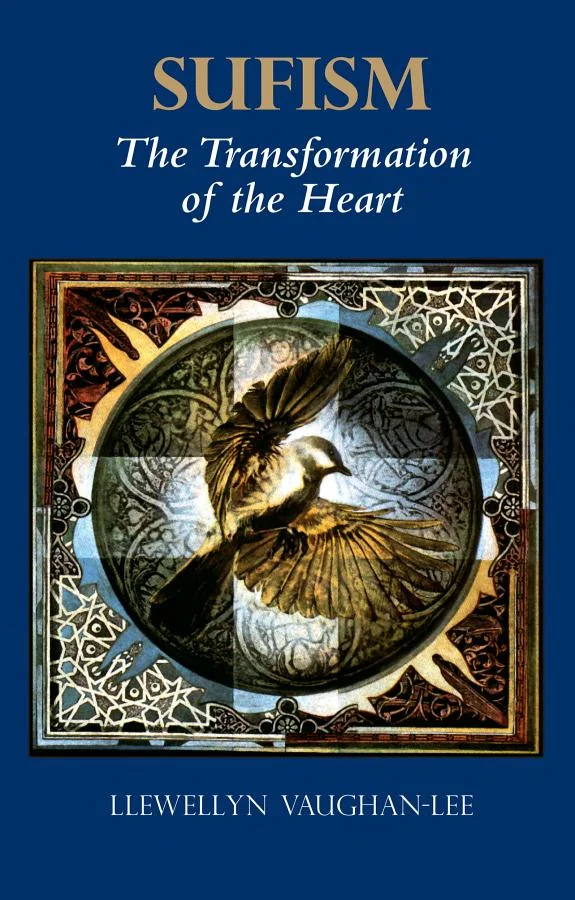
Sufism
 75
75

Sufism
Llewellyn Vaughan-Lee's "Sufism" offers a welcome clarity to a tradition often shrouded in mystery. Its strength lies in its directness, presenting Sufi principles without unnecessary academic jargon. The author navigates the core concepts, such as the central role of love and the practice of dhikr, with an accessible touch. However, the book's brevity, while a virtue for beginners, might leave those with prior knowledge wanting a deeper engagement with the nuances of specific Sufi orders or historical debates. The explanation of the stages of the spiritual journey, for instance, provides a useful overview but could benefit from more detailed exploration. For newcomers, it serves as a solid and encouraging entry point into the Sufi path.
📝 Description
75
Llewellyn Vaughan-Lee presents Sufism not as an exotic creed, but as a direct path to the divine.
This book introduces Sufism, the mystical dimension of Islam, as a spiritual discipline centered on love and inner transformation. It outlines the core principles of this tradition, focusing on purifying the heart and seeking union with God. The text clarifies that Sufism is a living practice, not just a philosophical system, demanding dedication from its practitioners.
The work is intended for anyone interested in contemplative spirituality, regardless of their background. It offers a structured yet accessible entry point to this spiritual path, especially for those curious about comparative mysticism or esoteric traditions within Abrahamic faiths. Readers seeking inner peace, self-knowledge, and a deeper connection to the sacred will find its guidance valuable.
The book traces Sufism's historical development from its origins in the Islamic world. It discusses key figures and movements that influenced its thought and practice, showing how the tradition has adapted across different cultures and times. This historical context helps readers understand Sufism's lasting presence.
Sufism represents the esoteric heart of Islam, a path focused on direct experience of the divine. Unlike legalistic or purely intellectual approaches, Sufism emphasizes the purification of the heart and the cultivation of love as the means to achieve spiritual realization. This tradition within Islam shares common ground with other mystical paths that seek inner transformation through practices like meditation, chanting, and devoted attention. The book connects these internal practices to the historical and conceptual framework of Sufism.
💡 Why Read This Book?
• Gain a foundational understanding of Sufism's core principles, including the concept of divine love as a transformative force, as outlined in the book's initial chapters. • Explore the historical development of Sufism, understanding its origins within Islam and its spread, providing context for its spiritual practices. • Learn about key Sufi practices and concepts such as dhikr and the stages of the spiritual journey, offering practical insights for personal contemplation.
⭐ Reader Reviews
Honest opinions from readers who have explored this book.
❓ Frequently Asked Questions
What is the primary focus of Sufism as described in Llewellyn Vaughan-Lee's book?
The book emphasizes that Sufism's primary focus is on inner transformation through the energy of love, aiming for a direct spiritual connection with the divine.
When was Llewellyn Vaughan-Lee's book 'Sufism' first published?
Llewellyn Vaughan-Lee's 'Sufism' was first published in June 1995.
Does the book cover the historical background of Sufism?
Yes, the work provides an outline of Sufism's historical background, tracing its development and evolution over time.
Are there practical guidelines for spiritual seekers in this book?
Yes, the book offers practical guidelines intended to assist individuals on their spiritual journey towards inner transformation.
Is Sufism presented as a separate religion in this book?
No, the book presents Sufism as the mystical dimension of Islam, a spiritual path rooted within that tradition.
What is the role of love in Sufism according to the book?
Love is presented as the central energy and primary tool for inner transformation within the Sufi spiritual path.
🔮 Key Themes & Symbolism
The Path of Love
This work underscores that the core of Sufism is the transformative power of love. It is not merely an emotion but an active, divine force that guides the seeker toward purification and union with the Beloved. The book illustrates how cultivating divine love within the heart is paramount, acting as the engine for spiritual progress and the dissolution of the ego's limitations. This emphasis on love distinguishes Sufism as a path of the heart, accessible through devotion and sincere yearning.
Inner Transformation
Central to the Sufi approach is the concept of profound inner transformation. The book details how the spiritual journey involves a deep process of self-purification, moving beyond the superficial aspects of the self to uncover the divine essence within. This transformation is achieved through dedicated practice, introspection, and the guidance of spiritual teachers, leading to a radical shift in consciousness and perception of reality.
Historical Roots and Modern Practice
Vaughan-Lee situates Sufism within its historical context, originating from Islamic traditions. The book explores its development and evolution, acknowledging key figures and movements that shaped its rich heritage. It also addresses the contemporary relevance of Sufism, particularly its recent development in the West, offering insights into how these ancient practices are being adapted and embraced by modern seekers looking for spiritual depth.
Practical Guidance for the Seeker
Beyond theoretical exploration, the book provides practical advice for those starting the Sufi path. It outlines principles and offers guidelines to aid the seeker's progress, focusing on the cultivation of spiritual qualities and the diligent practice of remembrance. The intention is to equip individuals with the foundational understanding and encouragement needed to engage with Sufism's profound spiritual disciplines.
💬 Memorable Quotes
Direct passages from the work, attributed to the author.
“Sufism is a spiritual path which uses the energy of love for inner transformation.”
— This statement captures the essence of the book's portrayal of Sufism, highlighting love not just as an emotion but as a dynamic force driving profound personal change and spiritual awakening.
“The work offers practical guidelines to help the seeker.”
— This indicates that the book is not purely theoretical but provides actionable advice and methods for individuals committed to exploring the Sufi way of life and spiritual development.
“It provides an outline of Sufism—its basic principles, historical background, and recent development in the West.”
— This suggests a comprehensive yet concise overview, suitable for those new to the subject, covering both the foundational teachings and its contemporary presence.
“Sufism is a mystical path.”
— This short phrase points to the esoteric and experiential nature of Sufism, emphasizing its focus on direct, intuitive knowledge of the divine rather than solely intellectual understanding.
“The approach is clear and accessible.”
— This highlights the book's intended audience and style, aiming to clarify Sufism for a broad range of readers, including beginners.
🌙 Esoteric Significance
Tradition
Sufism, as presented here, is the esoteric, mystical dimension of Islam. It fits within the broader lineage of contemplative and devotional paths found across world religions but is distinct in its specific practices and theological framework derived from the Quran and the Sunnah. It represents an inner dimension of Islamic practice, focusing on the direct experience of God rather than solely on external adherence to religious law.
Symbolism
While this particular work may not delve deeply into overt symbolism, the 'heart' (qalb) is a central motif in Sufism, representing the seat of divine knowledge and spiritual perception. The concept of 'light' (nur) is also pervasive, symbolizing divine presence and the illumination that leads the seeker toward God. The journey itself can be seen as a symbolic progression through various states of consciousness.
Modern Relevance
Contemporary thinkers and practitioners in fields like comparative mysticism, transpersonal psychology, and mindfulness often draw upon Sufi concepts. The emphasis on love, presence, and inner peace appeals to modern spiritual seekers looking for embodied practices. Schools and teachers influenced by Sufism continue to offer teachings on dhikr, meditation, and the cultivation of compassion, finding relevance in today's fast-paced world.
👥 Who Should Read This Book
• Individuals new to Sufism seeking a clear, foundational overview of its principles and practices. • Students of comparative religion interested in understanding the mystical dimensions of Islam. • Spiritual seekers exploring paths focused on love, devotion, and inner transformation, regardless of their religious background.
📜 Historical Context
Published in 1995, Llewellyn Vaughan-Lee's "Sufism" emerged during a period of increasing Western interest in Eastern and esoteric spiritual traditions. The late 20th century saw a surge in comparative religion studies and a growing audience for mystical paths outside mainstream Western religions. Sufism, with its emphasis on love and inner experience, presented an attractive alternative to more dogmatic or intellectual spiritual pursuits. While the work itself may not directly engage with academic debates, its publication offered an accessible entry point into a tradition that had historically been understood by many in the West through scholarly, sometimes Orientalist, lenses. Contemporaries like Idries Shah were also instrumental in popularizing Sufi thought in the West during this era, though Vaughan-Lee's approach is generally more devotional and practice-oriented.
📔 Journal Prompts
The role of love in inner transformation as explored in Sufism.
Reflection on the practical guidelines offered for the seeker's journey.
The historical development of Sufism and its Western emergence.
Understanding Sufism's basic principles beyond academic definitions.
The concept of the heart (qalb) as the seat of divine knowledge.
🗂️ Glossary
Sufism
The mystical, esoteric dimension of Islam, focused on inner purification and direct experience of God through love and devotion.
Inner Transformation
The profound process of spiritual and psychological change aimed at purifying the self and realizing one's divine potential.
Love (in Sufism)
Not merely an emotion, but a divine energy and the central force driving spiritual progress and union with the Beloved (God).
Dhikr
Remembrance of God, a core Sufi practice often involving chanting divine names or phrases, to cultivate presence and awareness.
Seeker
An individual actively pursuing spiritual knowledge and growth on a particular path, such as Sufism.
Principles
The fundamental tenets and core beliefs that form the foundation of Sufi teachings and practice.
Historical Background
The origins, evolution, and development of Sufism through different eras and geographical regions.
This book appears in 1 collection
🔮 Readers Also Liked
Browse all →
![L'évangile selon Thomas : [traduction et commentaire]](/img/thumb/lévangile-selon-thomas-traduction-et-commentaire-jacques-é-ménard-042100.webp)







From the “Jungian Psychology” Collection
View all →







More Free Sacred Texts & Gnosticism Books
View all →