Antichrist
 80
80

Antichrist
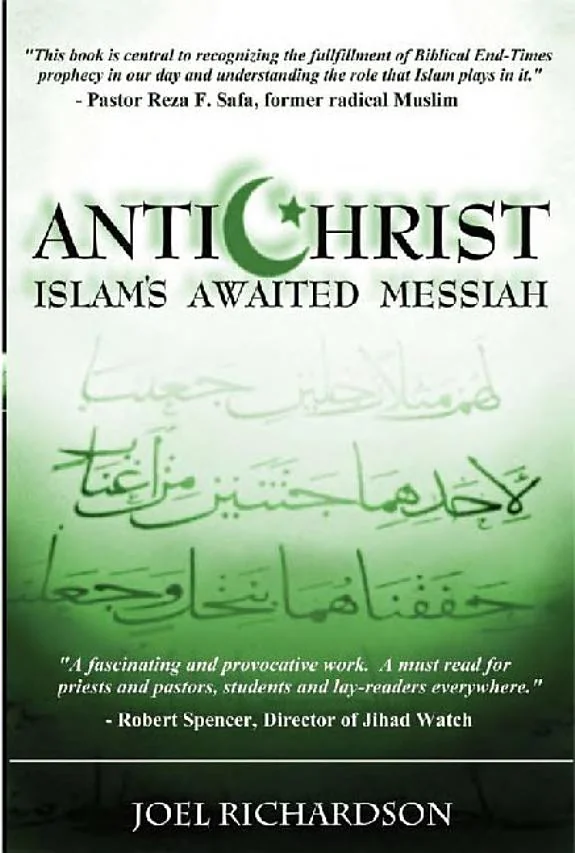
Joel Richardson's "Antichrist" is an ambitious undertaking, seeking to harmonize disparate prophetic traditions. Its strength lies in its meticulous, if sometimes selective, comparison of biblical and Islamic eschatological texts. The author's detailed exposition of passages, particularly his focus on the similarities between the Antichrist and the Imam al-Mahdi, is compelling for those predisposed to such interpretations. However, the work occasionally suffers from an over-reliance on speculative connections, sometimes forcing parallels that require significant exegetical leaps. A notable section meticulously details the apocalyptic warfare narratives, drawing parallels between texts that few scholars have historically linked. While the research is extensive, the book’s ultimate persuasiveness hinges on the reader’s acceptance of its foundational premise. "Antichrist" offers a provocative re-reading of prophecy, best approached with a critical and comparative mindset.
📝 Description
80
Joel Richardson's 2006 book, Antichrist, argues the biblical Antichrist is the Islamic Imam al-Mahdi.
Joel Richardson's Antichrist, first published in 2006, examines prophecies about end-times figures across Abrahamic faiths. The book's central thesis posits a direct correlation between the biblical Antichrist and the Islamic concept of the Imam al-Mahdi. Richardson supports this controversial claim through a comparative analysis of biblical texts and Islamic traditions. He methodically dissects scriptural passages and hadith literature to build his argument.
This work is intended for students of comparative religion, those interested in biblical prophecy, and readers seeking spiritual interpretations of global events. It will resonate with individuals interested in the convergence of Christian and Islamic eschatology, particularly those who feel traditional views are insufficient. Those with a background in theology or a spiritual approach to geopolitical analysis will find substantial material for thought.
This book engages with traditions of comparative eschatology, a field that seeks parallels and connections between the end-times beliefs of different religious systems. It specifically bridges Christian and Islamic prophetic narratives, a common area of interest for those exploring the intersection of seemingly disparate spiritual traditions. By examining messianic figures and final judgment scenarios, Richardson taps into a long-standing human preoccupation with ultimate destinies and the perceived signs of their arrival.
💡 Why Read This Book?
• Understand the specific parallels drawn between the biblical Antichrist and Islam's Imam al-Mahdi, a core argument presented in the book's comparative analysis of end-time prophecies. • Gain insight into how scriptural prophecies from Daniel and Revelation are interpreted by the author in light of Islamic eschatological expectations, offering a unique cross-cultural theological perspective. • Explore the author's methodology for identifying common prophetic themes and figures across different religious traditions, providing a framework for evaluating interfaith prophetic interpretations.
⭐ Reader Reviews
Honest opinions from readers who have explored this book.
❓ Frequently Asked Questions
What is the central thesis of Joel Richardson's "Antichrist" regarding Islamic and biblical prophecies?
The book's central thesis posits that the figure known as the Antichrist in Christian prophecy is the same entity as the Imam al-Mahdi, a messianic figure in Islamic eschatology. Richardson argues for a direct correlation based on comparative textual analysis.
What specific biblical books does "Antichrist" primarily reference for its arguments?
The book extensively references the Book of Daniel and the Book of Revelation for its analysis of Christian end-time prophecies. It uses these texts as a foundation for comparison with Islamic eschatological narratives.
Does "Antichrist" discuss the historical context of the prophecies it examines?
Yes, the work touches upon the historical context of both biblical and Islamic prophetic traditions. It aims to show how these prophecies might converge in a future eschatological event, considering their origins and development.
What is the significance of the Imam al-Mahdi in Islamic tradition, as presented in the book?
In the context of Richardson's work, the Imam al-Mahdi is presented as a divinely appointed leader expected to appear before the Day of Judgment in Islam. The book seeks to equate this figure with the biblical Antichrist based on shared characteristics and roles.
Who is the author, Joel Richardson, and what is his background?
Joel Richardson is an author and researcher known for his work on biblical prophecy and comparative eschatology. His initial publication of "Antichrist" in 2006 brought significant attention to his unique interpretations of end-time events and figures.
Is "Antichrist" considered a mainstream theological work?
No, "Antichrist" is generally considered a work of fringe or alternative eschatology. Its comparative approach and conclusions are not widely accepted within mainstream Christian or Islamic theological circles, though it has garnered a dedicated readership.
🔮 Key Themes & Symbolism
Comparative Eschatology
This theme explores the comparative study of end-time prophecies across different religious traditions, primarily focusing on Christian and Islamic eschatological narratives. The work meticulously analyzes texts such as the Book of Daniel and the Book of Revelation alongside Islamic hadith concerning the Imam al-Mahdi. It highlights perceived similarities in the roles, characteristics, and ultimate impact of these prophesied figures, suggesting a potential convergence of prophetic fulfillments in a singular future event. The aim is to bridge seemingly disparate theological viewpoints through textual comparison.
The Antichrist Identity
The core of this theme revolves around identifying the figure of the Antichrist. Richardson argues against traditional Western interpretations, proposing instead that the entity prophesied in Christian scripture aligns with the Islamic concept of the Imam al-Mahdi. This section dissects prophetic markers and actions attributed to both figures, seeking to demonstrate their shared identity. It examines the potential for a global political and spiritual leader who will deceive many, drawing parallels between biblical descriptions and Islamic expectations of a pre-eschatological messianic figure.
Prophetic Convergence
This theme addresses the possibility that prophecies from distinct religious traditions are pointing towards the same future events and figures. Richardson's work emphasizes the surprising overlaps found between biblical end-time prophecies and Islamic eschatological traditions. It suggests that by understanding these convergences, one can gain a more comprehensive perspective on the unfolding of prophetic timelines and the spiritual dynamics shaping current global affairs. The book posits that a unified understanding of these prophecies is key to deciphering contemporary events.
Spiritual Factors in Current Events
Richardson connects his analysis of biblical and Islamic prophecies to contemporary geopolitical and social phenomena. This theme explores how understanding ancient prophecies can illuminate the underlying spiritual forces driving modern conflicts and societal changes. The book suggests that the rise of certain figures or movements can be interpreted through the lens of eschatological predictions. It encourages readers to view global events not merely as secular occurrences but as part of a larger, divinely ordained prophetic unfolding.
💬 Memorable Quotes
Direct passages from the work, attributed to the author.
“The figure described in the Bible as the Antichrist shares striking parallels with the Imam al-Mahdi foretold in Islamic tradition.”
— This statement captures the book's central, controversial argument. It suggests that rather than separate entities, these figures represent the same eschatological power, urging readers to re-examine their understanding of end-times prophecy.
“Examining Islamic texts alongside biblical prophecies reveals common themes regarding a final deception and a powerful, charismatic world leader.”
— This highlights the author's methodology: cross-referencing scriptures from different faiths to find shared prophetic narratives. It points to a belief in a universal prophetic language that transcends specific religious boundaries.
“The rise of globalism and advanced communication technologies provides a fertile ground for the fulfillment of prophecies concerning a world-encompassing power.”
— This interpretation connects ancient prophetic texts to modern technological and geopolitical realities. It argues that contemporary societal structures are uniquely positioned to facilitate the rise of the prophesied final antagonist.
“Understanding the Mahdi prophecy is crucial for Christians seeking to grasp the full scope of end-time biblical predictions.”
— This emphasizes the interconnectedness of seemingly distinct religious prophecies. It suggests that neglecting or misunderstanding Islamic eschatology limits one's comprehension of Christian end-time scenarios.
💡 Key Ideas
Editorial paraphrase of the work's core concepts — not direct quotes.
Prophetic texts are not merely historical records but active blueprints for future events, demanding careful study.
This quote underscores the author's view of prophecy as predictive rather than purely symbolic or allegorical. It calls for a diligent and literal interpretation to discern future implications for the present.
🌙 Esoteric Significance
Tradition
While not strictly adhering to a single esoteric lineage like Hermeticism or Gnosticism, "Antichrist" engages with apocalyptic traditions found within Abrahamic faiths. It draws parallels with Gnostic ideas of a cosmic deceiver but grounds its analysis primarily in literal interpretations of biblical and Islamic scriptures. Its approach can be seen as a form of comparative esoteric theology, seeking hidden meanings and unified truths across diverse religious narratives, albeit through a lens focused on future events rather than immediate inner transformation.
Symbolism
The work frequently references symbolic figures like the "beast" from Revelation, interpreting it not just as a political entity but as a spiritual force. The concept of "deception" itself functions as a potent symbol, representing the seductive power of false messiahs or ideologies. The number 666 is also explored, with attempts to link it to numerical significations within Islamic traditions or historical figures, moving beyond purely Christian interpretations to find broader symbolic resonance.
Modern Relevance
Contemporary thinkers interested in geopolitical eschatology and comparative religious studies often engage with Richardson's work. It remains a reference point for those exploring potential connections between Islamic messianism and Christian prophecy. Certain independent researchers and online communities focused on end-times analysis continue to cite "Antichrist" as foundational to their understanding of current events and future predictions, particularly within circles that prioritize literal interpretations of scripture.
👥 Who Should Read This Book
• Students of comparative religion and biblical prophecy seeking to understand unconventional interpretations of end-time figures. • Researchers interested in the intersection of Christian eschatology and Islamic traditions, particularly concerning messianic expectations. • Individuals analyzing current geopolitical events through a spiritual or prophetic lens, looking for frameworks that connect global trends to ancient predictions.
📜 Historical Context
Published in 2006, Joel Richardson's "Antichrist" emerged during a period of heightened global anxiety and increased popular interest in biblical prophecy, particularly following events like 9/11 and the subsequent "War on Terror." The intellectual climate was marked by ongoing interfaith dialogue, but also significant theological divides. Richardson's work positioned itself against prevailing Christian eschatological interpretations that often viewed Islamic figures and traditions with suspicion or as entirely separate from biblical end-time scenarios. Key contemporaries in prophecy circles, such as Hal Lindsey, had previously focused on different interpretations. However, Richardson's specific approach of directly equating the biblical Antichrist with the Islamic Imam al-Mahdi was a departure, sparking considerable debate. While not subject to widespread censorship, its conclusions were met with significant theological criticism from scholars across both Christian and Islamic traditions, who often cited concerns about historical inaccuracies and forced textual parallels.
📔 Journal Prompts
The convergence of biblical Antichrist and Imam al-Mahdi prophecies: what scriptural evidence supports this identification?
Analyze the symbolic meaning of "deception" as presented in relation to the Antichrist figure.
How do the specific end-time narratives of Daniel compare to those found in Islamic hadith?
Reflect on the author's claim regarding the spiritual factors behind current global events.
Consider the potential implications of prophetic convergence for interfaith understanding.
🗂️ Glossary
Imam al-Mahdi
In Islamic eschatology, a divinely guided leader prophesied to appear before the Day of Judgment. He is expected to unite Muslims, restore justice, and defeat evil, ushering in an era of peace.
Eschatology
The branch of theology concerned with the final events of history, or the ultimate destiny of humanity and the world. It encompasses beliefs about the end times, judgment, and the afterlife.
Book of Daniel
A book in the Hebrew Bible and Old Testament containing prophecies, visions, and narratives concerning the Babylonian exile and future kingdoms, often interpreted eschatologically.
Book of Revelation
The final book of the New Testament, filled with apocalyptic visions and symbolism, primarily concerning the ultimate triumph of good over evil and the establishment of God's kingdom.
Hadith
Collections of traditions containing sayings and actions attributed to the Islamic prophet Muhammad, used as a major source of guidance and law in Islam, including eschatological narratives.
Apocalyptic Literature
A genre of literature that deals with the revelation of hidden knowledge, often concerning the end of the world, divine judgment, and the establishment of a new cosmic order.
Messianic Figure
A religious or mythological figure believed to be a savior or liberator, destined to play a central role in the end times or the establishment of a new era of peace and righteousness.
This book appears in 1 collection
🔮 Readers Also Liked
Browse all →









From the “Prophecy” Collection
View all →




More Free Sacred Texts & Gnosticism Books
View all →