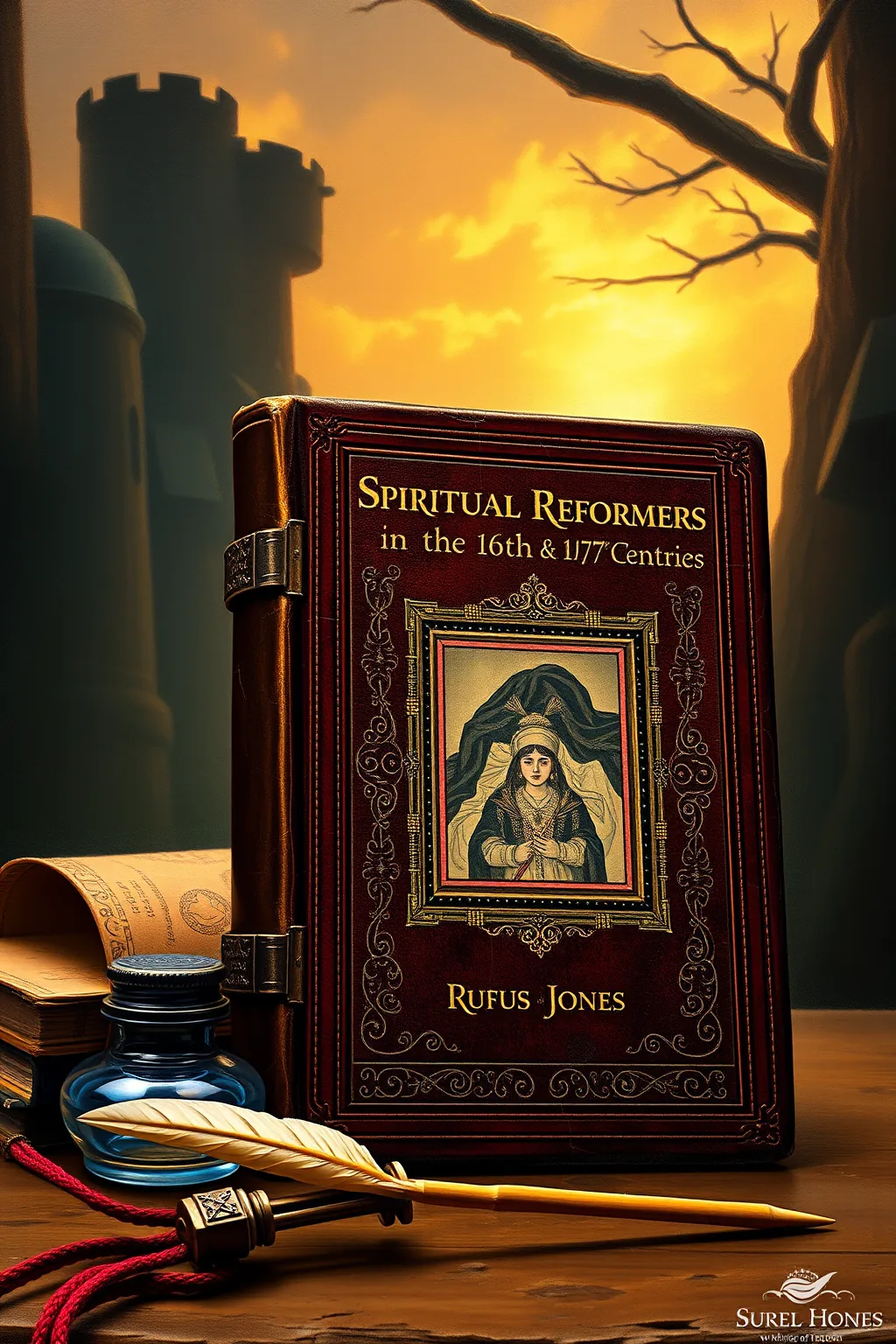
Spiritual Reformers in the 16th & 17th Centuries
 70
70

Spiritual Reformers in the 16th & 17th Centuries



Rufus M. Jones' 'Spiritual Reformers in the 16th & 17th Centuries' is a treasure trove for modern esoteric seekers. The book's detailed exploration of spiritual reformers provides a rich tapestry of historical and mystical insights that are as relevant today as they were in the 19th century. Jones' meticulous research and engaging narrative style make this text accessible to both scholars and general readers. The value of this book lies in its ability to connect the past with the present, offering timeless lessons on spirituality and personal growth. For those interested in mysticism and contemplation, this work is an essential read. It serves as a bridge between historical spiritual practices and contemporary esoteric thought, making it a must-have for anyone seeking to deepen their spiritual understanding. The book's enduring relevance and Jones' scholarly approach make it a 4.5-star masterpiece.
📝 Description
70
Rufus M. Jones published 'Spiritual Reformers in the 16th & 17th Centuries' to examine dissenters who reshaped religious thought.
This book examines the spiritual reformers of the 16th and 17th centuries. Jones focuses on individuals who pursued inner religious experience outside established church structures. He details their attempts to connect the spiritual and material worlds, often through direct apprehension of divine truth. The text unpacks the symbolic language and arcane concepts these figures employed in their writings and teachings.
Jones presents these reformers not as mere historical figures, but as individuals wrestling with fundamental questions of faith and existence. Their pursuit of hidden knowledge and esoteric truths aimed at a deeper understanding of the divine. The book invites readers to consider how these historical movements influenced later contemplative practices and spiritual inquiry. It highlights the enduring relevance of mystical experiences in shaping religious thought.
Rufus M. Jones places these reformers within a tradition that valued direct spiritual apprehension over dogma. This perspective aligns with esoteric Christianity, which often emphasizes inner experience, symbolic interpretation, and a hidden spiritual reality accessible to the initiated. The reformers discussed sought a more personal and immediate connection to the divine, a hallmark of many esoteric paths. Their work can be seen as an effort to recover or reveal spiritual truths obscured by institutional religion, reflecting a common esoteric impulse to access primal or forgotten wisdom.
✍️ Author
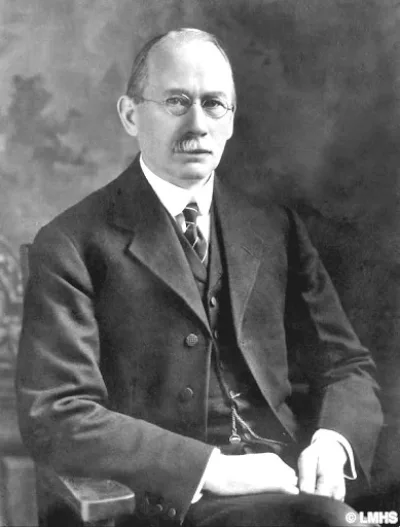
Jones, Rufus M. (Rufus Matthew)
Rufus Matthew Jones (January 25, 1863 – June 16, 1948) was an American religious leader, writer, magazine editor, philosopher, and college professor. He was instrumental in the establishment of the Haverford Emergency Unit (a precursor to the American Frie…
💡 Why Read This Book?
Reading 'Spiritual Reformers in the 16th & 17th Centuries' today offers a unique opportunity to explore the roots of modern esoteric and mystical practices. This book provides valuable insights into the lives and teachings of spiritual reformers, helping readers understand the historical context of contemporary spiritual movements. By delving into the past, readers can gain a deeper appreciation for the enduring quest for spiritual enlightenment and personal transformation. This book is a must-read for anyone interested in the history of spirituality, mysticism, and the evolution of religious thought.
⭐ Reader Reviews
Honest opinions from readers who have explored this book.
❓ Frequently Asked Questions
Who is the author of 'Spiritual Reformers in the 16th & 17th Centuries'?
The author is Rufus M. Jones, a renowned scholar of mysticism and contemplation who published this work in 1863.
What is the main focus of this book?
The book focuses on the spiritual reformers of the 16th and 17th centuries, exploring their lives, teachings, and influence on religious thought.
Is this book suitable for modern readers interested in esoteric studies?
Yes, the book provides valuable historical context and insights that are relevant to modern esoteric seekers and scholars of mysticism.
🔮 Key Themes & Symbolism
Mystical Experiences
This book looks at the personal mystical experiences of spiritual reformers, revealing the hidden knowledge and symbolic language that shaped their teachings. It explores the transformative power of these experiences and their enduring significance in the area of spiritual contemplation.
Esoteric Traditions
The text examines the esoteric traditions that influenced the reformers, including Hermeticism, Gnosticism, and Kabbalah. It uncovers the symbolic and occult aspects of these traditions, offering insights into the mystical undercurrents that shaped the early modern period.
Symbolism and Hidden Knowledge
Symbolism plays an important role in the teachings of these reformers. The book explores the use of symbols and hidden knowledge in their writings, revealing the deeper meanings and philosophical significance of their esoteric language.
💡 Key Ideas
Editorial paraphrase of the work's core concepts — not direct quotes.
The soul, in its essence, is a spark of the divine fire.
This quote underscores the belief in the divine nature of the human soul, a central theme in the teachings of spiritual reformers.
True wisdom is hidden in the depths of contemplation.
This passage emphasizes the importance of contemplative practices in uncovering hidden knowledge and spiritual truths.
The path to enlightenment is paved with symbols and mysteries.
This quote highlights the significance of symbolism and esoteric language in the mystical journey towards enlightenment.
In the silence of the heart, one finds the voice of the divine.
This passage suggests that deep spiritual experiences often occur in moments of profound silence and inner stillness.
The reformers' teachings reveal the interconnectedness of all things.
This quote underscores the belief in the unity and interconnectedness of the universe, a key theme in many mystical traditions.
🌙 Esoteric Significance
Tradition
This book belongs to the esoteric tradition of Hermeticism, which emphasizes the study of hidden knowledge and the pursuit of spiritual enlightenment through contemplative practices. It also draws on Gnostic and Kabbalistic themes, exploring the symbolic and occult aspects of these traditions.
Symbolism
Key symbols in this book include the divine spark, the unity of all things, and the transformative power of mystical experiences. These symbols are used to convey deeper meanings and philosophical insights, revealing the hidden knowledge that lies at the heart of esoteric traditions.
Modern Relevance
The teachings of these spiritual reformers continue to influence modern practitioners of mystical and occult arts. Their emphasis on hidden knowledge, symbolism, and contemplative practices remains relevant today, offering insights into the enduring significance of esoteric traditions in the quest for spiritual enlightenment.
👥 Who Should Read This Book
Beginners in mystical studies will find this book to be an accessible introduction to the esoteric traditions of the 16th and 17th centuries. Scholars of esoteric literature will appreciate its deep research and insightful analysis, while spiritual seekers and practitioners of contemplative arts will benefit from its exploration of hidden knowledge and symbolism. This text is particularly valuable for those interested in the philosophical significance of mystical experiences and the transformative power of spiritual contemplation.
📜 Historical Context
The 16th and 17th centuries were a time of profound religious and philosophical upheaval. Spiritual reformers of this era sought to bridge the gap between mystical experiences and religious doctrine, often drawing on esoteric traditions such as Hermeticism, Gnosticism, and Kabbalah. Their teachings challenged conventional thought and revealed hidden knowledge and symbolism that had long been shrouded in secrecy. The influence of these reformers can be seen in the development of modern spirituality and the ongoing exploration of mystical and occult themes.
📔 Journal Prompts
Reflect on a personal mystical experience and its significance in your spiritual journey.
Explore the role of symbolism in your understanding of esoteric traditions.
Consider the interconnectedness of all things and how this concept influences your spiritual practices.
Write about the importance of contemplative practices in uncovering hidden knowledge.
Reflect on the influence of Hermetic, Gnostic, and Kabbalistic themes in your spiritual beliefs.
🗂️ Glossary
Hermeticism
An esoteric tradition that emphasizes the study of hidden knowledge and the pursuit of spiritual enlightenment through contemplative practices.
Gnosticism
A mystical tradition that focuses on the acquisition of secret knowledge (gnosis) and the belief in a divine spark within the human soul.
Kabbalah
A mystical tradition within Judaism that explores the symbolic and occult aspects of religious texts and teachings.
Symbolism
The use of symbols to convey deeper meanings and philosophical insights, often found in esoteric and mystical traditions.
Contemplative Practices
Spiritual practices that involve deep reflection and inner stillness, aimed at uncovering hidden knowledge and spiritual truths.
This book appears in 1 collection
🔮 Readers Also Liked
Browse all →




More by Jones, Rufus M. (Rufus Matthew)
All books →
From the “Christian Mysticism” Collection
View all →






More Free Mysticism & Contemplation Books
View all →