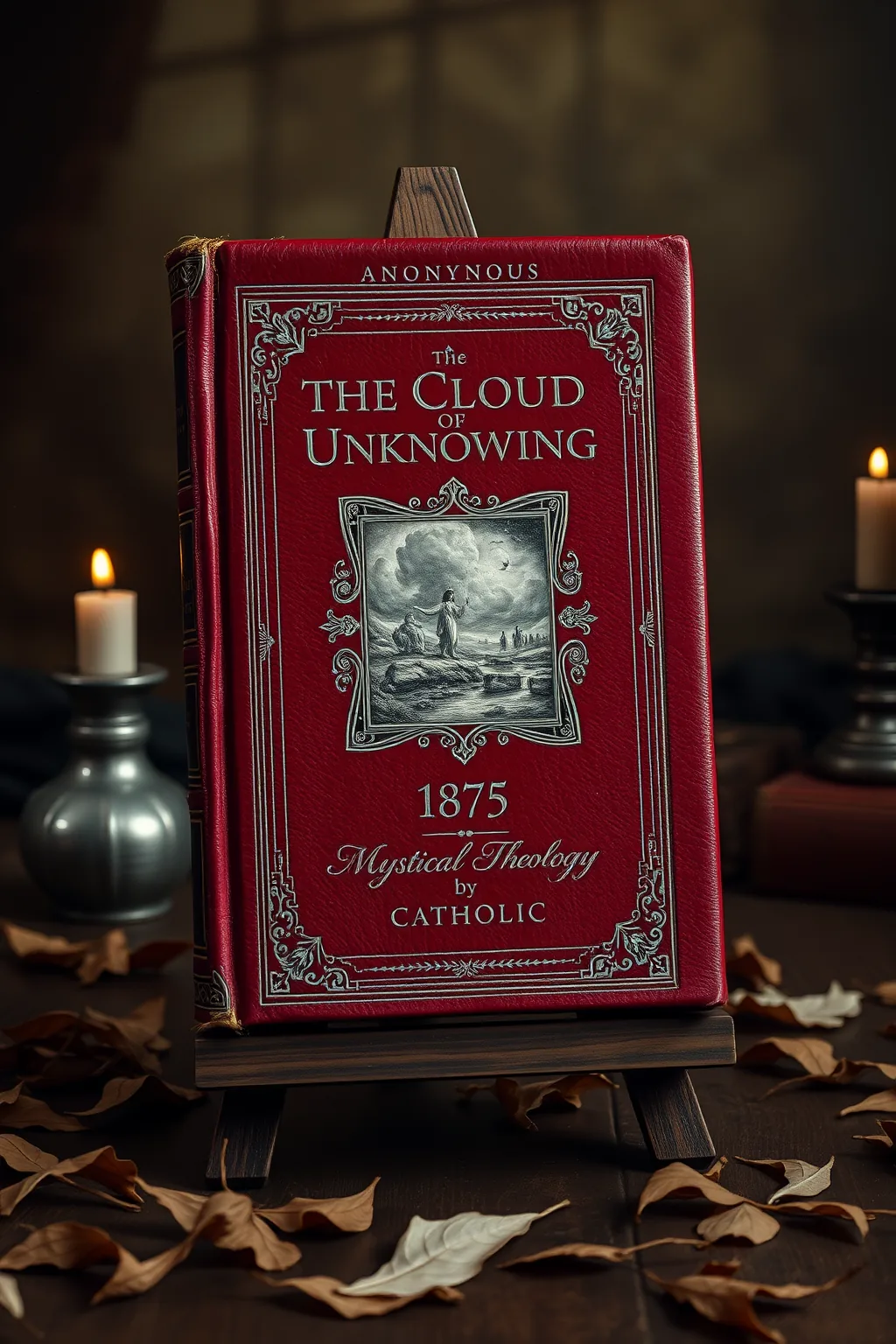
Anonynous The Cloud Of Unknowing 1375 Mystical Theology Catholic
 95
95

Anonynous The Cloud Of Unknowing 1375 Mystical Theology Catholic



The Cloud of Unknowing is a timeless masterpiece that continues to resonate with modern esoteric seekers. Its profound exploration of mystical theology provides a unique perspective on the divine, one that emphasizes personal experience over intellectual understanding. The author's use of vivid metaphors, such as the "cloud of unknowing," makes the text accessible and engaging, even for readers unfamiliar with medieval spirituality. The instructions on contemplative prayer and meditation are particularly valuable, offering practical guidance for those seeking to deepen their spiritual practices. The book's emphasis on love and surrender as pathways to the divine is both inspiring and challenging, encouraging readers to approach their spiritual journey with humility and openness. Despite its age, The Cloud of Unknowing remains a relevant and enlightening read for anyone interested in the mysteries of the divine. It is a must-read for those exploring the esoteric traditions of Christianity and for contemporary spiritual seekers looking to enrich their contemplative practices.
📝 Description
95
Written around 1375, The Cloud of Unknowing guides readers toward divine union through contemplative prayer.
This anonymous 14th-century text is a manual for Christian contemplative prayer. The author, an English mystic, directs the reader to bypass intellectual understanding and instead rest in a "cloud of unknowing." This state, characterized by a humble surrender of the mind, is presented as the direct path to God. The book details how to cultivate this disposition, emphasizing a simple, loving gaze towards the divine above all conceptual thought. It asserts that God's essence is beyond human language and reason, accessible only through a non-discursive, affective encounter. The work's focus is on the practice of prayer itself, aiming for a direct experience of God's presence rather than theological speculation.
The author addresses a "worthy servant" of God, suggesting a recipient already committed to spiritual discipline. The text is not a theoretical treatise but a practical instruction manual. It acknowledges the difficulties beginners face, such as distractions and temptations, and offers encouragement. The core message is that God desires our love and attention, and this simple, unadorned turning of the will towards God is sufficient for mystical union. The work stresses that this path is open to anyone, regardless of their learning or social standing.
The Cloud of Unknowing belongs to the tradition of Christian mysticism, particularly the 'Apophatic' or 'negative' way. This approach emphasizes what God is not, rather than what God is, to avoid limiting the divine through human concepts. It shares common ground with the Rhineland mystics like Meister Eckhart, though its practical, non-intellectual focus distinguishes it. The book also resonates with later contemplative traditions within Christianity, advocating for direct experience over mediated understanding. Its emphasis on a 'naked' will and a simple love for God aligns with a desire for unmediated encounter with the divine.
💡 Why Read This Book?
Reading The Cloud of Unknowing today offers a unique opportunity to connect with the mystical traditions of the past. This book provides timeless wisdom on contemplative prayer and meditation, helping readers deepen their spiritual practices. It encourages a personal, direct experience of the divine, making it a valuable resource for modern esoteric seekers. The text's emphasis on love and surrender as pathways to the divine offers a refreshing perspective in today's often intellectually-driven spiritual landscape.
⭐ Reader Reviews
Honest opinions from readers who have explored this book.
❓ Frequently Asked Questions
Who wrote The Cloud of Unknowing?
The author of The Cloud of Unknowing is unknown, hence the title "Anonymous." The book is often attributed to a late 14th-century English mystic.
What is the significance of the "cloud of unknowing"?
The "cloud of unknowing" is a metaphor for the divine mystery that can only be experienced through love and surrender, rather than intellectual understanding.
Is this book suitable for non-Catholic readers?
Yes, The Cloud of Unknowing offers timeless wisdom that transcends religious boundaries, making it a relevant and enriching read for anyone on a spiritual journey.
🔮 Key Themes & Symbolism
Divine Union
The Cloud of Unknowing explores the mystical journey towards divine union, emphasizing the ineffable nature of God that can only be approached through a state of humble surrender and contemplative prayer. This theme invites readers to transcend the limitations of the rational mind and enter a area of pure spiritual experience.
The Cloud of Unknowing
The central symbol of the book, the 'cloud of unknowing,' represents a state of mystical contemplation where the rational mind is silenced, and the soul is free to commune with the divine. This theme underscores the importance of humility and surrender in the spiritual journey.
Esoteric Symbolism
The text is rich with esoteric symbolism and hidden knowledge, offering a path to deeper spiritual enlightenment. This theme highlights the book's significance as a guide to the mystical traditions of Christianity and its relevance to modern seekers of hidden truths.
💬 Memorable Quotes
Direct passages from the work, attributed to the author.
“This darkness is as it were a cloud of unknowing.”
— The 'cloud of unknowing' is a central symbol representing the state of mystical contemplation where the rational mind is silenced.
“But in this darkness, as it were a cloud of unknowing, thou shalt feel a hidden sweetness.”
— The 'hidden sweetness' refers to the pure essence of spiritual experience that can be attained through contemplative prayer.
💡 Key Ideas
Editorial paraphrase of the work's core concepts — not direct quotes.
For if thou wouldest see and understand what this darkness is, thou canst not.
This quote underscores the ineffable nature of God, which can only be approached through a state of humble surrender and mystical contemplation.
The higher the cloud is above thee, the more it is darkened to thee.
This passage highlights the mystical journey towards divine union, emphasizing the importance of humility and surrender.
This darkness is as it were a cloud of unknowing.
This quote emphasizes the esoteric symbolism and hidden knowledge that guide readers through the labyrinth of the human psyche.
🌙 Esoteric Significance
Tradition
The Cloud of Unknowing belongs to the Christian mystical tradition, which emphasizes the ineffable nature of God and the importance of contemplative prayer. This tradition is rooted in the esoteric symbolism and hidden knowledge that guide seekers through the labyrinth of the human psyche to the pure essence of spiritual experience.
Symbolism
Key symbols include the 'cloud of unknowing,' which represents a state of mystical contemplation where the rational mind is silenced, and the soul is free to commune with the divine. Other symbols include the 'hidden sweetness' and the 'higher cloud,' which underscore the mystical journey towards divine union and the importance of humility and surrender.
Modern Relevance
This work remains relevant today for modern practitioners of contemplative spirituality and seekers of hidden knowledge. Its emphasis on the ineffable nature of God and the use of esoteric symbolism make it an invaluable resource for those interested in the mystical traditions of Christianity and their modern applications.
👥 Who Should Read This Book
Beginners interested in mystical theology will find this book an accessible introduction to the esoteric traditions of Christianity. Scholars of mystical literature will appreciate its historical significance and influence. Spiritual seekers will benefit from its clear insights into the nature of divine union and the ineffable nature of God. Practitioners of contemplative spirituality will find it a valuable guide to the mystical journey and the importance of humble surrender.
📜 Historical Context
Written around 1375 in England, The Cloud of Unknowing reflects the mystical traditions of the late medieval period. During this time, Christian spirituality was deeply influenced by the works of mystics and contemplatives who sought to transcend the rational mind and enter a area of pure spiritual experience. The book's emphasis on the ineffable nature of God and the use of esoteric symbolism made it a significant contribution to the mystical theology of the era. Its influence can be seen in the works of later mystics and contemplatives, making it an enduring classic in the area of Christian spirituality.
📔 Journal Prompts
Reflect on the concept of the 'cloud of unknowing' and how it applies to your spiritual journey.
How does the idea of the ineffable nature of God influence your understanding of divine union?
Consider the esoteric symbolism in the book and its significance in your spiritual practice.
How does the book's emphasis on humility and surrender resonate with your personal spiritual experiences?
What insights from The Cloud of Unknowing can you apply to your daily contemplative practice?
🗂️ Glossary
Cloud of Unknowing
A state of mystical contemplation where the rational mind is silenced, and the soul is free to commune with the divine.
Divine Union
The mystical journey towards union with the divine, emphasizing the ineffable nature of God.
Esoteric Symbolism
Hidden knowledge and symbols used to guide seekers through the labyrinth of the human psyche to the pure essence of spiritual experience.
Contemplative Prayer
A form of prayer that involves deep meditation and spiritual introspection, aimed at achieving divine union.
Ineffable Nature of God
The aspect of God that is beyond human comprehension and can only be approached through mystical contemplation.
This book appears in 1 collection
🔮 Readers Also Liked
Browse all →






From the “Christian Mysticism” Collection
View all →








More Free Mysticism & Contemplation Books
View all →