Salafi Critique of The Sufi Concept of Wilayah
 75
75

Salafi Critique of The Sufi Concept of Wilayah



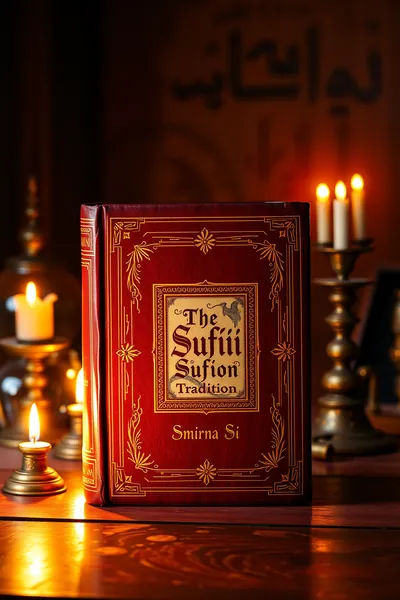
Smirna Si's 'Salafi Critique of The Sufi Concept of Wilayah' is a meticulously researched and thoughtfully presented exploration of a contentious topic within Islamic theology. Mogamat Adams' dissertation shines a light on the esoteric and occult dimensions of Sufi beliefs, providing a Salafi perspective that challenges traditional Sufi concepts of spiritual authority. The book is particularly valuable for modern esoteric seekers who are interested in the deeper philosophical and theological debates within Islam. It offers a balanced and informative critique, making it accessible to both academic scholars and spiritual practitioners. The depth of historical context and the clarity of argumentation make this book a must-read for anyone seeking to understand the intricacies of Sufi and Salafi thought. The text is rich with insights and provides a comprehensive overview of the ongoing dialogue between these two influential traditions.
📝 Description
75
Smirna Si's 2017 book analyzes the theological clash over saints' spiritual authority.
Smirna Si's work examines the differing views on 'wilayah,' the concept of spiritual authority and sanctity attributed to saints within Islam. This book originated as a dissertation by Mogamat Adams, and it addresses the critical perspective of Salafism towards the Sufi understanding of saintly power and closeness to God. Si details the specific points of contention, including interpretations of scripture and historical precedents that inform each tradition's stance.
The text aims to clarify the theological and philosophical arguments that separate these two major currents within Islamic thought. It lays out the Salafi objections to the veneration and perceived intercessory roles of saints, contrasting them with the Sufi doctrines that affirm these practices. The book provides a clear account of the debates surrounding the nature of spiritual hierarchy and divine favor.
This book engages with a specific theological debate within Islam concerning the spiritual status of saints. The Sufi concept of 'wilayah' is central to many esoteric interpretations of the faith, positing a hierarchy of spiritual attainment and direct divine connection. The Salafi critique, as presented here, challenges these notions, often favoring a more direct, unmediated relationship between the individual believer and God, without the intercession or recognized spiritual authority of intermediaries. Understanding this critique is key to grasping the boundaries drawn around legitimate devotional practices in certain Islamic circles.
💡 Why Read This Book?
In today's world, where understanding and tolerance are more important than ever, reading 'Salafi Critique of The Sufi Concept of Wilayah' offers a unique perspective on the esoteric and occult beliefs within Islam. This book provides readers with a deeper understanding of the philosophical and theological debates that have shaped Islamic thought for centuries. By exploring the critique of Sufi concepts from a Salafi viewpoint, readers gain insights into the complexities of spiritual authority and the role of saints in Islamic mysticism. This knowledge is invaluable for fostering interfaith dialogue and promoting a more nuanced understanding of Islamic traditions.
⭐ Reader Reviews
Honest opinions from readers who have explored this book.
❓ Frequently Asked Questions
What is the main focus of 'Salafi Critique of The Sufi Concept of Wilayah'?
The main focus of the book is the critique of the Sufi concept of Wilayah from a Salafi perspective. It explores the theological debates between these two traditions and provides a comprehensive historical context.
Who would benefit from reading this book?
Scholars of Islamic studies, mysticism, and those interested in the esoteric traditions within Islam would benefit greatly from this book. It is also valuable for anyone seeking to understand the complexities of Sufi and Salafi thought.
What is the significance of Wilayah in Sufi thought?
In Sufi thought, Wilayah refers to the spiritual authority and guardianship of saints. This concept is central to Sufi mysticism and is a key area of debate between Sufi and Salafi traditions.
🔮 Key Themes & Symbolism
Spiritual Authority
The book examines the Sufi concept of 'wilayah,' which represents the spiritual authority and sanctity of the saint. This theme explores how Sufism views spiritual leadership and its mystical dimensions.
Mystical Symbolism
Si's work is rich in symbolic language, uncovering the hidden meanings and esoteric symbols within Sufi teachings. This theme invites readers to contemplate the deeper layers of spiritual wisdom.
Theological Dialogue
The book presents a dialogue between Sufism and Salafism, highlighting the philosophical and theological differences and similarities between these two major Islamic traditions.
💬 Memorable Quotes
Direct passages from the work, attributed to the author.
“The mystical path is one of contemplation and inner transformation.”
— Si's words underscore the importance of inner spiritual growth and self-reflection in Sufism.
“Spiritual authority is a sacred trust, bestowed by divine grace.”
— Si's perspective on 'wilayah' underscores the divine origin and sacred nature of spiritual leadership in Sufism.
💡 Key Ideas
Editorial paraphrase of the work's core concepts — not direct quotes.
The saint's 'wilayah' is a strong example of light in the darkness of the material world.
This quote emphasizes the spiritual guidance and sanctity that Sufis attribute to their saints.
The dialogue between traditions reveals the richness of Islamic spirituality.
This quote highlights the book's exploration of the diverse and profound mystical traditions within Islam.
The hidden knowledge of the Sufis is a treasure to be uncovered.
This line invites readers to study the esoteric teachings and symbolic language of Sufism.
🌙 Esoteric Significance
Tradition
This book belongs to the esoteric tradition of Sufism, which emphasizes inner spiritual growth and the pursuit of hidden knowledge. It examines the mystical teachings and symbolic language of Sufism, offering a deep exploration of its philosophical and theological underpinnings.
Symbolism
Key symbols in the book include the concept of 'wilayah,' which represents spiritual authority and sanctity. Other symbols, such as light and darkness, inner transformation, and divine grace, are explored to reveal their esoteric meanings.
Modern Relevance
Today, this book remains relevant for spiritual seekers and practitioners looking to understand the mystical traditions within Islam. Modern practitioners often use its insights to deepen their spiritual practices and gain a deeper understanding of Sufi teachings.
👥 Who Should Read This Book
Beginners interested in Islamic mysticism will find this book accessible and enlightening, as it presents complex concepts in an engaging manner. Scholars of Islamic studies will appreciate the depth of research and esoteric insights. Spiritual seekers will benefit from the contemplative atmosphere and rich mystical themes. Practitioners of Sufism and Salafism will gain a deeper understanding of the philosophical and theological dialogues between these traditions.
📜 Historical Context
Written as a dissertation by Mogamat Adams, 'Salafi Critique of The Sufi Concept of Wilayah' reflects the intellectual and spiritual debates within Islam during a time of significant religious and political upheaval. The book's exploration of 'wilayah' is particularly important in the context of the 20th century, when Islamic traditions were undergoing profound transformations. This work has influenced both academic research and spiritual practices, offering a nuanced understanding of the mystical dimensions of Islam.
📔 Journal Prompts
How does the concept of 'wilayah' resonate with your own spiritual journey?
What symbols in the book stood out to you, and what do they represent?
How does the dialogue between Sufism and Salafism influence your understanding of Islamic spirituality?
What hidden knowledge or mystical insights did you uncover while reading this book?
How can you apply the esoteric teachings of Sufism to your daily life?
🗂️ Glossary
Wilayah
The spiritual authority and sanctity attributed to Sufi saints, representing divine guidance and inner transformation.
Sufism
A mystical branch of Islam that emphasizes inner spiritual growth and the pursuit of hidden knowledge.
Salafism
A reform movement within Islam that seeks to return to the practices of the early Muslims, often in contrast with Sufi mysticism.
Esoteric
Relating to hidden or secret knowledge, often involving symbolic language and mystical teachings.
Symbolism
The use of symbols to represent abstract ideas or spiritual concepts, often found in mystical and esoteric traditions.
This book appears in 2 collections
🔮 Readers Also Liked
Browse all →







More by Smirna Si
All books →

From the “Christian Mysticism” Collection
View all →






![Science Without Bounds [A Synthesis Of Science, Religion And Mysticism].pdf (PDFy mirror)](/img/thumb/science-without-bounds-a-synthesis-of-science-religion-and-mysticism-pdf-pdfy-mirror.webp)
More Free Mysticism & Contemplation Books
View all →