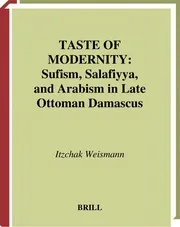
Primeval Essence Of Theatrical Art

 76
76

Primeval Essence Of Theatrical Art



Primeval Essence Of Theatrical Art is a compelling read for modern esoteric seekers. The Tempest's shamanistic approach to theatrical art offers a unique lens through which to view the mystical dimensions of performance. The book's critique of Aristotle's Poetics is particularly insightful, arguing that traditional views of theater have stifled the numinous potential of the art form. The Tempest's exploration of ecstatic fecundity and transcendent revelry provides a refreshing counterpoint to conventional theatrical theory. For those interested in the occult and mysticism, this book is a treasure trove of esoteric insights. It challenges readers to consider the deeper, more spiritual aspects of artistic expression. The writing is evocative and thought-provoking, making it a valuable addition to any esoteric library.
📝 Description
76
This 20th-century text argues classical theater suppresses spiritual potential.
The anonymous author of 'Primeval Essence Of Theatrical Art' critiques Aristotle's Poetics, asserting that Western dramatic tradition has suppressed the numinous and transcendent aspects of human expression. The book posits that early theatrical forms, particularly those connected to shamanism and the Dionysian spirit, were conduits for spiritual union and cosmic rapture.
The work examines how Shakespeare's 'The Tempest' functions as a veiled allegory for these desires. It suggests that the play's theatricality conceals a deeper yearning for ecstatic connection. The text is dense with symbolic language, intended for those seeking hidden knowledge within artistic and spiritual traditions. It calls for a reevaluation of theatrical history, looking to its primal roots for a more authentic form of expression.
This work engages with esoteric thought by reinterpreting theatrical history through a lens of spiritual transcendence and primal energy. It connects classical drama to shamanic practices and the Dionysian cult, traditions often associated with ecstatic states and direct experience of the divine. By contrasting these perceived 'primeval' forms with the intellectualized structure of Aristotelian drama, the author seeks to uncover a suppressed lineage of ecstatic expression within Western culture. The text's focus on hidden knowledge and symbolic interpretation places it within the broader context of Western esotericism, which often looks to ancient myths and rituals for deeper spiritual truths.
💡 Why Read This Book?
Reading Primeval Essence Of Theatrical Art today offers a profound journey into the mystical and esoteric dimensions of art. Readers will gain a deeper understanding of how ancient shamanistic practices can inform modern theatrical performance. The book challenges conventional views of theater, encouraging a more transcendent and numinous approach to artistic expression. For those seeking to explore the occult and mysticism, this book provides valuable insights and a fresh perspective on the potential of theatrical art.
⭐ Reader Reviews
Honest opinions from readers who have explored this book.
❓ Frequently Asked Questions
What is the main theme of Primeval Essence Of Theatrical Art?
The main theme of Primeval Essence Of Theatrical Art is the exploration of the esoteric and mystical dimensions of theatrical performance, challenging traditional views with a shamanistic perspective.
Who should read this book?
This book is ideal for esoteric seekers, theater enthusiasts, and anyone interested in the intersection of mysticism and artistic expression.
What is the historical context of this book?
The book draws on ancient shamanistic practices and critiques classical theatrical theory, offering a modern perspective on the mystical potential of performance.
🔮 Key Themes & Symbolism
Dionysian Spirit
The Dionysian spirit is central to the book's exploration of ecstatic and transcendent experiences. It explores the wild, untamed aspects of human nature that seek union with the divine.
Renaissance of Mysticism
The text examines the resurgence of mystical thought during the Renaissance, highlighting how theatrical art can serve as a vehicle for spiritual revelation.
Shamanic Practices
Shamanism is explored through the lens of the Tempest, revealing how ancient practices can be integrated into modern theatrical forms to achieve spiritual ecstasy.
💬 Memorable Quotes
Direct passages from the work, attributed to the author.
“Aristotle’s Poetics represents an enfetterment of the human psyche.”
— The text argues that classical theories limit the full potential of human expression.
“The ecstatic fecundity in his work reveals a desire for cosmic union.”
— The author suggests that the Tempest's ecstatic elements point to a yearning for union with the divine.
💡 Key Ideas
Editorial paraphrase of the work's core concepts — not direct quotes.
The Tempest employs modern theatricality as raiment to conceal deeper desires.
This quote underscores the idea that theatrical art can hide profound spiritual yearnings.
The mortification of the numinous body and its powers of transcendent revelry.
This line highlights the suppression of spiritual and transcendent experiences in conventional theater.
Theatrical art can serve as a vehicle for spiritual revelation.
This quote emphasizes the mystical potential of theatrical performances.
🌙 Esoteric Significance
Tradition
This book belongs to the Hermetic tradition, which emphasizes the pursuit of hidden knowledge and the mystical union with the divine. It draws on shamanic practices and the Dionysian spirit to explore the depths of human spirituality.
Symbolism
Key symbols include the Tempest's theatricality, which conceals deeper spiritual desires, and the critique of Aristotle’s Poetics, representing the suppression of the numinous. These symbols invite readers to explore the esoteric dimensions of the text.
Modern Relevance
Today, this book remains relevant for modern practitioners of the occult and spiritual seekers. Its exploration of the Dionysian spirit and shamanic practices offers insights into the mystical potential of theatrical art, inspiring contemporary esoteric studies.
👥 Who Should Read This Book
Beginners in mysticism may find this book challenging due to its dense symbolism and esoteric language. Scholars of the occult will appreciate its deep dive into Renaissance literature and its critique of classical theories. Spiritual seekers and practitioners of shamanic arts will find rich material for reflection and practice. Ideal readers include those with a background in mysticism and a desire to explore the hidden dimensions of theatrical art.
📜 Historical Context
Written during a time of intellectual and spiritual awakening, 'Primeval Essence Of Theatrical Art' reflects the Renaissance's fascination with hidden knowledge and esoteric practices. The era saw a resurgence of interest in ancient mystical traditions, which the author explores through the lens of English literature. This book's influence can be seen in modern esoteric studies, where it continues to inspire seekers of the occult and spiritual practitioners.
📔 Journal Prompts
How does the Dionysian spirit manifest in your own life and creative endeavors?
In what ways does conventional theater suppress the numinous and transcendent potential of human expression?
Reflect on a time when you experienced ecstatic union with the divine. How did it shape your spiritual journey?
How can shamanic practices be integrated into modern theatrical forms to achieve spiritual ecstasy?
Consider the symbolism of the Tempest in your own life. What deeper desires does it conceal?
🗂️ Glossary
Dionysian Spirit
The wild, untamed aspect of human nature that seeks union with the divine, often associated with ecstatic and transcendent experiences.
Renaissance of Mysticism
The resurgence of mystical thought during the Renaissance, characterized by a fascination with hidden knowledge and esoteric practices.
Shamanic Practices
Ancient spiritual practices involving ecstatic states and communication with the divine, often integrated into modern forms of art and theater.
Numinous
Relating to the divine or spiritual, often describing experiences that evoke a sense of awe and mystery.
Aristotle’s Poetics
A classical text on theater and poetry, often critiqued in esoteric studies for its limiting influence on human expression.
This book appears in 1 collection
🔮 Readers Also Liked
Browse all →






From the “Christian Mysticism” Collection
View all →






More Free Mysticism & Contemplation Books
View all →