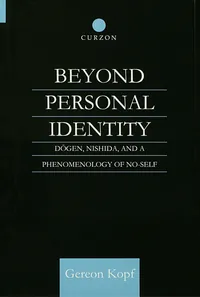
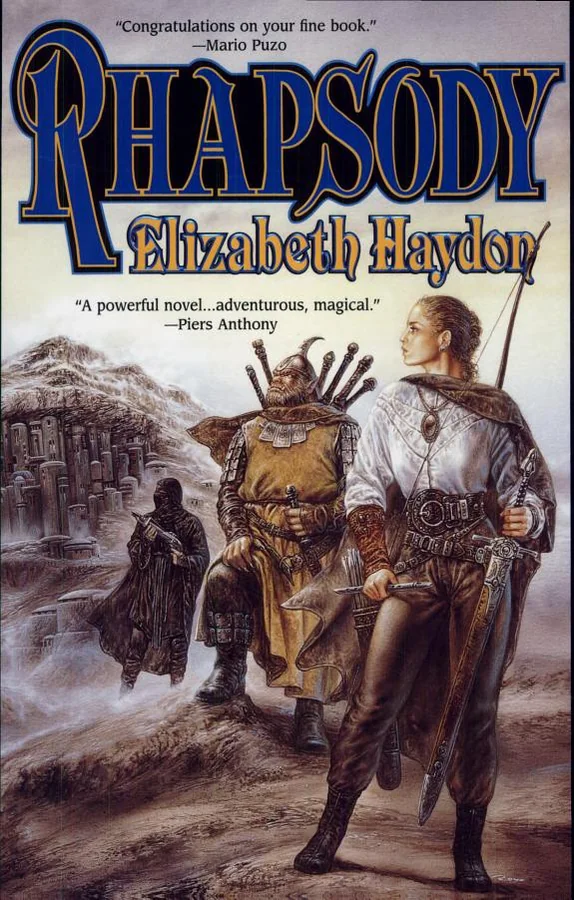
Rhapsody
 84
84

Rhapsody
Haydon’s ‘Rhapsody’ opens its Symphony of Antiquity with a bold assertion of elemental identity, immediately setting a unique tone. The initial presentation of the three lifestages—Child of Blood, Child of Earth, Child of the Sky—is striking, promising a deep dive into archetypal human development. The world of Seren feels ancient and lived-in, a credit to Haydon’s descriptive prose. However, the narrative pacing can feel deliberately slow, particularly in the early chapters, as it meticulously lays the groundwork for its vast mythology. The strength lies in its ambitious scope and the compelling initial premise of destiny tied to primal forces. A passage detailing the early life and training of the primary protagonist, Grion, effectively showcases the blend of personal struggle and burgeoning power that defines the series. While the intricate world-building is a hallmark, the sheer volume of introduced concepts might initially overwhelm readers seeking immediate plot resolution. Haydon’s work here is an ambitious, if sometimes dense, overture.
📝 Description
84
Elizabeth Haydon's 'Rhapsody,' published in 1999, begins the Symphony of Antiquity series.
The first volume of the Symphony of Antiquity series, 'Rhapsody' by Elizabeth Haydon, unfolds in the world of Seren. This epic fantasy introduces a cosmology where individuals are intrinsically linked to fundamental forces. The narrative follows characters as they grapple with their destinies, the nature of power, and the connections that bind all life. Haydon constructs a story that looks at how lives develop from youth to maturity.
The novel appeals to those who enjoy detailed world-building and character development within a large-scale story. Readers interested in the tension between predestination and individual choice will find much to consider. The book's expansive scope and its integration of mythic elements and a sense of deep history make it suitable for fantasy enthusiasts.
Published in 1999, 'Rhapsody' emerged during a period when epic fantasy was expanding its scope. The novel's focus on individuals defined by elemental birthrights, such as the Child of Blood, Earth, or Sky, echoes older systems of categorization found in mythology and philosophy. These classifications are central to a person's identity and future, suggesting a framework where cosmic order influences individual fate. The presence of powerful 'Lords' who influence the world further points to a structured, almost Gnostic, cosmology, where higher beings shape the material plane.
💡 Why Read This Book?
• Gain insight into the concept of elemental birthrights, as explored through the Child of Blood, Child of Earth, and Child of the Sky, understanding how these classifications shape destiny and identity within the world of Seren. • Experience a meticulously crafted world with a deep, ancient history, where the actions of the narrative unfold against a backdrop reminiscent of foundational myths and cosmic order. • Witness the evolution of characters through distinct lifestages, as the narrative charts their growth from nascent beings to individuals bearing significant power and responsibility.
⭐ Reader Reviews
Honest opinions from readers who have explored this book.
❓ Frequently Asked Questions
What is the primary magical system in Rhapsody by Elizabeth Haydon?
Rhapsody does not feature a traditional, codified magical system. Instead, power and destiny are intrinsically linked to elemental birthrights: the Child of Blood, Child of Earth, and Child of the Sky, suggesting a more inherent, less learned, form of influence.
When was Elizabeth Haydon's Rhapsody first published?
Elizabeth Haydon's Rhapsody was first published on September 4, 1999, marking the beginning of the Symphony of Antiquity series.
Who are the main character archetypes introduced in Rhapsody?
The novel introduces three primary archetypes based on lifestages: the Child of Blood, the Child of Earth, and the Child of the Sky, representing different facets of human potential and destiny.
What is the significance of the 'lifestages of all men' mentioned in Rhapsody's blurb?
The 'lifestages of all men' refers to the categorization of individuals into elemental roles—Child of Blood, Child of Earth, and Child of the Sky—which dictates their fundamental nature and path.
Does Rhapsody explore themes of prophecy and fate?
Yes, Rhapsody heavily explores themes of destiny and prophecy, particularly how individuals are shaped by their elemental birthright and the unfolding of predestined paths.
What is the world setting for Elizabeth Haydon's Rhapsody?
The novel is set in the world of Seren, a realm characterized by ancient lore, powerful beings known as the Lords, and a deep, interwoven history that influences the present.
🔮 Key Themes & Symbolism
Elemental Birthrights
The concept of individuals being born as a Child of Blood, Child of Earth, or Child of the Sky forms the core of 'Rhapsody.' This isn't merely a symbolic classification but dictates a character's inherent nature, potential abilities, and destined path within the world of Seren. Haydon uses these categories to explore how formative identities are, and how individuals grapple with, or fulfill, the expectations tied to their elemental essence. This framework provides a unique lens through which to examine character development and the interplay of innate qualities with external forces, moving beyond typical fantasy archetypes.
Lifestages and Destiny
The narrative is structured around the 'lifestages of all men,' emphasizing a cyclical or progressive view of existence. This theme is intrinsically linked to destiny, as characters move through different phases of their lives, their elemental nature becomes more pronounced, and their predetermined roles begin to assert themselves. The book questions the extent to which destiny is inescapable, or if individual choice can alter a path set by birthright and prophecy. It presents a world where the grand arc of life is visible, and individuals are cast within these larger cosmic designs.
The Lords and World Shaping
Central to the world-building of 'Rhapsody' are the enigmatic 'Lords,' powerful entities who appear to have shaped or influenced the very fabric of Seren. Their presence suggests a cosmic hierarchy and a force that operates beyond the mortal realm. The interactions, or lack thereof, with these beings highlight the scale of the narrative and the forces at play. This theme explores the nature of power, creation, and the influence of unseen forces on the destinies of individuals and entire worlds, adding a layer of ancient mystery and divine or semi-divine intervention.
Prophecy and Free Will
As a foundational element of epic fantasy, the theme of prophecy is central to 'Rhapsody.' The narrative grapples with the tension between what is foretold and the agency of the characters. The introduction of the elemental lifestages serves as a form of prophecy, guiding characters toward specific outcomes. The story implicitly asks whether knowing one's destiny is a gift or a burden, and to what extent individuals can defy or re-shape what is written for them. This exploration adds a philosophical dimension to the unfolding plot.
💬 Memorable Quotes
Direct passages from the work, attributed to the author.
“The 3 shall come, leaving early, arriving late, The lifestages of all men: Child of Blood, Child of Earth, Child of the sky.”
— This foundational statement introduces the core archetypal framework of the novel. It suggests that all individuals can be categorized into one of three elemental types, representing distinct paths and natures that will manifest throughout their lives.
“The Lords...”
— This phrase, often used to refer to powerful, possibly divine or primordial beings, hints at a higher order or cosmic architects within the world of Seren. Their existence implies a grand design and forces that shape the destinies of mortals.
“Child of Blood, Child of Earth, Child of the Sky.”
— These are the three fundamental classifications of beings in the novel, denoting their innate elemental connection and potential. Each classification carries specific implications for a character's nature, abilities, and destined role within the narrative.
“Leaving early, arriving late.”
— This poetic phrasing suggests the varied timing and pacing of life's journey and the manifestation of one's destiny, implying that the unfolding of the 'lifestages of all men' is not uniform or predictable.
“The lifestages of all men.”
— This concept frames the narrative's exploration of character development and destiny, suggesting that every individual's life journey follows a discernible, albeit unique, pattern tied to their elemental identity.
🌙 Esoteric Significance
Tradition
While not explicitly tied to a single esoteric lineage, 'Rhapsody' draws heavily from archetypal symbolism found across Hermetic, Gnostic, and Neoplatonic thought. The concept of distinct elemental natures (Blood, Earth, Sky) for individuals echoes alchemical classifications and the idea of inherent spiritual or material essences. The presence of 'Lords' suggests a hierarchical cosmology similar to angelic or divine orders described in various mystical traditions. The work departs from strict adherence to any one system, instead synthesizing these ideas into a unique fantasy framework that explores universal themes of destiny and creation.
Symbolism
The three primary symbols are the elemental classifications: Child of Blood, Child of Earth, and Child of the Sky. Blood often symbolizes life force, passion, or lineage; Earth represents stability, grounding, and physical manifestation; and Sky signifies intellect, spirit, or aspiration. These are not mere descriptors but represent fundamental forces that shape individuals and their destinies within the world of Seren. The 'Lords' themselves are symbols of ultimate power and cosmic order, acting as unseen architects of reality.
Modern Relevance
Contemporary fantasy authors continue to explore elemental magic and archetypal character frameworks, demonstrating the enduring appeal of concepts found in 'Rhapsody.' Thinkers and practitioners interested in comparative mythology and the spiritual underpinnings of narrative continue to find value in its unique cosmology. The novel's exploration of destiny versus free will remains a relevant philosophical discussion point for readers and writers engaging with narrative structure and character agency in speculative fiction.
👥 Who Should Read This Book
• Aspiring fantasy world-builders seeking inspiration for unique cosmological frameworks and elemental magic systems. • Readers interested in character development that follows distinct archetypal paths and life stages, exploring how destiny is shaped by inherent nature. • Fans of epic fantasy narratives who appreciate intricate lore, a grand sense of history, and a story that unfolds over multiple volumes.
📜 Historical Context
Published in 1999, Elizabeth Haydon's 'Rhapsody' arrived at a key moment for epic fantasy. The genre, solidified by authors like J.R.R. Tolkien, was expanding its thematic and structural complexities. Haydon's work emerged alongside a wave of intricate world-building and multi-volume sagas, including Robert Jordan's 'The Wheel of Time' (which began publication in 1990) and George R.R. Martin's 'A Song of Ice and Fire' (starting in 1996). 'Rhapsody' distinguished itself by positing a cosmology based on elemental birthrights—Child of Blood, Child of Earth, Child of the Sky—a concept that offered a unique metaphysical underpinning distinct from more common magic systems. This approach resonated with a readership increasingly interested in the philosophical and mythological underpinnings of fantasy worlds. While not facing overt censorship, the genre itself was sometimes dismissed by mainstream critics, but 'Rhapsody' contributed to its growing literary respectability through ambitious scope and detailed lore, carving out its niche within the burgeoning late-90s fantasy landscape.
📔 Journal Prompts
The Child of Blood, Child of Earth, Child of the Sky: Reflect on which classification might best describe your own innate tendencies.
Contemplate the concept of 'The Lords' and their influence on the world of Seren; how might such unseen forces impact a society?
Consider the phrasing 'leaving early, arriving late' in relation to personal life milestones and the unfolding of destiny.
Explore the tension between a predetermined path, as suggested by elemental birthrights, and the possibility of individual free will.
Analyze the early stages of character development as depicted for the Children, and consider what foundational experiences shape their future.
🗂️ Glossary
Child of Blood
One of the three primary elemental classifications of individuals in 'Rhapsody,' signifying a connection to life force, passion, and perhaps lineage or instinctual drives.
Child of Earth
An elemental classification representing individuals tied to stability, grounding, the physical world, and practical manifestation of power or being.
Child of the Sky
An elemental classification suggesting a connection to intellect, spirit, higher aspirations, or the ethereal realms; associated with thought and transcendence.
The Lords
Powerful, possibly primordial or divine entities within the world of Seren, who appear to have shaped or influenced its creation and ongoing order.
Lifestages of all men
The concept that human existence progresses through distinct phases, intrinsically linked to one's elemental birthright and destined path within the narrative's framework.
Seren
The primary world setting for 'Rhapsody' and the Symphony of Antiquity series, characterized by ancient lore and a complex history.
Symphony of Antiquity
The name of the epic fantasy series to which 'Rhapsody' belongs, suggesting a grand, harmonized narrative unfolding over multiple volumes.
This book appears in 1 collection
🔮 Readers Also Liked
Browse all →






From the “Visions” Collection
View all →
More Free Occult Philosophy Books
View all →