Signs of the Times
 80
80

Signs of the Times
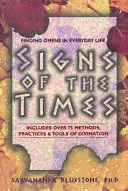
Sarvananda Bluestone’s "Signs of the Times" presents an optimistic view of innate divinatory skills, a refreshing departure from solely specialized occult systems. The book's strength lies in its democratization of divination, suggesting that profound insights can be gleaned from mundane elements—a concept Bluestone illustrates with accessible examples. However, the 1997 publication date means some discussions feel less integrated with contemporary psychological perspectives on intuition. A particularly engaging section details how to interpret the patterns of natural phenomena, moving beyond simple fortune-telling to a deeper ecological mindfulness. The work’s limitation is its occasional vagueness in providing concrete, step-by-step exercises for truly novice practitioners. Despite this, the book serves as a valuable primer for anyone seeking to awaken their inherent ability to read the world's subtle language.
📝 Description
80
Sarvananda Bluestone argued in 1997 that human divination ability is a dormant faculty accessible to all.
Sarvananda Bluestone's 1997 book, "Signs of the Times," proposes that the capacity for divination is an innate human trait, not a rare gift. Bluestone guides readers to look beyond traditional esoteric systems and find psychic signals in everyday life and natural occurrences. The book aims to help individuals develop their intuition and explore alternative methods for gaining insight.
It appeals to those who feel a connection to nature, find significance in daily events, or seek practical tools for personal growth. Beginners in esoteric studies will find the book an accessible introduction, while experienced practitioners may encounter fresh viewpoints on established divinatory methods. The core idea is that the universe communicates through symbols and synchronicity, with ordinary events acting as conduits for truth when approached with awareness.
The book connects contemporary divinatory potential to historical practices, citing ancient scrying rituals and cloud-gazing oracles. Bluestone suggests a continuity in human perception across millennia, linking modern seekers to a long lineage of seers. This historical grounding supports the exploration of personal divinatory skills, positioning the work within traditions that seek meaning in patterns and signs.
💡 Why Read This Book?
• Learn to see the extraordinary in the ordinary, using nature’s phenomena as described in the "Core Concepts of Omen Interpretation" section to unlock personal insights. • Discover practical applications for developing your intuition, moving beyond abstract theory to engage with the methods detailed in the historical context of divination. • Gain a new appreciation for the world around you, understanding how everyday objects and natural signs, as explored in the book, can serve as profound divinatory tools.
⭐ Reader Reviews
Honest opinions from readers who have explored this book.
❓ Frequently Asked Questions
What is the primary focus of Sarvananda Bluestone's 'Signs of the Times'?
The book focuses on unlocking and developing the reader's innate ability to perceive signs and omens in everyday life and natural phenomena, suggesting divination is an accessible human faculty.
When was 'Signs of the Times' first published, and what is its historical context?
It was first published in 1997. This places it within a period of renewed interest in esoteric studies and personal development, bridging traditional occultism with New Age philosophies.
Can beginners effectively use the divination techniques described in the book?
Yes, the book is designed for accessibility, guiding readers to use common objects and nature as tools, making it suitable for those new to divination practices.
Does the book discuss specific historical divinatory practices?
Yes, it references ancient methods such as scrying with water and interpreting cloud formations, connecting these historical practices to modern potential.
What is the author's view on the source of divinatory ability?
Sarvananda Bluestone views this ability as an inherent human capacity, rather than a rare gift, suggesting it can be rediscovered and cultivated by anyone.
What kind of 'psychic vehicles' does the book suggest for divination?
The book highlights everyday objects, natural phenomena like clouds and water, and subtle environmental cues as potential 'psychic vehicles' for receiving insights.
🔮 Key Themes & Symbolism
Nature as Oracle
The work emphasizes the profound divinatory potential inherent in the natural world. It moves beyond abstract symbolism to suggest that elements like cloud formations, water ripples, and even the behavior of animals can serve as direct messages. By encouraging readers to observe these phenomena with focused awareness, Bluestone posits that hidden truths and guidance can be discerned, fostering a deeper connection between the individual and the environment. This perspective reframes nature not merely as a backdrop, but as an active participant in communication.
Democratizing Divination
A central theme is the idea that the ability to perceive omens is not exclusive to a select few 'seers' but is a universal human faculty. "Signs of the Times" actively seeks to dismantle the mystique surrounding divination, presenting it as an accessible skill that can be cultivated through conscious attention and practice. The book advocates for using readily available elements—common objects and everyday occurrences—as tools, thereby empowering the reader to recognize and interpret their own divinatory experiences.
The Power of Focused Awareness
The book consistently returns to the concept that the clarity and depth of divinatory insight are directly proportional to the observer's state of focused awareness. It teaches that by quieting mental chatter and cultivating a receptive, present-moment consciousness, one can perceive subtle patterns and significances that are otherwise obscured. This heightened awareness is presented as the key mechanism for tapping into the 'deeper level of awareness' mentioned in its blurb, transforming ordinary perception into a divinatory act.
Synchronicity and Meaning
Bluestone explores how seemingly coincidental events, or synchronicities, can be interpreted as meaningful signs. The book encourages readers to pay attention to recurring patterns, unusual juxtapositions, and emotionally charged occurrences in their lives. By linking these experiences to the broader concept of universal communication, it suggests that these 'signs of the times' offer guidance, confirmation, or warnings, providing a framework for understanding personal narratives within a larger cosmic context.
💬 Memorable Quotes
Direct passages from the work, attributed to the author.
“Observers have been able to tap into a deeper level of awareness, sensing hidden truths in powerful and mysterious ways.”
— This foundational concept suggests that divination stems from accessing a subtle layer of consciousness, allowing for intuitive perception beyond ordinary rational thought.
“Rediscover this ability, using everyday objects and the wonders of nature as magical tools of divination.”
— This highlights the book's practical and accessible approach, empowering readers to find divinatory potential in their immediate surroundings rather than relying on specialized implements.
“Finding signs and omens in a great variety of psychic vehicles, from pools of water to the ripples of clouds in the sky.”
— This illustrates the breadth of the book's scope, showing how diverse natural elements can function as conduits for symbolic communication and insight.
“Because these observers have been able to tap into a deeper level of awareness...”
— This emphasizes the internal state of the diviner as crucial; it's not just the object observed, but the heightened consciousness applied to it, that unlocks meaning.
“This enlightening guide shows how all of us can rediscover this ability...”
— The core promise of the book is universal applicability, framing divination not as an elite skill but as a latent human capacity waiting to be reawakened.
🌙 Esoteric Significance
Tradition
While not strictly adhering to a single esoteric lineage, "Signs of the Times" draws heavily from animistic and shamanistic traditions that view the natural world as imbued with spirit and communicative power. It echoes Neoplatonic ideas of correspondence and the macrocosm/microcosm relationship, where universal truths are reflected in earthly phenomena. The book's emphasis on developing innate psychic faculties also aligns with broader Theosophical and New Age concepts of expanding human consciousness beyond the mundane.
Symbolism
The work utilizes natural elements as primary symbolic vehicles. Clouds, for instance, are presented not just as weather patterns but as fluid forms capable of conveying messages through their shapes and movements, akin to ancient aeromancy. Water is depicted as a mirror reflecting inner states and potential futures, reminiscent of scrying traditions. The very act of observing these elements with focused intent transforms them into potent symbols, representing the underlying interconnectedness of all things.
Modern Relevance
Bluestone's emphasis on finding meaning in everyday nature resonates strongly with contemporary eco-spiritual movements and mindfulness practices. Thinkers and practitioners focused on nature-based spirituality, intuitive development, and personal empowerment find the book's accessible approach valuable. Its principles can be seen as precursors to modern discussions on embodied cognition and the use of sensory input for insight, influencing contemporary approaches to divination that prioritize personal experience and environmental attunement.
👥 Who Should Read This Book
• Individuals new to divination seeking an accessible entry point, who wish to learn how to interpret signs using readily available natural elements and everyday objects. • Nature enthusiasts and those who feel a deep connection to the environment, looking to deepen their relationship with the natural world and perceive its subtle communications. • Seekers of personal growth and intuitive development interested in practical techniques for enhancing awareness and uncovering hidden insights through focused observation.
📜 Historical Context
Published in 1997, "Signs of the Times" emerged during a period of significant resurgence in esoteric and New Age thought, following the more structured occult revivals of earlier decades. The intellectual climate was receptive to ideas of personal empowerment, intuition, and alternative spirituality. Bluestone's work aligns with a broader trend that saw authors like Doreen Virtue (whose first book appeared in 1990) popularizing angelic communication and intuitive development for a general audience. While figures like Carl Jung had already explored synchronicity and archetypes, Bluestone's approach focused more directly on practical, nature-based divination accessible to the layperson. Unlike the more academic or ritualistic approaches found in Hermetic orders or Theosophy, this book offered a gentle, nature-attuned method. Its reception was largely within the self-help and spiritual growth communities, emphasizing personal discovery over adherence to established doctrines.
📔 Journal Prompts
The transformation of everyday objects into magical tools.
Interpreting the messages within natural phenomena like clouds and water ripples.
Developing a deeper level of awareness for sensing hidden truths.
Recognizing personal signs and omens in daily life.
Connecting with the ancient lineage of seers and diviners.
🗂️ Glossary
Psychic Vehicles
Elements, objects, or phenomena (natural or man-made) through which divinatory insights or symbolic messages can be perceived or conveyed.
Signs and Omens
Events, patterns, or occurrences perceived as having symbolic meaning or predictive significance, offering guidance or insight into the present or future.
Deeper Level of Awareness
A state of heightened consciousness characterized by focused attention, intuition, and receptivity, enabling the perception of subtle truths beyond ordinary rational understanding.
Divination
The practice of seeking knowledge of the future or the unknown by supernatural means, often through the interpretation of signs, omens, or symbols.
Scrying
A form of divination involving gazing into a reflective surface, such as a pool of water or a mirror, to receive visions or insights.
Synchronicity
Meaningful coincidences that seem to have no causal relationship but are perceived as having significance or conveying a message.
Intuition
The ability to understand something immediately, without the need for conscious reasoning; direct perception or knowing.
This book appears in 1 collection
🔮 Readers Also Liked
Browse all →









From the “Scrying” Collection
View all →







More Free Occult Philosophy Books
View all →