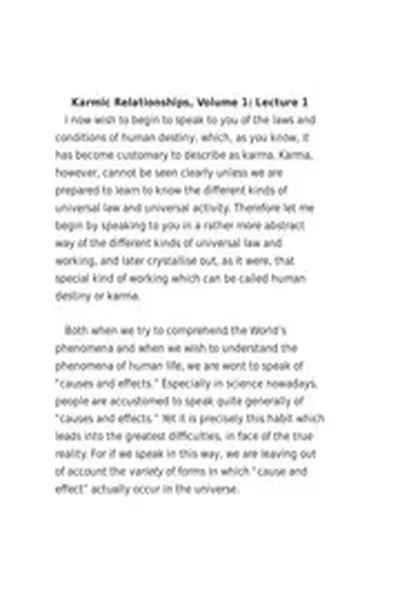
Qigong and the Tai Chi Axis
 78
78

Qigong and the Tai Chi Axis
Mimi Kuo-Deemer's "Qigong and the Tai Chi Axis" presents a welcome, grounded approach to these profound movement arts. The strength lies in its clear exposition of the central "Tai Chi Axis" concept, which effectively bridges the often-separate practices of Qigong and Tai Chi. Kuo-Deemer avoids overly esoteric jargon, making the material approachable for beginners. A slight limitation is that while the physical benefits are well-articulated, the deeper philosophical underpinnings, particularly concerning Qi cultivation beyond mere physical energy, could be explored with more depth for the truly initiated. The section detailing the "Eight Brocades" Qigong form offers a concrete, actionable pathway into practice. This book serves as a solid, practical introduction for those looking to integrate mindful movement into daily life.
📝 Description
78
Mimi Kuo-Deemer's 2018 book connects Qigong and Tai Chi through the concept of the Tai Chi Axis.
Qigong and the Tai Chi Axis presents Qigong and Tai Chi as forms of "movement meditation." The book's approach helps readers integrate these practices for physical health and mental clarity. It emphasizes the balance of yin and yang as key to achieving inner harmony.
This book is for anyone looking to manage stress, ease physical discomfort, or improve balance and mobility. It functions as a clear introduction for newcomers to these disciplines. Experienced practitioners will also find it a useful reference for understanding core principles and their practical application.
The "Tai Chi Axis" is the central idea, uniting Qigong and Tai Chi. The text examines the flow of Qi, the interplay of yin and yang, and the role of mindful motion. Practices aim to build internal awareness, encourage energy circulation, and foster a sense of being present in one's body.
Published in 2018, this work appears during a period of renewed interest in Eastern mind-body disciplines. While Qigong and Tai Chi have ancient origins, their modern popularity is notable. This book adds to that tradition by offering a contemporary perspective that bridges classical ideas with current accessibility, building on earlier efforts to popularize therapeutic forms of these practices.
💡 Why Read This Book?
• You will learn specific Qigong exercises, such as the "Eight Brocades," to directly cultivate Qi and improve physical well-being, offering a tangible method for stress reduction not found in purely theoretical texts. • You will gain a practical understanding of the yin/yang balance central to both Qigong and Tai Chi, enabling you to apply this core principle to enhance your body's harmony and mobility, as explained through the "Tai Chi Axis" framework. • You will discover how to integrate "movement meditation" into your routine, fostering a deeper mind-body connection and improving balance and posture through accessible practices introduced by Mimi Kuo-Deemer.
⭐ Reader Reviews
Honest opinions from readers who have explored this book.
❓ Frequently Asked Questions
What is the "Tai Chi Axis" mentioned in the book?
The "Tai Chi Axis" refers to the fundamental principles and energetic pathways that connect Qigong and Tai Chi. It represents the core understanding of yin/yang balance and Qi flow that underpins both practices, as explored in Mimi Kuo-Deemer's 2018 work.
Is "Qigong and the Tai Chi Axis" suitable for absolute beginners?
Yes, the book is designed as a practical introduction. It offers accessible explanations and exercises, making it suitable for individuals with no prior experience in Qigong or Tai Chi.
What are the main benefits of practicing Qigong and Tai Chi as described in the book?
The book highlights benefits such as stress reduction, pain relief, improved posture, enhanced balance, and increased general mobility, all stemming from the practice of these "movement meditation" arts.
Does the book explain specific Qigong forms?
Yes, "Qigong and the Tai Chi Axis" introduces and explains specific Qigong practices, including commonly known forms like the "Eight Brocades," to guide readers in their practice.
What is the historical origin of Qigong and Tai Chi?
These ancient Chinese arts have roots stretching back thousands of years, evolving over centuries as methods for cultivating vital energy (Qi) and promoting health through mindful movement and breathwork.
How does this book differ from other Qigong or Tai Chi guides?
This book uniquely frames Qigong and Tai Chi through the "Tai Chi Axis" concept, emphasizing the synergy between the two arts and their shared foundation in yin/yang balance, offering a cohesive approach.
🔮 Key Themes & Symbolism
The Tai Chi Axis
This central concept acts as the linchpin connecting Qigong and Tai Chi. It represents the fundamental energetic and philosophical principles that these two ancient Chinese arts share. The book explores how understanding this axis allows practitioners to harmonize their internal energies, promoting balance and flow. It's presented not just as a theoretical construct but as a practical framework for guiding movement and cultivating awareness, essential for anyone seeking to grasp the deeper connections within these disciplines.
Yin and Yang Balance
Integral to the Tai Chi Axis is the principle of yin and yang. The book elucidates how these complementary opposites manifest in movement, breath, and internal energy. Achieving harmony requires balancing dynamic (yang) and receptive (yin) qualities, stillness and motion, expansion and contraction. This concept is fundamental to reducing physical tension and mental stress, fostering a state of equilibrium that is key to the therapeutic benefits of Qigong and Tai Chi.
Movement Meditation
Qigong and Tai Chi are presented as profound forms of "movement meditation." The emphasis is on cultivating presence and awareness through intentional, flowing motions. This practice transforms physical exercise into a contemplative act, allowing the practitioner to quiet the mind, connect with the body's subtle energies (Qi), and achieve a state of embodied mindfulness. The book guides readers in using these practices to find peace and centeredness amidst daily life.
Qi Cultivation
The core aim of Qigong, and by extension Tai Chi, is the cultivation and circulation of Qi, or vital life force. The book details how specific postures, movements, and breathwork techniques facilitate the smooth flow of Qi throughout the body's energetic channels. By learning to nurture and direct Qi, practitioners can enhance vitality, promote healing, and achieve a greater sense of overall well-being and energetic coherence.
💬 Memorable Quotes
Direct passages from the work, attributed to the author.
“The ancient Chinese arts of 'movement meditation'.”
— This concise phrase expresses the essence of Qigong and Tai Chi as presented in the book, highlighting their dual nature as physical disciplines and contemplative practices designed to foster inner stillness through external motion.
“From reducing stress and improving posture to balance and general mobility, the many physical and mental benefits of Qigong and Tai Chi are widely celebrated.”
— This statement serves as an accessible summary of the tangible advantages readers can expect. It grounds the esoteric practices in concrete, relatable outcomes, appealing to those seeking practical improvements in their physical and mental health.
“Mimi Kuo-Deemer offers practices, insights and wisdom on these arts.”
— This highlights the book's blend of instruction and deeper understanding. It suggests that the reader will not only learn how to perform movements but also gain context and philosophical grounding from the author's expertise.
“The yin/yang balance of Tai Chi.”
— This points to a core concept explored in the book, emphasizing the fundamental principle of duality and balance that is central to understanding the energetic dynamics within Tai Chi and its relationship with Qigong.
“Create whole body harmony.”
— This phrase articulates the ultimate goal of the practices discussed, suggesting a holistic approach that integrates physical, mental, and energetic well-being into a unified state of balance and health.
🌙 Esoteric Significance
Tradition
This work engages with the Daoist tradition, particularly its emphasis on cultivating vital energy (Qi) and maintaining energetic balance through mindful movement and breath. While not strictly a religious text, it draws heavily from Daoist principles concerning harmony with natural forces, the interplay of yin and yang, and the body's energetic pathways, offering a practical application of these concepts for contemporary practitioners.
Symbolism
The "Tai Chi Axis" itself serves as a potent symbol, representing the central channel or energetic core around which balanced movement and awareness revolve. The concept of Qi, often symbolized by breath or flowing water, represents the vital life force that animates all things. Yin and yang, depicted by the familiar taijitu symbol, represent the fundamental duality and interdependence of all phenomena, crucial for understanding energetic equilibrium.
Modern Relevance
Contemporary schools of somatic therapy, mindfulness-based stress reduction (MBSR) programs, and even certain branches of physical rehabilitation increasingly incorporate principles found in Qigong and Tai Chi. Thinkers and practitioners focusing on embodied cognition and the mind-body connection often reference the efficacy of these ancient arts in promoting psychological well-being and physical resilience, demonstrating their enduring value.
👥 Who Should Read This Book
• Individuals experiencing chronic stress or physical tension seeking practical, embodied techniques for relaxation and pain management. • Beginners interested in exploring the foundational principles and accessible movements of Qigong and Tai Chi from a reputable source. • Practitioners of other contemplative disciplines who wish to integrate physical movement into their mindfulness practice and deepen their understanding of energetic cultivation.
📜 Historical Context
Published in 2018, Mimi Kuo-Deemer's "Qigong and the Tai Chi Axis" arrived during a period of significant global interest in mindfulness and somatic practices. While Qigong and Tai Chi have ancient origins, their modern dissemination owes much to figures like Dr. Yang Jwing-Ming, whose extensive writings on martial arts and internal energy cultivation gained prominence from the 1970s onwards. Kuo-Deemer's work engages with this lineage, offering a contemporary perspective that emphasizes accessibility and the integration of these practices for modern well-being. Unlike purely martial-focused texts, her approach highlights the therapeutic and meditative dimensions, aligning with a broader cultural shift towards holistic health. The book positions itself within the ongoing discourse on Eastern mind-body disciplines, building upon decades of scholarship and practice that have brought these arts to Western audiences.
📔 Journal Prompts
The concept of the "Tai Chi Axis" and its personal application.
Reflecting on the manifestation of yin and yang in daily activities.
How the practice of "movement meditation" shifts your state of awareness.
Identifying personal patterns of Qi stagnation or flow.
The perceived connection between physical posture and mental clarity.
🗂️ Glossary
Qigong
An ancient Chinese practice involving coordinated movement, breath, and meditation used to cultivate and balance Qi (vital energy) for health and spirituality.
Tai Chi
A Chinese internal martial art practiced for both its defensive training and its health benefits, emphasizing slow, flowing movements and deep breathing.
Qi (Chi)
The vital life force or energy believed to flow through all living things, central to traditional Chinese medicine and practices like Qigong and Tai Chi.
Yin and Yang
Fundamental Daoist concepts representing complementary, interconnected opposites (e.g., passive/active, dark/light, female/male) whose balance is essential for harmony.
Movement Meditation
A contemplative practice that integrates physical movement with mindful awareness, fostering presence and a connection between mind and body.
Eight Brocades
A well-known and foundational set of Qigong exercises, often among the first taught, designed to improve health and energy flow through eight distinct movements.
Tai Chi Axis
The central concept in the book, representing the core energetic and philosophical principles that unite Qigong and Tai Chi practices.
This book appears in 1 collection
🔮 Readers Also Liked
Browse all →









From the “Qi Gong” Collection
View all →




More Free Occult Philosophy Books
View all →