Chi Gong
 71
71

Chi Gong
Paul Dong and Aristide H. Esser's "Chi Gong" offers a refreshingly grounded approach to a practice often shrouded in mystique. The strength of this book lies in its dual authorship, merging the practical, lived experience of a seasoned instructor with the analytical perspective of a psychiatrist. This creates a bridge, as the blurb suggests, between traditional Eastern understanding and Western scientific inquiry. The clarity with which basic and advanced exercises are presented is commendable; the step-by-step guidance for achieving a meditative state, for instance, is particularly well-executed. However, the book occasionally falters in providing deeper philosophical underpinnings for the energetic concepts, leaving the reader wanting more on the 'why' behind certain energy flows beyond their salutary effects. Despite this, the practical utility for health improvement is undeniable. It serves as a solid introduction to the mechanics of cultivating vital energy for well-being.
📝 Description
71
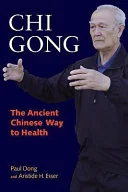
Paul Dong and Aristide H. Esser's 1990 book explains the ancient Chinese practice of Chi Gong.
This book details Chi Gong, an ancient Chinese system for cultivating vital energy, or 'chi,' through mindful movement. It presents Chi Gong not just as physical exercises but as a holistic method integrating mind, body, and spirit for improved health and mental clarity. The authors explain how practitioners can achieve balance through specific postures, breathing techniques, and focused intention. The practice is suited for individuals seeking to enhance vitality, manage stress, or improve resilience, offering accessible exercises for beginners and depth for experienced practitioners. Its historical roots are traced through Chinese civilization, traditional medicine, and Taoist philosophy, with a focus on its application to contemporary life and scientific understanding. The core concepts involve cultivating and circulating chi, emphasizing intention, breath coordination, and the understanding of meridians.
Chi Gong belongs to the broader tradition of Daoist internal alchemy and contemplative practices that seek to refine the body's vital energies for longevity and spiritual development. It shares common ground with practices like Neidan and Qigong, focusing on the manipulation of Qi through specific exercises, breathwork, and mental focus. These systems often aim to harmonize the individual with cosmic principles, fostering a state of balance and vitality that extends beyond physical well-being into mental and spiritual realms.
💡 Why Read This Book?
• Learn specific, step-by-step exercises for cultivating vital energy (chi), as detailed in Paul Dong's instruction, to enhance physical vitality and mental calm. • Understand how to maintain the balance of bodily energies, a core principle presented in the text, to aid in preventing and managing common ailments like hypertension. • Explore the connection between ancient Chinese health systems and Western scientific perspectives, a unique synthesis achieved by the authors, Aristide H. Esser and Paul Dong.
⭐ Reader Reviews
Honest opinions from readers who have explored this book.
❓ Frequently Asked Questions
What is the primary goal of practicing Chi Gong as described in the book?
The primary goal is to cultivate and balance the body's vital energy, known as 'chi.' This balance is presented as essential for maintaining physical health, preventing illness, and achieving mental and spiritual well-being.
Can beginners effectively learn Chi Gong from this book?
Yes, the book is structured with step-by-step exercises designed for both basic and advanced practitioners, making it accessible for those new to Chi Gong.
What types of health conditions does the book suggest Chi Gong can help with?
The book indicates that Chi Gong can help prevent and cure ailments such as ulcers, hypertension, and heart disease by promoting the balance of bodily energies.
Who are the authors and what is their background?
The authors are Paul Dong, a Chi Gong instructor, and Aristide H. Esser, a psychiatrist. Their combined expertise aims to bridge Chinese and Western approaches to health.
When was 'Chi Gong: The Ancient Chinese Way to Health' first published?
The book was first published in 2008, offering a modern synthesis of ancient practices.
Does the book explain the concept of 'chi' in detail?
Yes, the book explores the concept of 'chi' as the body's vital energy and explains how its balance is crucial for health and how to maintain it through specific exercises.
🔮 Key Themes & Symbolism
Energy Cultivation (Chi)
The central theme is the cultivation and management of 'chi,' the vital life force in traditional Chinese thought. The book details how specific movements, breathwork, and mental focus can be employed to gather, circulate, and balance this energy throughout the body. This energetic balance is presented as the foundation for physical health and resilience, directly impacting the prevention and healing of various ailments.
Mind-Body Integration
Chi Gong emphasizes the inseparable connection between mental states and physical health. The practice requires focused intention and mindful awareness during physical exercises, illustrating how mental discipline directly influences physiological processes. This holistic approach seeks to harmonize the practitioner's inner world with their external physical condition, leading to a state of equilibrium.
Bridging East and West
A significant theme is the effort to reconcile ancient Chinese health practices with Western scientific understanding. The book seeks to validate the efficacy of Chi Gong through a lens accessible to Western medicine and psychology, showcasing how its principles can complement contemporary healthcare systems and spiritual practices. This aims to foster broader acceptance and application.
Health and Longevity
The practice of Chi Gong is presented as a method for achieving robust health and extending one's lifespan. By maintaining the free flow and balance of chi, practitioners can prevent the onset of diseases and foster a state of well-being that supports longevity. The book offers practical tools for self-healing and maintaining vitality throughout life.
💬 Memorable Quotes
Direct passages from the work, attributed to the author.
“Increase vitality by maintaining the balance of bodily energies.”
— This statement captures the core objective of Chi Gong practice as presented: to achieve a state of energetic equilibrium that directly translates to enhanced physical vigor and overall well-being.
“Prevent and cure ulcers, hypertension, heart disease, and other ailments.”
— This highlights the therapeutic potential of Chi Gong, suggesting its application not just for general health but also as a complementary approach to managing specific chronic conditions through energy balancing.
“Achieve a relaxed and therapeutic meditative state.”
— This points to the mental and spiritual benefits of Chi Gong, underscoring its capacity to calm the mind and induce a deeply restorative meditative experience.
“Show how to perform basic and advanced chi gong exercises.”
— This emphasizes the practical, instructional nature of the book, indicating that it provides clear guidance on the execution of Chi Gong movements for practitioners of varying skill levels.
“Bridges the divide between Chinese and Western science, systems of health care, and spiritual practice.”
— This statement frames the book's unique contribution: an attempt to synthesize disparate cultural and scientific paradigms concerning health and the human condition.
🌙 Esoteric Significance
Tradition
Chi Gong belongs to the Taoist tradition, a foundational element of Chinese esotericism and philosophy. It is deeply rooted in concepts of Qi (vital energy), Yin and Yang balance, and the interconnectedness of the human body with the cosmos. While often presented in a health-focused manner, its origins and deeper practice are intertwined with Taoist alchemy and spiritual cultivation, aiming for harmony and longevity.
Symbolism
A key symbol is 'Qi' itself, representing the vital, animating force that flows through all things. Another is the concept of the 'Dantian,' often located in the lower abdomen, considered a primary center for Qi storage and cultivation. The flowing movements of Chi Gong can also symbolize the continuous circulation of energy through the body's meridians, akin to the flow of water or wind.
Modern Relevance
Contemporary practices in mindfulness, somatic therapy, and even certain forms of physical therapy echo Chi Gong's emphasis on mindful movement and breath control. Thinkers and practitioners in fields like psychoneuroimmunology and integrative medicine draw upon the principles of mind-body connection that Chi Gong embodies, seeking to understand and harness the body's innate healing capacities.
👥 Who Should Read This Book
• Individuals seeking practical methods for stress reduction and improved physical health, particularly those interested in gentle, low-impact exercises. • Students of traditional Chinese medicine or comparative health systems looking to understand the practical application and theoretical underpinnings of Chi Gong. • Healthcare professionals interested in integrating mind-body practices into patient care or exploring complementary approaches to chronic disease management.
📜 Historical Context
Published in 2008, "Chi Gong: The Ancient Chinese Way to Health" emerged during a period of increasing global interest in complementary and alternative medicine (CAM). The early 21st century saw a growing academic and public curiosity about traditional healing systems, particularly those from Asia, as Western medicine began to acknowledge the limitations of purely biomedical approaches. This era was marked by increased dialogue between Eastern practices like acupuncture and Qigong and Western institutions, spurred by figures like Dr. Herbert Benson's work on the relaxation response, which offered a physiological framework for understanding mind-body benefits. While Qigong had been gaining traction in the West since the late 20th century, Dong and Esser's work contributed by offering a structured, dual-perspective approach. It arrived at a time when interest in Taoist principles and energy work was significant, though often met with skepticism from some scientific quarters who demanded empirical validation, a challenge the book attempts to address by integrating psychiatric insight.
📔 Journal Prompts
The balance of bodily energies as a concept for health.
Cultivating Chi through specific movements and breathwork.
The integration of Eastern health systems with Western science.
The role of meditative states in physical healing.
Bridging the divide between spiritual practice and scientific understanding.
🗂️ Glossary
Chi
The vital life force or energy believed in traditional Chinese culture to animate all living things. Its harmonious flow and balance are considered essential for health.
Qi Gong (Chi Kung)
An ancient Chinese practice involving coordinated movement, deep breathing, and meditation to cultivate and balance vital energy (chi) for health and spirituality.
Hypertension
A medical condition characterized by persistently elevated blood pressure, often referred to as high blood pressure.
Ulcers
Sores that develop on the lining of the esophagus, stomach, or small intestine, often associated with inflammation and pain.
Vitality
The state of being strong, energetic, and active; the capacity to thrive and flourish.
Meditative State
A state of consciousness characterized by deep relaxation, focused attention, and reduced self-awareness, often achieved through practices like meditation or Chi Gong.
Bodily Energies
Refers to the concept of vital energy (Chi) circulating within the body, the balance of which is crucial for maintaining physical and mental well-being according to traditional systems.
This book appears in 1 collection
🔮 Readers Also Liked
Browse all →








From the “Qi Gong” Collection
View all →



More Free Occult Philosophy Books
View all →