Psychic Vampires
 73
73

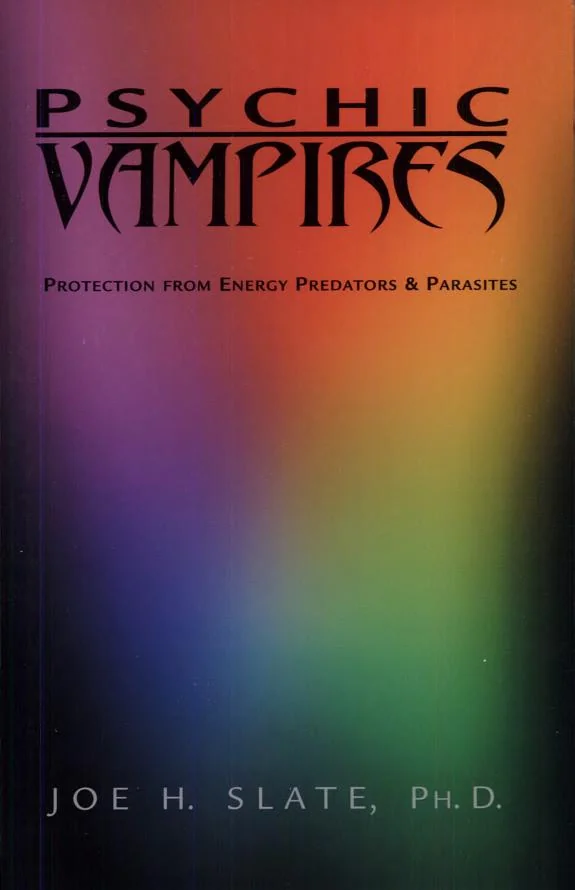
Psychic Vampires
Joe H. Slate’s "Psychic Vampires" offers a refreshingly grounded take on a concept often relegated to sensationalist fiction. By dissecting psychic vampirism into distinct types like "group vampires" and "parasitic vampires," Slate provides a practical taxonomy for understanding subtle energy dynamics. The book’s strength lies in its actionable advice; the "step-by-step empowerment procedures" are genuinely useful for anyone feeling energetically depleted. However, the exploration of "global vampirism" feels somewhat underdeveloped, bordering on speculative without sufficient concrete examples to anchor it. The discussion of "environmental, developmental, and past-life factors" is more compelling, offering a multi-layered approach to the phenomenon. Despite this minor unevenness, "Psychic Vampires" serves as an accessible and empowering guide for those seeking to understand and manage their energetic boundaries.
📝 Description
73
Joe H. Slate's 1998 book examines psychic vampires as energy absorbers, not always malicious.
Joe H. Slate's "Psychic Vampires", published in 1998, examines the phenomenon of individuals who consume the vital energy of others without physical contact. Slate argues that this energy consumption is often an unconscious behavior, stemming from psychological and environmental factors, rather than inherent malice. The book moves beyond sensationalism to offer a practical understanding of these energy dynamics and their impact on daily life.
The text categorizes psychic vampires into distinct types, including "group vampires" who draw energy from collective settings and "parasitic vampires" involved in one-sided energy exchanges. It also introduces the concept of "global vampirism" to describe widespread societal energy drains. These classifications aim to help readers identify subtler forms of energy depletion.
Beyond identification, Slate provides strategies for self-protection and energy restoration. The book outlines empowerment procedures designed to shield individuals from energy loss and replenish depleted reserves. This approach encourages readers to reclaim their vitality and build resilience against unseen energetic influences through conscious energy management.
This work engages with the esoteric concept of subtle energy, often discussed in traditions like energy healing and certain forms of occultism. It addresses the idea that individuals can consciously or unconsciously influence and draw from the energetic fields of others. By framing psychic vampirism as a phenomenon with potential psychological and environmental roots, Slate positions the book within a broader discussion of energetic interactions, moving beyond purely spiritual interpretations to include practical psychological and behavioral aspects.
💡 Why Read This Book?
• Learn practical, step-by-step empowerment procedures to protect your energy, a core offering detailed in the book's approach to self-preservation. • Gain insight into specific categories like "group vampires" and "parasitic vampires," helping you identify subtle energy drains in your social interactions. • Understand the potential origins of psychic vampirism by exploring "environmental, developmental, and past-life factors," offering a comprehensive view beyond simple superstition.
⭐ Reader Reviews
Honest opinions from readers who have explored this book.
❓ Frequently Asked Questions
What distinguishes Joe H. Slate's "Psychic Vampires" from traditional vampire lore?
Unlike traditional lore focusing on blood consumption, "Psychic Vampires" explores individuals who drain vital energy. Published in 2002, it categorizes these energy thieves into types like group and parasitic vampires, focusing on psychological and environmental factors.
What are the three new types of vampires mentioned in the book?
The book introduces "group vampires" who feed on collective energy, "parasitic vampires" characterized by one-sided energy exchange, and the broader concept of "global vampirism" impacting societal energy dynamics.
Does the book offer solutions for dealing with psychic vampires?
Yes, "Psychic Vampires" provides effective step-by-step empowerment procedures. These aim to help readers protect themselves from energy depletion and replenish their own energy reserves, fostering personal resilience.
What factors does the book explore as contributors to psychic vampirism?
The work investigates "environmental, developmental, and past-life factors" as potential contributors to psychic vampirism. This multi-faceted approach seeks to explain the phenomenon comprehensively.
Who is Joe H. Slate, the author of "Psychic Vampires"?
Joe H. Slate is the author of "Psychic Vampires," first published in 2002. His work focuses on esoteric subjects, offering practical guidance on energy dynamics and self-protection.
Where can I find information on protecting myself from energy vampires?
Joe H. Slate's "Psychic Vampires" (2002) offers practical, step-by-step empowerment procedures specifically designed to help individuals protect themselves from energy depletion and restore vitality.
🔮 Key Themes & Symbolism
Energy Depletion Dynamics
The core of Slate's work lies in understanding how vital energy is unconsciously consumed. It moves beyond sensationalism to classify energy thieves into "group vampires," "parasitic vampires," and "global vampirism." This nuanced approach allows readers to recognize subtler forms of energy drain in everyday interactions, whether in social groups or one-on-one encounters, and understand the mechanics behind why they might feel energetically depleted.
Self-Protection Strategies
A significant focus is placed on empowering the reader. The book details "step-by-step empowerment procedures" designed to create energetic shields and methods for replenishing depleted reserves. This practical guidance is crucial for individuals who feel vulnerable to energy loss, offering concrete techniques to reclaim and maintain personal vitality against unseen influences.
Root Causes of Vampirism
Slate explores a range of contributing factors, including "environmental, developmental, and past-life factors." This comprehensive view suggests that psychic vampirism isn't a simple curse but can stem from complex psychological, situational, or even karmic origins. Understanding these roots is presented as key to effectively addressing the issue.
Societal Energy Flows
The concept of "global vampirism" extends the discussion beyond individual interactions to societal levels. It probes how collective energies can be drained or manipulated, suggesting that understanding these larger patterns is vital for holistic well-being. This broadens the scope from personal defense to a more systemic awareness of energy dynamics.
💬 Memorable Quotes
Direct passages from the work, attributed to the author.
“Consuming energy instead of blood, psychic vampires come in a variety of unsuspecting guises.”
— This foundational statement reframes the popular image of vampires, shifting the focus from physical predation to energetic extraction and highlighting the everyday, often hidden, nature of such individuals.
“Exploring environmental, developmental, and past-life factors, Psychic Vampires presents effective step-by-step empowerment procedures.”
— This highlights the book's dual focus: analyzing the complex origins of psychic vampirism and offering practical, actionable solutions for readers to protect themselves and restore their energy.
“The work explores environmental, developmental, and past-life factors.”
— This emphasizes the multi-dimensional perspective taken by the author, suggesting that psychic vampirism can be influenced by a wide range of influences, from immediate surroundings to deeper, historical aspects of the self.
“This practical guide offers: An exploration of previously unknow”
— This snippet suggests the book looks at less commonly discussed aspects of psychic vampirism, promising unique insights and knowledge not readily available in mainstream discussions of the topic.
💡 Key Ideas
Editorial paraphrase of the work's core concepts — not direct quotes.
This unique approach to the subject will introduce you to a trio of new thieves: group vampires, parasitic vampires, and global vampirism.
This quote signals the book's innovative categorization of energy-draining dynamics, presenting specific archetypes that help readers identify and understand different modes of psychic vampirism beyond generalized notions.
🌙 Esoteric Significance
Tradition
Slate's work can be seen as an extension of modern esoteric thought, particularly within the Western Esoteric tradition's focus on subtle energies and psychic self-defense. It draws upon concepts present in Theosophy and later New Age psychologies that posit invisible energy fields and interpersonal energetic dynamics. While not strictly adhering to Hermetic or Gnostic doctrines, it engages with the idea of unseen forces influencing human well-being, presenting a practical, accessible approach to managing these forces in daily life.
Symbolism
The primary symbolic motif is the "vampire" itself, recontextualized from a creature of blood to an energy predator. This symbolizes the unconscious or conscious drain of vitality. The "unsuspecting guises" represent the hidden nature of these drains, suggesting that danger often appears benign. The "empowerment procedures" function symbolically as protective rituals or wards, enabling the individual to reclaim agency and sovereignty over their energetic field.
Modern Relevance
Slate's concepts remain relevant in contemporary discussions surrounding burnout, toxic relationships, and energetic hygiene. Thinkers and practitioners in fields like energy healing, coaching, and even popular psychology continue to explore interpersonal energy dynamics. The terminology and categorizations introduced in "Psychic Vampires" offer a framework that appeals to modern anxieties about emotional labor and the impact of social media on personal energy, influencing discussions on setting boundaries and maintaining psychological resilience.
👥 Who Should Read This Book
['• Individuals who frequently feel drained or exhausted after social interactions, seeking concrete methods to identify and mitigate energy loss.', '• Students of esoteric psychology and subtle energy dynamics, interested in practical applications beyond theoretical frameworks.', '• Anyone curious about non-physical forms of predation and seeking actionable guidance on establishing energetic boundaries and self-protection.']
📜 Historical Context
Published in 2002, Joe H. Slate's "Psychic Vampires" emerged during a period of burgeoning interest in New Age spirituality and esoteric self-help literature. The early 2000s saw a proliferation of books exploring energy healing, psychic phenomena, and personal empowerment, often drawing from diverse traditions like Theosophy and Western Esotericism. Slate's work distinguished itself by offering a practical, almost clinical, framework for understanding a concept often shrouded in myth. While figures like Barbara Brennan were popularizing energy healing techniques, Slate focused specifically on the predatory aspect of energy exchange. Unlike more academic explorations of parapsychology, his approach was directly aimed at the layperson seeking self-defense. The book likely resonated with readers of authors like Doreen Virtue or Ted Andrews, who were also active in this genre, providing a specific toolset for navigating perceived energetic threats.
📔 Journal Prompts
Parasitic vampire interactions: What patterns emerge in your relationships?
Group vampire dynamics: How does collective energy affect your personal vitality?
Environmental factors: Identify one external influence impacting your energy levels.
Personal empowerment procedures: Detail one step you will implement today.
Global vampirism: Reflect on societal energy drains you observe.
🗂️ Glossary
Psychic Vampire
An individual who unconsciously or consciously drains the vital energy (life force) of others for their own sustenance or emotional regulation, without physical contact.
Group Vampire
A type of psychic vampire that draws energy from collective settings, such as meetings, parties, or group activities, often by dominating conversations or creating drama.
Parasitic Vampire
An individual whose interactions are characterized by a one-sided energy exchange, where they consistently take from others without giving back, leaving the other person depleted.
Global Vampirism
A concept suggesting widespread, systemic energy drains within society, potentially influenced by mass media, cultural norms, or collective psychological states.
Empowerment Procedures
Step-by-step techniques and practices outlined in the book designed to help individuals protect their energy, build resilience, and restore vitality.
Vital Energy
The fundamental life force or chi that sustains living beings, often conceptualized as an energetic field that can be influenced, depleted, or replenished.
Energy Reserves
The personal store or capacity of vital energy available to an individual for daily functioning, emotional well-being, and physical health.
This book appears in 1 collection
🔮 Readers Also Liked
Browse all →









From the “Vampirism” Collection
View all →




More Free Occult Philosophy Books
View all →