Scientific Occultism, a Hypothetical Basis of Life
 73
73

Scientific Occultism, a Hypothetical Basis of Life



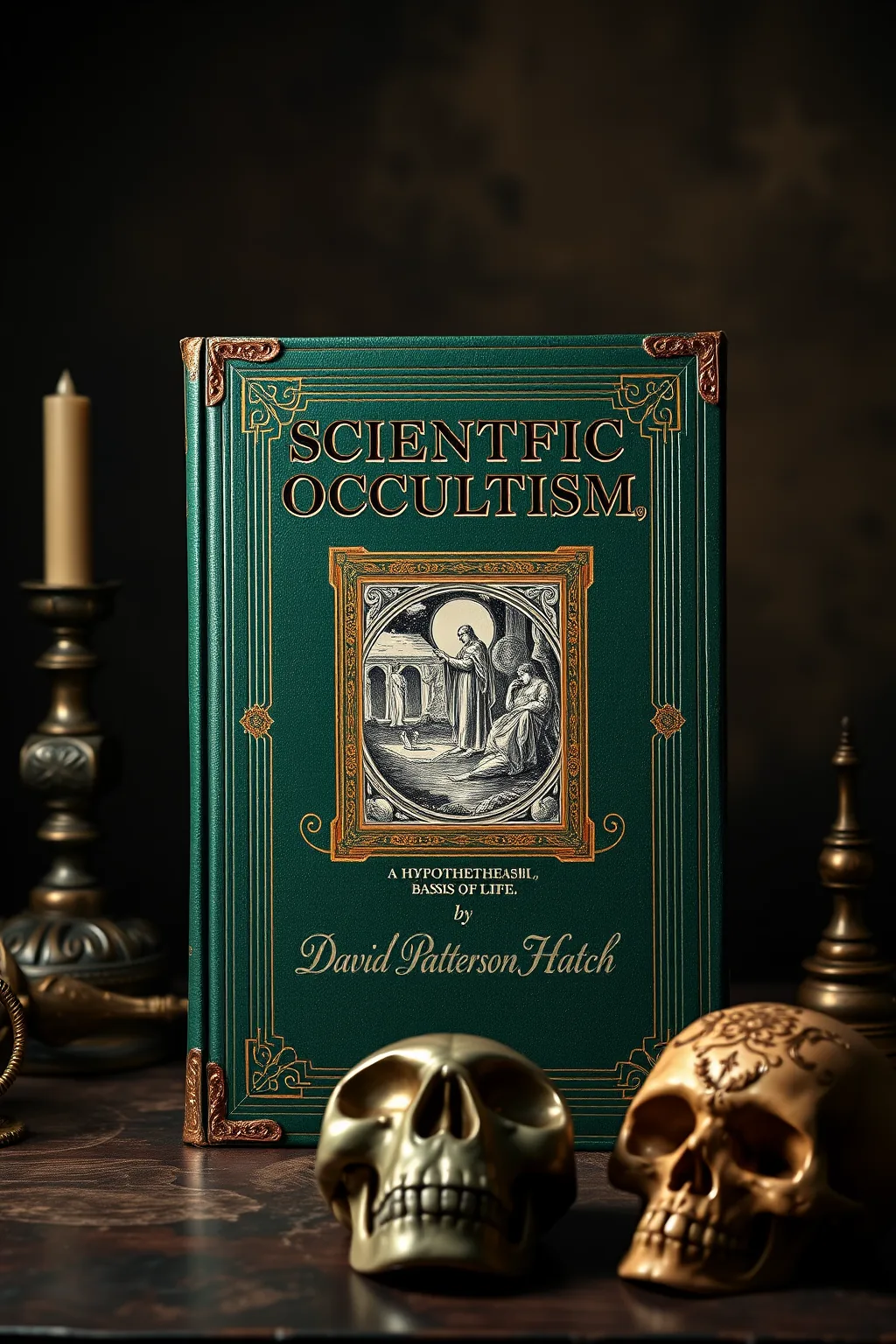
David Patterson Hatch's 'Scientific Occultism, a Hypothetical Basis of Life' is a seminal work that stands the test of time, offering valuable insights for modern esoteric seekers. Published in 1905, this book provides a fascinating blend of scientific inquiry and mystical traditions, making it a unique addition to the canon of occult literature. Hatch's exploration of the hypothetical foundations of life is both thought-provoking and enlightening, encouraging readers to question their assumptions about the nature of reality. The text is particularly relevant today, as it invites readers to consider the interconnectedness of all things and the potential for personal and spiritual growth through the understanding of hidden forces. Hatch's writing style is accessible yet profound, making 'Scientific Occultism' an essential read for anyone interested in the esoteric and occult philosophies.
📝 Description
73
David Patterson Hatch published 'Scientific Occultism, a Hypothetical Basis of Life' to propose a scientific framework for occult principles.
In 'Scientific Occultism, a Hypothetical Basis of Life,' David Patterson Hatch argues for a rational foundation for occult phenomena. He attempts to reconcile esoteric beliefs with scientific methodology, suggesting that the seemingly disparate fields share common ground. Hatch posits that understanding life's fundamental basis requires looking beyond conventional scientific paradigms. The book presents a philosophical argument for integrating mystical insights with empirical observation.
Hatch does not present a purely theoretical treatise; he aims to guide readers toward a comprehension of existence that encompasses both the material and the unseen. The work is structured to encourage a thoughtful examination of consciousness, energy, and the interconnectedness of all things. It is intended for individuals interested in exploring the theoretical underpinnings of esoteric traditions and their potential alignment with scientific thought.
This work emerges from the late 19th and early 20th-century surge in occult and spiritualist thought, a period where thinkers actively sought to synthesize spiritual or mystical traditions with emerging scientific discoveries. Hatch’s approach aligns with a lineage of esoteric writers who attempted to create structured, philosophical systems for phenomena that eluded mainstream scientific explanation. He engages with concepts prevalent in theosophy and other movements that sought to explain the universe through both material and immaterial forces.
💡 Why Read This Book?
Reading 'Scientific Occultism, a Hypothetical Basis of Life' today offers readers a unique opportunity to explore the intersection of science and spirituality. This book provides valuable insights into the esoteric and occult traditions, encouraging readers to consider the hidden forces that govern the universe. By delving into Hatch's work, modern seekers can gain a deeper understanding of the interconnectedness of all things and the potential for personal and spiritual growth. This text is particularly relevant for those interested in bridging ancient wisdom with contemporary thought, making it an essential read for anyone on a journey of spiritual discovery.
⭐ Reader Reviews
Honest opinions from readers who have explored this book.
❓ Frequently Asked Questions
What is the main focus of 'Scientific Occultism, a Hypothetical Basis of Life'?
The main focus of this book is to explore the hypothetical foundations of life by blending scientific inquiry with mystical traditions. It delves into the interconnectedness of all things and the potential for human beings to tap into hidden forces for personal and spiritual growth.
Is this book suitable for beginners in esoteric studies?
While 'Scientific Occultism' provides valuable insights, it is best suited for readers who have some background in esoteric and occult philosophies. Beginners may find the text challenging but rewarding.
How does this book contribute to modern esoteric seekers?
This book contributes to modern esoteric seekers by offering a unique perspective on the intersection of science and spirituality. It encourages readers to consider the hidden forces that govern the universe and the potential for personal and spiritual growth through the understanding of these forces.
🔮 Key Themes & Symbolism
The Intersection of Science and Mysticism
Hatch looks at the fascinating intersection of scientific inquiry and mystical experience, exploring how these seemingly disparate fields can inform and enrich each other. This theme is central to the book's philosophical significance, offering readers a unique perspective on the nature of life and the universe.
Symbolism and Hidden Knowledge
The book is rich in symbolic language, inviting readers to uncover the hidden knowledge that lies beneath the surface of our everyday experiences. Hatch's exploration of symbolism is both profound and evocative, making it a key theme in the book's esoteric insights.
The Nature of Life
One of the book's most intriguing themes is its exploration of the nature of life itself. Hatch's hypothesis offers a fresh perspective on this age-old question, drawing on both scientific and mystical traditions to provide a comprehensive and thought-provoking analysis.
💬 Memorable Quotes
Direct passages from the work, attributed to the author.
“Science and mysticism are two sides of the same coin, each informative the other in profound ways.”
— Hatch's exploration of the intersection of science and mysticism is a key theme in the book, highlighting the importance of integrating these fields.
“The nature of life is a mystery that has puzzled philosophers and scientists alike for centuries.”
— Hatch's hypothesis on the nature of life is a central theme in the book, offering a fresh perspective on this age-old question.
💡 Key Ideas
Editorial paraphrase of the work's core concepts — not direct quotes.
The universe is a vast range of hidden knowledge, waiting to be uncovered by those who dare to seek it.
This quote underscores the book's emphasis on the hidden nature of reality and the importance of seeking esoteric truths.
Symbolism is the language of the soul, speaking to us in ways that words alone cannot.
This quote emphasizes the book's rich symbolic language and its role in uncovering hidden knowledge.
To understand the universe, we must look beyond the surface and explore the depths of esoteric wisdom.
This quote underscores the book's emphasis on the importance of seeking hidden knowledge and esoteric truths.
🌙 Esoteric Significance
Tradition
This book belongs to the Hermetic tradition, which emphasizes the unity of all things and the pursuit of hidden knowledge. Hatch's exploration of the occult philosophy is deeply rooted in Hermetic principles, making it a valuable resource for those interested in this esoteric tradition.
Symbolism
Key symbols in the book include the concept of the 'vital force' and the 'universal consciousness,' both of which play a central role in Hatch's hypothesis. These symbols represent the interconnectedness of all things and the presence of a higher, spiritual reality underlying the physical world.
Modern Relevance
The book's modern relevance lies in its ability to bridge the gap between scientific inquiry and mystical experience, offering a fresh perspective on the nature of life and the universe. Today, practitioners of various esoteric traditions continue to draw on Hatch's insights, using them to deepen their understanding of the occult philosophy and its relevance in contemporary times.
👥 Who Should Read This Book
Beginners may find the book challenging due to its complex symbolism and philosophical depth, but it serves as an excellent introduction to the Hermetic tradition for those willing to delve deeper. Scholars of occult philosophy will appreciate the book's comprehensive exploration of the intersection of science and mysticism. Spiritual seekers will find Hatch's insights particularly enlightening, as they offer a unique perspective on the nature of life and the universe. Practitioners of esoteric traditions will benefit from the book's rich symbolic language and its emphasis on the pursuit of hidden knowledge.
📜 Historical Context
Published in an era marked by both scientific advancement and spiritual awakening, 'Scientific Occultism, a Hypothetical Basis of Life' by David Patterson Hatch stands as a evidence of the enduring quest for knowledge. Written during a time when the boundaries between science and mysticism were increasingly blurred, the book offers a unique perspective on the nature of life and the universe. Its influence can be seen in various esoteric traditions, where the integration of scientific inquiry and mystical experience continues to be a subject of interest and exploration.
📔 Journal Prompts
Reflect on the intersection of science and mysticism in your own life. How do these fields inform and enrich each other?
Consider the role of symbolism in uncovering hidden knowledge. What symbols resonate with you and why?
Explore the concept of the 'vital force' and its significance in your spiritual journey.
How does Hatch's hypothesis on the nature of life challenge or affirm your existing beliefs?
What steps can you take to deepen your understanding of the occult philosophy and its relevance in modern times?
🗂️ Glossary
Hermetic Tradition
An esoteric tradition that emphasizes the unity of all things and the pursuit of hidden knowledge.
Vital Force
A concept representing the life energy that permeates all living things.
Universal Consciousness
The idea of a higher, spiritual reality underlying the physical world.
Occult Philosophy
The study of hidden knowledge and esoteric traditions, often involving symbolic language and mystical experiences.
Esoteric
Pertaining to knowledge that is intended for a select group of people with special knowledge or interests.
This book appears in 3 collections
🔮 Readers Also Liked
Browse all →









From the “Occultism” Collection
View all →







More Free Occult Philosophy Books
View all →