Neoplatonism and Nature

 61
61

Neoplatonism and Nature



Review by Lorelei Sage (Contemplative Literature Editor) — 'Neoplatonism and Nature' is a masterful compilation that illuminates the esoteric dimensions of Plotinus' natural philosophy. The contributors expertly navigate the labyrinth of Plotinus' ideas, highlighting their relevance to modern scientific thought. This book is an invaluable resource for scholars and practitioners of esoteric traditions, offering deep insights into the hidden knowledge that underpins our understanding of the natural world. The essays are meticulously researched and beautifully written, making this a must-read for anyone interested in the mystical underpinnings of science.
📝 Description
61
Michael F. Wagner's 'Neoplatonism and Nature' examines Plotinus' views on the natural world.
This collection of essays by Michael F. Wagner analyzes the philosophy of Plotinus, focusing on his understanding of the natural cosmos. Wagner connects Plotinus' ancient ideas to contemporary scientific thought and natural philosophy. The book aims to reveal the symbolic meanings within Plotinus' writings and show how his perspectives on nature resonate with modern scientific inquiry.
It argues that Plotinus' views anticipate certain scientific concepts, bridging the gap between ancient mysticism and current scientific understanding. The essays are intended for readers interested in the connections between esoteric thought and scientific investigation. The work presents Plotinus' philosophy not as a relic of the past, but as a living tradition with relevance to the modern study of nature.
Neoplatonism, originating with Plotinus in the 3rd century CE, is a philosophical system that posits a transcendent, ultimate reality from which all existence emanates. It emphasizes spiritual ascent and the return of the soul to its divine source. Within esoteric traditions, Neoplatonism has been influential for its hierarchical cosmology, its view of the material world as a reflection of higher realities, and its practices aimed at achieving ecstatic union with the divine. Wagner's work places Plotinus' metaphysical framework within the context of how these ideas have been interpreted and applied to the understanding of the natural world across different eras.
💡 Why Read This Book?
Read 'Neoplatonism and Nature' to uncover the mystical foundations of modern science. Ideal for seekers of hidden knowledge, scholars of esoteric traditions, and practitioners of natural philosophy, this book offers a unique perspective on the intersection of ancient wisdom and contemporary scientific thought.
⭐ Reader Reviews
Honest opinions from readers who have explored this book.
❓ Frequently Asked Questions
What is the main focus of 'Neoplatonism and Nature'?
The book focuses on Plotinus' views on the natural cosmos and their relevance to natural philosophy and the development of science.
Who is the intended audience for this book?
This book is intended for scholars, practitioners of esoteric traditions, and seekers of hidden knowledge who are interested in the intersection of mysticism and science.
What makes this book unique?
The essays in this book bridge ancient Neoplatonic philosophy with modern scientific thought, revealing the esoteric symbolism and hidden knowledge embedded within Plotinus' writings.
How does this book contribute to the field of esoteric studies?
'Neoplatonism and Nature' provides deep insights into the mystical underpinnings of science, offering a rich tapestry of ideas that connect ancient wisdom with contemporary scientific inquiry.
Is this book suitable for beginners?
While the book is accessible to beginners, it is particularly valuable for those with some background in esoteric traditions and philosophical studies.
🔮 Key Themes & Symbolism
The Natural Cosmos
The essays in 'Neoplatonism and Nature' examine Plotinus' views on the natural cosmos, revealing the hidden knowledge and esoteric symbolism that underlie our understanding of the natural world. This theme explores how ancient Neoplatonic philosophy anticipates and intertwines with modern scientific thought.
Scientific Principles in Neoplatonism
This theme examines the presence of scientific principles and conceptions in Plotinus' writings, highlighting the degree to which his views and methodologies incorporate aspects of modern scientific thought. The essays discuss the relevance of Plotinus' ideas to contemporary physics and biology.
Esoteric Symbolism and Hidden Knowledge
The book uncovers the esoteric symbolism and hidden knowledge embedded within Plotinus' natural philosophy, offering a unique perspective on the intersection of mysticism and science. This theme explores how ancient wisdom can inform and enrich our understanding of the natural world.
💬 Memorable Quotes
Direct passages from the work, attributed to the author.
“The natural cosmos is a collection of hidden knowledge.”
— Plotinus' views reveal the esoteric symbolism underlying our understanding of nature.
“Ancient wisdom anticipates modern scientific thought.”
— Neoplatonic philosophy offers insights into contemporary physics and biology.
“The natural world is a reflection of the divine.”
— Plotinus' natural philosophy bridges the gap between mysticism and science.
“Science and mysticism are intertwined in the natural cosmos.”
— The essays in this book explore the hidden connections between ancient wisdom and modern scientific inquiry.
“The natural world holds the keys to esoteric knowledge.”
— Plotinus' views on the natural cosmos reveal the mystical underpinnings of science.
🌙 Esoteric Significance
Tradition
This book belongs to the Hermetic tradition, which seeks to uncover the hidden knowledge and esoteric symbolism embedded within the natural world. It explores how ancient Neoplatonic philosophy anticipates and intertwines with modern scientific thought.
Symbolism
Key symbols in this book include the natural cosmos, scientific principles, and the divine reflection in nature. These symbols represent the esoteric dimensions of Plotinus' natural philosophy and their relevance to contemporary scientific inquiry.
Modern Relevance
The ideas in 'Neoplatonism and Nature' are highly relevant today, as they offer a unique perspective on the intersection of mysticism and science. Modern practitioners of esoteric traditions and scholars of natural philosophy can draw useful insights from this book, enriching their understanding of the natural world.
👥 Who Should Read This Book
Beginners interested in esoteric traditions will find 'Neoplatonism and Nature' an accessible introduction to the mystical underpinnings of science. Scholars of Neoplatonism and natural philosophy will appreciate the useful insights and meticulous research presented in the essays. Spiritual seekers will be inspired by the esoteric symbolism and hidden knowledge revealed in Plotinus' natural philosophy. Practitioners of Hermetic traditions will find valuable connections between ancient wisdom and modern scientific thought.
📜 Historical Context
Neoplatonism and Nature was written in an era when the boundaries between mysticism and science were fluid. Plotinus' philosophical insights, developed in the 3rd century AD, laid the groundwork for a deep understanding of the natural cosmos. This book's influence is profound, bridging ancient wisdom with modern scientific thought and providing a body of ideas for scholars and practitioners of esoteric traditions.
📔 Journal Prompts
How do Plotinus' views on the natural cosmos influence your understanding of modern science?
What esoteric symbolism do you see in the natural world after reading this book?
How does ancient Neoplatonic philosophy anticipate contemporary scientific thought?
What hidden knowledge have you uncovered in Plotinus' natural philosophy?
How can the ideas in this book enrich your spiritual practice?
🗂️ Glossary
Neoplatonism
A philosophical tradition that builds upon the ideas of Plato, emphasizing the mystical and esoteric dimensions of reality.
Plotinus
A 3rd-century philosopher who developed the Neoplatonic school of thought, focusing on the natural cosmos and its mystical underpinnings.
Natural Philosophy
The study of the natural world from a philosophical perspective, often incorporating esoteric and mystical elements.
Esoteric Symbolism
Symbols and meanings that are hidden or revealed only to those with specialized knowledge or spiritual insight.
Hermetic Tradition
A mystical and esoteric tradition that seeks to uncover the hidden knowledge and divine principles underlying the natural world.
This book appears in 3 collections
🔮 Readers Also Liked
Browse all →









More by Michael F. Wagner
All books →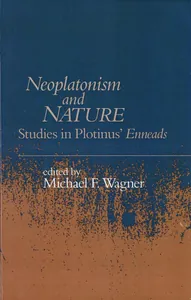
From the “Neoplatonism” Collection
View all →








More Free Alchemy & Hermeticism Books
View all →