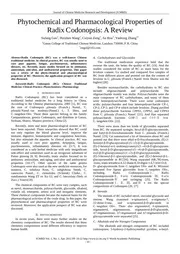
Nostradamus Predicts the End of the World
 73
73

Nostradamus Predicts the End of the World
Rene Noorbergen's attempt to map Nostradamus's quatrains onto apocalyptic futures offers a dense compilation of interpretations. The book excels in presenting a wide array of alleged predictions, from the French Revolution to more recent global conflicts, providing a thorough overview of how these verses have been historically applied. Noorbergen meticulously details specific quatrains and their proposed correlations, a feat that lends the work a certain academic rigor within its chosen field. However, the primary limitation lies in the inherent subjectivity of prophetic interpretation; the author often asserts connections with a certainty that overlooks alternative readings or the vagaries of Nostradamus's deliberately obscure language. A notable passage that exemplifies this is the interpretation of quatrain I.35, linking it to specific events of the late 20th century, which, while intriguing, relies heavily on a selective reading of historical facts. The work provides a comprehensive overview of a particular interpretive lens on Nostradamus, but readers should approach its conclusions with a critical eye toward the methods of prophecy decoding. Nostradamus Predicts the End of the World serves as a comprehensive, albeit heavily interpreted, guide to apocalyptic prophecies linked to the famous seer.
📝 Description
73
Rene Noorbergen's 1991 book examines Nostradamus's quatrains for predictions of global catastrophe.
Nostradamus Predicts the End of the World by Rene Noorbergen analyzes the quatrains of Michel de Nostredame, focusing on interpretations that connect these verses to apocalyptic events and major world changes. The book compiles and analyzes predictions regarding catastrophic incidents, political shifts, and societal transformations. It offers a thorough look at one of the most persistent figures in prophetic literature.
This work is for readers interested in prophetic traditions, especially those concerning end times. Students of occult history, amateur historians examining how past prophecies relate to current events, and those curious about Nostradamus's lasting appeal will find it engaging. It also suits individuals who enjoy decoding symbolic language and observing the connections between history, belief, and foresight.
Published in 1991, Noorbergen's book appeared during a time of renewed interest in esoteric and apocalyptic ideas. This period, marked by geopolitical changes like the fall of the Berlin Wall, saw a rise in popular media discussing conspiracy theories and prophetic interpretations. Nostradamus's quatrains became a central point for future-oriented discussions, and this book engaged with contemporary anxieties through ancient prophecy.
This book fits within the tradition of apocalyptic literature and prophecy interpretation, particularly focusing on the enduring fascination with Nostradamus. It examines how his 16th-century quatrains have been repeatedly reinterpreted through subsequent centuries to forecast future events, often with a specific emphasis on cataclysmic scenarios. The work taps into a long-standing human interest in foretelling the future and understanding perceived patterns in history through prophetic symbolism, placing it within a lineage of divination and eschatological thought.
💡 Why Read This Book?
• Understand the specific methods used to interpret Nostradamus's quatrains, particularly concerning events like the rise of Napoleon, offering insight into symbolic decoding techniques. • Explore the historical connections drawn between specific quatrains and major 20th-century conflicts, such as World War I, to grasp how prophecy is applied to documented history. • Gain a perspective on end-times interpretations as presented in the 1991 publication context, examining how the book engaged with contemporary anxieties through the lens of Michel de Nostredame's writings.
⭐ Reader Reviews
Honest opinions from readers who have explored this book.
❓ Frequently Asked Questions
When was Nostradamus Predicts the End of the World first published?
The book by Rene Noorbergen was first published in 1991, reflecting a period of significant global change and renewed interest in prophetic literature.
What is the main focus of Rene Noorbergen's book on Nostradamus?
The book primarily focuses on interpreting Nostradamus's quatrains as predictions of major world events and apocalyptic scenarios, detailing alleged correlations with historical occurrences.
Are the interpretations in Nostradamus Predicts the End of the World universally accepted?
No, the interpretations are highly subjective and often debated. The book presents one perspective on deciphering Nostradamus's cryptic verses, which are intentionally ambiguous and open to multiple readings.
Does the book discuss specific end-times prophecies?
Yes, the book extensively explores interpretations of Nostradamus's quatrains that are believed to foretell catastrophic global events and the end of the world as we know it.
What historical context is relevant to the book's publication?
Published in 1991, the book emerged during a time of geopolitical shifts like the fall of the Soviet Union, which often fueled speculation and interest in end-times prophecies.
Who was Nostradamus?
Nostradamus, born Michel de Nostredame in 1503, was a French apothecary and reputed seer whose book 'Les Propheties' (1555) contains a collection of over 900 quatrains allegedly predicting future events.
🔮 Key Themes & Symbolism
Apocalyptic Quatrain Interpretation
The central theme is the decoding of Nostradamus's quatrains, specifically those interpreted as foretelling global catastrophes and the end of the world. Noorbergen meticulously examines verses, linking them to historical events and projecting potential future calamities. This involves analyzing recurring symbols and cryptic phrases that proponents believe point to specific dates, figures, and disasters. The work showcases how these prophecies have been applied to understand societal anxieties and the perceived cyclical nature of history, particularly in the context of major world upheavals.
Historical Event Correlation
A significant aspect of the book is the detailed correlation of Nostradamus's predictions with documented historical events. Noorbergen presents arguments for how verses accurately foretold occurrences such as the French Revolution, the rise of Napoleon Bonaparte, and the devastating impacts of World War I and II. This theme explores the methodology used to find parallels between the seer's obscure language and the concrete realities of past human conflict and societal transformation, highlighting the enduring appeal of predictive accuracy.
Prophetic Cycles and World Change
The book engages with the idea of prophetic cycles influencing the course of human history. It suggests that Nostradamus's visions offer insights into impending eras of profound change, including societal collapse and renewal. This theme examines the concept of a predetermined destiny or a cyclical pattern of rise and fall as perceived through the lens of prophecy. It explores how such interpretations can provide a framework for understanding global shifts and the potential for widespread disruption or transformation.
The Seer's Legacy and Modern Relevance
Noorbergen's work also touches upon the enduring legacy of Nostradamus himself and the continued relevance of his prophecies in contemporary times. The book positions the seer as a figure whose insights transcend his era, offering guidance or warnings for future generations. This theme looks at why Nostradamus's predictions continue to capture public imagination, especially during times of uncertainty, and how his quatrains are reinterpreted to address modern fears and global challenges.
💬 Memorable Quotes
Direct passages from the work, attributed to the author.
“The quatrains describe events before they happen.”
— This statement captures the core belief underpinning the study of Nostradamus's work. It suggests that the verses are not mere poetry but actual foretellings, intended to provide foreknowledge of significant future occurrences, particularly those of a calamitous nature.
“Specific verses have been linked to the French Revolution.”
— This highlights the practice of historical validation in interpreting Nostradamus. Proponents of his prophetic abilities often point to specific quatrains that appear to accurately describe major historical events, using them as evidence for the seer's prescience.
“Interpreting the prophecies requires understanding symbolic language.”
— This acknowledges the inherent difficulty in deciphering Nostradamus's work. His use of allegory, metaphor, and obscure references means that understanding requires a deep dive into the potential meanings of his symbolic lexicon.
“The predictions often point to times of great conflict.”
— This emphasizes the recurring theme of war and disaster within Nostradamus's prophecies. Many interpretations focus on verses that are believed to foretell widespread violence, societal upheaval, and large-scale destruction.
“Nostradamus's visions extend to the end of the world.”
— This directly addresses the book's central thesis, suggesting that the seer's foresight was not limited to historical events but encompassed eschatological prophecies concerning the ultimate fate of humanity and the planet.
🌙 Esoteric Significance
Tradition
Nostradamus's work is situated within the Western esoteric tradition of prophecy and divination, drawing from astrological, alchemical, and biblical sources. While not strictly adhering to a singular lineage like Kabbalah or Hermeticism, his quatrains are often analyzed through interpretive frameworks common to these traditions, seeking hidden meanings and symbolic correspondences. The book itself acts as a modern attempt to bridge the gap between these ancient predictive methods and contemporary anxieties about global futures, extending the practice of prophetic interpretation into the late 20th century.
Symbolism
Key symbols within Nostradamus's quatrains, as explored in the book, often include celestial bodies (stars, comets) signifying divine influence or portents, animals (eagles, lions) representing nations or powerful figures, and natural disasters (floods, fires) indicating periods of extreme upheaval. These symbols are interpreted not literally but as allegorical representations of geopolitical events, societal transformations, and apocalyptic occurrences, requiring a layered understanding typical of esoteric symbolism.
Modern Relevance
The work continues to resonate with contemporary thinkers and practitioners interested in predictive systems and eschatology. It serves as a reference point for those exploring the intersection of historical prophecy and modern global events, influencing discussions on everything from geopolitical forecasting to spiritual preparedness. Modern interpretations of Nostradamus, including those building upon Noorbergen's analysis, are found in online communities, alternative history circles, and among individuals seeking to understand perceived patterns of global change through a historical prophetic lens.
👥 Who Should Read This Book
• Students of prophetic literature and historical divination seeking to understand interpretations of Nostradamus's quatrains, particularly concerning apocalyptic themes. • Amateur historians and researchers interested in how past prophecies are applied to contemporary global events and societal anxieties. • Readers fascinated by the decoding of symbolic language and the historical reception of prophetic figures like Nostradamus.
📜 Historical Context
Published in 1991, Rene Noorbergen's *Nostradamus Predicts the End of the World* arrived during a period marked by significant global upheaval and a surge in popular interest in esoteric and prophetic literature. The late 20th century saw the dissolution of the Soviet Union in 1991, the fall of the Berlin Wall in 1989, and ongoing regional conflicts, all of which fueled widespread speculation about future world order and apocalyptic scenarios. This era was also characterized by a growing media fascination with conspiracy theories and fringe beliefs. In this climate, books that offered interpretations of ancient prophecies, like those of Nostradamus, found a receptive audience eager for explanations or frameworks to understand perceived global instability. Noorbergen's work tapped into this zeitgeist, offering a comprehensive analysis of how Nostradamus's 16th-century quatrains could be read as direct predictions of modern and future crises. Contemporary authors like Hal Lindsey, who gained prominence with *The Late Great Planet Earth* (1970), had already paved the way for popular apocalyptic literature, creating a market for works that connected biblical or historical prophecies to current events.
📔 Journal Prompts
Nostradamus's quatrains as predictions of future events: what patterns emerge?
The symbolism of celestial bodies in prophetic literature: explore its meaning.
Historical events linked to Nostradamus's verses: analyze the correlation.
End-times interpretations: compare Noorbergen's views with other sources.
The role of prophecy in understanding societal change: reflect on its impact.
🗂️ Glossary
Quatrain
A four-line stanza of poetry. Nostradamus famously wrote over 900 quatrains in his book 'Les Propheties,' which are the basis for most interpretations of his prophecies.
Prophecy
A prediction of future events, often believed to be divinely inspired or the result of supernatural insight. Nostradamus's work is a prime example of prophetic literature.
Eschatology
The branch of theology concerned with the final destiny of the soul and of humankind. In this context, it refers to predictions about the end of the world.
Divination
The practice of seeking knowledge of the future or the unknown by supernatural means. Nostradamus's methods are often discussed in relation to various forms of divination.
Symbolism
The use of symbols to represent ideas or qualities. In Nostradamus's quatrains, symbols are used to obscure direct references to people, places, and events.
Apocalypse
A prophetic disclosure or revelation, often concerning the end of the world or a great, transformative event. The book specifically focuses on such interpretations.
Michel de Nostredame
The full name of the 16th-century French astrologer and seer, known as Nostradamus, who authored 'Les Propheties'.
This book appears in 1 collection
🔮 Readers Also Liked
Browse all →









From the “Nostradamus” Collection
View all →






More Free Occult Philosophy Books
View all →