An introduction to the Golden Dawn tarot
 73
73

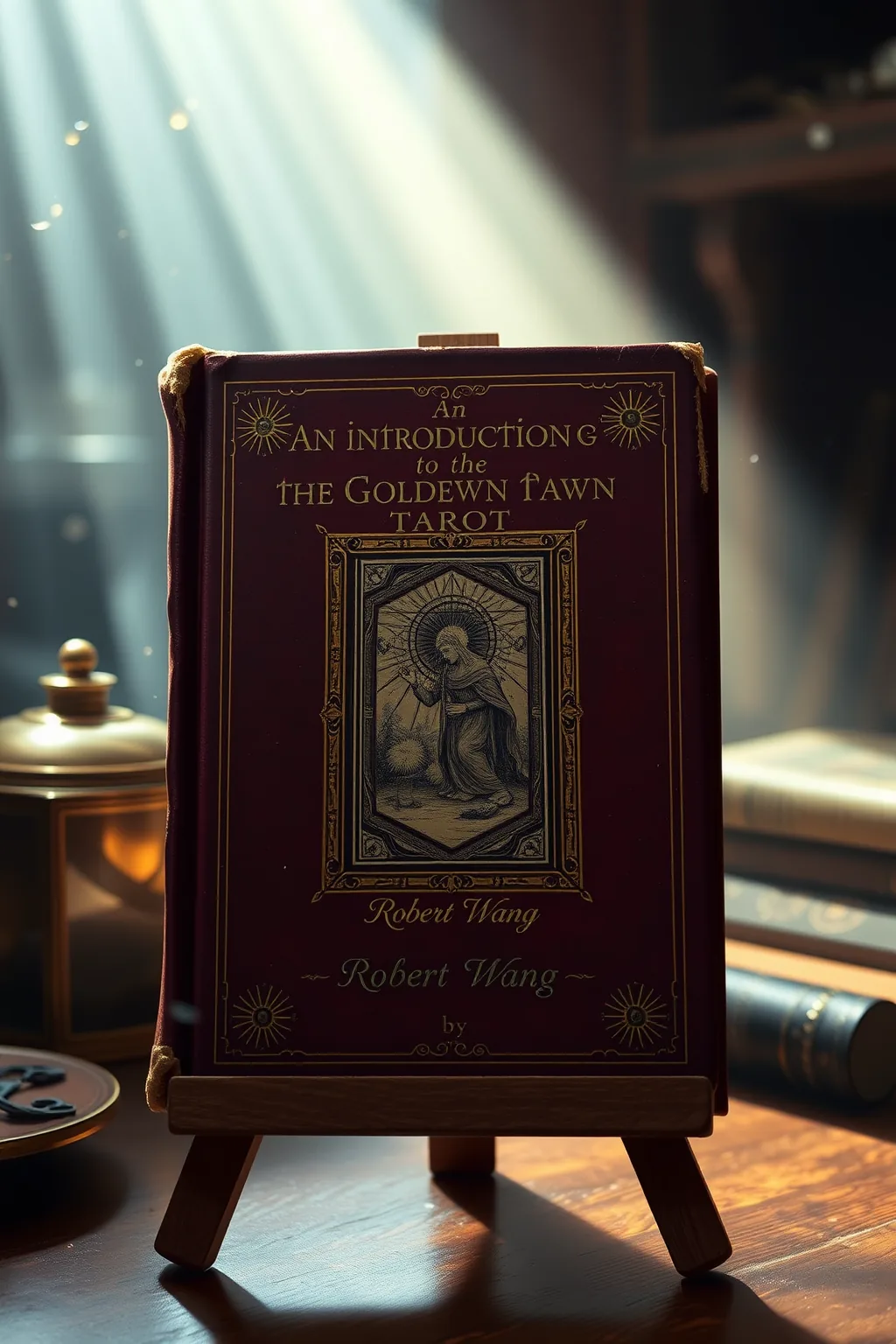
An introduction to the Golden Dawn tarot
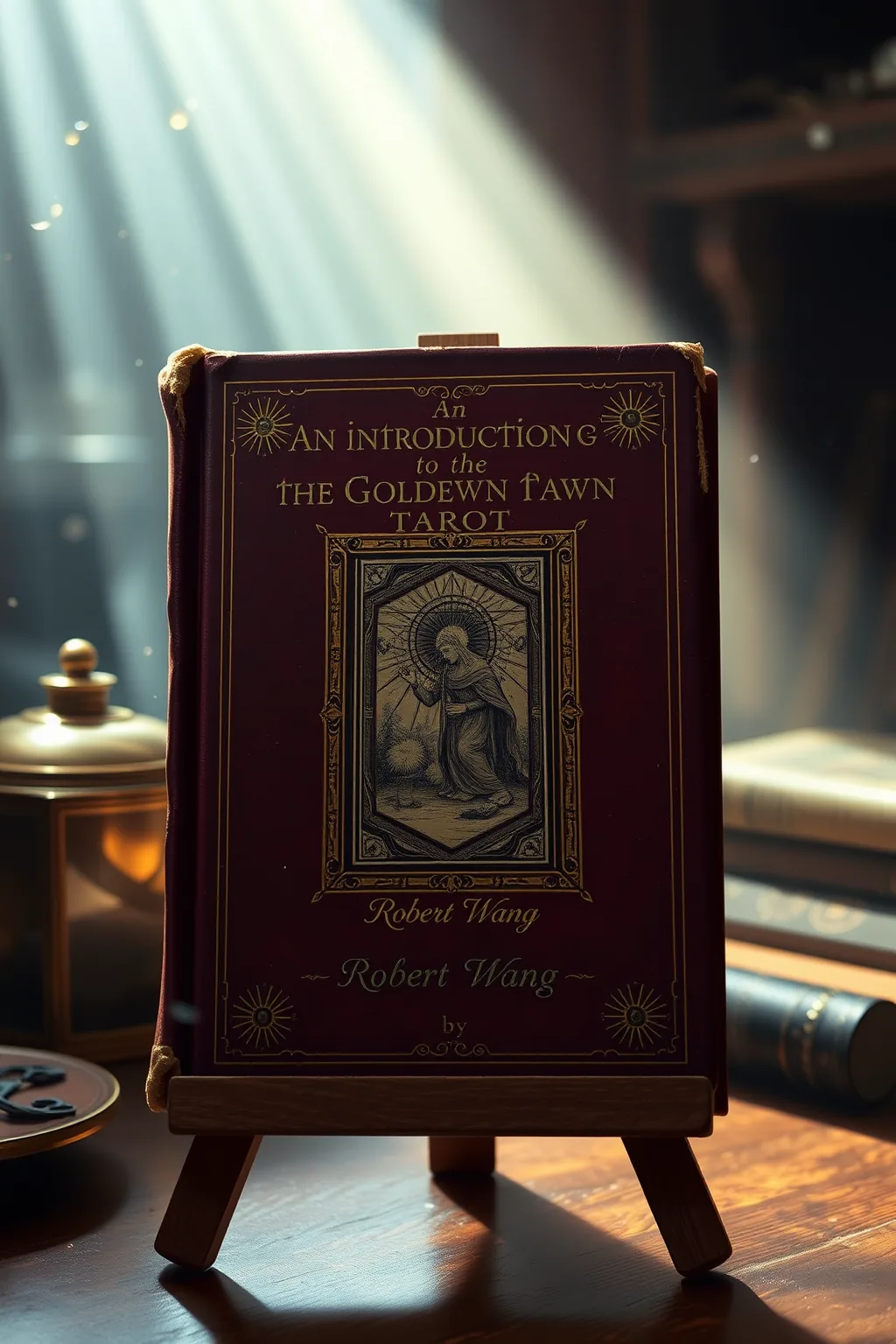
Robert Wang's An Introduction to the Golden Dawn Tarot offers a rigorously structured examination of the Rider-Waite-Smith deck through the lens of its most influential magical lineage. The book's strength lies in its encyclopedic detail, meticulously cross-referencing tarot imagery with Qabalistic, astrological, and elemental systems. Wang’s treatment of the Qabalistic correspondences, particularly the mapping of the Major Arcana onto the Tree of Life, provides a solid framework for understanding the tarot's esoteric architecture. However, the sheer density of information, while admirable, can be daunting for those not already conversant with Qabalah or Golden Dawn terminology. A passage detailing the twenty-two paths on the Tree of Life and their associated Major Arcana cards exemplifies this thoroughness, yet demands significant prior knowledge. For the dedicated student, this text serves as an indispensable reference, though its academic tone may alienate those seeking a more intuitive or purely divinatory guide. It stands as a critical scholarly resource for understanding the esoteric underpinnings of a widely used tarot system.
📝 Description
73
Robert Wang's An Introduction to the Golden Dawn Tarot was first published in 1978.
This book examines the tarot system developed by the Hermetic Order of the Golden Dawn. It details the correspondences and symbolism within the Rider-Waite-Smith deck, which the author notes was influenced by Golden Dawn teachings. Wang connects each card to Kabbalah, astrology, and the elemental system, explaining the philosophical and spiritual ideas behind them.
The text is for those seriously studying Western esotericism, especially the structure of modern magical systems. It offers a scholarly look at tarot, beyond simple fortune telling, to its use in spiritual growth and magical work. Both experienced practitioners and newcomers can find value in understanding the tarot's esoteric framework as presented here.
The 1978 publication coincided with renewed interest in occultism. The Golden Dawn, active in the late 19th and early 20th centuries, unified various occult traditions into a structured magical system. Wang's work directly addresses this historical synthesis, placing it within the context of figures like Aleister Crowley and Arthur Edward Waite, who also engaged with tarot and esoteric systems.
This book is situated within the study of Western esotericism, specifically focusing on the Hermetic Order of the Golden Dawn's contributions to tarot. The Golden Dawn synthesized Qabalah, Hermeticism, and Rosicrucianism into a formal magical system. Wang's work connects the Rider-Waite-Smith deck, a key artifact in modern tarot, to these foundational esoteric principles, offering a detailed analysis of its symbolic language and divinatory applications as understood through this influential magical order.
💡 Why Read This Book?
• Gain a structured understanding of the Qabalistic correspondences mapped onto the Rider-Waite-Smith tarot, as detailed in the book's extensive sections on the Tree of Life and its paths. • Comprehend the historical significance of the Hermetic Order of the Golden Dawn in shaping modern Western esotericism, particularly as it pertains to tarot interpretation and magical practice. • Learn the esoteric symbolism of the Major and Minor Arcana beyond simple divinatory meanings, as presented through elemental, astrological, and Qabalistic frameworks detailed by Robert Wang.
⭐ Reader Reviews
Honest opinions from readers who have explored this book.
❓ Frequently Asked Questions
What is the primary focus of Robert Wang's An Introduction to the Golden Dawn Tarot?
The book primarily focuses on the esoteric system of the Rider-Waite-Smith tarot deck as interpreted through the teachings of the Hermetic Order of the Golden Dawn, detailing Qabalistic, astrological, and elemental correspondences.
When was An Introduction to the Golden Dawn Tarot first published?
An Introduction to the Golden Dawn Tarot was first published in 1978, marking a significant contribution to occult scholarship during a period of renewed interest in esoteric traditions.
How does this book connect tarot to Qabalah?
The work meticulously maps each of the 22 Major Arcana cards to specific paths and Sephiroth on the Qabalistic Tree of Life, providing a detailed framework for understanding their esoteric relationships.
Is this book suitable for absolute beginners in tarot?
While comprehensive, the book assumes some familiarity with Qabalistic and esoteric concepts. Beginners might find it more beneficial after consulting introductory texts on tarot or Qabalah.
What is the significance of the Rider-Waite-Smith deck in relation to the Golden Dawn?
The Rider-Waite-Smith deck, created by Arthur Edward Waite and illustrated by Pamela Colman Smith, was heavily influenced by the esoteric teachings of the Golden Dawn, making Wang's analysis particularly relevant.
Does the book cover divination methods?
While the book provides the esoteric foundation for tarot, its primary emphasis is on the symbolic and Qabalistic structure rather than specific divination techniques or spread interpretations.
🔮 Key Themes & Symbolism
Qabalistic Correspondences
This book meticulously details the mapping of the 78 tarot cards, particularly the Major Arcana, onto the Qabalistic Tree of Life. It elucidates how each card's symbolism aligns with specific Sephiroth and paths, forming a coherent esoteric framework. The Minor Arcana are also analyzed through their elemental and astrological associations, revealing a complex system of divine and cosmic energies encoded within the deck. Wang's work emphasizes this structural integration as fundamental to understanding the tarot's spiritual significance and its use in magical practice.
Hermetic Order Influence
The text is deeply rooted in the teachings and practices of the Hermetic Order of the Golden Dawn, a foundational organization in modern Western esotericism. It presents the tarot not as a standalone divinatory tool but as an integral component of a larger magical system developed by the Order. Wang explores how Golden Dawn adepts synthesized various esoteric traditions, including Qabalah, Hermeticism, and Rosicrucianism, to create a comprehensive approach to spiritual attainment, with the tarot serving as a key symbolic language.
Symbolic Language of the Tarot
Beyond simple pictorial representation, Wang examines the profound symbolic language embedded within each tarot card. He interprets the imagery of the Rider-Waite-Smith deck, influenced by Golden Dawn members, as carrying layers of meaning related to the elements, planets, zodiac signs, and Qabalistic concepts. The book encourages readers to see the cards as archetypal representations of cosmic forces and spiritual processes, facilitating a deeper engagement with the tarot as a tool for self-knowledge and magical working.
Esoteric Tarot as a Spiritual Tool
An Introduction to the Golden Dawn Tarot positions the tarot as a potent instrument for spiritual development and magical practice, rather than solely for fortune-telling. The book guides readers through understanding the tarot's structure and symbolism as a map of consciousness and the cosmos. It suggests that by internalizing the wisdom of the cards, practitioners can achieve greater self-awareness, align with universal forces, and engage in ritualistic practices that foster spiritual growth and transformation.
💬 Memorable Quotes
Direct passages from the work, attributed to the author.
“The twenty-two paths on the Tree of Life correspond to the twenty-two Major Arcana.”
— This statement highlights a core tenet of Golden Dawn tarot interpretation: the direct correlation between the Major Arcana cards and the paths connecting the Sephiroth on the Qabalistic Tree of Life, forming a foundational mapping of esoteric knowledge.
“Each card is imbued with a complex system of correspondences.”
— This emphasizes that the tarot cards are not merely images but intricate symbols, each linked to multiple layers of esoteric tradition, including Qabalah, astrology, and elemental forces, as explored in detail throughout the book.
“The tarot serves as a symbolic representation of the universe and the human soul.”
— This interpretation underscores the book's perspective on the tarot as a microcosmic map reflecting macrocosmic principles and the journey of the soul, integral to understanding its role in spiritual disciplines.
“Understanding the elemental attribution of the Minor Arcana is crucial.”
— This points to the importance of the four elements (Fire, Water, Air, Earth) and their distribution across the suits and numbers of the Minor Arcana for a complete esoteric interpretation.
“The Rider-Waite deck's imagery owes much to Golden Dawn teachings.”
— This highlights the direct lineage and influence of the Hermetic Order of the Golden Dawn on the visual design and symbolic content of the widely popular Rider-Waite-Smith tarot deck.
🌙 Esoteric Significance
Tradition
This work is firmly situated within the Western Esoteric Tradition, specifically drawing from the lineage of the Hermetic Order of the Golden Dawn. It represents a systematic attempt to codify and explain the Order's approach to the tarot, integrating Qabalistic cosmology, Hermetic philosophy, and elemental and astrological correspondences. The book serves as a bridge, making the intricate teachings of a historically influential magical order accessible to a wider audience interested in esoteric studies.
Symbolism
Key symbols explored include the Tree of Life, where the Major Arcana are mapped onto its paths and Sephiroth, representing a cosmic and spiritual hierarchy. The four elements (Fire, Water, Air, Earth) and their interplay within the suits of the Minor Arcana are also central, detailing how they manifest divine energies. Additionally, the book examines the alchemical symbolism and archetypal figures present on the cards, interpreting them as keys to understanding spiritual transformation and the nature of reality.
Modern Relevance
Contemporary practitioners and scholars of Western esotericism continue to draw heavily on the foundational work established by the Golden Dawn and illuminated by texts like Wang's. Modern magical orders, tarot study groups, and individual occultists often reference these Qabalistic and elemental frameworks when working with the Rider-Waite-Smith deck. Thinkers exploring the history of magic and comparative religion also utilize such detailed analyses to understand the evolution and syncretic nature of esoteric traditions.
👥 Who Should Read This Book
• Students of Western Esotericism seeking to understand the historical development and symbolic structure of tarot as taught by influential magical orders. • Practitioners of Qabalah interested in exploring the practical application of the Tree of Life through the archetypal imagery of the Major and Minor Arcana. • Tarot enthusiasts who wish to move beyond basic divination to grasp the deeper esoteric, philosophical, and magical dimensions of the Rider-Waite-Smith deck.
📜 Historical Context
The publication of Robert Wang's An Introduction to the Golden Dawn Tarot in 1978 emerged during a significant revival of interest in Western esotericism. The Hermetic Order of the Golden Dawn, a secretive magical society founded in 1888, had profoundly influenced occultism in the late 19th and early 20th centuries. Its members, including figures like Aleister Crowley and Arthur Edward Waite, were instrumental in developing and disseminating complex systems of magic and mysticism, often drawing from Qabalah, Hermeticism, and Rosicrucianism. Waite, in particular, co-created the iconic Rider-Waite tarot deck in 1909, which became the standard for many subsequent decks and interpretations. Wang's book directly addresses this legacy, providing a detailed exegesis of the tarot through the specific lens of the Golden Dawn's teachings, offering a structured alternative to other contemporary occult systems like Thelema or the more general New Age interpretations of tarot that were also gaining traction.
📔 Journal Prompts
Analyze the correspondence between the Ace of Swords and the Kether on the Tree of Life.
Reflect on the elemental attributions of the court cards in relation to their astrological counterparts.
Consider the symbolism of the Fool's journey across the twenty-two paths.
How does the integration of Egyptian motifs influence the esoteric meaning of specific cards?
Examine the relationship between the Golden Dawn's magical system and its tarot interpretations.
🗂️ Glossary
Qabalah
A complex system of Jewish mysticism and esoteric philosophy that uses symbolic interpretation, particularly of the Hebrew alphabet and scripture, to understand the nature of God and the universe. It heavily influenced Western esotericism.
Tree of Life
A central diagram in Qabalah, consisting of ten Sephiroth (emanations or divine attributes) connected by twenty-two paths. It serves as a map of creation, consciousness, and the spiritual journey.
Sephirah
Singular of Sephiroth. In Qabalah, these are the ten divine emanations or attributes through which the infinite God (Ein Sof) reveals itself and creates the universe.
Hermeticism
A philosophical and religious tradition based on the purported teachings of Hermes Trismegistus. It emphasizes the unity of all things, the principle of 'as above, so below,' and the pursuit of spiritual knowledge.
Correspondence
In esoteric systems, a link or relationship between different elements, symbols, or concepts, often used to build complex symbolic frameworks (e.g., associating tarot cards with planets or Qabalistic Sephiroth).
Major Arcana
The trump cards of a tarot deck, typically numbered 0 through 21. They represent significant life events, spiritual lessons, and archetypal forces.
Minor Arcana
The four suits of a tarot deck (Wands, Cups, Swords, Pentacles/Disks), consisting of numbered cards and court cards. They represent the mundane events and experiences of daily life.
🔮 Readers Also Liked
Browse all →
More by Robert Wang
All books →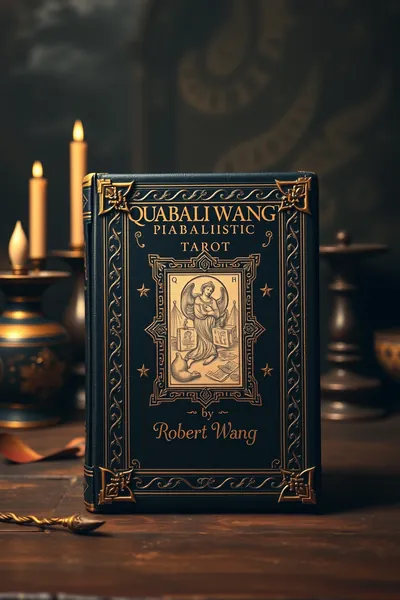
More Free Occult Philosophy Books
View all →