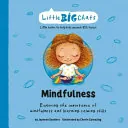
Mindfulness
 73
73

Mindfulness
Lone Overby Fjorback's *Mindfulness* presents a refreshingly direct method for managing intrusive thoughts. The book’s strength lies in its actionable advice, focusing intently on the mechanics of attention redirection. Fjorback avoids esoteric jargon, instead offering a clear, almost physiological explanation of how to interrupt negative feedback loops. A passage detailing the sensation of breath as an anchor, emphasizing its tangible, ever-present nature, particularly stands out for its clarity. However, the work could benefit from a more robust exploration of the underlying philosophical assumptions; while practical, the 'why' behind this specific form of attention training remains somewhat implicit. Despite this, the book provides a solid toolkit for anyone struggling with persistent negative rumination.
📝 Description
73
Lone Overby Fjorback's 2011 book offers a practical method for mental discipline.
This work by Lone Overby Fjorback, first published in 2011, presents a practical approach to mental discipline. It focuses on intercepting negative thought patterns before they solidify into self-perpetuating cycles. The core method involves consciously cultivating attention towards bodily sensations, present-moment awareness, and sensory input. Readers seeking to disengage from rumination and anxiety will find value here. It is suited for those interested in developing a more grounded and less reactive relationship with their internal states. Individuals drawn to Eastern philosophies but seeking a secular, accessible framework will also benefit.
Fjorback's book emerged during a period of significant popularization of mindfulness practices in the West. While drawing on ancient contemplative traditions, its approach is decidedly secular, distinguishing it from more religiously-oriented texts. It gained traction alongside a growing academic and clinical interest in the psychological benefits of attention training. The central tenet is the active redirection of attention, recognizing unwanted thoughts and emotions as transient phenomena. By anchoring awareness in the physical body and immediate sensory environment, the book proposes a method to break the momentum of negative mental states through consistent, deliberate practice.
Published in 2011, Fjorback's work participates in the broader Western integration of contemplative practices, which often draw from ancient Eastern traditions. While explicitly secular, its emphasis on attention training and present-moment awareness connects it to lineages of Buddhist Vipassanā and general meditation techniques. The book distinguishes itself by framing these methods within a modern psychological context, aiming to provide tools for managing rumination and anxiety without recourse to religious dogma. This secularization aligns with trends seen in figures like Jon Kabat-Zinn, though Fjorback offers a specific perspective on disrupting negative mental feedback loops.
💡 Why Read This Book?
• Learn to identify and interrupt self-defeating thought patterns by focusing on bodily presence, a technique detailed throughout the book's practical exercises. • Develop a more stable present-moment awareness, drawing on the book's guidance to use sensory input as an anchor against mental drift. • Gain a method for preventing negative emotions from escalating, as outlined in the 2011 publication's focus on conscious attention training.
⭐ Reader Reviews
Honest opinions from readers who have explored this book.
❓ Frequently Asked Questions
What is the core technique Fjorback recommends for stopping negative thoughts?
The core technique involves consciously redirecting attention towards bodily sensations and the immediate sensory environment. This practice, detailed in the 2011 publication, aims to interrupt the self-reinforcing cycle of negative thinking.
How does this book differ from other mindfulness guides?
This book distinguishes itself by its explicit focus on preventing negative thought spirals rather than general well-being. It offers a direct, almost mechanical approach to attention training, grounded in sensory awareness.
Is this book suitable for beginners in meditation?
Yes, the book is highly accessible for beginners. It avoids complex terminology and provides straightforward instructions for cultivating present-moment awareness through sensory focus.
What is the intended outcome of practicing the techniques in Mindfulness?
The intended outcome is to gain control over one's mental state by preventing negative thoughts and emotions from becoming self-amplifying cycles, fostering a more balanced inner experience.
When was Mindfulness first published?
The book 'Mindfulness' by Lone Overby Fjorback was first published in 2011, placing it within a period of growing interest in secular mindfulness practices.
Does the book discuss the neuroscience of mindfulness?
While the book focuses on practical application, its techniques align with modern understandings of neuroplasticity and attention control, though it predates some of the more detailed neurological research that followed its 2011 publication.
🔮 Key Themes & Symbolism
Attention Redirection
The central theme is the active and conscious redirection of attention as a primary tool for mental regulation. Fjorback emphasizes that negative thought patterns become problematic when attention is left unchecked, allowing them to escalate. The book provides specific exercises to practice shifting focus from ruminative thoughts to tangible sensory experiences, such as breath or bodily sensations. This deliberate retraining of attention is presented not as a passive state but as an active practice for regaining internal equilibrium.
Breaking Negative Cycles
A key concept explored is the self-perpetuating nature of negative thoughts and emotions. The work details how these states can become vicious cycles, feeding on themselves and intensifying over time. By intervening with conscious awareness, the book proposes a method to halt this escalation. The focus is on recognizing the initial stages of such cycles and applying attention-based techniques to prevent them from gaining momentum and overwhelming the individual's mental state.
Embodiment and Sensory Awareness
The book strongly advocates for grounding oneself in the physical body and immediate sensory input. This is presented as a counter-balance to abstract, often negative, mental constructs. By paying close attention to what is being sensed in the present moment—the feeling of breath, the contact of feet on the ground, subtle bodily sensations—individuals can anchor their awareness and detach from distressing thoughts. This emphasis on sensory experience is a core technique for cultivating presence and reducing mental reactivity.
Conscious Presence
Cultivating conscious presence, or mindfulness, is the overarching goal. This state is defined not merely as relaxation, but as an alert, non-judgmental awareness of one's internal and external experience. The book guides the reader in developing this capacity through consistent practice, aiming to foster a more stable and less reactive state of being. Conscious presence, in this context, is the foundation upon which the ability to break negative cycles is built.
💬 Memorable Quotes
Direct passages from the work, attributed to the author.
“Training attention towards the body, presence, and sensory input.”
— This captures the core methodology presented in the work, emphasizing the practical, sensory-grounded approach to mental discipline Fjorback advocates.
“Recognizing thoughts as transient phenomena, not fixed realities.”
— This interpretation underscores the book's perspective on the nature of thought, encouraging detachment and reducing the power negative cognitions hold over the individual.
“The breath as a constant, tangible anchor.”
— This highlights a specific, commonly used technique within the book for establishing present-moment awareness, emphasizing its accessibility and reliability.
“Consciously choosing where to direct awareness.”
— This emphasizes the active, volitional aspect of the practice, positioning mindfulness not as a passive state but as a skill that can be intentionally cultivated.
💡 Key Ideas
Editorial paraphrase of the work's core concepts — not direct quotes.
Preventing negative thoughts from becoming self-amplifying circles.
This paraphrased concept highlights the book's primary objective: to equip readers with techniques to stop destructive rumination before it gains momentum and intensifies.
🌙 Esoteric Significance
Tradition
While presented in a secular manner, the techniques described in *Mindfulness* echo core principles found in various contemplative traditions, particularly Buddhist Vipassanā (insight meditation) and Stoic philosophy. Its emphasis on focused attention, awareness of the present moment, and non-judgmental observation of mental phenomena aligns with practices aimed at achieving equanimity and liberation from mental afflictions. The work can be seen as a modern, explained interpretation of ancient methods for mental purification and self-mastery.
Symbolism
The primary 'symbol' within this work is the breath itself. It functions not just as a physiological process but as a constant, tangible point of reference – an anchor to the present reality. The body, too, serves as a symbolic locus of grounding, representing the immediate, undeniable physical existence that contrasts with the often ephemeral and fabricated nature of anxious thoughts. These elements symbolize stability and direct experience amidst the flux of the mind.
Modern Relevance
The principles outlined in *Mindfulness* remain highly relevant today. Contemporary practices in Cognitive Behavioral Therapy (CBT), Dialectical Behavior Therapy (DBT), and Acceptance and Commitment Therapy (ACT) often incorporate similar attention-training and cognitive defusion techniques. Thinkers and practitioners in secular spirituality and positive psychology continue to explore and apply these methods for managing stress, anxiety, and improving overall mental well-being.
👥 Who Should Read This Book
• Individuals struggling with persistent negative thinking or rumination, seeking practical, secular techniques to break these cycles. • Beginners interested in mindfulness and meditation who prefer a direct, non-religious approach focused on attention training. • Psychologically-minded readers exploring methods to cultivate greater present-moment awareness and emotional regulation in daily life.
📜 Historical Context
Lone Overby Fjorback's *Mindfulness*, published in 2011, arrived during a period when secular mindfulness practices were gaining significant mainstream traction in Western psychology and wellness circles. This era saw a surge of interest in contemplative techniques, heavily influenced by figures like Jon Kabat-Zinn, who popularized mindfulness-based stress reduction (MBSR) starting in the late 1970s. Fjorback's work, however, distinguishes itself with a specific focus on interrupting negative thought patterns, offering a more targeted approach than some broader mindfulness texts. While not directly engaging with religious traditions, it draws implicitly from centuries of contemplative practice found in Buddhism and other traditions. The book's secular framing made it accessible to a wide audience, aligning with the growing academic and clinical validation of meditation and attention training as therapeutic tools.
📔 Journal Prompts
The feeling of the breath as an anchor.
Sensory input during a moment of anxiety.
Recognizing a negative thought pattern as transient.
The physical sensations accompanying a challenging emotion.
Consciously redirecting attention from a worry to bodily presence.
🗂️ Glossary
Attention Training
The deliberate practice of focusing and redirecting one's mental awareness, as detailed in the book, to cultivate specific mental states and interrupt habitual patterns.
Bodily Presence
A state of being consciously aware of the physical sensations within one's body, used as an anchor to the present moment.
Negative Cycles
Self-perpetuating patterns of negative thoughts and emotions that intensify over time, which the book aims to help readers break.
Present-Moment Awareness
The practice of focusing one's attention on what is happening right now, without judgment, as a core technique in the book.
Sensory Input
Information received through the senses (sight, sound, touch, taste, smell), used as a tool to ground attention in the immediate experience.
Transient Phenomena
Events or states that are temporary and fleeting, applied in the book to the nature of thoughts and emotions.
Vicious Cycle
A situation where a series of events produces a result that in turn causes the original event to occur again or more intensely; applied here to negative thought processes.