Mindfulness
 71
71

Mindfulness
Jayneen Sanders' "Mindfulness" tackles a crucial topic for young minds with admirable directness. Its strength lies in its clear, age-appropriate language, which avoids the overly complex jargon that often plagues introductory wellness texts. The inclusion of discussion questions for adults is a particularly valuable feature, extending the book's utility beyond mere reading. However, the book's brevity, while necessary for its target age group, means that the exploration of mindfulness techniques remains quite superficial. A concrete example of this is the general advice on "noticing your feelings," which, while a starting point, could benefit from more varied, specific examples of what those feelings might be and how to acknowledge them. Despite this limitation, the book provides a solid, accessible entry point for introducing young children to foundational emotional regulation skills.
📝 Description
71
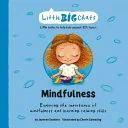
Published in 2021, Jayneen Sanders' "Mindfulness" teaches young children to manage anxiety.
This book introduces mindfulness techniques for children aged 2 to 6 years. It explains how to notice thoughts and feelings without judgment, using simple breathing exercises and present-moment awareness. The goal is to help children develop self-soothing skills and emotional balance. The content is designed for young audiences, featuring accessible concepts and practical exercises.
Parents, caregivers, and educators can use this title as a resource. Discussion questions are included to encourage conversations about emotional well-being between adults and children. It is part of the Little BIG Chats series, which aims to facilitate communication on important subjects.
The practice of mindfulness, adapted here for very young children, draws from Buddhist meditation traditions. These traditions emphasize observing the mind and cultivating a non-judgmental awareness of present experience. Sanders adapts these techniques for a secular, early-childhood context, aligning with a contemporary increase in resources for teaching children emotional regulation and mental well-being. This approach reflects a broader societal interest in preventative mental health tools for youth.
💡 Why Read This Book?
• You will learn practical, age-appropriate techniques to introduce young children (ages 2-6) to the concept of mindfulness, directly from Jayneen Sanders' 2021 publication, "Mindfulness." • Gain specific discussion questions designed for parents and educators, fostering dialogue around emotional well-being and resilience, as provided within the "Little BIG Chats" series context. • Discover how early exposure to mindfulness, as presented in this book, can equip children with tools to manage anxiety and stress, building a foundation for adult emotional health.
⭐ Reader Reviews
Honest opinions from readers who have explored this book.
❓ Frequently Asked Questions
What age group is Jayneen Sanders' "Mindfulness" book intended for?
The book "Mindfulness" by Jayneen Sanders is specifically designed for children aged 2 to 6 years. It aims to introduce fundamental mindfulness concepts in a way that is easily understandable for this young age bracket.
What is the primary goal of the "Mindfulness" book for children?
The primary goal is to introduce children to mindfulness techniques that help them manage anxiety and stress. By learning these skills from a young age, they can build resilience for adulthood.
Does the book offer guidance for adults?
Yes, "Mindfulness" includes discussion questions tailored for parents, caregivers, and educators. This feature is part of the "Little BIG Chats" series, intended to facilitate open communication.
What series does this book belong to?
This book is part of the "Little BIG Chats" series. This series is developed to assist adults in having constructive conversations with children about important topics.
When was Jayneen Sanders' "Mindfulness" first published?
Jayneen Sanders' "Mindfulness" was first published on July 21, 2021. This places it within recent literature aimed at early childhood emotional development.
What are the main benefits of teaching mindfulness to young children according to this book?
According to the book, teaching mindfulness to young children helps them build resilience and reduce anxiety and stress. These early learned techniques are beneficial as they grow into adulthood.
🔮 Key Themes & Symbolism
Childhood Emotional Regulation
This theme explores the foundational principles of emotional regulation for children aged 2-6. The book introduces mindfulness as a tool to help young minds identify, understand, and manage feelings like anxiety and stress. By practicing simple awareness techniques, children are encouraged to develop inner calm and build resilience, crucial skills for working through the emotional landscape as they grow into adulthood. The approach emphasizes a gentle introduction, suitable for very young learners.
Parental Guidance and Dialogue
A significant theme is the role of adults in facilitating children's emotional development. The inclusion of discussion questions within "Mindfulness" highlights its function as a collaborative tool for parents, caregivers, and educators. These prompts are designed to foster open conversations about feelings and mindfulness practices, extending the book's impact beyond the page. This approach underscores the importance of adult support in integrating these concepts into a child's life.
Early Introduction to Coping Mechanisms
The book champions the idea of introducing coping mechanisms at a very early age. Mindfulness techniques, such as focusing on breath or sensory awareness, are presented as accessible methods for children to self-soothe and reduce feelings of overwhelm. This proactive strategy aims to equip children with a personal toolkit for managing challenging emotions, thereby promoting long-term mental well-being and a stronger sense of inner stability from childhood onward.
The Little BIG Chats Series
Positioned within the "Little BIG Chats" series, this book emphasizes facilitating meaningful conversations between children and adults. The series' overarching goal is to provide resources that assist caregivers in addressing significant topics with young children. "Mindfulness" contributes to this by offering a specific framework and prompts for discussing emotional states and coping strategies, making complex subjects approachable for the youngest audiences.
💬 Memorable Quotes
Direct passages from the work, attributed to the author.
“Learning mindfulness techniques from a young age will help them build resilience and reduce anxiety and stress.”
— This statement expresses the book's core thesis: early intervention through mindfulness practice yields long-term benefits for emotional health, fostering strength and calm in children.
“Children can feel quite anxious during challenging times.”
— This highlights the book's recognition of childhood emotional vulnerability, framing mindfulness as a direct response to the real anxieties young children experience.
“Discussion questions for parents, caregivers and educators included.”
— This practical element signals the book's intent to be a shared resource, encouraging interactive learning and dialogue rather than passive consumption.
“This book is part of the Little BIG Chats series.”
— This contextualizes the work within a broader initiative aimed at fostering communication on important topics between adults and children.
“Suitable for ages 2 to 6.”
— This clarifies the specific developmental stage the book targets, indicating its content and approach are tailored for preschoolers and early elementary ages.
🌙 Esoteric Significance
Tradition
While not explicitly tied to a single esoteric lineage like Hermeticism or Gnosticism, this work draws from the practical application of Buddhist contemplative traditions, particularly Vipassanā meditation, adapted for secular, early-childhood contexts. Its departure lies in its explicit focus on very young children and its integration into mainstream educational and parenting spheres, often divorced from its original philosophical underpinnings. It represents a modern, clarified approach to cultivating inner awareness.
Symbolism
The primary symbolic motif is the breath, representing the anchor to the present moment and the constant, rhythmic flow of life. The act of 'noticing feelings' without judgment symbolizes the development of equanimity and detachment, core principles in many contemplative traditions, allowing the child to observe emotions as transient phenomena rather than overwhelming realities. The simplicity of the illustrations likely serves to avoid complex symbolic overload, focusing attention on core concepts.
Modern Relevance
This work is highly relevant to contemporary trends in positive psychology, secular mindfulness movements, and trauma-informed care for children. Educators, therapists, and parents seeking accessible tools for emotional literacy and resilience often reference or utilize approaches similar to those presented here. It speaks to modern pedagogical shifts emphasizing social-emotional learning (SEL) and holistic child development.
👥 Who Should Read This Book
• Parents and caregivers seeking practical, age-appropriate tools to help children aged 2-6 manage anxiety and stress, learning techniques directly from Sanders' 2021 publication. • Early childhood educators looking for resources to integrate emotional regulation and mindfulness into classroom activities, benefiting from the included discussion questions. • Individuals interested in the modern secular adaptation of contemplative practices for very young children, understanding the foundational concepts presented in the "Little BIG Chats" series.
📜 Historical Context
Jayneen Sanders' "Mindfulness," published in July 2021, arrived during a period of heightened global awareness regarding mental health, particularly among children. The early 21st century has seen a significant proliferation of mindfulness resources, many adapted from traditional contemplative practices for secular audiences and younger demographics. This trend gained momentum throughout the 2010s, fueled by research from fields like developmental psychology and neuroscience, which increasingly validated the benefits of early emotional regulation training. The book's focus on resilience and stress reduction aligns with contemporary concerns about childhood anxiety, a subject that gained even more prominence following the widespread disruptions of the COVID-19 pandemic starting in 2020. While mindfulness practices have roots stretching back millennia, their popularization in early childhood education in the West is a relatively recent phenomenon, largely post-dating the foundational work of figures like Jon Kabat-Zinn in secular mindfulness in the late 20th century.
📔 Journal Prompts
Observing the breath: How does focusing on your breath feel right now?
Noticing feelings: What is one feeling you can name today?
The present moment: What sounds can you hear around you?
Building resilience: How can noticing your feelings help you feel stronger?
Mindful awareness: What does it mean to be calm like a still pond?
🗂️ Glossary
Mindfulness
The practice of paying attention to the present moment on purpose, without judgment. It involves observing thoughts, feelings, and sensations as they arise.
Anxiety
A feeling of worry, nervousness, or unease, typically about an imminent event or something with an uncertain outcome. This book aims to help children manage this feeling.
Resilience
The capacity to recover quickly from difficulties; toughness. Learning mindfulness techniques aims to build this quality in children.
Stress
A state of mental or emotional strain or tension resulting from adverse or demanding circumstances. Mindfulness offers tools to reduce its impact.
Little BIG Chats series
A collection of books designed to help parents, caregivers, and educators initiate important conversations with young children on various topics.
Coping Mechanisms
Conscious or unconscious strategies used to deal with stressful, difficult, or frustrating situations. Mindfulness techniques are presented as such mechanisms.
Emotional Regulation
The ability to understand, manage, and express emotions in healthy ways. This book introduces early steps towards this skill.
This book appears in 1 collection
🔮 Readers Also Liked
Browse all →









From the “Mindfulness” Collection
View all →









More Free Occult Philosophy Books
View all →