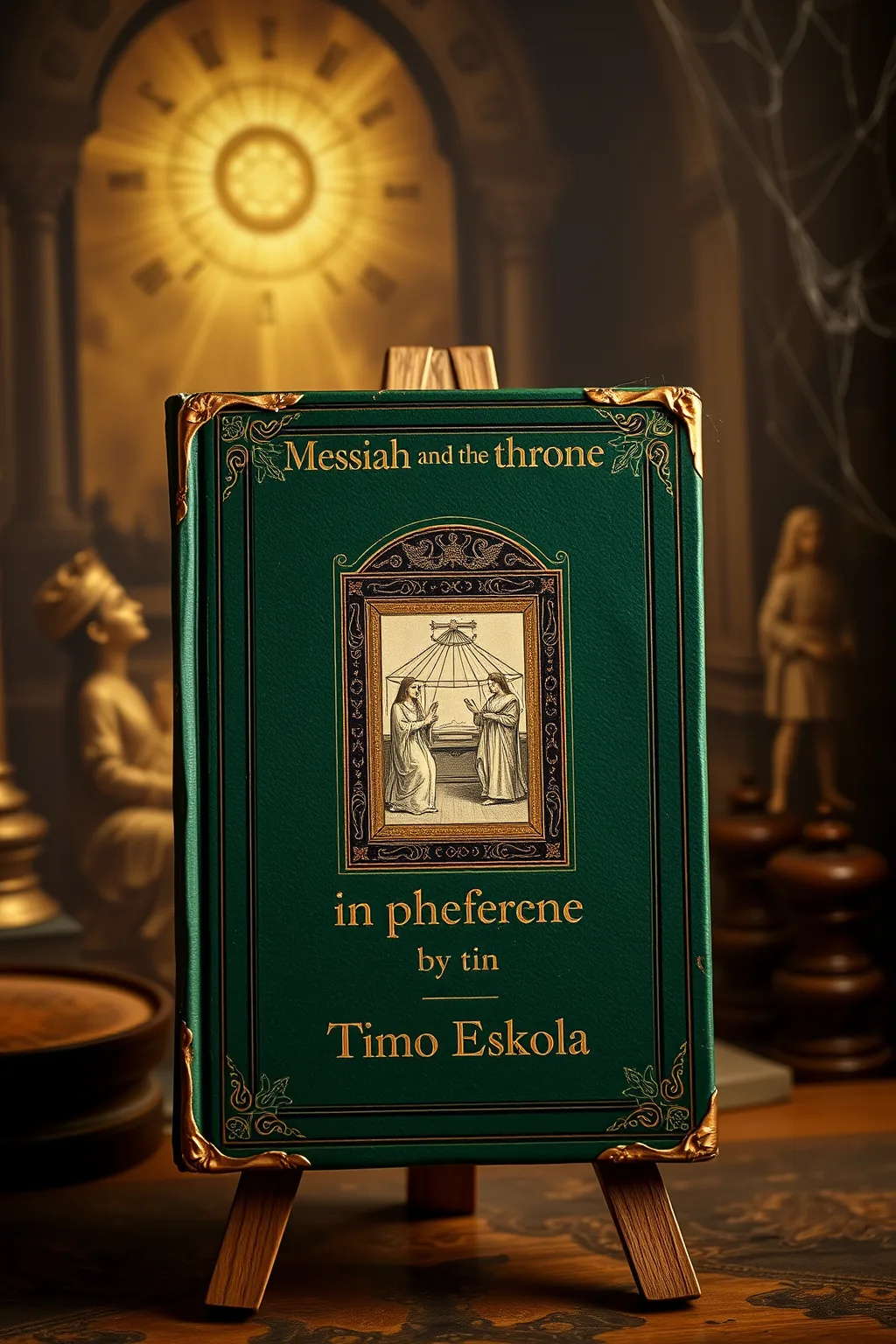
Messiah and the throne: Jewish Merkabah mysticism and early Christian exaltation discourse
 62
62

Messiah and the throne: Jewish Merkabah mysticism and early Christian exaltation discourse

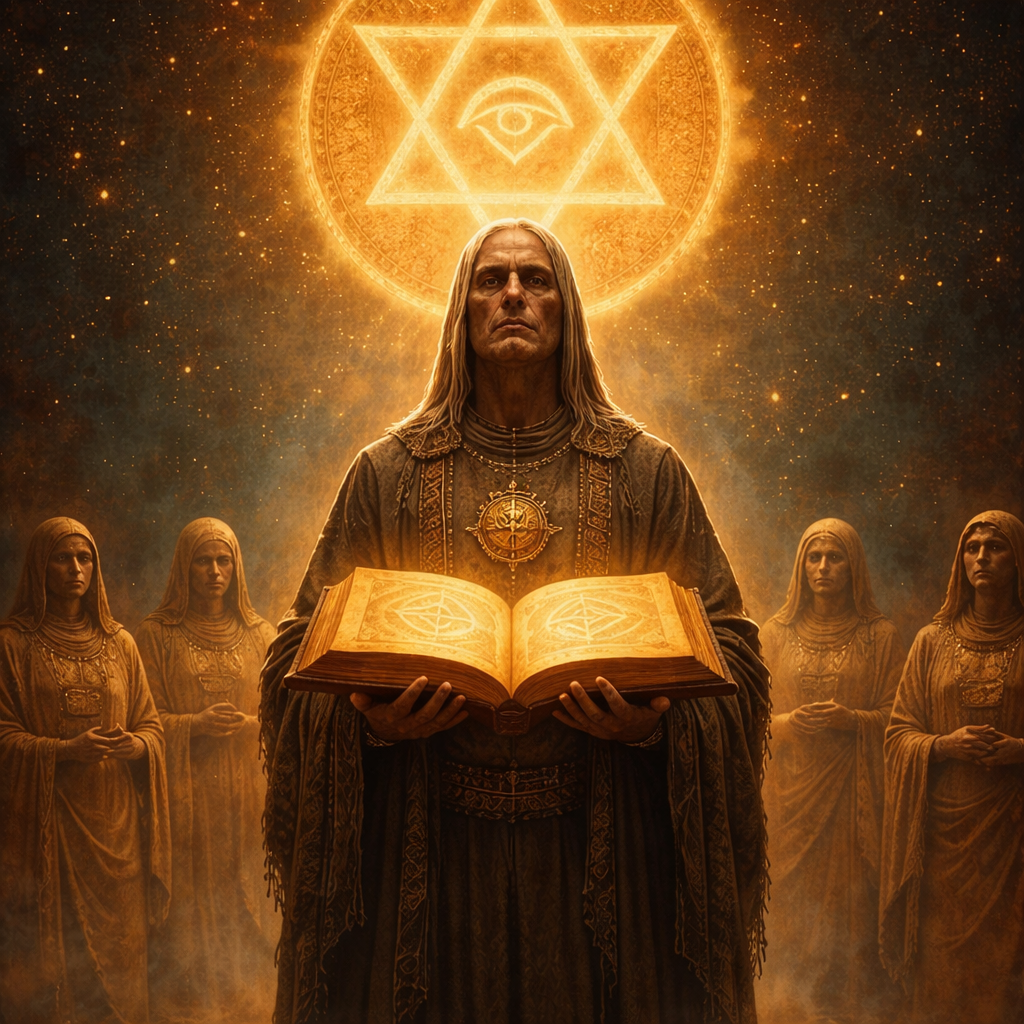

Alaric Kestrel (Metaphysical Studies Reviewer) — Timo Eskola's 'Messiah and the Throne' is a masterful exposition of the intricate connections between Jewish Merkabah mysticism and early Christian exaltation. Eskola navigates complex theological and mystical currents with exceptional clarity, revealing the shared esoteric landscape that informed both traditions. He illuminates the profound symbolism of the divine throne and the ascent through celestial palaces, offering readers a deeper understanding of early Christian messianic claims through a mystical lens. This book is a vital contribution for scholars of comparative religion, mysticism, and esotericism, as well as for dedicated practitioners seeking to grasp the roots of ecstatic spiritual experience. A truly illuminating read.
📝 Description
62
Timo Eskola's 2009 book connects Jewish Merkabah mysticism with early Christian exaltation discourse.
In "Messiah and the Throne," Timo Eskola examines the connections between Jewish Merkabah mysticism and early Christian thought concerning divine exaltation. The book details the Merkabah traditions, which involve visionary ascents to God's throne. Eskola explores how these visions and associated symbolic language, particularly concerning the divine chariot, offered ancient practitioners a path to direct spiritual experience.
The text situates these mystical practices within a period of intense spiritual inquiry, where the separation between the earthly and divine was less defined. It highlights how ecstatic experiences and careful scriptural study were employed to gain metaphysical understanding. Eskola's work serves as a guide to the esoteric knowledge that influenced early religious movements and still draws interest today.
This work situates itself within the study of Jewish mysticism, specifically the Merkabah tradition. This tradition, active from the late ancient period through the medieval era, focuses on visionary experiences of ascending through heavenly palaces to behold God's throne. It is characterized by its use of specific meditative techniques, textual interpretations, and symbolic imagery, such as the divine chariot (Merkabah). Eskola's contribution is to trace the parallels and influences of these practices on the ways early Christians discussed the exaltation of Jesus and other figures to divine status.
💡 Why Read This Book?
Uncover the hidden mystical currents that shaped early Christianity and its relationship to Jewish esoteric traditions. This book offers profound insights into the symbolism of divine ascent and the quest for celestial knowledge. Ideal for scholars, spiritual seekers, and practitioners interested in the esoteric foundations of Abrahamic faiths, providing a unique lens on the development of messianic thought.
⭐ Reader Reviews
Honest opinions from readers who have explored this book.
❓ Frequently Asked Questions
What is Merkabah mysticism?
Merkabah mysticism refers to a form of Jewish mysticism centered on visionary experiences of ascending through heavenly palaces to behold the divine throne, often described as a celestial chariot (Merkabah).
How does this book connect Jewish and Christian traditions?
Eskola demonstrates how the mystical imagery and concepts found in Jewish Merkabah texts influenced early Christian discourse regarding the exaltation of Jesus and his divine status.
Is this book suitable for beginners in mysticism?
While dense, the book provides thorough explanations that can be accessible to dedicated beginners. However, prior familiarity with Jewish or Christian theology will enhance comprehension.
What are some key symbols discussed?
Key symbols include the Merkabah (divine chariot), the throne of glory, celestial palaces, divine ascent, and the imagery of divine manifestation.
Can this book be used for personal spiritual practice?
The book's strength lies in its scholarly exposition. While it illuminates mystical practices, it is primarily an academic study rather than a direct guide for personal meditative techniques.
🔮 Key Themes & Symbolism
The Ascent to the Divine Throne
This theme examines the core of Merkabah mysticism: the visionary journey of the mystic through celestial realms to achieve direct apprehension of God's presence at the divine throne. Eskola meticulously reconstructs the stages of this ascent, exploring the ecstatic techniques, meditative practices, and scriptural interpretations employed by ancient practitioners. The symbolism of the throne as the ultimate locus of divine power and glory is central, serving as a focal point for both esoteric contemplation and the articulation of messianic claims. Understanding this ascent is key to grasping the profound spiritual aspirations of these early traditions.
Christological Implications of Exaltation
Eskola critically examines how the established mystical framework of divine ascent and enthronement within Jewish tradition provided a fertile ground for interpreting the exaltation of Jesus in early Christianity. The book explores how early Christian writers drew upon and recontextualized Merkabah imagery to articulate Jesus' unique status, his heavenly mediation, and his role as the Messiah seated at the right hand of God. This section illuminates the sophisticated theological and mystical arguments used to establish Christ's divine authority, revealing a shared esoteric vocabulary between Jewish and nascent Christian thought.
Symbolism of the Divine Chariot (Merkabah)
The Merkabah, the divine chariot described in Ezekiel's vision, is a central symbol analyzed in depth. Eskola unpacks its many-sided meanings, from a literal celestial vehicle to a complex metaphor for God's omnipresence, power, and transcendent glory. The text explores how understanding the Merkabah was integral to the process of divine ascent and how its imagery was employed to convey the ineffable nature of the divine. This symbolism not only informed mystical experiences but also became a potent tool for theological expression, shaping conceptions of the divine nature and its relationship with humanity.
💬 Memorable Quotes
Direct passages from the work, attributed to the author.
“The throne is not merely a seat, but the very nexus of divine power.”
— This highlights the symbolic weight of the throne in mystical traditions, representing the ultimate source of authority and the focal point of divine manifestation.
“Ascent is not just physical, but a journey of the soul.”
— Emphasizes the internal, spiritual nature of mystical journeys, transcending corporeal limitations to achieve divine connection.
“Ezekiel's vision opened the gates to celestial contemplation.”
— Positions the prophetic vision as a foundational text that unlocked pathways for mystics to explore heavenly realms and divine mysteries.
“Shared symbols bridge the spiritual chasm.”
— Suggests that common esoteric imagery can foster understanding and connection between seemingly distinct religious or mystical streams.
“The Messiah's exaltation carries the mystic's ascent.”
— Draws a direct parallel between the individual mystic's journey to the divine and the collective understanding of the Messiah's elevated, divine status.
🌙 Esoteric Significance
Tradition
The primary esoteric tradition explored is Jewish Merkabah mysticism, an ancient and highly secretive path focused on direct communion with the divine through visionary ascent. This tradition involves intricate symbolic interpretation and meditative practices aimed at traversing celestial palaces to behold the divine throne. The book also examines the appropriation and adaptation of these esoteric concepts within early Christian discourse, highlighting a shared interest in divine revelation and spiritual transcendence.
Symbolism
Central to the book's esoteric significance is the detailed symbolism of the divine throne, the celestial chariot (Merkabah), and the multi-layered ascent through heavenly realms. These symbols represent not only divine power and transcendence but also the potential for human spiritual transformation and direct experience of the sacred. Eskola deciphers these symbols, revealing their wide implications for understanding the nature of God, the cosmos, and the path to spiritual enlightenment.
Modern Relevance
The book offers profound modern relevance by useful the enduring human quest for spiritual experience and connection. It demonstrates how ancient mystical traditions continue to inform contemporary spiritual seekers and scholars. By revealing the shared esoteric roots of Abrahamic faiths, it fosters interfaith dialogue and a deeper appreciation for the timeless search for the divine, providing insights into the psychological and spiritual dynamics of transcendence that remain potent today.
👥 Who Should Read This Book
This book is essential for scholars of comparative religion, Jewish studies, and early Christian history seeking a nuanced understanding of mystical influences. Spiritual seekers and practitioners interested in the esoteric underpinnings of Abrahamic faiths will find it deeply useful, offering clear insights into ancient methods of divine contemplation. While its academic rigor makes it ideal for advanced study, dedicated beginners with a passion for mysticism will also benefit from its comprehensive exploration of the Merkabah and exaltation traditions.
📜 Historical Context
This book is situated within the vibrant intellectual and spiritual range of late antiquity, a period marked by intense religious speculation and the flourishing of mystical traditions within Judaism. The 1st to 4th centuries CE witnessed the development of Merkabah mysticism, a highly esoteric practice focused on visionary ascents to the divine throne. Simultaneously, early Christianity was consolidating its theological doctrines, with a particular emphasis on the nature and authority of Jesus Christ. Eskola’s work bridges these two seemingly distinct, yet deeply interconnected, streams of thought. He demonstrates how the existing framework of Jewish mystical ascent provided a potent conceptual and symbolic language that early Christian thinkers could adapt and reapply to articulate their understanding of Christ's divinity and messianic role, particularly in relation to concepts of exaltation and heavenly authority.
📔 Journal Prompts
Reflect on your personal understanding of the 'divine throne' and its symbolic meaning in your spiritual journey.
How might the concept of 'ascent' relate to personal growth and transformation in your own life?
Consider the shared symbolic language between different spiritual traditions. What commonalities do you observe?
If you were to envision a 'celestial chariot,' what would it represent for you and where would it take you?
Explore the idea of 'exaltation' in your own spiritual context. What does it mean to be elevated or divinely recognized?
🗂️ Glossary
Merkabah
A Hebrew term meaning 'chariot.' In Jewish mysticism, it specifically refers to the divine chariot described in Ezekiel's vision, serving as a central focus for visionary ascents to the divine realm.
Heikhalot Literature
Ancient Jewish mystical texts describing ascents through celestial palaces (heikhalot) to reach the divine throne, often associated with Merkabah mysticism.
Exaltation
In a theological context, the act of raising someone or something to a higher rank, status, or divine position. In early Christianity, it refers to the elevation of Jesus Christ to divine authority.
Divine Throne
The symbolic seat of God's power and authority in heaven. It is a focal point in mystical traditions for contemplating divine majesty and presence.
Gnosis
A Greek term meaning 'knowledge.' In esoteric traditions, it often refers to intuitive, spiritual, or revealed knowledge that leads to salvation or enlightenment.
This book appears in 1 collection
🔮 Readers Also Liked
Browse all →







More by Timo Eskola
All books →
From the “Kabbalah” Collection
View all →









More Free Kabbalah & Jewish Mysticism Books
View all →