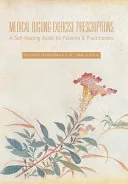
Medical Qigong Exercise Prescriptions
 83
83

Medical Qigong Exercise Prescriptions
Suzanne B. Friedman's "Medical Qigong Exercise Prescriptions" offers a much-needed clinical perspective on a practice often relegated to the realm of generalized wellness. The strength of this work lies in its systematic approach, detailing how specific qigong exercises can be prescribed for distinct ailments, a departure from more generalized texts. Friedman's discussion on the energetic foundation of Traditional Chinese Medicine, positioning Medical Qigong as primary to acupuncture and herbalism, is particularly illuminating. However, the book's detailed nature might present a steep learning curve for absolute beginners without prior TCM knowledge. A notable passage details the selection of exercises for Liver Qi Stagnation, demonstrating the practical application of theory. While comprehensive, the dense presentation of specific prescriptions requires careful study. Ultimately, Friedman delivers a valuable, clinically oriented resource for those serious about the therapeutic dimensions of qigong.
📝 Description
83
Suzanne B. Friedman's 2006 book defines Medical Qigong as a specific therapeutic modality within Traditional Chinese Medicine.
Suzanne B. Friedman's "Medical Qigong Exercise Prescriptions" details how energetic exercises can be prescribed to address distinct physiological and energetic imbalances within Traditional Chinese Medicine (TCM). This work clarifies qigong's role in TCM, differentiating it from acupuncture, herbal medicine, and medical massage. Friedman emphasizes the precise application of qigong forms for targeted health outcomes, moving beyond generalized wellness practices. The text is intended for practitioners and advanced students of TCM, including acupuncturists, herbalists, and massage therapists who wish to integrate energetic prescriptions into their work. It will also benefit individuals interested in qigong's specific therapeutic applications for chronic conditions or those seeking detailed, exercise-based approaches to energy cultivation for healing. Readers will find value in its structured, clinical framework for addressing specific ailments where general qigong routines may prove insufficient.
Published in 2006, the book appeared as Western engagement with TCM grew, yet Medical Qigong's therapeutic uses were less documented in English. While general qigong gained popularity, Friedman's work focused on diagnostic and prescriptive aspects typically reserved for clinical practice. This approach offered a more structured, clinical framework compared to broader, often philosophical, qigong texts available then.
This book situates qigong within the framework of Traditional Chinese Medicine, a system that views the body's health as a balance of vital energy, or qi. Medical Qigong, as presented here, is not merely a set of exercises for general well-being but a diagnostic and therapeutic tool. It aligns with the TCM understanding that specific energetic patterns correlate with physiological conditions, and that targeted exercises, or "prescriptions," can restore harmony. This perspective is rooted in centuries of Chinese medical thought, which views the body as an energetic system where blockages or deficiencies in qi lead to disease.
💡 Why Read This Book?
• Gain specific, actionable qigong exercise prescriptions for conditions like Liver Qi Stagnation, moving beyond generic health advice, as detailed by Suzanne B. Friedman. • Understand Medical Qigong's foundational role in Traditional Chinese Medicine (TCM), as explained in the 2006 publication, which predates many general qigong texts. • Learn to diagnose and treat energetic imbalances through precise movements and breathwork, a core tenet of Medical Qigong practice as presented in the book.
⭐ Reader Reviews
Honest opinions from readers who have explored this book.
❓ Frequently Asked Questions
What is Medical Qigong according to Suzanne B. Friedman?
Suzanne B. Friedman defines Medical Qigong as one of the four primary branches of Chinese medicine, serving as the energetic foundation for acupuncture, herbal medicine, and medical massage. It involves specific exercise prescriptions for targeted therapeutic outcomes.
How does Medical Qigong differ from Tai Chi?
While both involve movement and energy cultivation, Medical Qigong, as presented in Friedman's work, is specifically designed and prescribed to address particular disorders. Tai Chi often serves broader wellness and martial arts purposes, though it shares energetic principles.
Is this book suitable for beginners in qigong?
The book is primarily geared towards practitioners and students of Traditional Chinese Medicine due to its clinical and diagnostic focus. Beginners might find it more accessible after gaining foundational knowledge in TCM principles and basic qigong.
What year was 'Medical Qigong Exercise Prescriptions' first published?
The book 'Medical Qigong Exercise Prescriptions' by Suzanne B. Friedman was first published in 2006.
Can Medical Qigong exercises help with chronic conditions?
Yes, the work explores how specific Medical Qigong exercises can be prescribed to address and potentially alleviate chronic conditions by correcting underlying energetic imbalances within the body's systems.
What are the four main branches of Chinese Medicine mentioned?
The four main branches of Chinese Medicine discussed are Medical Qigong, acupuncture, herbal medicine, and medical massage, with Medical Qigong identified as the energetic foundation.
🔮 Key Themes & Symbolism
Prescriptive Energetic Medicine
The central theme is the systematic application of qigong exercises as direct prescriptions for specific medical conditions. Friedman details how practitioners can diagnose energetic disharmonies within the framework of Traditional Chinese Medicine and then select or design precise qigong movements, breathwork, and intention-based practices to correct these imbalances. This moves beyond general health cultivation to a clinical, therapeutic model, emphasizing qigong's role in restoring homeostasis at an energetic level.
Foundational Role of Medical Qigong
Friedman posits Medical Qigong as the energetic bedrock upon which the other pillars of Traditional Chinese Medicine—acupuncture, herbal medicine, and medical massage—are built. This perspective highlights qigong's fundamental importance in manipulating and balancing Qi (vital energy), suggesting that understanding and applying Medical Qigong is crucial for a comprehensive grasp of TCM theory and practice. It frames qigong not as an adjunct, but as the primary energetic modality.
Qigong for Specific Disorders
This work distinguishes itself by focusing on how qigong can address specific health issues, rather than presenting a collection of general exercises. It examines the application of qigong for conditions ranging from energetic stagnation to organ-specific imbalances, providing a framework for practitioners to use qigong therapeutically. The emphasis is on targeted interventions designed to resolve particular symptoms and underlying energetic patterns.
Integration with Traditional Chinese Medicine
The book firmly anchors Medical Qigong within the established theories and diagnostic methods of Traditional Chinese Medicine. It utilizes TCM's concepts of Qi, meridians, organ systems (Zang-Fu), and diagnostic patterns to inform the selection and application of qigong exercises. This integration ensures that qigong practices are not viewed in isolation but as a sophisticated component of a complete medical system.
💬 Memorable Quotes
Direct passages from the work, attributed to the author.
“Medical qigong is one of the four main branches of Chinese medicine, and it is the energetic foundation upon which the others are based.”
— This statement succinctly positions Medical Qigong as the primary energetic modality within Traditional Chinese Medicine, underpinning the efficacy of acupuncture, herbs, and massage by addressing the fundamental flow of Qi.
“This book is the first medical qigong book that does not simply introduce a set of exercises that are a part of a general qigong routine.”
— This highlights the work's unique clinical and prescriptive focus, differentiating it from introductory texts by offering specific applications tailored to address particular health disorders rather than generalized wellness practices.
“The energetic foundation upon which the others (acupuncture, herbal medicine, and medical massage) are based.”
— This emphasizes the crucial, foundational role of Medical Qigong in the broader system of Traditional Chinese Medicine, suggesting that the manipulation and balancing of Qi through qigong is essential for the effectiveness of other therapeutic modalities.
“Few books discuss how they can be used to help address specific disorders.”
— This observation underscores the gap in existing literature that this book aims to fill, focusing on the practical, therapeutic application of qigong exercises for distinct medical conditions, rather than broad theoretical overviews.
“Rather, the exercises are designed for specific medical conditions.”
— This declaration signals the book's core intent: to provide targeted qigong interventions. It promises a clinical approach where exercises are chosen or adapted based on a diagnosis of specific energetic disharmonies or physiological complaints.
🌙 Esoteric Significance
Tradition
This work resides within the esoteric lineage of Taoist internal arts, specifically focusing on Medical Qigong. While Taoism itself has both philosophical and practical esoteric dimensions, Medical Qigong represents a specialized branch concerned with the cultivation, direction, and application of Qi (vital energy) for health and longevity. Friedman's approach grounds these practices within the diagnostic and therapeutic framework of Traditional Chinese Medicine, making it a bridge between traditional esoteric energy cultivation and modern clinical application.
Symbolism
Key symbols within Medical Qigong, implicitly present in Friedman's work, include the concept of Qi itself – the vital life force. The energetic pathways, or meridians, act as symbolic maps of the body's energetic circulation. Organ systems (like the Liver, Kidney, Spleen) are not just anatomical but also symbolic representations of energetic functions and emotional states within the Taoist cosmological view. The specific postures and movements in qigong exercises often symbolize natural phenomena or archetypal energies intended to harmonize the practitioner's internal landscape.
Modern Relevance
Contemporary thinkers and practitioners in integrative medicine, functional medicine, and energy healing draw upon the principles outlined in works like Friedman's. Its focus on evidence-based (within TCM) application of qigong for specific conditions speaks to current trends seeking to validate and integrate traditional practices into mainstream healthcare. Modern qigong instructors and acupuncturists who specialize in therapeutic qigong continue to reference and build upon the clinical frameworks established in texts from this era.
👥 Who Should Read This Book
["• Acupuncturists and Herbalists seeking to deepen their understanding of TCM's energetic foundations and incorporate exercise prescriptions into their patient care plans.", '• Advanced Qigong practitioners looking to move beyond general practice and understand the specific therapeutic applications of Medical Qigong for various health conditions.', '• Students of Traditional Chinese Medicine requiring comprehensive resources on the diagnostic and prescriptive aspects of Medical Qigong as a core component of the medicine.']
📜 Historical Context
Published in 2006, Suzanne B. Friedman's "Medical Qigong Exercise Prescriptions" arrived during a period of increasing Western interest in complementary and alternative medicine, particularly Traditional Chinese Medicine (TCM). While general qigong had gained popularity through figures like Ken Cohen in the preceding decades, and academic institutions began offering TCM programs, there was a notable scarcity of literature detailing the *clinical prescription* of qigong exercises for specific ailments in English. Friedman's work aimed to fill this void, presenting Medical Qigong not merely as a set of exercises but as a diagnostic and therapeutic modality integrated within the TCM framework. It offered a more structured, clinical approach compared to the broader philosophical texts on qigong prevalent at the time, positioning it as a foundational element of TCM, predating and informing practices like acupuncture and herbalism.
📔 Journal Prompts
The energetic foundation of Traditional Chinese Medicine: How does Medical Qigong's foundational role impact your understanding of acupuncture?
Prescribing specific qigong exercises: Reflect on a personal energetic imbalance and which qigong prescription might address it.
Differentiating qigong branches: Compare the goals of general qigong with the specific aims of Medical Qigong as outlined by Friedman.
Qi stagnation patterns: Consider the Liver Qi Stagnation concept and its physical manifestations.
The Four Branches of TCM: How do the interactions between Medical Qigong, acupuncture, herbal medicine, and medical massage create a holistic system?
🗂️ Glossary
Qi (Chi)
The fundamental concept in Traditional Chinese Medicine representing vital life force or energy that flows through all living things. Its balance and free flow are essential for health.
Medical Qigong
A branch of Traditional Chinese Medicine focused on using specific exercises, breathwork, and intention to cultivate, regulate, and apply Qi for therapeutic purposes and disease prevention.
Acupuncture
A modality of Traditional Chinese Medicine involving the insertion of fine needles into specific points on the body to stimulate Qi flow and restore balance.
Herbal Medicine
A branch of Traditional Chinese Medicine that utilizes plant-based remedies, often in complex formulas, to treat disease and promote health.
Meridians
Specific pathways within the body through which Qi circulates, connecting different organs and tissues. Acupuncture points are located along these meridians.
Zang-Fu Organs
The internal organ systems in Traditional Chinese Medicine, categorized into Yin (Zang) and Yang (Fu) organs, each with distinct physiological and energetic functions.
Energetic Disharmony
An imbalance or disruption in the flow or quality of Qi within the body, considered the underlying cause of illness in Traditional Chinese Medicine.
This book appears in 1 collection
🔮 Readers Also Liked
Browse all →









From the “Qi Gong” Collection
View all →



More Free Occult Philosophy Books
View all →