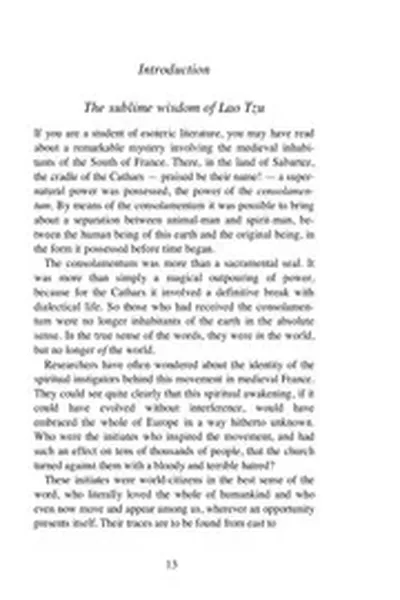
Mead GRS Echoes From The Gnosis Vol VII The Gnostic Crucifixion 1907
 79
79

Mead GRS Echoes From The Gnosis Vol VII The Gnostic Crucifixion 1907



George Robert Stow Mead's Echoes From The Gnosis Vol VII: The Gnostic Crucifixion is a seminal work in the study of Gnosticism, offering modern esoteric seekers a rich and nuanced exploration of ancient mystical traditions. Mead's scholarly rigor and deep understanding of Gnostic texts make this book an invaluable resource for anyone interested in the occult and esoteric teachings. The volume's focus on the Gnostic interpretation of the crucifixion provides a fresh perspective on a familiar narrative, highlighting its symbolic and spiritual significance. Mead's insights into the nature of divine revelation and the role of the Gnostic savior are particularly enlightening, offering readers a deeper understanding of the Gnostic path to enlightenment. For contemporary seekers, this book serves as a bridge between ancient wisdom and modern spiritual inquiry, making it an essential addition to any esoteric library. The Gnostic Crucifixion is a must-read for those who wish to explore the mystical and philosophical depths of Gnosticism.
📝 Description
79
Published in 1907, GRS Mead's 'The Gnostic Crucifixion' reinterprets the crucifixion as a mystical metaphor.
This 1907 text examines the Gnostic perspective on the crucifixion, moving beyond its literal historical context. GRS Mead treats the event as a symbolic representation of spiritual processes and hidden knowledge. The work draws from the traditions of ancient mystery schools, where such narratives carried deeper meanings.
It addresses seekers of esoteric truths and those studying occult traditions. The book analyzes the philosophical weight of the crucifixion, uncovering interpretations that differ from standard religious views. Readers are encouraged to find the mystical aspects of this event, which relate to suffering, salvation, and spiritual change.
This work belongs to the early 20th-century esoteric revival, specifically engaging with Gnostic thought. GRS Mead, a significant figure in this milieu, sought to reconcile ancient mystical traditions with contemporary understanding. The book reflects a broader interest in reinterpreting Christian narratives through non-dualistic and symbolic lenses, aligning with movements that looked to pre-Christian wisdom and esoteric lineages for spiritual insights.
💡 Why Read This Book?
Reading Echoes From The Gnosis Vol VII: The Gnostic Crucifixion today offers readers a unique opportunity to engage with ancient mystical traditions and gain a deeper understanding of the esoteric aspects of Christianity. This book provides valuable insights into the symbolic and spiritual significance of the crucifixion, offering a fresh perspective on a familiar narrative. By exploring the Gnostic interpretation of the crucifixion, readers can enhance their spiritual journey and gain a richer appreciation for the mystical and philosophical underpinnings of Gnostic beliefs.
⭐ Reader Reviews
Honest opinions from readers who have explored this book.
❓ Frequently Asked Questions
What is the main focus of Echoes From The Gnosis Vol VII?
The main focus of this volume is the Gnostic interpretation of the crucifixion, exploring its symbolic and spiritual significance within ancient mystical traditions.
Who is George Robert Stow Mead?
George Robert Stow Mead was a prominent scholar and translator of Gnostic texts, known for his extensive work in bringing ancient mystical traditions to a modern audience.
Why is this book relevant for modern esoteric seekers?
This book is relevant for modern esoteric seekers because it bridges the gap between ancient wisdom and contemporary spiritual inquiry, offering valuable insights into the mystical and philosophical depths of Gnosticism.
🔮 Key Themes & Symbolism
Symbolic Crucifixion
The crucifixion is presented not as a historical event but as a powerful spiritual metaphor. Mead looks at the symbolic significance of the crucifixion, revealing its layers of meaning and its role in the quest for spiritual liberation.
Divine vs. Material
This theme explores the eternal struggle between the divine spark within humanity and the material world. The crucifixion is seen as a representation of this conflict, highlighting the need for spiritual awakening and redemption.
Hidden Knowledge
The quest for hidden knowledge is a central theme in this book. Mead's work reveals the mystical dimensions of the crucifixion, offering insights into the deeper, esoteric meanings behind this important event.
💡 Key Ideas
Editorial paraphrase of the work's core concepts — not direct quotes.
The crucifixion is the ultimate symbol of spiritual struggle and redemption.
This quote underscores the profound significance of the crucifixion in Gnostic thought, emphasizing its role in the quest for spiritual liberation.
The divine spark within humanity seeks to break free from the material world.
This passage highlights the eternal conflict between the divine and the material, a central theme in Gnosticism.
The crucifixion reveals the hidden knowledge that lies beneath the surface of religious narratives.
This quote emphasizes the importance of uncovering the esoteric meanings behind religious events, a key aspect of Gnostic thought.
Spiritual transformation is the ultimate goal of the Gnostic path.
This passage underscores the importance of spiritual growth and redemption in the quest for hidden knowledge.
The crucifixion is a metaphor for the struggle between light and darkness.
This quote highlights the symbolic significance of the crucifixion, representing the eternal battle between good and evil.
🌙 Esoteric Significance
Tradition
This book belongs to the Gnostic tradition, which emphasizes the pursuit of hidden knowledge and spiritual liberation. Gnosticism views the crucifixion as a powerful symbol of the struggle between the divine and the material world.
Symbolism
Key symbols in this book include the cross, representing the spiritual struggle and redemption, and the divine spark within humanity, symbolizing the quest for enlightenment. The crucifixion is seen as a metaphor for the eternal conflict between light and darkness.
Modern Relevance
This book remains relevant today, as modern practitioners and seekers continue to explore its esoteric insights. It offers a unique perspective on spiritual transformation and redemption, making it an essential resource for those interested in Gnosticism and esoteric disciplines.
👥 Who Should Read This Book
Beginners interested in Gnosticism will find this book an accessible introduction to the mystical dimensions of the crucifixion. Scholars of occult studies will appreciate Mead's deep esoteric insights and meticulous research. Spiritual seekers will be inspired by the quest for hidden knowledge and spiritual liberation. Practitioners of esoteric disciplines will benefit from the book's exploration of the symbolic significance of the crucifixion and its relevance to modern spiritual thought.
📜 Historical Context
Published in 1907, 'Echoes From The Gnosis Vol VII: The Gnostic Crucifixion' emerged during a time of renewed interest in esoteric and mystical traditions. The early 20th century saw a resurgence of Gnostic thought, as scholars and seekers examined the hidden dimensions of religious narratives. Mead's work was influential in bridging ancient wisdom with modern esoteric thought, providing insights that remain relevant today. The book's exploration of the crucifixion's symbolic significance has inspired generations of seekers and practitioners, making it a central to Gnostic literature.
📔 Journal Prompts
Reflect on the symbolic significance of the crucifixion in your own spiritual journey.
Consider the eternal struggle between the divine and the material in your life.
Explore the quest for hidden knowledge and its role in your spiritual growth.
Meditate on the metaphor of the crucifixion as a representation of spiritual struggle and redemption.
Write about the importance of spiritual transformation in your pursuit of enlightenment.
🗂️ Glossary
Gnosticism
A mystical and esoteric tradition that emphasizes the pursuit of hidden knowledge and spiritual liberation. Gnosticism views the material world as a prison for the divine spark within humanity.
Crucifixion
In Gnosticism, the crucifixion is seen as a powerful symbol of the struggle between the divine and the material world, representing spiritual struggle and redemption.
Divine Spark
The divine essence within humanity that seeks to break free from the material world, representing the quest for enlightenment and spiritual liberation.
Hidden Knowledge
The esoteric insights and mystical dimensions of religious narratives, often revealed through symbolic interpretation and spiritual quests.
Spiritual Transformation
The process of spiritual growth and redemption, often achieved through the pursuit of hidden knowledge and the quest for enlightenment.
This book appears in 4 collections
🔮 Readers Also Liked
Browse all →









From the “Occultism” Collection
View all →





More Free Sacred Texts & Gnosticism Books
View all →