The Freedom of Lights: Edmond Jabès and Jewish Philosophy of Modernity

 81
81

The Freedom of Lights: Edmond Jabès and Jewish Philosophy of Modernity

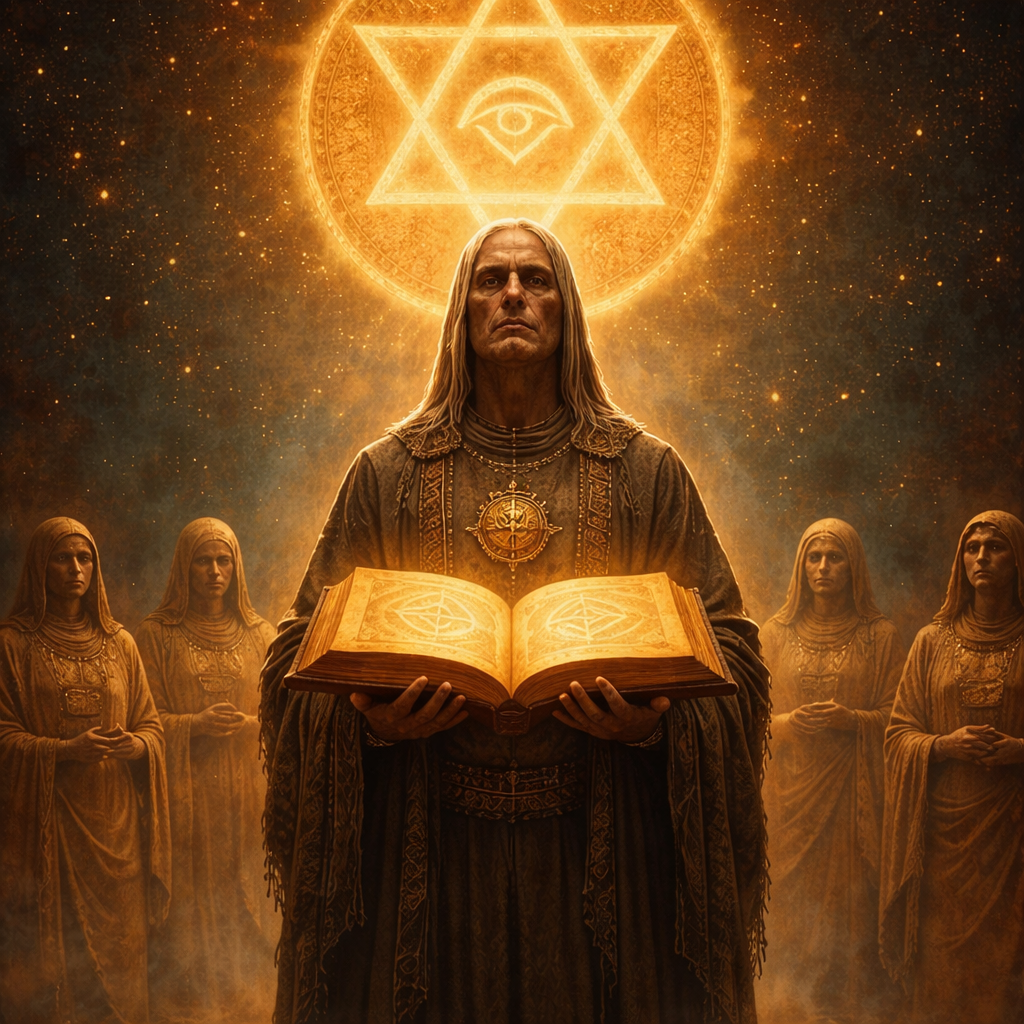

The Freedom of Lights is a seminal work that sheds light on the esoteric dimensions of Jewish philosophy. Edmond Jabès' unique blend of Kabbalistic thought and modern existentialism offers a fresh perspective on themes of loss, exile, and God’s absence. The book is particularly valuable for modern esoteric seekers who are looking to understand how traditional Jewish mysticism can be applied to contemporary spiritual and philosophical inquiries. Jabès’ writings are both intellectually stimulating and spiritually enriching, making this book a must-read for anyone interested in the intersection of religion, philosophy, and the occult. The Freedom of Lights is a 5-star masterpiece that will inspire and challenge readers to think deeply about the nature of existence and the human condition.
📝 Description
81
This book examines Edmond Jabès' 1971 work, 'The Book of Margins,' through the lens of Jewish philosophy and modernity.
Edmond Jabès, a 20th-century poet and philosopher, stands at the intersection of Kabbalah and existential thought. 'The Freedom of Lights' analyzes his engagement with themes of loss, exile, and divine absence in the wake of the Holocaust and a secularizing world.
The book traces the connection between Jewish mysticism and modern deconstructive thought. It considers the ways Jabès’ poetry and philosophy grapple with the human condition, faith, and the perceived silence of God. The text encourages a deep reflection on existence, where the lines between the sacred and the secular become indistinct.
This work situates Edmond Jabès within a tradition that seeks meaning in the fragmented remnants of Jewish mystical thought. It connects his poetic and philosophical explorations to the ongoing reinterpretation of Kabbalah in contemporary times. By examining his handling of themes like exile and divine silence, the book addresses how esoteric traditions adapt and speak to modern anxieties and philosophical shifts.
💡 Why Read This Book?
Reading The Freedom of Lights today offers a unique opportunity to engage with one of the most intriguing Jewish thinkers of the 20th century. This book provides a deep dive into the esoteric dimensions of Jewish philosophy, making it an essential read for anyone interested in Kabbalah and Jewish mysticism. By exploring themes of loss, exile, and negativity, readers will gain a deeper understanding of the human condition and the spiritual quest for freedom. This book is particularly relevant in today’s world, where questions of identity, belonging, and spiritual meaning are more pressing than ever.
⭐ Reader Reviews
Honest opinions from readers who have explored this book.
❓ Frequently Asked Questions
What is the main focus of The Freedom of Lights?
The main focus of The Freedom of Lights is the exploration of Edmond Jabès' esoteric Jewish philosophy, which combines Kabbalistic thought with modern existentialism. The book delves into themes of loss, exile, negativity, and God’s absence in the post-Shoah world.
Who should read this book?
This book is ideal for scholars, esoteric seekers, and anyone interested in the intersection of Kabbalah and modern philosophy. It offers a deep dive into Jewish mysticism and its relevance in contemporary spiritual and philosophical inquiries.
How does this book differ from other works on Kabbalah?
The Freedom of Lights stands out by presenting a negative ontology that bridges traditional Kabbalah and modern philosophical thought. It offers a unique perspective on Jewish mysticism in the post-religious and post-Shoah world, making it a valuable resource for both scholars and spiritual seekers.
🔮 Key Themes & Symbolism
Loss and Exile
Edmond Jabès studies the profound themes of loss and exile, drawing on Kabbalistic principles to explore the human condition in a post-religious world. This theme resonates deeply with those seeking to understand the existential struggle in the aftermath of the Holocaust.
God’s Absence
The book examines the concept of God’s absence, a central tenet in Jabès' philosophy, and its implications for modern spirituality. This theme is particularly relevant for those exploring the boundaries between faith and doubt in contemporary times.
Negative Ontology
Jabès’ negative ontology challenges traditional views of existence, offering a unique perspective on the nature of being in a world of perpetual change. This theme is essential for those interested in the intersection of Jewish mysticism and modern philosophy.
💬 Memorable Quotes
Direct passages from the work, attributed to the author.
“Writing is the journey of the lost.”
— Jabès sees writing as a means of working through the complexities of existence, particularly in times of loss and uncertainty.
“Negativity is the shadow of existence.”
— Jabès' concept of negative ontology is explored through the idea that darkness and struggle are integral parts of the human experience.
💡 Key Ideas
Editorial paraphrase of the work's core concepts — not direct quotes.
The absence of God is the presence of man.
This quote captures Jabès' exploration of the human condition in a post-religious world, where the void left by divine absence is filled with existential questions.
Exile is the condition of the soul in search of itself.
This line highlights the theme of exile, suggesting that the spiritual journey is one of self-discovery and inner exploration.
The freedom of lights is the freedom of the soul.
This quote underscores the idea that spiritual liberation comes from within, a central theme in Kabbalistic thought.
🌙 Esoteric Significance
Tradition
This book belongs to the Kabbalistic tradition, drawing on the detailed symbolism and hidden knowledge of Jewish mysticism. It explores the deeper layers of Kabbalistic thought, making it a valuable resource for those exploring the esoteric aspects of Jewish philosophy.
Symbolism
Key symbols in the book include the absence of God, exile, and the journey of the soul. These symbols are explored through the lens of Kabbalistic principles, offering a unique perspective on the human condition and the search for spiritual liberation.
Modern Relevance
Jabès' exploration of the post-religious and post-Holocaust world is highly relevant today, as modern practitioners seek to understand the existential crisis and the search for meaning in a secular age. This book provides a rich and evocative journey into the heart of Jewish thought, making it a valuable resource for contemporary spiritual seekers.
👥 Who Should Read This Book
This book is ideal for scholars of Jewish philosophy, seekers of esoteric knowledge, and practitioners of Kabbalah. Beginners may find it challenging without prior knowledge of Kabbalistic thought, but it offers a rich and evocative journey for those already versed in the mystical traditions of Judaism. Spiritual seekers will find it particularly clear, as it explores the profound questions of existence and faith in a world of perpetual change.
📜 Historical Context
Edmond Jabès wrote 'The Freedom of Lights' in the aftermath of the Holocaust, a time when the Jewish world was grappling with the absence of God and the existential crisis that followed. His works reflect the wide impact of this era on Jewish thought, offering a unique perspective on the intersection of Kabbalah and modern existentialism. This book has influenced scholars and seekers of esoteric knowledge, providing a bridge between ancient mystical traditions and contemporary philosophical discourse.
📔 Journal Prompts
How does the concept of God’s absence resonate with your own spiritual journey?
In what ways have you experienced exile or loss, and how have you navigated these challenges?
How does the idea of negative ontology influence your understanding of existence?
What symbols from Kabbalistic thought speak to you the most, and why?
How can the themes of loss, exile, and the absence of God be applied to contemporary existential thought?
🗂️ Glossary
Kabbalah
An esoteric school of thought in Judaism that focuses on the mystical aspects of the faith, including hidden knowledge and symbolism.
Deconstruction
A philosophical approach that challenges traditional views of existence and meaning, often used in postmodern thought.
Negative Ontology
A philosophical concept that explores the nature of existence through the lens of absence and negativity.
Post-Shoah
The period after the Holocaust, characterized by a profound existential crisis and the search for meaning in a post-religious world.
Exile
A spiritual and existential condition of being disconnected from one's roots or true self, often explored in Kabbalistic thought.
This book appears in 1 collection
🔮 Readers Also Liked
Browse all →









From the “Kabbalah” Collection
View all →







More Free Kabbalah & Jewish Mysticism Books
View all →