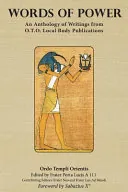
Kung Fu and Tai Chi
 77
77

Kung Fu and Tai Chi
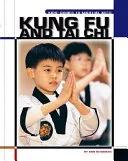
Ann Heinrichs' "Kung Fu and Tai Chi" presents a straightforward, almost ethnographic, look at two major Chinese martial arts. The book's strength lies in its clarity; it eschews the usual hyperbole found in martial arts literature, opting instead for a factual breakdown of movements and philosophies. For instance, the explanation of how Tai Chi's slow, deliberate forms are designed to cultivate internal energy, or 'Qi,' is particularly well-articulated for beginners. However, its primary limitation is its brevity and lack of depth. Those already initiated into martial arts will find little new here, and the connection to deeper esoteric traditions remains largely unexamined. The work explores the basic mechanics of the 'Eight-Step Form' as a representative of Tai Chi, which, while informative, feels like a mere sketch. It serves as a competent primer but doesn't quite unlock the profound spiritual dimensions often associated with these disciplines. A useful starting point for the absolute novice.
📝 Description
77
Ann Heinrichs' 2004 book explains Kung Fu and Tai Chi for a general audience.
This book breaks down the core principles and techniques of Kung Fu and Tai Chi into understandable components. It aims to demystify these Chinese martial arts for readers unfamiliar with their complexities. The text focuses on making the practices accessible, detailing their fundamental concepts and forms.
It serves as an entry point for individuals who have encountered Kung Fu or Tai Chi through popular culture but lack direct experience. The book is useful for those wanting a basic grasp of the physical movements and underlying philosophies before undertaking formal training. Students of martial arts or anyone interested in Chinese cultural practices will also find it informative.
Published in 2004, this work arrived during a time of growing global interest in Eastern philosophies and martial arts. Media portrayals and a desire for holistic wellness fueled this trend. Heinrichs' book fits this period by offering a clear and straightforward guide to these disciplines.
Ann Heinrichs' work connects to the broader esoteric interest in Chinese arts that gained traction in the early 2000s. This period saw a rise in accessible introductions to practices once considered obscure. The book situates Kung Fu and Tai Chi within this context, framing them not just as physical disciplines but as systems involving vital energy (Qi) and specific philosophical underpinnings, aligning with a wider cultural fascination with mind-body practices from the East.
💡 Why Read This Book?
• Gain clarity on the distinct philosophies of Kung Fu and Tai Chi, understanding their differing approaches to energy cultivation and application as presented in the book's sections on external vs. internal training. • Grasp the foundational concept of 'Qi' as explained within the text, recognizing its central role in both martial effectiveness and personal well-being. • Appreciate the historical context of these arts as outlined, noting their publication in 2004 amidst growing global interest in Eastern practices.
⭐ Reader Reviews
Honest opinions from readers who have explored this book.
❓ Frequently Asked Questions
What is the primary difference between Kung Fu and Tai Chi as explained in the book?
The book highlights Kung Fu's focus on external, often more dynamic movements for combat, while Tai Chi emphasizes slow, flowing forms to cultivate internal energy, or 'Qi', for health and self-defense.
When was Kung Fu and Tai Chi by Ann Heinrichs first published?
The book "Kung Fu and Tai Chi" by Ann Heinrichs was first published in 2004, reflecting a period of increased global interest in Eastern martial arts and philosophies.
Does the book detail specific Kung Fu styles?
While the book provides an introduction, it primarily focuses on the general principles of Kung Fu as an external martial art, contrasting it with the internal focus of Tai Chi, rather than detailing numerous specific Kung Fu styles.
Is this book suitable for experienced martial artists?
This book is best suited for beginners or those seeking a basic understanding. Experienced martial artists may find its coverage of techniques and philosophy introductory rather than in-depth.
What is 'Qi' according to this book?
The work explores 'Qi' as vital life force or energy, central to Tai Chi practice. It is cultivated through specific movements and breathing techniques to enhance both physical health and martial capability.
Does the book cover the philosophical aspects of Kung Fu and Tai Chi?
Yes, the book touches upon the philosophical underpinnings, particularly the Taoist influences evident in Tai Chi's emphasis on balance, flow, and harmony with nature.
🔮 Key Themes & Symbolism
Qi Cultivation
The book introduces 'Qi', or vital energy, as a core concept, particularly within Tai Chi. It explains how the slow, deliberate movements and focused breathing techniques are designed to harness and circulate this energy throughout the body. This internal focus is presented as key to both health benefits and effective, albeit subtle, martial application, differentiating it from more externally-focused disciplines.
Internal vs. External Arts
A central theme is the distinction between Kung Fu as predominantly an external martial art and Tai Chi as an internal one. The work explores how Kung Fu often relies on physical strength, speed, and direct force, while Tai Chi prioritizes yielding, redirection, and the generation of power from within through precise body mechanics and mental focus.
Movement as Meditation
The text posits that the practice of both Kung Fu and Tai Chi can serve as a form of moving meditation. The disciplined execution of forms, the concentration required, and the synchronization of breath and movement are presented as pathways to mental clarity and a heightened state of awareness, aligning with contemplative practices.
Foundations of Chinese Martial Arts
This book serves as an introductory primer to the foundational principles and historical context of two major Chinese martial arts. It aims to clarify their practices for a Western audience, outlining basic techniques, philosophies, and the cultural significance of Kung Fu and Tai Chi.
💬 Memorable Quotes
Direct passages from the work, attributed to the author.
“Kung Fu emphasizes external power; Tai Chi cultivates internal energy.”
— This highlights the fundamental divergence in approach between the two arts. Kung Fu is presented as relying on physical prowess, while Tai Chi focuses on developing and directing the body's intrinsic life force, 'Qi'.
“The Eight-Step Form is a representative Tai Chi sequence.”
— This points to a specific, concrete example of Tai Chi practice. It suggests that understanding this foundational sequence provides a gateway to grasping the broader principles of Tai Chi's slow, flowing movements.
“Proper posture is crucial for energy flow.”
— This emphasizes the physical grounding necessary for effective practice. It links correct body alignment directly to the circulation of 'Qi', underscoring the mind-body connection inherent in these disciplines.
“Martial arts training involves both physical technique and mental discipline.”
— This captures the holistic nature of these practices. It suggests that true mastery requires not only proficiency in movement but also a cultivated state of mind and focused intention.
“The book was published in 2004.”
— This factual anchor places the work within a specific historical context, indicating its place in the evolution of accessible introductions to Eastern practices for a global audience.
🌙 Esoteric Significance
Tradition
While not strictly within a defined esoteric lineage like Hermeticism or Kabbalah, the book engages with practices deeply rooted in Taoist philosophy, which itself contains significant esoteric dimensions. The emphasis on cultivating 'Qi' and achieving harmony through movement aligns with Taoist principles of balance (Yin and Yang) and the flow of cosmic energy (Qi/Prana), central to many Eastern contemplative and spiritual systems.
Symbolism
The primary symbolism explored revolves around the concept of 'Qi' itself – the invisible life force animating all things. Additionally, the deliberate, circular movements characteristic of Tai Chi can symbolize the cyclical nature of existence, the Taoist principle of 'wu wei' (effortless action), and the pursuit of internal balance and harmony as a microcosm of universal order.
Modern Relevance
Contemporary practices focusing on mindfulness, somatic therapy, and holistic health often draw upon principles exemplified by Tai Chi. Thinkers and practitioners in fields like embodied cognition, gentle fitness movements, and stress reduction techniques can find elements of Tai Chi's emphasis on slow, mindful movement and internal energy cultivation, making Heinrichs' accessible introduction relevant today.
👥 Who Should Read This Book
• Absolute beginners curious about Chinese martial arts seeking a clear, non-intimidating introduction to Kung Fu and Tai Chi. • Individuals interested in the concept of 'Qi' and its role in physical and mental well-being, looking for a foundational explanation. • Readers exploring comparative cultural practices who want to understand the basic differences and commonalities between external and internal martial arts.
📜 Historical Context
Ann Heinrichs' "Kung Fu and Tai Chi" arrived in 2004, a period marked by burgeoning Western fascination with Eastern philosophies and practices. Following the martial arts boom of the late 20th century, further fueled by films and increased global connectivity, books like this sought to clarify complex traditions for a curious public. The early 2000s saw a proliferation of accessible guides to practices like yoga, meditation, and martial arts, moving them from niche interests to mainstream wellness pursuits. While not engaging directly with academic discourse, Heinrichs' work entered a landscape populated by more specialized texts and popular media portrayals. It sidestepped the philosophical debates of martial arts historians and practitioners but contributed to a general cultural understanding, making concepts like 'Qi' and the distinction between internal and external arts more widely known.
📔 Journal Prompts
The concept of 'Qi' as described in the text.
Differentiating Kung Fu's external focus from Tai Chi's internal cultivation.
Reflecting on the role of posture in energy flow.
The practice of movement as a form of meditation.
Initial impressions of the 'Eight-Step Form' as a representative sequence.
🗂️ Glossary
Qi
Often translated as 'vital energy' or 'life force'. In the context of Chinese martial arts like Tai Chi, it refers to the internal energy cultivated and circulated through specific movements and breathing techniques.
Kung Fu
A broad term encompassing various Chinese martial arts, often characterized by external techniques, dynamic movements, and a focus on physical strength and combat application.
Tai Chi
A Chinese internal martial art and system of exercises, known for its slow, flowing, and deliberate movements designed to cultivate 'Qi', improve balance, and promote health.
External Martial Arts
Martial arts that primarily emphasize physical conditioning, muscular strength, speed, and direct force application in combat.
Internal Martial Arts
Martial arts that focus on cultivating and utilizing internal energy ('Qi'), promoting relaxation, and employing principles like yielding and redirection rather than brute force.
Posture
The physical arrangement of the body, particularly the alignment of the spine and limbs. Correct posture is presented as essential for efficient movement and the proper circulation of 'Qi'.
Eight-Step Form
A foundational sequence of movements within Tai Chi practice, often used as an introductory form to teach basic principles and coordination.
This book appears in 1 collection
🔮 Readers Also Liked
Browse all →









From the “Tai Chi” Collection
View all →






More Free Occult Philosophy Books
View all →