Beginner's Guide to Tai Chi
 73
73

Beginner's Guide to Tai Chi
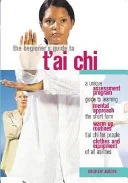
Andrew Austin’s "Beginner's Guide to Tai Chi" offers a refreshingly straightforward entry into a discipline often shrouded in mystique. Its strength lies in its pragmatic, week-by-week structure, which demystifies the learning process for absolute beginners. Austin’s comparison of Tai Chi to yoga, while noting the crucial difference in emphasis (motion over posture), is a useful anchor for readers familiar with the latter. The inclusion of illustrations and self-assessment charts, as mentioned in the original blurb, promises a hands-on learning experience. However, the book could benefit from a more in-depth exploration of the philosophical underpinnings that give Tai Chi its profound resonance beyond mere physical exercise. For instance, the concept of Qi, while hinted at through "self-healing," could be more explicitly defined and explored. Despite this, Austin provides a solid foundation for anyone looking to start their Tai Chi practice, making the ancient art accessible for modern life. It’s a functional primer, particularly effective for those who learn best through structured, step-by-step guidance.
📝 Description
73
Andrew Austin's 2004 guide maps a week-by-week path to learning Tai Chi for self-healing.
Published in 2004, Andrew Austin's "Beginner's Guide to Tai Chi" provides a structured curriculum for those new to the Chinese martial art. Unlike disciplines that focus on static poses, Tai Chi emphasizes continuous, flowing movements. Austin breaks down the practice into a practical, week-by-week program, making it accessible for novices. This book is for anyone interested in Tai Chi's therapeutic applications, particularly for stress reduction and self-care. It aims to demystify the practice for individuals who might find other martial arts intimidating or who seek a mindful physical activity. The guide helps readers develop a stronger connection between their mind and body.
Austin grounds the practice in the concept of "flow," illustrating how sustained, unforced movement can lead to mental and emotional calm. He also details principles of "mind-body integration," where deliberate awareness directs physical actions. This approach fosters increased self-awareness and a general sense of well-being. The book connects these ideas to Tai Chi's centuries-old origins in China, where it evolved from martial uses into a practice for health and meditation.
Tai Chi's roots lie in ancient Chinese Taoist traditions, where physical movement was seen as a way to harmonize with natural forces and cultivate internal energy (qi). Its development over centuries integrated martial principles with meditative practices, seeking balance and longevity. The practice aligns with concepts of internal alchemy and the cultivation of vital force, aiming for both physical health and spiritual development. Austin's guide introduces these deeper principles through a structured, accessible method, connecting Western interests in wellness and self-awareness to this long-standing Eastern philosophy.
💡 Why Read This Book?
• You will learn a week-by-week program designed to systematically build Tai Chi proficiency, offering a clear progression absent in more general wellness books. • You will understand the distinction between Tai Chi's emphasis on fluid body motions and yoga's focus on static positions, providing a specific comparative framework. • You will gain practical advice for creating a personalized Tai Chi routine, empowering you to adapt the practice to your individual needs and schedule as outlined by Austin.
⭐ Reader Reviews
Honest opinions from readers who have explored this book.
❓ Frequently Asked Questions
What is the main benefit of practicing Tai Chi as described in this guide?
The primary benefit highlighted is promoting self-healing and eliminating stress through the practice of fluid body motions, originating from ancient Chinese traditions.
How does Tai Chi differ from yoga according to the Beginner's Guide?
Unlike yoga's emphasis on static positions, Tai Chi differentiates itself by focusing on continuous, flowing body motions designed to enhance well-being.
What kind of support does the book offer for learning Tai Chi?
The guide provides an effective week-by-week program, complete with illustrations and self-assessment charts to help readers master the practice.
Can I create my own Tai Chi program using this book?
Yes, the manual offers instruction and advice specifically aimed at helping readers create an individually tailored Tai Chi program suited to their needs.
When was Andrew Austin's Beginner's Guide to Tai Chi first published?
Andrew Austin's "Beginner's Guide to Tai Chi" was first published in 2004.
Is this book suitable for someone who has never practiced Tai Chi before?
Absolutely. The book is explicitly designed as a beginner's guide, offering a structured, week-by-week approach to mastering the fundamentals of Tai Chi.
🔮 Key Themes & Symbolism
Mind-Body Harmony
The work explores the profound connection between conscious awareness and physical movement, a core part of Tai Chi. Austin guides readers to understand how deliberate, flowing motions cultivate a state of mental calm and reduce physiological stress. This integration fosters a deeper self-awareness, allowing practitioners to feel more centered and balanced in their daily lives. The book suggests that by harmonizing the mind and body through specific exercises, individuals can unlock their innate capacity for self-healing and emotional regulation.
Structured Self-Healing
Austin presents Tai Chi not merely as an exercise, but as a systematic method for promoting self-healing. The book's week-by-week program is designed to build skills progressively, enabling individuals to take an active role in their own well-being. By focusing on specific movements and principles, practitioners learn to release tension and improve energy flow, addressing physical and mental ailments at their root. This structured approach empowers readers to develop a personal practice that supports long-term health and resilience.
The Essence of Flow
Central to the practice is the concept of 'flow,' distinguishing Tai Chi from disciplines focused on static postures. The book details how to achieve continuous, unforced movement, which is believed to enhance the circulation of vital energy (Qi). This dynamic quality is presented as key to its stress-reducing effects, encouraging a state of relaxed alertness. Austin emphasizes that mastering this flow allows for a more profound connection with one's body and the environment, leading to a greater sense of peace.
Personalized Practice
Recognizing that each individual's needs are unique, "Beginner's Guide to Tai Chi" provides guidance on tailoring the practice. Austin equips readers with the knowledge to adapt the foundational movements and principles to create a personally resonant Tai Chi program. This emphasis on customization ensures that the benefits of Tai Chi can be effectively integrated into diverse lifestyles, promoting consistent engagement and lasting positive changes for each practitioner.
💬 Memorable Quotes
Direct passages from the work, attributed to the author.
“This method of exercise to promote self-healing and eliminate stress originated in China.”
— This foundational statement establishes Tai Chi's ancient roots and its dual purpose: fostering internal healing capabilities and mitigating the effects of modern stress.
“Its practitioners often compare it to yoga, though unlike yoga, it emphasizes body motions rather than positions.”
— This highlights a key differentiator, helping readers understand Tai Chi's unique approach to movement and its kinetic, rather than static, nature.
“Here's an effective week-by-week program to guide readers who want to master T'ai Chi.”
— This signals the book's practical, pedagogical structure, promising a clear, actionable roadmap for learning the discipline.
“This manual offers instruction and advice on creating an individually tailored T'ai Chi program.”
— This emphasizes the book's adaptability, assuring readers that the teachings can be customized to their personal needs and goals.
“Its practitioners often compare it to yoga, though unlike yoga, it emphasizes body motions rather than positions.”
— This clarifies a common point of comparison, drawing a crucial distinction that defines Tai Chi's dynamic character.
🌙 Esoteric Significance
Tradition
While not overtly aligning with a specific Western esoteric lineage like Hermeticism or Kabbalah, "Beginner's Guide to Tai Chi" taps into the universal esoteric principle of harmonizing internal energies for well-being. It draws heavily from Taoist philosophy, which underpins many esoteric traditions, focusing on concepts like the flow of Qi (vital energy) and the balance of Yin and Yang. The book's emphasis on effortless movement and cultivating inner stillness can be seen as a practical application of Taoist principles for personal transformation and health.
Symbolism
The primary symbolism in Tai Chi, as presented in the guide, lies in the movements themselves. The flowing, circular patterns often symbolize the cyclical nature of life and the universe, mirroring Taoist concepts of constant change and renewal. The emphasis on yielding and softness over hardness and force represents the esoteric principle of strength through flexibility, a core tenet found in many mystical traditions. The practice itself becomes a moving meditation, a symbolic journey towards inner balance and attunement with natural forces.
Modern Relevance
This guide remains relevant today as interest in holistic health, mindfulness, and stress management continues to grow. Contemporary thinkers and practitioners in fields like somatic psychology, therapeutic movement, and even bioenergetic therapies can find value in Austin's structured approach to mind-body integration. The book's focus on accessible self-healing through movement appeals to modern wellness trends and the increasing demand for practical, non-pharmacological methods to manage anxiety and improve physical vitality.
👥 Who Should Read This Book
• Individuals new to Eastern martial arts or contemplative practices seeking a clear, step-by-step introduction to Tai Chi. • People experiencing stress or seeking methods for self-healing and improved mental clarity who are interested in movement-based therapies. • Readers familiar with yoga or similar disciplines who wish to explore a practice that emphasizes dynamic motion over static postures.
📜 Historical Context
Published in 2004, Andrew Austin's "Beginner's Guide to Tai Chi" emerged during a period of burgeoning Western interest in Eastern wellness practices. While Tai Chi has centuries of history in China, its popularization in the West accelerated in the late 20th century, fueled by a growing awareness of mind-body connections and alternative health modalities. Austin's work arrived at a time when books on yoga and meditation were common, but a structured, accessible guide to Tai Chi specifically for beginners was still in demand. The book implicitly engaged with the broader trend of holistic health, offering a concrete, actionable method for stress reduction and self-care that aligned with contemporary wellness philosophies. Its reception was likely part of a larger cultural embrace of practices that promised balance and tranquility in an increasingly fast-paced world, contrasting with the more overtly martial or esoteric interpretations sometimes found in specialized circles.
📔 Journal Prompts
Reflect on the concept of "flow" as presented in the book and how it might apply to daily activities.
Consider the comparison between Tai Chi's body motions and yoga's positions; how does this distinction impact your understanding?
Identify one self-assessment chart from the book and consider how you might use it to track your progress.
Analyze the week-by-week program structure; which week's focus seems most relevant to your current needs?
Explore the idea of "individually tailored T'ai Chi programs"; what elements might you include in your own program?
🗂️ Glossary
Tai Chi (T'ai Chi)
An ancient Chinese martial art practiced for both its defensive and health benefits. It involves slow, flowing movements, deep breathing, and meditation.
Self-healing
The body's innate ability to repair itself, often enhanced through practices like Tai Chi that promote relaxation, energy flow, and reduced stress.
Stress elimination
The process of reducing or removing mental and physical tension. Tai Chi is presented as a method to achieve this through mindful movement.
Body motions
Refers to the dynamic, continuous movements characteristic of Tai Chi, contrasting with static holds or positions.
Positions
Refers to static postures, often emphasized in practices like yoga, which are less central to the dynamic flow of Tai Chi.
Week-by-week program
A structured curriculum presented in the book, designed to guide learners progressively through the fundamentals of Tai Chi over a set period.
Individually tailored program
A personalized practice plan adapted to an individual's specific needs, goals, and abilities, as facilitated by the book's advice.
This book appears in 1 collection
🔮 Readers Also Liked
Browse all →









From the “Tai Chi” Collection
View all →








More Free Occult Philosophy Books
View all →