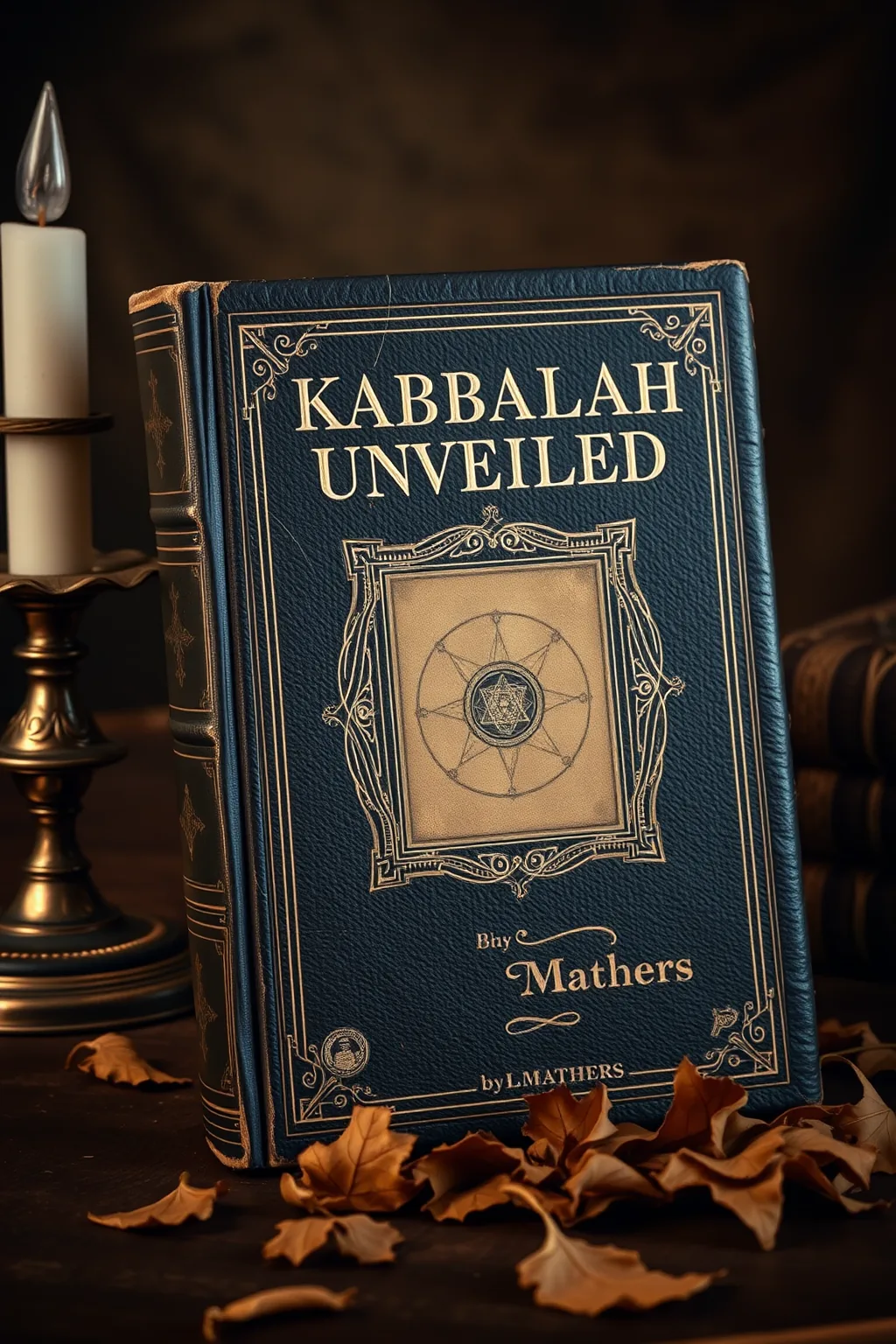
Kabbalah Unveiled
 61
61

Kabbalah Unveiled


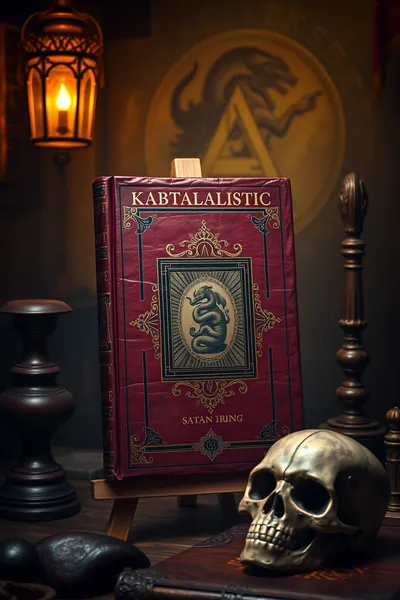
By Balthazar Finch (Senior Critic, Occult Philosophy) — Mathers' "Kabbalah Unveiled" remains a cornerstone for any serious student of the esoteric arts. His translation, though rooted in a specific era, provides an unparalleled entry point into the complex tapestry of Kabbalistic thought, particularly its foundational texts like the Zohar. He masterfully bridges the gap between dense, ancient Hebrew mysticism and the Western esoteric mind, illuminating concepts such as the Sephiroth, the Paths, and the divine emanations with remarkable clarity. While advanced practitioners may seek more contemporary interpretations, the foundational insights offered here are invaluable. This work is essential for those beginning their journey into Jewish mysticism or seeking to contextualize its influence on Western occultism.
📝 Description
61
First published in 1887, S.L. MacGregor Mathers' 'Kabbalah Unveiled' translates key Kabbalistic texts.
This 1887 translation by S.L. MacGregor Mathers presents core Kabbalistic teachings. The book focuses on the Sepher Yetzirah, a foundational text for understanding the structure of creation. Mathers also includes sections on the symbolism of the Hebrew alphabet and the numerical system of Gematria. His work aims to make these esoteric concepts accessible to a wider audience interested in Jewish mysticism. The translation seeks to clarify the interconnectedness of the divine, the universe, and the human soul as depicted in these ancient writings.
The text details the Tree of Life, explaining its structure and the ten Sephiroth as divine emanations. It discusses the mystical significance of divine names and their power. Mathers' commentary illuminates the practical and theoretical aspects of Kabbalah, bridging the gap between ancient wisdom and modern understanding. This edition is valuable for its direct engagement with the source material and Mathers' interpretive framework.
S.L. MacGregor Mathers was a significant figure in the Hermetic Order of the Golden Dawn, a group dedicated to the study and practice of Western esoteric traditions in the late 19th century. 'Kabbalah Unveiled' emerged from this milieu, aiming to systematize and disseminate Kabbalistic knowledge, which was then largely inaccessible in English. The book connects Kabbalah to broader Western occultism, interpreting its symbols and cosmology through that lens. It represents an effort to integrate Jewish mysticism with magical and philosophical systems prevalent in esoteric circles of the time.
💡 Why Read This Book?
Unravel the profound mysteries of the universe and your own spiritual nature. "Kabbalah Unveiled" offers a direct portal to the esoteric wisdom of Jewish mysticism, demystifying complex concepts for seekers and scholars alike. Discover the symbolic language of creation, the divine blueprint, and the pathways to spiritual enlightenment. Ideal for those who yearn for deeper knowledge and a more profound understanding of existence.
⭐ Reader Reviews
Honest opinions from readers who have explored this book.
❓ Frequently Asked Questions
What is the primary focus of "Kabbalah Unveiled"?
The book's primary focus is the unveiling and interpretation of core Kabbalistic texts, particularly the Zohar, to reveal the structure of the Tree of Life, divine emanations, and esoteric principles of Jewish mysticism.
Who is S.L. MacGregor Mathers?
Mathers was a prominent figure in the Hermetic Order of the Golden Dawn and a key translator of esoteric texts. His work on Kabbalah is instrumental in bringing these ancient teachings to a Western audience.
Is this book suitable for beginners?
While dense, Mathers' translation and annotations make it accessible to dedicated beginners willing to engage with complex philosophical and symbolic material. It serves as an excellent foundational text.
What is the Tree of Life in Kabbalah?
The Tree of Life is a central diagram in Kabbalah, representing the structure of the universe and the divine emanations (Sephiroth) through which God manifests creation. It serves as a map for spiritual ascent.
Does the book explain practical Kabbalistic techniques?
While it lays the theoretical groundwork and symbolic understanding necessary for practical application, "Kabbalah Unveiled" is primarily focused on the philosophical and mystical exposition of Kabbalistic doctrine.
🔮 Key Themes & Symbolism
The Tree of Life and the Sephiroth
This central pillar of Kabbalistic cosmology is meticulously dissected, illustrating the ten divine emanations (Sephiroth) and the 22 paths that connect them. The Tree of Life serves as a blueprint for understanding the structure of the cosmos, the nature of God, and the human soul's journey towards divine consciousness. Each Sephirah represents a distinct aspect of the Divine, and their interplay reveals the dynamic forces of creation and existence, offering a profound framework for spiritual contemplation and self-discovery.
Gematria and the Power of Hebrew Letters
Study the ancient art of Gematria, the study of the numerical value of Hebrew letters, which unlocks hidden meanings and interconnections within sacred texts. Mathers reveals how the Hebrew alphabet is not merely a means of communication but a divine code, each letter imbued with symbolic significance and cosmic power. Understanding Gematria allows practitioners to perceive the underlying unity of all things and to engage with the divine language of creation, revealing deeper layers of meaning in scripture and the universe itself.
The Zohar and Mystical Interpretation
At the core of this work lies the Zohar, the foundational text of Kabbalistic literature. Mathers provides critical insights into its allegorical narratives, mystical exegesis, and profound spiritual teachings. The Zohar explores themes of divine love, the nature of evil, the secrets of the Torah, and the path to spiritual illumination. This section guides the reader through the strong symbolism and intricate mythology of the Zohar, offering a pathway to understanding the ecstatic and contemplative dimensions of Jewish mysticism.
💬 Memorable Quotes
Direct passages from the work, attributed to the author.
“The Sephiroth are the fingers of God touching creation.”
— A vivid metaphor illustrating the active and immanent nature of the divine in the process of creation, suggesting that the Sephiroth are the channels through which divine energy flows into the material world.
“Wisdom is the beginning of the path, understanding the middle, and knowledge the end.”
— This highlights a progressive journey in spiritual development, where initial insight leads to deeper comprehension, culminating in direct experiential knowing or union with the divine.
“The letters of the Hebrew alphabet are the building blocks of reality.”
— This statement underscores the profound belief in the creative power of language and divine utterance in Kabbalah, suggesting that the very fabric of existence is woven from the symbolic and energetic essence of these letters.
“To unveil the Kabbalah is to unveil the universe within.”
— This suggests a profound correspondence between the external cosmic order and the internal human psyche, implying that understanding the universe through Kabbalah is synonymous with understanding oneself.
💡 Key Ideas
Editorial paraphrase of the work's core concepts — not direct quotes.
The Kabbalah is the science of the mysteries of God and the universe.
This quote captures the ambitious scope of Kabbalistic study, positioning it as a systematic approach to understanding the fundamental nature of divinity and all existence, both seen and unseen.
🌙 Esoteric Significance
Tradition
This work is a core part of Western esoteric Kabbalah, a tradition that interprets and integrates Jewish mystical concepts within a broader framework of occult philosophy. While drawing heavily from authentic Jewish sources like the Zohar, Mathers' rendition often emphasizes its application in magical practices and spiritual development, bridging the gap between theoretical mysticism and practical occultism for Western practitioners.
Symbolism
The book is rich with profound symbolism, most notably the Tree of Life, a diagram representing divine emanations and the structure of existence. Other key symbols include the Hebrew letters, divine names, the four worlds (Atziluth, Beriah, Yetzirah, Assiah), and the archetypal figures of Adam Kadmon. These symbols are not mere decorations but keys to understanding cosmic laws, human consciousness, and pathways to spiritual transformation.
Modern Relevance
Despite its historical origins, "Kabbalah Unveiled" remains remarkably relevant. Its exploration of consciousness, interconnectedness, and the divine blueprint speaks to contemporary seekers interested in spiritual psychology, cosmology, and personal growth. The symbolic language and philosophical depth offer a timeless framework for understanding life's challenges and opportunities, providing tools for introspection and a deeper connection to the sacred.
👥 Who Should Read This Book
This key work is essential for a diverse range of readers. **Beginners** seeking a structured introduction to Kabbalistic thought will find Mathers' annotations invaluable, though a willingness to engage with dense material is advised. **Scholars** of comparative religion, mysticism, and occultism will appreciate its historical significance and textual insights. **Spiritual seekers** yearning for a deeper understanding of the universe, consciousness, and their place within it will find profound wisdom. **Occult practitioners** looking to ground their magical work in ancient esoteric principles will discover a robust theoretical foundation and symbolic language.
📜 Historical Context
Written during a period of intense interest in esoteric traditions in the late 19th and early 20th centuries, S.L. MacGregor Mathers' "Kabbalah Unveiled" emerged from the intellectual milieu of occult societies like the Hermetic Order of the Golden Dawn. This era saw a resurgence of scholarly and mystical exploration into ancient wisdom systems, including Hermeticism, Gnosticism, and Kabbalah. Mathers, a key figure in this revival, aimed to translate and synthesize these complex doctrines for a Western audience seeking spiritual and philosophical depth beyond conventional religious or scientific paradigms. His work contributed significantly to the popularization of Kabbalah in the West, influencing subsequent generations of occultists, philosophers, and mystics, and bridging the gap between ancient Jewish mystical thought and modern esoteric movements.
📔 Journal Prompts
Reflect on the concept of divine emanations (Sephiroth) – which resonates most with your current life experience and why?
Consider the Hebrew alphabet as a divine code; how might this perspective alter your understanding of language and communication?
Explore a specific allegorical story from the Zohar presented in this text. What deeper spiritual or psychological truths does it reveal to you?
Meditate on the interconnectedness of the macrocosm (universe) and the microcosm (self) as suggested by Kabbalistic symbolism. How does this change your perception of your own actions?
How can the principles of Kabbalistic ascent be applied to overcome personal challenges and foster spiritual growth in your daily life?
🗂️ Glossary
Sephiroth
The ten divine emanations or attributes through which God creates and sustains the universe, forming the structure of the Kabbalistic Tree of Life.
Tree of Life (Etz Chaim)
A central diagram in Kabbalah representing the structure of the universe, the divine emanations, and the pathways of spiritual ascent. It consists of ten Sephiroth and twenty-two Paths.
Zohar
The foundational work of Kabbalistic literature, a mystical commentary on the Torah, rich in symbolism, allegory, and esoteric teachings about God, creation, and the soul.
Gematria
A method of interpreting Hebrew scriptures by assigning numerical values to letters and words, revealing hidden connections and meanings.
Ein Sof
The Kabbalistic term for God as the 'Infinite' or 'Without End,' representing the unmanifest, primordial essence beyond all comprehension or description.
This book appears in 1 collection
🔮 Readers Also Liked
Browse all →








From the “Kabbalah” Collection
View all →






More Free Kabbalah & Jewish Mysticism Books
View all →