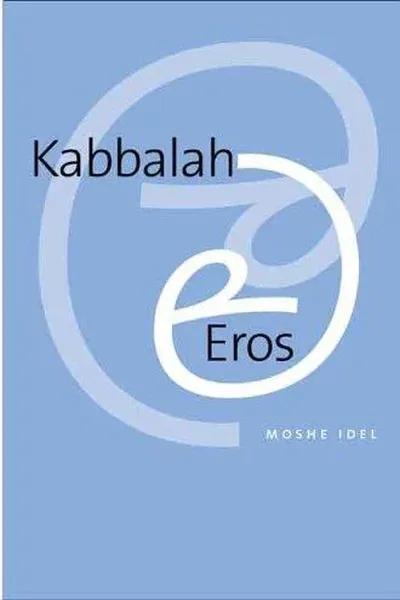
Mystic trends in Judaism
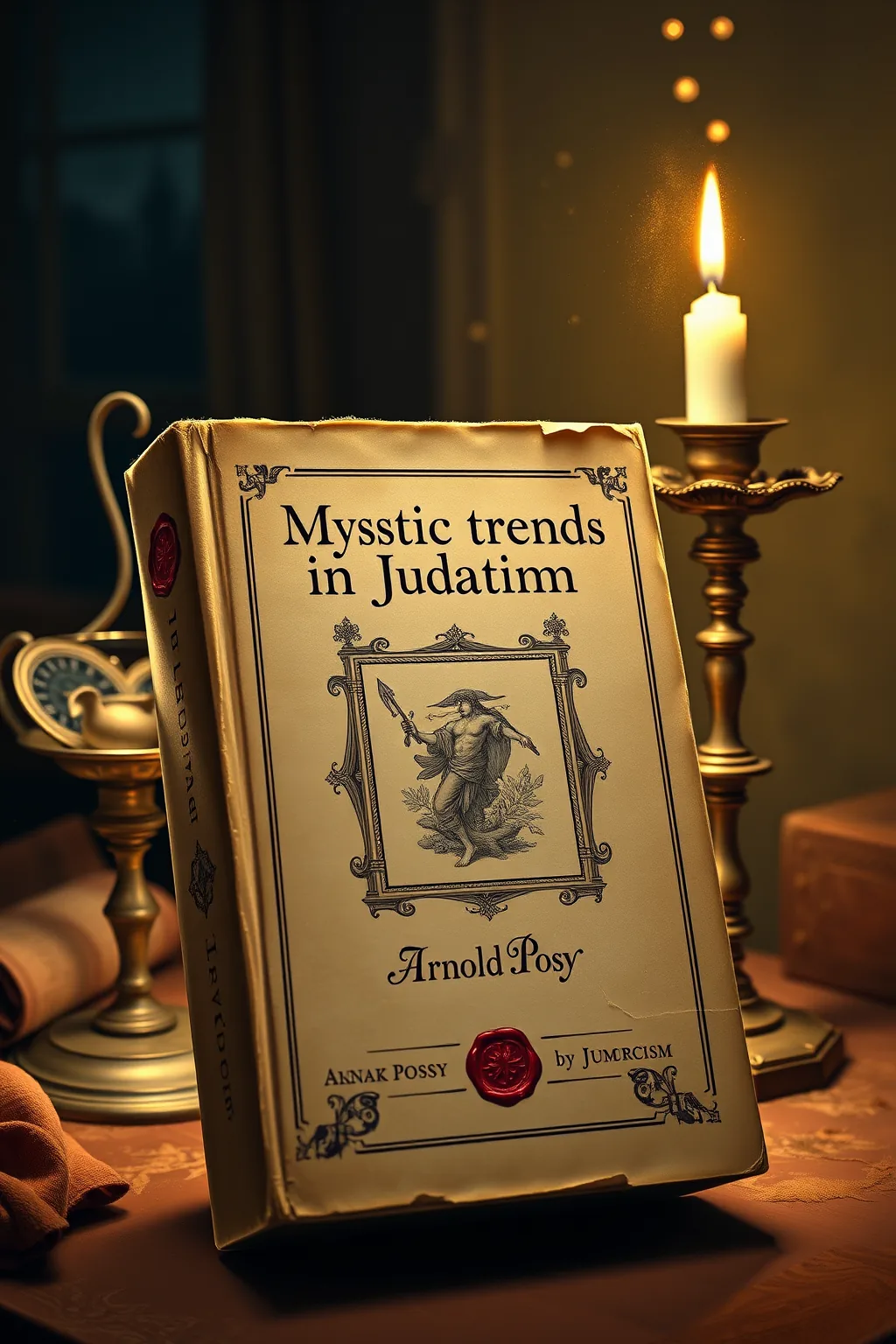
 61
61

Mystic trends in Judaism



Arnold Posy's 'Mystic Trends in Judaism' is an indispensable contribution to the Esoteric Library's esteemed collection. Posy masterfully navigates the complex landscape of Jewish mysticism, offering lucid explanations of intricate Kabbalistic concepts and historical developments. His insightful analysis sheds light on the profound spiritual and philosophical dimensions of this ancient tradition, making it accessible without sacrificing depth. The book is a testament to the enduring power of Jewish esoteric thought, providing invaluable context for students of mysticism and practitioners alike. Its scholarly rigor and evocative prose make it a captivating read for anyone seeking to understand the hidden pathways of the divine within Judaism.
📝 Description
61
Arnold Posy's 1994 book examines the evolution of Jewish mysticism from early Chassidic ideas to Kabbalistic thought.
Arnold Posy's 'Mystic Trends in Judaism' analyzes the development of esoteric thought within Jewish tradition. The book details the symbolic language and philosophical ideas found in Kabbalah, connecting them to everyday Jewish practice. Posy traces the lineage of mystical concepts, starting with early Chassidic movements and moving toward the meditative practices of later Kabbalists. He addresses the continuous human desire to connect with the divine and understand the soul's spiritual progression.
The work aims to clarify the underlying structures of Jewish mysticism. It deciphers the coded language and conceptual frameworks that inform these traditions. Posy's analysis offers insight into how these esoteric currents have influenced Jewish spiritual and intellectual history over centuries. The book is suited for those who wish to grasp the core elements of Jewish esoteric practices and their historical context.
This book situates itself within the broader field of Jewish esoteric traditions, particularly Kabbalah. It examines how mystical interpretations developed and changed over time, influencing Jewish spiritual life. Posy looks at the methods and ideas used by mystics to understand the divine and the cosmos, tracing these concepts through different historical periods and schools of thought. The work connects these mystical currents to the lived experience and theological framework of Judaism.
💡 Why Read This Book?
Uncover the profound esoteric dimensions of Judaism, from the foundational principles of Kabbalah to its diverse historical expressions. 'Mystic Trends in Judaism' offers a clear yet deep dive into mystical symbolism, divine names, and the soul's journey. Ideal for seekers of spiritual wisdom, scholars of comparative religion, and practitioners looking to deepen their understanding of Jewish mystical practices and their philosophical underpinnings.
⭐ Reader Reviews
Honest opinions from readers who have explored this book.
❓ Frequently Asked Questions
What is Kabbalah and how is it presented in this book?
Kabbalah is the esoteric tradition of Jewish mysticism. Posy presents it as a system of understanding the divine, the cosmos, and humanity's place within it, emphasizing its symbolic language and spiritual practices.
Is this book suitable for beginners in Jewish mysticism?
Yes, while it delves deeply, Posy's accessible prose and clear explanations make it a valuable starting point for those new to Jewish mystical concepts.
What are some of the 'mystic trends' discussed?
The book explores various trends including early Chassidism, the development of Kabbalistic thought, and the mystical interpretations of scripture and divine presence.
Does the book focus on practical Kabbalistic techniques?
While it discusses the theoretical and philosophical aspects, the primary focus is on the historical and conceptual evolution of Jewish mystical thought rather than a practical guide to techniques.
What is the philosophical significance of Jewish mysticism as explored by Posy?
Posy highlights the profound philosophical inquiries into the nature of God, creation, human consciousness, and the ultimate purpose of existence within the Jewish mystical framework.
🔮 Key Themes & Symbolism
The Ascent of the Soul
This theme studies the Kabbalistic concept of the soul's journey through various spiritual realms, seeking union with the Divine. Posy illuminates the practices and philosophies that guide this ascent, detailing the inner transformations and cosmic perspectives involved in achieving spiritual enlightenment and divine consciousness. It explores how the mystics perceived the interconnectedness of the human and the divine, and the pathways to bridge this perceived chasm through contemplation and ritual.
Symbolism and Divine Revelation
The book emphasizes the crucial role of symbolism in Jewish mysticism, where letters, numbers, and scriptural narratives are imbued with profound esoteric meaning. Posy reveals how these symbols serve as keys to unlocking hidden dimensions of reality and understanding God's immanence in the world. This section explores the intricate system of divine names and their perceived power, as well as the allegorical interpretations of the Torah that reveal deeper spiritual truths beyond the literal text.
Evolution of Jewish Mystical Thought
Posy traces the historical development of Jewish mysticism, from its early roots and scattered references to the fully formed systems of Kabbalah. He examines the influence of various schools and figures, highlighting the continuity and innovation within the tradition. This theme explores how mystical ideas adapted and transformed over centuries, reflecting the historical and cultural contexts in which they emerged, while maintaining a core focus on the direct experience of the divine.
💬 Memorable Quotes
Direct passages from the work, attributed to the author.
“Within the letter lies the echo of the infinite.”
— Highlights the Kabbalistic belief that even the smallest elements of sacred language (letters) contain profound divine secrets and reflect the vastness of God.
“The path to the Divine is an inward journey.”
— Emphasizes that true spiritual connection is not found externally but through introspection, self-awareness, and the exploration of one's inner spiritual landscape.
“The world is a range woven with divine intention.”
— Suggests a belief in a divinely ordered cosmos, where every element and event carries a purpose and meaning that can be discerned through mystical insight.
“To know God is to know oneself.”
— Points to the interconnectedness of self-discovery and divine knowledge, a common theme in mystical traditions where understanding the ego leads to understanding the Transcendent.
💡 Key Ideas
Editorial paraphrase of the work's core concepts — not direct quotes.
The gates of understanding are opened by the keys of contemplation.
This quote underscores the central role of deep, meditative thought in accessing the hidden wisdom of Jewish mysticism, suggesting that intellectual effort is insufficient without inner focus.
🌙 Esoteric Significance
Tradition
The primary esoteric tradition explored is Kabbalah, the mystical interpretation of Jewish scripture and tradition. Posy studies its complex cosmology, its system of divine emanations (Sefirot), and its methods for achieving direct experience of the Divine. He also touches upon related esoteric currents within Judaism, such as early Chassidic thought, which shares a focus on divine immanence and fervent prayer.
Symbolism
Central to the esoteric significance is the collection of symbolism. Posy elucidates the profound meanings embedded in Hebrew letters, divine names, gematria (numerological interpretation), and the allegorical structure of the Torah. These symbols are not mere decoration but are seen as conduits for divine energy and keys to understanding the hidden architecture of reality and the pathways of spiritual transformation.
Modern Relevance
Despite its ancient roots, the esoteric wisdom of Jewish mysticism remains profoundly relevant. Posy's work highlights how these traditions offer timeless insights into the human condition, the search for meaning, and the nature of consciousness. In an increasingly secularized world, the quest for spiritual depth and connection to something transcendent, as articulated in these mystic trends, continues to resonate with individuals seeking a more profound understanding of themselves and the universe.
👥 Who Should Read This Book
This book is a treasure for anyone drawn to the deeper currents of spiritual inquiry. For the **beginner** to Jewish mysticism, Posy offers a lucid and engaging introduction, clarifying complex concepts. **Scholars** will appreciate the historical context and nuanced analysis of various mystical schools. **Spiritual seekers** will find profound wisdom and pathways to contemplative practice, while **practitioners** of Jewish tradition can deepen their understanding of the esoteric dimensions that inform ritual and prayer. It's a vital resource for anyone seeking to explore the profound and often hidden spiritual range of Judaism.
📜 Historical Context
Arnold Posy's 'Mystic Trends in Judaism' emerges from a rich historical range, tracing the development of Jewish esoteric thought from its nascent stages in ancient Israel through the medieval flourishing of Kabbalah and into later Chassidic movements. The era of Kabbalah's most significant development, roughly from the 12th to the 16th centuries, was a period of intense spiritual seeking and intellectual ferment, often occurring in communities grappling with exile and persecution. Posy situates these mystical trends within their historical and cultural milieus, demonstrating how they served as a source of solace, intellectual engagement, and a profound connection to the divine in times of both prosperity and hardship. The book acknowledges the influence of earlier mystical traditions, the impact of philosophical inquiries, and the subsequent transmission and adaptation of these ideas through generations of scholars and mystics.
📔 Journal Prompts
Reflect on a symbol from Jewish tradition (e.g., the Tree of Life, a Hebrew letter) and its potential esoteric meaning in your life.
Consider the concept of 'divine immanence' – where do you perceive God's presence in the mundane aspects of your daily life?
How does the idea of the soul's journey resonate with your personal spiritual aspirations or experiences?
Explore the relationship between hidden knowledge and personal transformation. What 'hidden knowledge' are you seeking, and how might it change you?
Journal about a time you felt a profound sense of connection to something larger than yourself, and analyze the elements that contributed to this feeling.
🗂️ Glossary
Kabbalah
The esoteric Jewish mystical tradition, focusing on divine mysteries, cosmology, and the path to spiritual union with God.
Sefirot
The ten divine emanations or attributes through which God reveals himself and creates the universe in Kabbalistic cosmology.
Gematria
A system of Jewish numerology where Hebrew letters are assigned numerical values to interpret the mystical significance of words and phrases.
Chassidism
A spiritual movement within Orthodox Judaism that emphasizes ecstatic prayer, devotion to God, and the immanence of the Divine in all things.
Ein Sof
The Kabbalistic concept of God as the 'Infinite' or 'Without End,' representing the unknowable, transcendent aspect of the Divine.
This book appears in 1 collection
🔮 Readers Also Liked
Browse all →







More by Arnold Posy
All books →
From the “Kabbalah” Collection
View all →









More Free Kabbalah & Jewish Mysticism Books
View all →