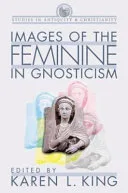
Images of the Feminine in Gnosticism
 82
82

Images of the Feminine in Gnosticism
Karen L. King's *Images of the Feminine in Gnosticism* provides a necessary corrective to the often patriarchal interpretations of early Christian thought. The strength of this collection lies in its detailed exegesis of Gnostic texts, revealing the sophisticated and varied ways female divine principles were understood. King expertly navigates the complex theological landscapes of movements like Valentinianism, demonstrating how figures like Sophia were not mere allegories but active participants in cosmic drama. A particular strength is the analysis of the *Gospel of Mary*, showcasing its unique portrayal of Mary Magdalene and her spiritual authority. If there's a limitation, it's that the scholarly density, while valuable, might pose a challenge for absolute beginners without some prior familiarity with Gnostic terminology. However, King's lucid prose largely mitigates this. The work effectively demonstrates that Gnosticism offered a robust alternative to later orthodox doctrines, placing the feminine at the very heart of the divine.
📝 Description
82
Karen L. King's 2000 collection examines feminine archetypes in early Gnostic traditions.
Published in 2000, Karen L. King's *Images of the Feminine in Gnosticism* analyzes how early Gnostic systems conceived of the divine feminine. The essays investigate the portrayals of supreme deities, Aeons, and creation itself through feminine figures and personifications. King moves past simple interpretations to show complex Gnostic cosmologies where figures like Sophia are central to emanation and the fall from the Pleroma.
King reconstructs the Gnostic concept of the Godhead, emphasizing female figures often absent or demonized in later Christian orthodoxy. These early Christian movements, active in the first centuries CE, depicted a divine realm with male and female spiritual beings. The feminine often represented wisdom, spirit, or even the source of both error and redemption. The book highlights the internal diversity of Gnosticism, revealing how portrayals of the divine feminine varied across different schools.
The historical circumstances of Gnosticism are key to understanding its feminine imagery. These groups often clashed with emerging orthodox Christianity, leading to persecution and the suppression of their writings. King places the Gnostic focus on the feminine within this theological conflict. She explains how orthodox emphasis on a singular, patriarchal Godhead contributed to the sidelining and condemnation of Gnostic ideas, particularly those featuring female divinity. Surviving fragments and polemical accounts are analyzed to recover Gnostic perspectives.
This work examines Gnosticism, a diverse set of religious movements prominent in the early centuries CE. Gnostics sought salvation through knowledge (gnosis) and often posited a complex cosmology involving divine emanations and a flawed material world. Their understanding of the divine frequently included feminine principles and figures, such as Sophia, which stood in contrast to the developing patriarchal structures of orthodox Christianity. King's analysis situates these feminine images within the broader Gnostic worldview and its historical opposition to emerging Christian orthodoxy.
💡 Why Read This Book?
• Gain insight into the complex role of Sophia in Gnostic cosmology, understanding her creation narrative and her significance as the source of both error and redemption, a concept central to Valentinian Gnosticism. • Learn about the historical marginalization of Gnostic texts and movements, appreciating the persecution they faced from emerging orthodox Christianity which sought to suppress their views on divine plurality. • Explore the radical reinterpretation of the divine feminine in early Christian heresies, particularly through the analysis of texts like the *Gospel of Mary*, offering a counterpoint to later patriarchal theological developments.
⭐ Reader Reviews
Honest opinions from readers who have explored this book.
❓ Frequently Asked Questions
What is the primary focus of Karen L. King's 'Images of the Feminine in Gnosticism'?
The book focuses on the diverse portrayals of female divine figures, such as Sophia, within various Gnostic systems and their theological significance in early Christian movements flourishing around the 2nd century CE.
Which specific Gnostic schools are discussed in relation to the feminine?
The essays explore traditions like Valentinianism, often referencing texts such as the *Gospel of Mary*, to illustrate different conceptualizations of the feminine divine.
How does this book address the persecution of Gnostic groups?
It contextualizes the Gnostic emphasis on feminine divinity within the historical struggle against emerging orthodox Christianity, noting how these ideas were often suppressed and deemed heretical.
What role does Sophia play in the Gnostic understanding presented?
Sophia, often depicted as the Aeon of Wisdom, is central to Gnostic creation myths, frequently associated with the emanation of the material world and the subsequent spiritual predicament of humanity.
Is this book suitable for readers new to Gnosticism?
While scholarly, the work is designed to be accessible. However, some familiarity with basic theological concepts or a willingness to engage with complex ideas is beneficial for full appreciation.
When was 'Images of the Feminine in Gnosticism' first published?
The collection was first published in September 2000, offering a modern scholarly synthesis of ancient Gnostic thought regarding the feminine divine.
🔮 Key Themes & Symbolism
The Divine Sophia
The collection deeply examines the many-sided figure of Sophia, the Gnostic personification of Wisdom. It details her descent from the Pleroma, her often-unintended role in the creation of the flawed material cosmos, and her subsequent association with the entrapment of divine sparks within lower realms. This exploration reveals how Sophia embodies a complex interplay of divine aspiration, cosmic error, and the potential for redemption, challenging later orthodox interpretations of divine wisdom.
Feminine Archetypes in Creation
Beyond Sophia, the essays illuminate a broader spectrum of feminine archetypes within Gnostic mythologies. These figures represent various emanations of the divine, often acting as counterparts or complementary forces to male Aeons. King demonstrates how these Gnostic systems utilized feminine principles to articulate complex cosmological theories, including the nature of spirit, soul, and the very process of divine outpouring and manifestation.
Gnostic Cosmology and Dualism
The work elucidates the dualistic worldview prevalent in many Gnostic traditions, contrasting the spiritual, true Godhead with the material, imperfect world. The feminine divine is often intrinsically linked to this cosmology, representing the spiritual impulse that falls into or interacts with the material realm. This theme highlights the Gnostic search for liberation from material constraints through gnosis (knowledge).
Heretical Christianity
King places Gnosticism within the range of early Christianity, emphasizing its status as a 'heretical' strand. The book analyzes how Gnostic views, particularly their elevated portrayal of the feminine divine, stood in stark contrast to the developing orthodox doctrines. This exploration underscores the theological conflicts of the 2nd and 3rd centuries and the reasons for Gnosticism's eventual suppression.
💬 Memorable Quotes
Direct passages from the work, attributed to the author.
“The Gnostic texts reveal a divine realm populated by male and female spiritual entities.”
— This highlights a core Gnostic tenet: the divine is not exclusively masculine. The presence of female Aeons and figures like Sophia signifies a more complex, perhaps even egalitarian, understanding of the Godhead in contrast to later patriarchal structures.
“Sophia's desire or error precipitates the creation of the material world.”
— This interpretation points to the Gnostic myth of the Fall, where a divine being's action, often driven by longing or insufficient understanding, leads to the manifestation of the imperfect material universe and the subsequent spiritual exile.
“Gnosticism offered a radical alternative to emerging orthodox Christian theology.”
— This expresses the book's argument about the heterodox nature of Gnosticism, emphasizing its distinct cosmology, soteriology, and understanding of the divine, particularly concerning feminine aspects, which were later rejected or condemned.
“The persecution of Gnostic movements led to the loss of many original texts.”
— This statement underscores the historical challenges in reconstructing Gnostic beliefs, relying on fragmented evidence and often biased accounts from their opponents, making King's scholarly work essential for understanding these suppressed traditions.
“The Gospel of Mary presents a unique perspective on the role of Mary Magdalene.”
— This refers to the specific Gnostic text where Mary Magdalene is depicted not merely as a follower but as a spiritual leader and recipient of special revelation, challenging traditional Gospel narratives and highlighting female authority within certain early Christian circles.
🌙 Esoteric Significance
Tradition
This work is firmly rooted in the study of Gnosticism, a complex spiritual and philosophical movement often categorized within Western Esotericism. While distinct from Hermeticism or Kabbalah, Gnosticism shares a lineage of seeking hidden knowledge for spiritual liberation. King's scholarship fits within this tradition by useful Gnostic ideas for contemporary seekers, focusing on its unique cosmology and its departure from Abrahamic orthodoxy, particularly in its understanding of the divine.
Symbolism
Central symbols explored include Sophia (Wisdom), often depicted as a fallen Aeon whose longing initiates creation, representing the divine spark's entanglement in matter. The Pleroma (Fullness) symbolizes the transcendent, spiritual field of perfect beings, from which the material world is a deviation. The concept of Archons represents the rulers of the material cosmos, often seen as ignorant or malevolent forces impeding spiritual ascent.
Modern Relevance
Contemporary esoteric thought, particularly feminist spirituality and certain New Age interpretations, frequently draws inspiration from Gnostic ideals. Movements exploring the divine feminine, Goddess spirituality, and critiques of patriarchal religious structures often find resonance in Gnostic narratives of Sophia and female divine figures. Scholars and practitioners interested in alternative spiritual paths and recovering suppressed historical traditions continue to engage with King's foundational research.
👥 Who Should Read This Book
• Students of early Christianity and comparative religion: Gain a nuanced understanding of Gnostic beliefs and their historical context, moving beyond simplistic definitions of heresy. • Seekers of esoteric wisdom: Explore alternative cosmologies and the profound role of the feminine divine in spiritual traditions distinct from mainstream religions. • Scholars of gender and religion: Investigate the historical construction of the divine feminine and its subversion within early religious movements.
📜 Historical Context
Emerging in the 1st and 2nd centuries CE, Gnosticism represented a diverse array of early Christian and Hellenistic philosophical movements that offered radical alternatives to nascent orthodox doctrines. These groups, often flourishing in regions like Egypt and Syria, developed complex cosmologies and soteriologies centered on *gnosis*, or salvific knowledge. Karen L. King's work situates these traditions within a turbulent intellectual and religious landscape, marked by intense theological debate. The emphasis on feminine divine figures, particularly Sophia, stood in sharp contrast to the increasingly patriarchal structures and theology of what would become mainstream Christianity. Contemporary schools of thought included Stoicism, Neoplatonism, and various mystery cults, all contributing to the intellectual ferment. The orthodox Christian establishment, particularly figures like Irenaeus of Lyons (writing c. 180 CE), actively polemicized against Gnostic teachings, labeling them as heresy and contributing to their eventual suppression and the loss of most original Gnostic scriptures.
📔 Journal Prompts
The role of Sophia as the source of creation's imperfection.
Reflect on the Gnostic concept of the Pleroma and its spiritual implications.
Consider the implications of female spiritual authority as presented in texts like the Gospel of Mary.
Analyze the Gnostic critique of the material world and its Archons.
How does the Gnostic emphasis on feminine divinity challenge traditional patriarchal religious structures?
🗂️ Glossary
Aeon
In Gnosticism, divine beings or emanations from the supreme God, forming the spiritual realm known as the Pleroma. They often exist in pairs or syzygies.
Gnosis
Literally 'knowledge' in Greek. In Gnosticism, it refers to salvific, intuitive, or revealed knowledge necessary for spiritual liberation from the material world.
Pleroma
The totality of divine powers and emanations in the supreme God's transcendent realm. It represents the fullness of the divine existence from which Gnostic creation myths often depict a fall.
Sophia
Greek for 'Wisdom.' A key figure in many Gnostic systems, often depicted as the lowest Aeon whose yearning or error led to the creation of the material world and its flawed rulers.
Archons
Rulers or powers associated with the material cosmos in Gnosticism. They are often seen as ignorant or malevolent beings who maintain humanity's imprisonment in the physical realm.
Valentinianism
A prominent Gnostic school founded by Valentinus in the 2nd century CE, known for its complex cosmology involving a divine hierarchy and intricate myths of creation and redemption.
Heterodoxy
Belief or opinion differing from established or orthodox views, particularly in religion. Gnosticism is considered a major form of early Christian heterodoxy.