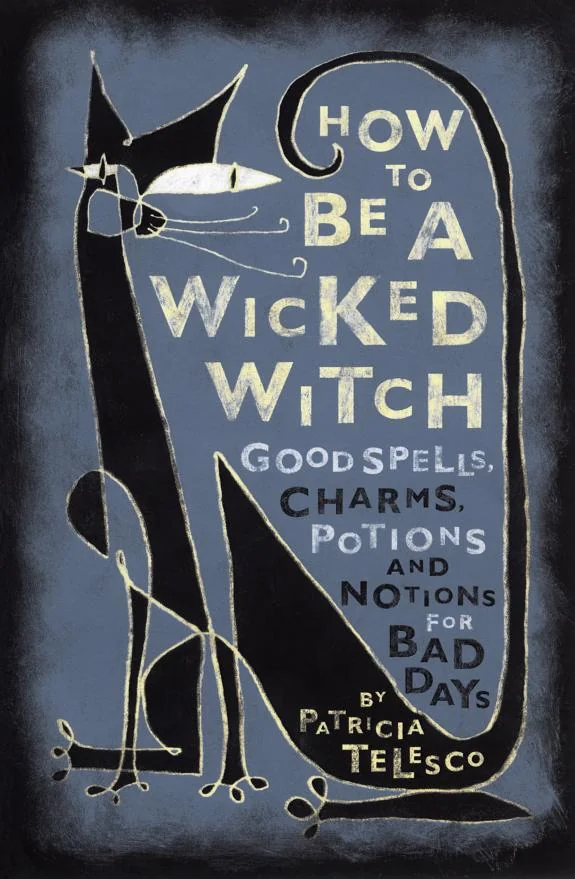
How To Be A Wicked Witch
 73
73

How To Be A Wicked Witch
Patricia Telesco's "How To Be A Wicked Witch" sidesteps the common pitfalls of New Age sensationalism, offering a refreshingly direct guide to practical magic. The work's strength lies in its straightforward instruction, particularly in the section detailing the construction and consecration of a personal altar, which provides a tangible starting point. However, the book occasionally leans into a somewhat simplistic framing of complex magical theories. For instance, its explanation of lunar phases as purely energetic influences, while accessible, omits deeper astrological or folkloric nuances. The accessible tone, while a benefit for novices, might feel reductive to seasoned practitioners. Ultimately, Telesco provides a functional, unpretentious entry point into witchcraft for the genuinely curious.
📝 Description
73
Patricia Telesco's 2001 guide, 'How To Be A Wicked Witch,' offers practical magic for modern practitioners.
This book presents a practical approach to witchcraft, integrating traditional magical methods with contemporary use. It aims to clarify witchcraft's tenets and rituals for those interested in the subject. The text concentrates on easy techniques, encouraging readers to develop their inner witch with actionable steps and spells.
Individuals drawn to the esoteric and seeking a clear understanding of witchcraft, beyond sensationalized images, will find this book useful. It provides guidance for self-discovery and personal strength through witchcraft. The book is suitable for newcomers and those wanting to review basic ideas.
Published in 2001, this work appeared as public interest in Neopaganism and witchcraft grew. It follows earlier influences from figures like Gerald Gardner in the mid-20th century. This period saw many accessible guides emerge, moving away from more closed occult traditions. The book reflects a move towards personal, eclectic practice instead of strict adherence to specific covens or historical lines.
💡 Why Read This Book?
• You will learn how to perform a basic consecration ritual for a personal altar, a practice detailed in the book's foundational chapters, providing a concrete starting point for your magical space. • You will gain an understanding of elemental correspondences, such as the role of water in cleansing rituals as described by Telesco, offering practical insights into working with natural forces. • You will discover techniques for spellcrafting using readily available items, as presented in the chapter on "Simple Spell Components," empowering you to create your own magical workings.
⭐ Reader Reviews
Honest opinions from readers who have explored this book.
❓ Frequently Asked Questions
Is "How To Be A Wicked Witch" suitable for complete beginners?
Yes, the book is designed as a primer, making it highly suitable for those new to witchcraft. It breaks down concepts and rituals into accessible steps, as demonstrated in its explanations of basic spell components.
What year was "How To Be A Wicked Witch" first published?
The book "How To Be A Wicked Witch" by Patricia Telesco was first published on September 13, 2001.
Does the book require any specific tools or ingredients?
While it encourages the use of natural elements and personal items, the book focuses on accessible spellcraft. It guides readers on how to utilize common household items and natural finds, rather than requiring specialized or expensive tools.
What kind of witchcraft does this book focus on?
The book offers a general, eclectic approach to witchcraft, drawing on traditional elements but emphasizing personal practice. It focuses on developing personal power and working with natural cycles, aligning with a modern, self-directed form of practice.
Are there any specific rituals or spells included?
Yes, the book includes numerous practical rituals and spells, ranging from altar consecration to simple charm workings. These are presented with clear instructions for execution.
Who is the author, Patricia Telesco?
Patricia Telesco is an author known for her works on witchcraft and esoteric subjects. She aims to provide accessible guidance for those interested in exploring these practices.
🔮 Key Themes & Symbolism
Personal Power Cultivation
The core of "How To Be A Wicked Witch" centers on empowering the individual. It posits that inherent magical ability exists within everyone, termed the 'witch within.' Telesco guides readers to recognize and harness this energy through focused intent and practice, encouraging self-reliance rather than external authority. This theme is explored through exercises designed to build confidence and magical awareness, moving away from prescribed dogma towards personal experience and intuition.
Elemental and Natural Magic
This book emphasizes the interconnectedness of practitioners with the natural world. It details how to work with the energies of the four classical elements—Earth, Air, Fire, and Water—in rituals and spellcasting. Readers are encouraged to observe natural cycles, such as lunar phases and seasonal changes, and integrate these into their magical workings. The use of natural ingredients and symbols is presented as a way to ground magical practice and amplify intent.
Accessible Spellcrafting
Telesco focuses on making spellcraft achievable for everyone, regardless of prior experience. The book provides straightforward recipes for spells using common household items and readily available natural materials. It clarifies the process, breaking down spell intention, component selection, and execution into manageable steps. This approach aims to build confidence and demonstrate that magic is not an arcane art reserved for a select few.
The Witch's Altar
Establishing a personal altar is presented as a fundamental step in "How To Be A Wicked Witch." The book offers guidance on creating a sacred space for practice, including consecration rituals and suggestions for symbolic items. The altar serves as a focal point for energy work, meditation, and spellcasting, representing the practitioner's connection to their craft and their inner power. It is depicted as a dynamic, personal creation.
💬 Memorable Quotes
Direct passages from the work, attributed to the author.
“The witch within is a part of you that longs to be set free.”
— This statement expresses the book's central philosophy: that witchcraft is an innate potential within individuals, not an imposed belief system. It suggests that embracing one's inner 'witch' is an act of liberation and self-actualization.
“Magic is the art of causing change in conformity with will.”
— This definition highlights the practical and intentional nature of magic as presented in the book. It emphasizes the practitioner's will and intent as the primary drivers of magical outcomes, focusing on practical application rather than abstract theory.
“Your altar is your magical workbench.”
— This concise analogy underscores the functional purpose of the witch's altar. It positions the altar not just as a symbolic space but as a practical tool and active hub for performing magical operations and channeling energy.
“Work with the energies of the earth, the air, the fire, and the water.”
— This directive points to the book's emphasis on elemental magic. It encourages practitioners to consciously engage with and draw power from the fundamental forces of nature as a core component of their witchcraft.
“Spell components should be things that have meaning to you.”
— This advice stresses the personal nature of magical practice. It suggests that the efficacy of spell components is amplified by their individual significance to the practitioner, reinforcing the theme of personal power.
🌙 Esoteric Significance
Tradition
This work aligns with modern eclectic witchcraft traditions, which often draw inspiration from various historical streams including Wicca, folk magic, and ceremonial practices, but prioritize individual interpretation and practice. It departs from stricter, lineage-bound traditions by emphasizing personal discovery and accessible, often solitary, practice. The focus on 'the witch within' echoes modern interpretations of innate magical potential rather than initiation into a specific system like Golden Dawn Hermeticism.
Symbolism
The book utilizes symbols like the altar as a representation of the practitioner's sacred space and connection to power. Natural elements—earth (grounding), air (intellect/communication), fire (passion/transformation), and water (emotion/intuition)—are employed as fundamental forces to be invoked. The moon is also a significant symbol, representing cycles, intuition, and feminine energy, common motifs in many witchcraft traditions.
Modern Relevance
Contemporary practitioners of eclectic witchcraft and those exploring personal spirituality often find value in Telesco's approach. Its emphasis on practical, accessible spellcraft speaks to online communities and modern covens that favor self-teaching and DIY magical practices. Thinkers and practitioners focused on non-dogmatic, self-empowerment-oriented spiritual paths continue to draw from such guides for foundational concepts and ritual ideas.
👥 Who Should Read This Book
• Aspiring witches seeking a non-intimidating introduction to practical magic, who will benefit from the book's clear explanations of basic rituals and spell components. • Individuals interested in personal empowerment and self-discovery through spiritual practice, who can utilize the book's techniques for cultivating inner strength and intuition. • Hobbyists of esoteric subjects looking for accessible guides to witchcraft, who will appreciate the book's lighthearted tone and focus on readily available materials for spellcraft.
📜 Historical Context
Published in 2001, "How To Be A Wicked Witch" arrived during a significant period for popular occult literature. The late 20th and early 21st centuries witnessed a surge in interest in Neopaganism and witchcraft, partly fueled by earlier foundational works like Gerald Gardner's writings on Wicca in the mid-20th century. Telesco's book contributed to a growing trend of accessible, self-directed witchcraft guides, diverging from more structured or coven-based traditions. This era also saw a mainstreaming of esoteric concepts, with authors like Scott Cunningham already popularizing a gentler, nature-based approach to witchcraft. Telesco’s work offered a lighthearted, practical entry point, reflecting a broader cultural acceptance and commercialization of witchcraft practices.
📔 Journal Prompts
Reflect on the concept of the 'witch within' and how it relates to your personal sense of power.
Consider the elemental correspondences presented and identify which element you feel most connected to.
Design a simple spell using at least three 'meaningful' components as suggested in the text.
Describe the ideal setup for your personal magical altar, drawing inspiration from the book's guidance.
Analyze a personal goal and determine how invoking the "art of causing change in conformity with will" could help achieve it.
🗂️ Glossary
Witch Within
The innate magical potential or inherent power believed to reside within an individual, which the book encourages readers to recognize and cultivate.
Consecration
A ritualistic process of dedicating or blessing an object, space, or tool for magical use, imbuing it with sacred energy and intent.
Elemental Correspondences
The association of specific qualities, energies, and symbols with the classical elements (Earth, Air, Fire, Water) used in magical workings.
Spellcraft
The practice of creating and casting spells, involving focused intent, specific components, and ritualistic actions to effect change.
Altar
A dedicated space, often a table or shelf, used as a focal point for magical rituals, meditation, and the placement of symbolic items.
Intent
The focused will and purpose behind a magical act; the clear visualization of the desired outcome that directs magical energy.
Folk Magic
A broad category of magical practices rooted in the traditions and beliefs of common people, often passed down orally and emphasizing practical, everyday results.
This book appears in 2 collections
🔮 Readers Also Liked
Browse all →![CIA Reading Room cia-rdp75-00149r000200590003-6: PROTECTING [PRIVACY AND FREEDOM]](/img/thumb/cia-reading-room-cia-rdp75-00149r000200590003-6-protecting-privacy-and-freedom-cia-reading-room.webp)




![ERIC ED481283: Salem Witch Trials. [Lesson Plan].](/img/thumb/eric-ed481283-salem-witch-trials-lesson-plan-eric.webp)
From the “Spellcraft” Collection
View all →

More Free Witchcraft & Paganism Books
View all →