House of oracles
 61
61

House of oracles



Ophelia Vance, Mystical Literature Reviewer — Philippe Vergne's 'House of Oracles' is a revelation for anyone attuned to the subtle energies that inform human creativity. This meticulously curated collection bridges the perceived chasm between Eastern wisdom and Western artistic innovation, illuminating how modern art, particularly from 20th-century China, serves as a potent oracle in itself. Vergne masterfully unearths the spiritual underpinnings of exhibitions and artistic movements, revealing symbolic languages that speak to the eternal human quest for meaning. Its strength lies in its ability to inspire profound contemplation, making it an essential read for art historians, spiritual seekers, and practitioners of divination seeking new perspectives.
📝 Description
61
Step into the 'House of Oracles,' a profound exploration curated by Philippe Vergne, where the veil between the mundane and the mystical thins. This volume delves into the esoteric currents that weave through East and West, revealing a hidden dialogue between ancient divination practices and the bold expressions of 20th-century modern art. Within these pages, art becomes a conduit to hidden knowledge, a visual lexicon of spiritual seeking. Discover how artists from China and beyond, through their avant-garde exhibitions and visionary works, tapped into universal archetypes and prophetic visions, mirroring the timeless wisdom found in oracular traditions. The atmosphere is one of contemplative inquiry, inviting readers to ponder the symbiotic relationship between artistic creation and spiritual insight. This book is for the discerning soul, the seeker of deeper meaning, and the scholar who understands that true art is often a reflection of the soul's deepest mysteries, a sacred space where the past whispers secrets to the present.
✍️ Author
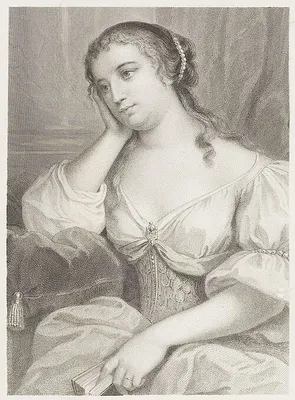
Philippe Vergne
Marie-Madeleine Pioche de La Vergne, Comtesse de La Fayette (baptized 18 March 1634 – 25 May 1693), better known as Madame de La Fayette, was a French writer; she authored La Princesse de Clèves, France's first historical novel and one of the earliest novel…
💡 Why Read This Book?
Uncover the esoteric dimensions of modern art, where canvases and sculptures become prophecies. 'House of Oracles' offers a unique lens through which to view the profound connections between Eastern and Western spiritual traditions and avant-garde artistic expression. Ideal for seekers of hidden knowledge, scholars of art and mysticism, and practitioners who wish to enrich their understanding of symbolism and divination through a contemporary, artistic framework. Explore how art can serve as a living oracle.
⭐ Reader Reviews
Honest opinions from readers who have explored this book.
❓ Frequently Asked Questions
What is the primary focus of 'House of Oracles'?
The book primarily focuses on the intersection of Eastern and Western spiritual traditions, divination practices, and the evolution of modern art, particularly in 20th-century China, presenting art as a form of oracle.
Who is the intended audience for this book?
The book is intended for art historians, scholars of mysticism and esotericism, artists, spiritual seekers, and anyone interested in the symbolic language of art and divination.
Does the book contain actual divination methods?
While it explores the oracular nature of art and its connection to divination, it primarily offers an intellectual and spiritual exploration rather than a practical guide to performing divination.
How does it connect art with Eastern and Western thought?
It demonstrates how artists, influenced by both Eastern philosophies and Western avant-garde movements, have intuitively or consciously incorporated symbolic and prophetic elements into their work, creating a dialogue across cultures and eras.
What is the role of exhibitions in the book?
Exhibitions are presented as curated spaces where artists reveal their visions, acting as modern-day oracles that offer insights into the collective consciousness and spiritual currents of their time.
🔮 Key Themes & Symbolism
Art as Oracle: The Prophetic Canvas
This theme explores the profound concept of art transcending mere aesthetics to become a conduit for prophetic insight and spiritual revelation. 'House of Oracles' posits that modern art, particularly from the 20th century, can function as a visual oracle, offering glimpses into the collective unconscious and the hidden currents of existence. It examines how artists, consciously or unconsciously, tap into archetypal imagery and symbolic languages that resonate with ancient divination practices, transforming exhibitions into spaces where the future and the soul's deepest truths are unveiled. This perspective invites readers to re-evaluate their relationship with art, seeing it not just as a product of human skill but as a living testament to the enduring human quest for meaning and foresight.
East Meets West: A Symbiotic Spiritual Dialogue
Delve into the rich tapestry of spiritual and philosophical exchange between Eastern and Western cultures, as illuminated through the lens of art. 'House of Oracles' meticulously traces how ancient Eastern divination traditions and metaphysical philosophies have subtly, yet profoundly, influenced Western artistic movements and vice versa. It highlights instances where artists, bridging geographical and cultural divides, have synthesized diverse esoteric knowledge, creating a dialogue that enriches our understanding of universal spiritual truths. This theme reveals how seemingly disparate cultures can converge in their shared pursuit of wisdom, demonstrating a symbiotic relationship where each tradition informs and elevates the other, fostering a more holistic approach to spiritual exploration.
Symbolism and Hidden Knowledge in Modern Art
Uncover the intricate layers of symbolism embedded within the works of 20th-century modern artists, particularly those from China, and their connection to esoteric knowledge. 'House of Oracles' guides readers through the visual lexicon of art, deciphering the hidden meanings and spiritual undertones that often elude conventional interpretation. It demonstrates how artists employ symbols as a secret language, communicating profound metaphysical concepts and spiritual insights to those attuned to their frequency. This exploration of concealed wisdom encourages a deeper, more contemplative engagement with art, revealing how artistic creations can serve as keys to unlocking ancient mysteries and understanding the perennial philosophical questions that have guided humanity for millennia.
💬 Memorable Quotes
“Art is the whisper of the soul's future.”
— This quote suggests that artistic creation is not merely an expression of the present but a sensitive reception of what is to come, a manifestation of destiny or insight.
“The canvas, a mirror to the unseen.”
— This highlights art's capacity to reflect intangible realities, spiritual dimensions, or hidden truths that lie beyond ordinary perception.
“Oracles speak not just of fate, but of becoming.”
— This implies that divination, like art, is not solely about foretelling events but also about guiding personal growth and transformative potential.
“In the East's gaze, the West found its inner eye.”
— This speaks to the profound influence of Eastern philosophies on Western artistic and spiritual development, leading to a more introspective and holistic understanding.
“Exhibitions: sacred spaces for modern seers.”
— This elevates the gallery or exhibition space to the status of a ritualistic site where contemporary artists reveal profound insights to an audience ready to receive them.
🌙 Esoteric Significance
Tradition
The book draws heavily from the rich traditions of Eastern metaphysics, including Taoism, Buddhism, and various forms of Chinese philosophy and divination (like the I Ching), interwoven with Western esoteric currents such as Hermeticism, symbolism, and the psychoanalytic exploration of the unconscious. It posits that these traditions, though distinct, share a common language of archetypes and symbolic representation, offering pathways to understanding the deeper, often hidden, order of the universe. The 'House of Oracles' itself can be seen as a metaphor for these interconnected mystical frameworks, where art acts as a divinatory tool and a repository of spiritual wisdom.
Symbolism
Central to the book's esoteric significance is its deep dive into symbolism as a universal language of the soul. It explores how artists, across cultures and eras, employ symbols to convey complex spiritual truths, archetypal patterns, and prophetic insights. From the cyclical nature of time depicted in abstract forms to the resonance of specific imagery derived from ancient myths and divination systems, the book deciphers these visual cues. The understanding of symbolism here is not merely academic but experiential, inviting the reader to perceive art as a living text that speaks directly to the subconscious and spiritual faculties, revealing hidden connections and universal laws.
Modern Relevance
In an age often characterized by fragmentation and superficiality, the esoteric insights presented in 'House of Oracles' offer a profound pathway to reconnection and depth. The book's exploration of art as a form of divination provides a contemporary lens through which to seek meaning, intuition, and foresight in our daily lives. It reminds us that creativity and spiritual inquiry are not separate pursuits but deeply intertwined aspects of the human experience. By bridging ancient wisdom with modern artistic expression, it offers tools for navigating complex realities, fostering personal growth, and cultivating a more profound understanding of ourselves and our place within the vast cosmic order, proving that the oracular impulse is ever-present.
👥 Who Should Read This Book
This volume is a treasure trove for a diverse array of seekers. For the **beginner** in esoteric studies, it offers an accessible yet profound introduction to the spiritual dimensions of art and divination. **Scholars** of art history, comparative religion, and cultural studies will find rich material for nuanced analysis of cross-cultural influences and symbolic interpretation. **Spiritual seekers** will discover a unique pathway to understanding the divine through artistic expression, finding new ways to connect with intuition and deeper truths. **Practitioners** of divination or those interested in archetypal psychology will appreciate the book's insights into how art can serve as a powerful tool for insight and self-discovery, enriching their practice with a broader, more symbolic understanding.
📜 Historical Context
The early to mid-20th century, the period frequently referenced in 'House of Oracles,' was a crucible of radical change, artistic experimentation, and profound philosophical shifts. Emerging from the ashes of world wars and amidst rapid industrialization, artists across the globe grappled with new technologies, societal upheavals, and a re-evaluation of traditional beliefs. In China, this era was marked by revolutionary fervor, the decline of imperial dynasties, and the struggle to forge a modern national identity, leading to a rich interplay between traditional aesthetics and imported avant-garde ideas. This period saw a surge in interest in both Eastern mysticism and Western psychoanalysis, surrealism, and abstract expressionism, creating fertile ground for the esoteric and symbolic to permeate artistic output. Exhibitions became crucial platforms for artists to showcase radical visions, challenging established norms and offering new ways of perceiving reality, often echoing ancient oracular traditions in their quest for meaning and foresight.
📔 Journal Prompts
Reflect on a piece of art that has felt prophetic to you. What message did it seem to convey?
How can the visual language of art be considered a form of divination?
Explore a symbol from Eastern or Western esoteric traditions and how it might manifest in contemporary art.
Consider an exhibition you've visited. Did it feel like an 'oracle'? What insights did it offer?
How can we cultivate a more 'oracular' mindset in our everyday appreciation of art and the world around us?
🗂️ Glossary
Divination
The practice of seeking knowledge of the future or the unknown by supernatural means. In this context, it extends to interpreting symbolic languages, including those found in art.
Esotericism
Beliefs and practices that are outside the mainstream, often involving hidden knowledge, mysticism, and spiritual disciplines intended for initiates.
Archetype
A universal, archaic pattern and image that derives from the collective unconscious and is part of humanity's inherited psychic structure.
Avant-garde
New and experimental ideas and methods in art, music, or literature; the people introducing them.
Symbolism
The use of symbols to represent ideas and qualities by giving them meanings that are different from their literal sense.