Spellbound
 62
62

Spellbound


Marcus Thorne, Esoteric Sciences Reviewer — Sophie Page's 'Spellbound' is a scholarly yet deeply resonant examination of magical thinking, a concept often relegated to the fringes of discourse. Page meticulously traces its influence through history, art, and medicine, revealing its profound connection to human hope and resilience. This work transcends simple historical cataloging, offering a compelling argument for the enduring psychological and spiritual necessity of these 'secular magic' practices. It’s an essential read for anyone interested in the history of consciousness, the psychology of belief, or the subtle energies that have always informed the human experience. A truly illuminating contribution to esoteric scholarship.
📝 Description
62
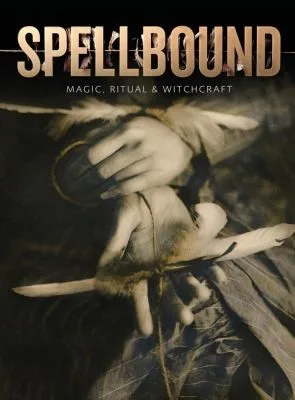
Sophie Page's 2023 book, 'Spellbound,' examines how people have always sought to interact with unseen forces.
Sophie Page's 'Spellbound' looks at how humans have tried to perceive and affect the unseen world. The book examines the idea of 'magical thinking' across different cultures and time periods. Page shows how this has manifested, often in ways that are not strictly religious. She discusses how practices like spells and talismans were not just superstition, but ways people found hope and survival.
The book traces this drive through the history of medicine and thought. It argues that these practices were important for well-being, both physical and mental. Page suggests that the belief in unseen powers has always been part of human experience, providing comfort and a sense of meaning. The book aims to show the enduring role of belief in transforming human lives.
This book fits within the study of historical magic and belief systems. It examines how people have constructed meaning and sought agency through practices aimed at influencing the unseen. Rather than focusing on modern occultism, 'Spellbound' situates these impulses within broader human history, connecting them to medicine, psychology, and cultural practices that sought order and control over the unknown. It explores the psychological and social functions of what might be termed 'folk magic' or ritualistic thinking across various societies.
💡 Why Read This Book?
Uncover the hidden history of human hope and resilience through the lens of magical thinking. 'Spellbound' offers a profound understanding of how spells, rituals, and symbolic objects have served as vital tools for navigating life's challenges. Ideal for spiritual seekers, cultural historians, and anyone fascinated by the enduring power of belief to foster well-being and survival.
⭐ Reader Reviews
Honest opinions from readers who have explored this book.
❓ Frequently Asked Questions
What is 'magical thinking' as explored in the book?
The book defines 'magical thinking' as the universal human inclination to perceive and interact with an unseen world of power, driving individuals across cultures and eras to seek connection beyond the empirical.
Does 'Spellbound' focus on traditional witchcraft?
While acknowledging witchcraft, the book emphasizes the *secular* expressions of magic, exploring its manifestations in medicine, art, and everyday life across history.
What is the book's stance on the efficacy of spells and rituals?
Page frames spells and rituals as powerful 'engines of hope,' essential for mental and physical health and survival, rather than solely as external forces.
Who is the intended audience for 'Spellbound'?
The book appeals to a broad audience including those interested in the history of medicine, psychology, cultural studies, and anyone curious about the enduring human need for meaning and connection.
Can this book be considered a practical guide to magic?
No, 'Spellbound' is primarily an academic and philosophical exploration of the *concept* of magical thinking and its historical role, not a manual for performing spells.
🔮 Key Themes & Symbolism
The Universal Nature of Magical Thinking
This theme looks at the innate human impulse to connect with unseen realms and potent forces, demonstrating its prevalence across diverse cultures and historical epochs. It posits magical thinking not as an anomaly, but as a fundamental aspect of human consciousness, driving our search for meaning, control, and connection in a mysterious world. The book illustrates how this inherent drive has manifested in various forms, from ancient rituals to contemporary beliefs, highlighting its enduring presence in our collective psyche.
Hope as a Catalyst for Survival and Well-being
Central to 'Spellbound' is the assertion that spells, magical objects, and rituals act as potent 'engines of hope.' This theme explores how the very act of engaging with these practices, irrespective of their literal efficacy, generates a crucial sense of optimism and agency. The book argues that this cultivated hope is not merely a psychological comfort but a vital component for physical and mental resilience, even serving as a fundamental element of human survival in the face of adversity and uncertainty.
The Secular Expressions of Magic
Page masterfully shifts the focus from overtly religious or occult practices to the often-overlooked secular manifestations of magic. This theme investigates how the principles of magical thinking have permeated historical medicine, the understanding of the mind, and popular culture. It reveals how seemingly mundane practices, historical medical treatments, and even artistic expressions can be understood through the lens of seeking to influence, connect with, or control forces beyond the immediately tangible, demonstrating magic's pervasive and often unacknowledged influence.
💬 Memorable Quotes
Direct passages from the work, attributed to the author.
“Spells, magical objects, and rituals are engines of hope.”
— This core tenet highlights the psychological and emotional function of magical practices, framing them as powerful mechanisms for fostering optimism and resilience, crucial for human endurance.
“Hope is essential to physical and mental health, indeed to survival.”
— This profound statement links the abstract concept of hope, often generated by magical thinking, directly to fundamental human needs for well-being and continued existence.
“People in all ages and cultures have sought to connect with an unseen world of perceived power.”
— This observation underscores the universality and antiquity of 'magical thinking,' positioning it as an intrinsic and consistent aspect of the human experience throughout history.
“Focusing in particular on magic's secular expressions.”
— This declaration signals the book's unique approach, looking beyond overt occultism to find magic's subtle yet pervasive influence in everyday life, medicine, and culture.
“The concept of 'magical thinking' describes how...”
— This phrase introduces the central analytical framework of the book, setting the stage for an exploration of the underlying psychological and cultural drivers of belief and ritual.
🌙 Esoteric Significance
Tradition
While not adhering strictly to a single esoteric tradition, 'Spellbound' appeals to the Hermetic principle of 'As Above, So Below,' exploring the interconnectedness of the inner psychological world and the outer perceived reality. It echoes Gnostic ideas of seeking hidden knowledge and understanding the underlying forces that shape existence. The book also touches upon animistic and shamanistic perspectives by highlighting humanity's ancient drive to commune with unseen energies and intelligences.
Symbolism
The book implicitly engages with the power of symbolism by analyzing how spells, talismans, and ritualistic actions imbue objects and actions with meaning and perceived efficacy. Symbols act as conduits for intention and belief, bridging the gap between the conscious mind and the subconscious, and between the material and the immaterial. The act of creating or using a magical object becomes a symbolic representation of desired outcomes, channeling psychic energy and fostering a sense of control and connection.
Modern Relevance
In an age often characterized by scientific rationalism, 'Spellbound' offers a vital re-evaluation of humanity's innate need for meaning, connection, and hope. It suggests that the principles of magical thinking, expressed through acts of intention and belief, continue to play a significant role in modern well-being, resilience, and the search for purpose. The book encourages readers to recognize and perhaps consciously engage with these forces in their own lives, fostering a more holistic understanding of health and human experience.
👥 Who Should Read This Book
Scholars of cultural history, anthropology, and the history of medicine will find 'Spellbound' an indispensable resource, offering a novel framework for understanding historical beliefs and practices. Spiritual seekers and practitioners of various esoteric paths will appreciate the book's exploration of the universal psychological underpinnings of ritual and belief, offering insights into the enduring power of hope. Beginners curious about the history of magic and witchcraft will find a thoroughly researched and accessible introduction. Anyone grappling with the complexities of modern life and seeking a deeper understanding of human resilience and the search for meaning will find profound resonance within its pages.
📜 Historical Context
Sophie Page's 'Spellbound' emerges from a rich academic tradition that increasingly seeks to understand the historical role of belief, ritual, and the 'unseen' in human societies. The late 20th and early 21st centuries have witnessed a resurgence of interest in witchcraft, folklore, and alternative healing practices, often re-examined through anthropological, sociological, and psychological lenses. This work builds upon scholarship that has moved beyond dismissing such phenomena as mere superstition, instead exploring their deep-seated functions in providing meaning, social cohesion, and psychological resilience. The book's focus on secular expressions aligns with contemporary trends in cultural history that seek to uncover the magical or proto-scientific impulses embedded within seemingly rational societal structures, including historical medicine and the evolving understanding of the human mind.
📔 Journal Prompts
Reflect on a time when you experienced a powerful sense of hope during a challenging period. What facilitated this hope?
Consider an object or practice in your daily life that holds symbolic meaning or provides a sense of comfort or control. How might this relate to 'magical thinking'?
Explore a historical medical practice or belief that seems unusual today. How might the concept of 'magical thinking' help explain its prevalence?
Write about a personal ritual or spell you have created or participated in. What was your intention, and what was the perceived outcome?
How has the modern world, with its emphasis on science, influenced or suppressed your innate sense of wonder or belief in unseen forces?
🗂️ Glossary
Magical Thinking
The psychological tendency to perceive causal relationships between events that are not logically connected, often involving belief in unseen forces or influences that can be manipulated through symbols, rituals, or intent.
Secular Expressions of Magic
Manifestations of magical thinking and practice that are not overtly tied to religious dogma or specific occult traditions, often found in folk remedies, artistic endeavors, and everyday psychological coping mechanisms.
Ritual
A set of actions performed according to a prescribed order, often with symbolic significance, intended to achieve a specific outcome or to create a particular state of mind or being.
Talismans
Objects believed to possess magical properties or to provide protection, good luck, or other benefits to the holder, often imbued with symbolic imagery or inscriptions.
Engines of Hope
A metaphorical term used to describe how practices like spells and rituals can generate a crucial sense of optimism, agency, and belief in positive outcomes, thereby fostering resilience.
This book appears in 2 collections
🔮 Readers Also Liked
Browse all →



More by Sophie Page
All books →
From the “Ritual Magic” Collection
View all →








More Free Magic & Ritual Books
View all →