Evocativeness
 78
78

Evocativeness
Stephen A. Appelbaum's Evocativeness offers a compelling exploration of how therapists can harness the power of emotional evocation. The book's strength lies in its "poetic prose" and "abundant clinical examples," which vividly demonstrate the mechanics of affective resonance. Appelbaum's insistence on "healing love" as a core therapeutic element, rather than a mere byproduct, is a bold and valuable assertion. However, the work occasionally leans towards the theoretical, and some readers might wish for more explicit, step-by-step guidance on implementing the techniques described. One particularly effective passage details how a carefully chosen metaphor can unlock a client's buried emotions. Ultimately, Evocativeness provides a sophisticated framework for understanding the depth of the therapeutic encounter.
📝 Description
78
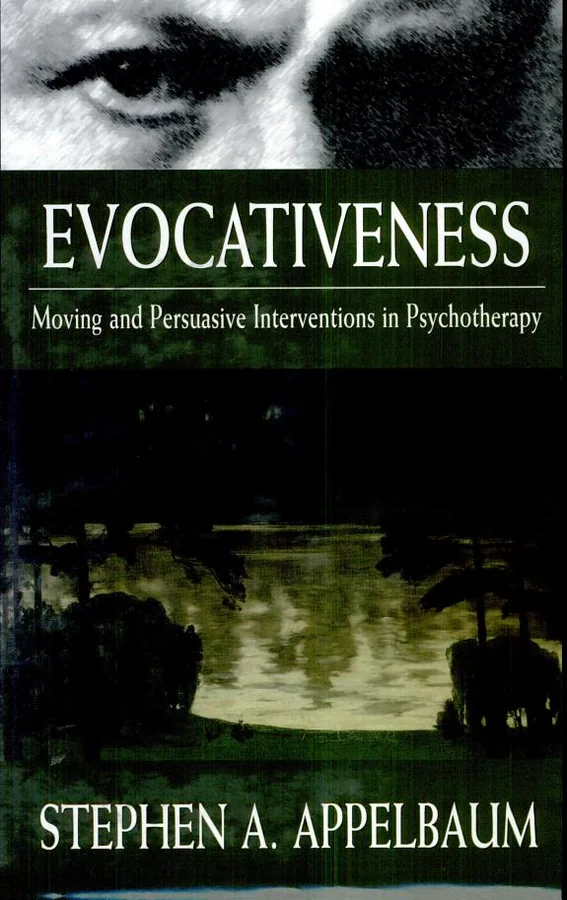
Stephen A. Appelbaum's Evocativeness, published in 2000, examines the psychological power of interventions designed to elicit deep emotional responses.
Published in 2000, Evocativeness by Stephen A. Appelbaum investigates the psychological and therapeutic impact of "evocative" techniques. These methods aim to trigger significant emotional and affective reactions, fostering connection and healing. Appelbaum draws on his clinical experience to show how specific strategies can access and strengthen emotional resonance, which is crucial for effective therapeutic results.
The book is mainly for psychotherapists, counselors, and mental health professionals who want to improve their use of evocative techniques. It also appeals to academics studying therapeutic models, depth psychology, and the phenomenology of emotional experience. Anyone interested in how language, emotion, and healing interact in a clinical setting will find Appelbaum's perspective insightful. Appelbaum's work emerged as psychotherapy began to favor relational and experiential methods over purely cognitive or behavioral ones.
Evocativeness fits within a tradition of psychospiritual inquiry that seeks direct access to subjective experience as a means of transformation. While not overtly mystical, its focus on "evocative" techniques and "healing love" resonates with esoteric philosophies that emphasize the vital force of emotion and intention in shaping reality and facilitating profound personal change. Appelbaum's work bridges clinical psychology with concepts that touch upon the energetic and relational dimensions often explored in esoteric thought, particularly regarding the therapist-client dynamic.
💡 Why Read This Book?
• Understand the critical role of "affective resonance" in therapy, as detailed through Appelbaum's clinical examples, to deepen your own interpersonal connections. • Explore the concept of "healing love" as a deliberate therapeutic intervention, moving beyond its common understanding to see its practical application in fostering intimacy. • Learn specific evocative techniques discussed in the book to unlock and work with clients' deep emotional states, enhancing therapeutic efficacy.
⭐ Reader Reviews
Honest opinions from readers who have explored this book.
❓ Frequently Asked Questions
What is the primary focus of Stephen A. Appelbaum's 'Evocativeness'?
The book focuses on "evocative interventions" in therapy, exploring how specific techniques can elicit deep emotional responses to foster healing and intimacy, drawing on clinical examples.
When was 'Evocativeness' first published?
'Evocativeness' by Stephen A. Appelbaum was first published in 2000.
Who is the intended audience for 'Evocativeness'?
The primary audience includes psychotherapists, counselors, and mental health professionals interested in deepening their practice through evocative techniques.
What does Appelbaum mean by 'affective resonance'?
Affective resonance refers to the shared emotional space between therapist and client that is cultivated through evocative techniques, acting as a catalyst for therapeutic change.
Does the book provide practical exercises?
Yes, the book includes "abundant clinical examples of successful and less successful evocative interventions," offering practical illustrations of the concepts discussed.
What is the core 'intangible ingredient' mentioned in the book's blurb?
The core intangible ingredient is described as "healing love," which Appelbaum posits is critical for successful therapy and is accessed through skillful evocative interventions.
🔮 Key Themes & Symbolism
Affective Resonance in Therapy
Appelbaum posits that "affective resonance" is not merely a passive experience but an active, cultivated state within the therapeutic dyad. The book illustrates how therapists can intentionally evoke this shared emotional space, moving beyond intellectual understanding to a felt sense of connection. This resonance is presented as the fertile ground where genuine healing and "healing love" can emerge, transforming the therapeutic encounter from a procedural exchange to a deeply intimate process.
The Power of Striking prose
Central to Appelbaum's thesis is the deliberate use of language to evoke rather than merely describe emotions. The work explores how specific word choices, narrative structures, and metaphorical language can bypass cognitive defenses and access deeper layers of feeling. This focus on the performative aspect of language in therapy highlights its capacity to create palpable emotional experiences, thereby facilitating catharsis and insight.
Healing Love as a Therapeutic Force
The concept of "healing love" is presented not as romantic affection but as a profound, unconditional acceptance and connection that is vital for therapeutic change. Appelbaum argues that this intangible element is cultivated through successful evocative interventions. The book suggests that by fostering deep intimacy and authentic emotional engagement, therapists can facilitate a powerful healing force that addresses core wounds and promotes psychological integration.
Clinical Application of Evocative Techniques
Evocativeness is rich with "abundant clinical examples" that serve as practical demonstrations of the principles discussed. Appelbaum details both successful and less successful interventions, providing readers with concrete illustrations of how evocative techniques function in real therapeutic scenarios. This emphasis on applied practice makes the theoretical concepts accessible and demonstrates their tangible impact on client outcomes.
💬 Memorable Quotes
Direct passages from the work, attributed to the author.
“In poetic prose, Dr. Appelbaum has given us a way to access affective resonance and deep intimacy”
— This suggests that Appelbaum's writing style is not dry or overly academic, but rather artful, making the complex concepts of emotional connection and therapeutic intimacy more accessible and engaging.
“healing love - the critical yet intangible ingredient in all successful therapy.”
— This points to a core tenet of Appelbaum's work: that a profound, almost spiritual, connection characterized as 'healing love' is essential for therapeutic success, achieved through specific techniques.
“a way to access affective resonance”
— This phrase captures the book's central aim: to provide methods and understanding for therapists to deliberately cultivate a shared emotional connection with their clients.
“deep intimacy - healing love”
— This links the concept of profound closeness and vulnerability ('deep intimacy') directly to the therapeutic outcome of 'healing love,' framing it as the ultimate goal of evocative work.
💡 Key Ideas
Editorial paraphrase of the work's core concepts — not direct quotes.
Abundant clinical examples of successful and less successful evocative interventions round out this volume.
This quote highlights the book's practical orientation, emphasizing its reliance on real-world case studies to illustrate the efficacy and nuances of evocative therapeutic methods.
🌙 Esoteric Significance
Tradition
While not strictly adhering to a single esoteric lineage like Hermeticism or Gnosticism, 'Evocativeness' engages with themes central to depth psychology and experiential spiritual practices. It aligns with traditions that emphasize the transformative power of direct experience, emotional catharsis, and the cultivation of inner connection. The focus on accessing deeper states of being and fostering unconditional positive regard echoes elements found in certain mystical traditions that prioritize love and direct apprehension of truth.
Symbolism
The primary 'symbol' in Appelbaum's work is the therapeutic relationship itself, acting as a crucible for transformation. "Affective resonance" functions symbolically as a bridge between separate consciousnesses, representing the potential for unity and understanding. "Healing love" can be seen as a symbolic representation of the divine spark or unconditional acceptance believed to be inherent within the human psyche, capable of mending psychological fragmentation.
Modern Relevance
Appelbaum's focus on affective resonance and deep intimacy remains highly relevant today. Contemporary therapeutic modalities such as Emotionally Focused Therapy (EFT) and various somatic experiencing techniques draw upon similar principles of accessing and working with emotional experience. Thinkers in relational psychoanalysis and attachment theory also find resonance with his emphasis on the therapist-client bond as the primary vehicle for change.
👥 Who Should Read This Book
• Psychotherapists and counselors seeking to enhance their ability to foster deep emotional connection and facilitate profound client change. • Students of psychology and counseling interested in experiential and relational therapeutic models beyond traditional cognitive-behavioral approaches. • Individuals fascinated by the phenomenology of emotional experience and the intricate dynamics of human intimacy within a healing context.
📜 Historical Context
Stephen A. Appelbaum's 'Evocativeness,' published in 2000, emerged during a period of significant evolution in psychotherapy. The late 20th century saw a growing emphasis on relational and experiential approaches, moving away from purely mechanistic views of the psyche. While psychoanalysis had long explored transference and the unconscious, Appelbaum's work carved out a distinct space by focusing on the direct evocation of affect. His approach can be seen as a contemporary dialogue with humanistic psychology's emphasis on empathy and genuineness, exemplified by figures like Carl Rogers. Unlike the burgeoning field of positive psychology which focused on strengths, Appelbaum examined the raw, often challenging, emotional terrain. The book arrived without major controversy or widespread public reception noted, but within clinical circles, it contributed to the ongoing discourse on how therapists can foster profound connection, particularly in contrast to more cognitively-oriented therapies gaining traction.
📔 Journal Prompts
Striking prose in therapy: consider a metaphor that could unlock a client's suppressed emotion.
The nature of affective resonance: how can you consciously cultivate this shared emotional space?
Reflect on the 'intangible ingredient' of healing love within your own significant relationships.
Analyze a clinical example from the book: what specific evocative technique was employed?
The path to deep intimacy: identify one step you can take to foster greater vulnerability.
🗂️ Glossary
Evocative Interventions
Therapeutic techniques specifically designed to elicit, amplify, and explore deep emotional or affective responses in a client, facilitating insight and healing.
Affective Resonance
A state of shared emotional experience and connection between individuals, particularly potent in the therapeutic relationship, serving as a catalyst for understanding and change.
Healing Love
Described by Appelbaum as the critical, intangible element in successful therapy, representing a profound, non-possessive acceptance and connection that facilitates psychological repair.
Deep Intimacy
A state of profound closeness, vulnerability, and mutual understanding achieved through authentic emotional engagement, often fostered by evocative therapeutic work.
Phenomenology of Emotion
The study of the structure of conscious experience as experienced from the first-person point of view, focusing on the subjective qualities of emotions.
Therapeutic Dyad
The fundamental unit of the therapeutic relationship, consisting of the therapist and the client interacting within the therapeutic setting.
Poetic Prose
A style of writing characterized by vivid imagery, striking prose, and rhythmic qualities, used in this context to describe the author's expressive approach to complex psychological concepts.
This book appears in 1 collection
🔮 Readers Also Liked
Browse all →









From the “Evocation” Collection
View all →









More Free Occult Philosophy Books
View all →