Ennara and the Book of Shadows

 80
80

Ennara and the Book of Shadows
Angela Shelley and Angela Myron's Ennara and the Book of Shadows presents a familiar premise: a young magic-user facing a world-ending prophecy. The novel excels in its depiction of Ennara's burgeoning necromantic abilities, grounding the fantastical elements in a relatable sense of adolescent struggle. The stolen artifacts driving the plot provide a tangible threat, moving the narrative forward with a good pace. However, the pacing falters slightly in the middle section, where the quest for artifacts occasionally feels repetitive before regaining momentum. A particularly striking element is the exploration of the 'highest form of magic' Ennara must learn; the abstract nature of this ultimate power is compelling, though its precise mechanics remain somewhat underdeveloped. The work ultimately succeeds as an engaging YA fantasy, offering a solid foundation for further exploration of its magical world and characters.
📝 Description
80
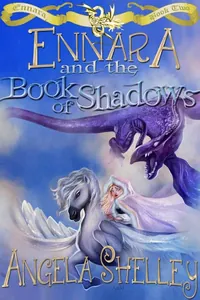
Published in 2014, Ennara and the Book of Shadows follows a thirteen-year-old necromancer's quest.
Ennara and the Book of Shadows tells the story of thirteen-year-old Ennara, a young necromancer facing a series of unexplained disasters. These events are linked to stolen mystical artifacts that actively cause trouble, forcing Ennara to deal with their harmful effects. Her path is one of hesitant heroism, where learning powerful magic is necessary for her survival and to prevent a major prophecy.
This book is for young adult readers who like fantasy stories with well-developed magic systems and a main character making difficult moral decisions. Readers who enjoy tales of witchcraft, necromancy, and prophecies will find familiar elements here. The narrative combines adventure with the study of arcane arts, focusing on a young heroine's development under pressure. It will appeal to those who like a mystery mixed with supernatural events and a significant threat.
The narrative centers on necromancy and the consequences of wielding forbidden magic. It examines the burden of power and the choices one makes when faced with immense responsibility. The story also touches on themes of fate versus free will as Ennara grapples with a foretold prophecy.
Published in 2014, the book taps into a wider cultural interest in witchcraft and occultism that has been present since the mid-20th century. While not directly tied to a specific historical esoteric movement, it reflects a long tradition of stories where young protagonists discover hidden magical abilities and confront dark forces. This narrative echoes themes found in earlier works that explored the occult and supernatural through the eyes of younger characters.
💡 Why Read This Book?
• Understand the mechanics of necromancy as depicted in YA fiction, learning how Ennara's specific abilities are portrayed as both a gift and a burden. • Explore the narrative function of magical artifacts, examining how stolen relics like those in the book can drive plot and create conflict. • Contemplate the nature of prophecy and destiny, considering how the foretold events in the story challenge Ennara's agency and choices.
⭐ Reader Reviews
Honest opinions from readers who have explored this book.
❓ Frequently Asked Questions
What is the primary magical ability of the protagonist, Ennara?
Ennara is a thirteen-year-old necromancer, possessing the ability to commune with or manipulate the dead, a power central to her character and the plot's unfolding events.
When was Ennara and the Book of Shadows first published?
The book was first published on October 31, 2014, by Angela Shelley and Angela Myron.
What drives the conflict in Ennara and the Book of Shadows?
The central conflict arises from strange accidents caused by mysterious stolen artifacts, which Ennara must recover while confronting a terrible prophecy.
What is the significance of the 'Book of Shadows' in the story?
While not explicitly detailed in the blurb, the title suggests the 'Book of Shadows' likely contains powerful spells or knowledge crucial to Ennara's quest and understanding of higher magic.
What kind of magic does Ennara eventually need to master?
Ennara must learn the 'highest form of magic' to prevent a terrible prophecy from coming to fruition, indicating a progression beyond her initial necromantic skills.
Who are the authors of Ennara and the Book of Shadows?
The book is authored by Angela Shelley and Angela Myron, with its initial publication date in 2014.
🔮 Key Themes & Symbolism
Necromancy and Power
The narrative explores necromancy not merely as a dark art but as a hereditary power that Ennara must learn to control. Her journey involves understanding the ethical implications of wielding such abilities, especially as she grapples with the potential for misuse by antagonists. The book contrasts Ennara's developing control with the destructive potential of the stolen artifacts, highlighting the responsibility inherent in magical strength.
Prophecy and Free Will
A central theme is the looming prophecy that threatens Ennara's world. The story questions the inevitability of fate versus the power of individual choice. Ennara's struggle is not just against external forces but also against the predetermined path laid out by the prophecy, forcing her to question whether destiny can be altered through sheer will and mastery of magic.
The Nature of Higher Magic
Ennara's quest necessitates her learning the 'highest form of magic.' This concept suggests a progression beyond conventional spellcasting, hinting at deeper, perhaps more spiritual or fundamental, principles of arcane power. The book invites readers to consider what constitutes 'higher' magic and the sacrifices or understanding required to attain it.
Friendship and Loyalty
Ennara does not face her challenges alone; her friends are integral to her quest. The theme of loyalty is tested as they navigate dangerous situations together. Their support system provides Ennara with emotional grounding and practical assistance, illustrating how camaraderie can be a crucial element in confronting overwhelming magical threats.
💬 Memorable Quotes
Direct passages from the work, attributed to the author.
“...while learning the highest form of magic...”
— This indicates a narrative arc focused on magical progression, suggesting a hierarchy of power and a significant learning curve for the protagonist beyond basic abilities.
“...the spells that could prevent the fruition of a terrible prophecy.”
— This highlights the stakes of Ennara's journey, linking her magical development directly to averting a catastrophic, predetermined future event.
“When strange accidents start happening around thirteen year-old necromancer Ennara and her friends...”
— This sets the scene, introducing the protagonist, her age, her magical specialization (necromancy), and the initial unsettling events that disrupt her life.
“Angela Shelley, Angela Myron (first published 2014-10-31)”
— This identifies the authors and the specific publication date, anchoring the work in a particular point in time within the literary landscape.
💡 Key Ideas
Editorial paraphrase of the work's core concepts — not direct quotes.
She must search for the mysterious stolen artifacts causing the attacks...
This line establishes the core conflict: external objects imbued with destructive power are the immediate source of danger, necessitating a physical quest to recover them.
🌙 Esoteric Significance
Tradition
This work does not explicitly align with a single, established esoteric tradition like Hermeticism or Kabbalah. Instead, it draws on a broader, popular conception of witchcraft and arcane arts prevalent in modern fantasy. Its approach to magic, particularly necromancy and 'higher forms,' is narrative-driven rather than adhering strictly to historical grimoire practices, serving the demands of a young adult fiction plot.
Symbolism
The 'stolen artifacts' function symbolically as corrupting influences or dangerous tools that disrupt the natural order. The 'terrible prophecy' represents fate or predestination, a common motif in esoteric thought, symbolizing an inescapable destiny that characters strive to alter or understand. Ennara's necromancy itself symbolizes a connection to the hidden or unseen realms, bridging the gap between the living and the dead.
Modern Relevance
While not directly cited by contemporary esoteric scholars, works like Ennara and the Book of Shadows contribute to the popular imagination's understanding of magic. They foster an interest in arcane concepts among younger readers, potentially leading them to explore more academic or traditional esoteric texts later. The narrative's engagement with prophecy and destiny echoes ongoing discussions within various spiritual and philosophical circles about free will versus fate.
👥 Who Should Read This Book
• Young adult readers seeking fantasy adventures with protagonists who wield supernatural powers, particularly witchcraft and necromancy. • Fans of stories centered around prophecies and quests to avert impending doom, who enjoy high-stakes magical conflicts. • Readers interested in character development arcs where young individuals must mature rapidly and master difficult skills under pressure.
📜 Historical Context
Ennara and the Book of Shadows, published in 2014, arrived during a vibrant period for young adult fantasy literature, a genre that had seen significant growth since the early 2000s. While not directly aligned with a specific historical esoteric movement, its themes of witchcraft, prophecy, and hidden magical systems tap into enduring cultural fascinations. The early 21st century witnessed a surge in YA fiction exploring darker, more complex magical worlds, moving beyond earlier, lighter fare. Authors like Cassandra Clare and Holly Black were popularizing intricate urban fantasy and paranormal romance, creating a receptive audience for narratives featuring young protagonists discovering supernatural abilities. Ennara and the Book of Shadows can be seen as contributing to this trend, offering a distinct take on necromancy and a looming prophecy within a contemporary YA framework. The book's publication predates some of the later trends in YA fantasy that began to more explicitly engage with diverse mythological and esoteric traditions.
📔 Journal Prompts
Ennara's necromancy: How does her ability to commune with the dead shape her perspective on life and death?
The stolen artifacts: Reflect on the power and danger inherent in objects imbued with magical energy.
The terrible prophecy: Consider the tension between predetermined fate and the potential for free will.
Mastering the highest form of magic: What might constitute 'higher' magic beyond conventional spellcasting?
Ennara's friendships: Analyze the role of loyalty and support in confronting supernatural threats.
🗂️ Glossary
Necromancer
An individual who practices necromancy, a form of magic involving communication with or manipulation of the dead. In this context, it's a primary magical ability.
Prophecy
A prediction of future events, often seen as divinely inspired or inevitable. The story revolves around averting a specific, terrible prophecy.
Magical Artifacts
Objects imbued with supernatural power. In the book, these stolen items are actively causing dangerous incidents, driving the plot.
Highest Form of Magic
A concept in the book referring to advanced, potent spellcasting or arcane knowledge that Ennara must learn to fulfill her destiny.
Strange Accidents
Unexplained, often harmful events that serve as the initial catalyst for Ennara's investigation and quest.
Book of Shadows
Typically a witch's grimoire containing spells and rituals. Its specific role in the book is central to Ennara's quest for knowledge.
Thirteen Year-Old Necromancer
Describes the protagonist, Ennara, highlighting her youth and her specific magical specialization, setting the stage for a coming-of-age narrative.
This book appears in 1 collection
🔮 Readers Also Liked
Browse all →







From the “Book of Shadows” Collection
View all →



More Free Occult Philosophy Books
View all →