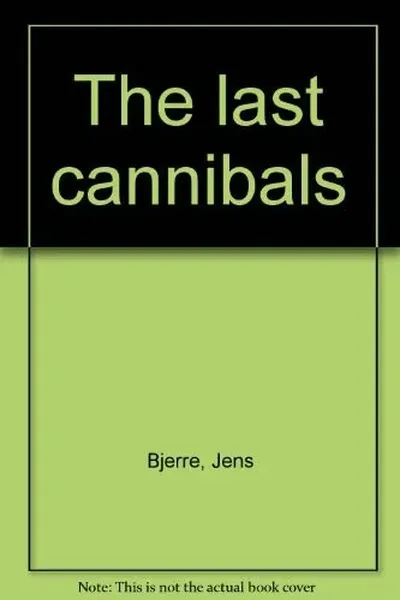
Ancient Egyptian Magic
 62
62

Ancient Egyptian Magic


Isolde Whitaker, Sacred Texts Editor, writes: Cassandra Eason's "Ancient Egyptian Magic" is a masterful exploration into the spiritual and practical dimensions of this ancient sorcery. Eason deftly navigates complex theological concepts and ritualistic intricacies, offering readers a clear yet profound understanding of Egyptian magical practices. Her ability to translate ancient texts and symbols into accessible language without sacrificing their inherent power is commendable. This work is invaluable for students of comparative religion, occult practitioners, and anyone yearning to connect with the primal energies that flowed through the land of the pharaohs. It illuminates the profound wisdom embedded within Egyptian beliefs, making it a cornerstone for understanding ancient magical systems.
📝 Description
62
Cassandra Eason examines ancient Egyptian magic, from protective amulets to funerary rites, in this 2003 book.
Cassandra Eason's "Ancient Egyptian Magic" details the magical practices of one of history's most studied civilizations. The book covers sacred rituals, spells, and the symbolism that influenced both daily life and beliefs about the afterlife for Egyptians of all classes. Eason reconstructs these lost arts, showing the connection between the divine, the natural world, and humanity. The writing aims to explain the philosophical basis of Egyptian cosmology and its lasting impact on Western esoteric thought. It is written for readers interested in uncovering the hidden aspects of Egyptian culture and its magical traditions.
This book fits within the study of Western esotericism, a field that examines hidden traditions, mystical philosophies, and magical practices that developed outside mainstream religious and intellectual currents. Egyptian magic, with its complex pantheon, elaborate funerary rituals, and cosmological systems, has long been a source of inspiration and study for esotericists. Eason's work places these practices within a historical and philosophical framework, linking them to broader Western esoteric movements that often draw upon ancient Egyptian motifs and ideas.
💡 Why Read This Book?
Uncover the secrets of divine invocation and cosmic order that fueled ancient Egyptian civilization. This book is for the dedicated student of occult history, the spiritual seeker yearning for ancient wisdom, and the practitioner looking to integrate powerful, time-tested magical techniques into their practice. Discover the enduring resonance of Egyptian magic and its profound impact on human consciousness.
⭐ Reader Reviews
Honest opinions from readers who have explored this book.
❓ Frequently Asked Questions
What is the primary focus of "Ancient Egyptian Magic"?
The book primarily focuses on the practical and theoretical aspects of magic as practiced in ancient Egypt, including spells, rituals, amulets, and the role of magic in their religion and daily life.
Is this book suitable for beginners in magic?
Yes, while rich in detail, the book is written in an accessible manner, making it suitable for beginners interested in ancient magical systems, while also offering depth for more experienced practitioners.
What kind of magical practices are covered?
It covers a wide range, from healing and protection spells to divination, invoking deities, and understanding the magical properties of amulets and hieroglyphs.
Does the book explain Egyptian cosmology?
Absolutely. A significant portion of the book delves into the Egyptian understanding of the cosmos, the divine realms, and how magic served as a bridge between these worlds.
Can I learn actual spells from this book?
The book provides insights into the principles and types of spells used, along with explanations of their purpose and intent, allowing readers to understand the framework of Egyptian magic.
🔮 Key Themes & Symbolism
The Art of Divine Invocation
This theme explores how ancient Egyptians believed they could commune with their vast pantheon of gods and goddesses. It details the rituals, prayers, and offerings used to solicit divine favor, protection, and wisdom, highlighting the integral role of magic in bridging the mortal and divine realms. Understanding these invocations offers insight into their worldview and the powerful energies they sought to harness.
Symbolism and Sacred Objects
Explore the collection of Egyptian symbolism, from the potent Ankh to the protective Eye of Horus. This theme examines how everyday objects, hieroglyphs, and sacred animals were imbued with magical significance. It reveals how amulets, talismans, and temple architecture were designed not just for aesthetic or practical purposes, but as conduits for channeling specific energies and ensuring spiritual well-being in both life and the afterlife.
Magic in Daily Life and the Afterlife
Explore the pervasive influence of magic on all facets of ancient Egyptian existence. This theme illuminates how magic was employed for mundane tasks such as healing illnesses, ensuring fertility, and protecting against harm, as well as its an important role in reading through the perilous journey to the afterlife. It uncovers the spells and rituals designed to guarantee a successful transition and eternal bliss, demonstrating magic's fundamental importance to their societal structure and spiritual beliefs.
💬 Memorable Quotes
Direct passages from the work, attributed to the author.
“Magic was not separate from religion; it was its very engine.”
— This highlights the inseparable nature of magic and religion in ancient Egypt, suggesting magic was the active force that animated their spiritual practices and beliefs.
“The hieroglyphs whispered secrets of cosmic order.”
— This evokes the idea that the ancient Egyptian writing system was more than mere communication; it was believed to hold profound, hidden knowledge about the universe's fundamental structure.
“To know the name was to command the essence.”
— This speaks to the ancient belief in the power of nomenclature, where possessing the true name of a deity or entity granted a form of control or influence over it.
“The Nile flowed with divine energy, a source of all magic.”
— This emphasizes the sacred connection between the life-giving river and the magical forces of the land, positioning it as a primary wellspring of spiritual power.
“Protection was woven into the fabric of existence, through spell and amulet.”
— This illustrates the constant, proactive approach to safeguarding oneself and one's community, integrating magical practices directly into the daily and spiritual lives of the Egyptians.
🌙 Esoteric Significance
Tradition
Ancient Egyptian magic is a foundational pillar of many Western esoteric traditions, including Hermeticism, ceremonial magic, and certain branches of Neopaganism. Its emphasis on divine cosmology, symbolic language, and the interconnectedness of all things provides a rich conceptual bedrock for understanding spiritual forces and their manipulation. The concept of Ma'at, representing cosmic order and justice, is central, influencing magical ethics.
Symbolism
Key symbols like the Ankh (life), the Eye of Horus (protection and healing), the Scarab (rebirth), and the Udjat are deeply imbued with magical meaning. Hieroglyphs themselves are seen as potent symbols capable of manifesting reality. The book explores how these symbols were not merely decorative but active agents in ritual and spellcraft, representing divine principles and channeling specific energies for desired outcomes.
Modern Relevance
The enduring appeal of Egyptian magic lies in its profound exploration of life, death, and the cosmos. Its principles of energetic correspondence, symbolic power, and the pursuit of spiritual enlightenment resonate deeply with modern seekers. Understanding these ancient practices offers a unique perspective on human consciousness, ritual efficacy, and the timeless quest for harmony with the universe, providing valuable insights for contemporary spiritual and magical practitioners.
👥 Who Should Read This Book
This book is a treasure for the curious mind, the dedicated scholar, and the earnest practitioner. Beginners will find a clear and compelling introduction to a profound magical system. Scholars of religion, history, and mythology will appreciate the meticulous research and contextualization. Spiritual seekers will discover ancient wisdom for personal growth and connection to the divine. Practitioners of witchcraft, ceremonial magic, or any path seeking to understand foundational esoteric principles will find invaluable insights into the origins of many magical concepts and techniques.
📜 Historical Context
Written during the New Kingdom and spanning millennia, ancient Egyptian magic flourished within a complex socio-religious framework. The era was characterized by powerful pharaohs, monumental architecture, and a deeply ingrained belief in the divine order of the cosmos. Magic was not a fringe practice but an integral part of society, employed by priests, physicians, and even royalty for everything from healing and protection to ensuring the pharaoh's divine favor and a successful afterlife. This period saw the codification of many magical texts and rituals, often inscribed on papyri, tomb walls, and amulets, reflecting a sophisticated understanding of symbolic language and energetic manipulation. The influence of these practices extended far beyond Egypt, shaping esoteric traditions in the Hellenistic world and contributing to the foundational elements of Western occultism.
📔 Journal Prompts
Reflect on a symbol from ancient Egypt that speaks to you. What personal meaning does it hold?
How might the ancient Egyptian concept of Ma'at inform your understanding of balance and justice in your own life?
Consider the power of names in ancient Egyptian magic. What names of power do you hold in your personal life?
Imagine you are a scribe in ancient Egypt. What kind of spell or ritual would you be tasked with recording and why?
How does the ancient Egyptian view of the afterlife compare to or contrast with your own spiritual beliefs regarding death and beyond?
🗂️ Glossary
Ankh
A hieroglyphic symbol representing life. It was often depicted as a cross with a loop at the top and was widely used in amulets and religious imagery, symbolizing eternal life and divine power.
Ma'at
The ancient Egyptian concept of cosmic order, truth, justice, and harmony. It represented the fundamental balance of the universe, and its maintenance was a central concern for pharaohs and priests, influencing all aspects of life and magic.
Heka
The ancient Egyptian word for magic, often personified as a deity. It encompassed all forms of supernatural power, ritual, and spellcraft used to influence the world and the gods.
Amulet
A small object worn or carried for protection against evil or to bring good luck. In ancient Egypt, amulets were often inscribed with symbols or spells and were vital for both the living and the deceased.
Hieroglyphs
The formal writing system used in ancient Egypt, combining logographic, syllabic, and alphabetic elements. They were considered sacred and believed to possess inherent magical power.
This book appears in 2 collections
🔮 Readers Also Liked
Browse all →




More by Cassandra Eason
All books →




From the “Ritual Magic” Collection
View all →



More Free Magic & Ritual Books
View all →