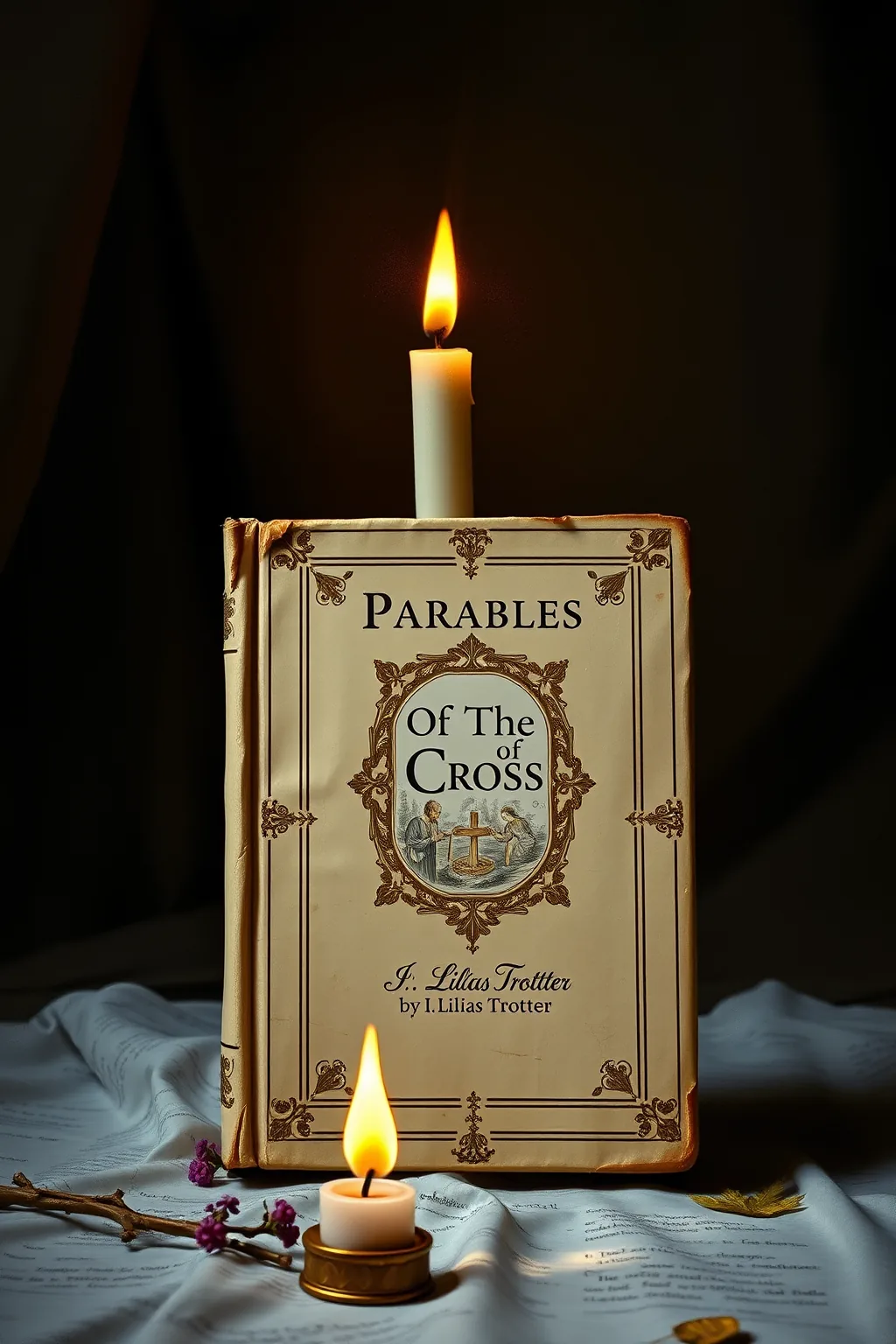
Parables Of The Cross
 72
72

Parables Of The Cross



Parables of the Cross by I. Lilias Trotter is a timeless masterpiece that continues to resonate with modern esoteric seekers. Trotter's ability to blend artistic vision with spiritual depth creates a rich tapestry of mystical insights. The book's parables are not merely stories but invitations to a deeper contemplative practice. For contemporary readers, the value of this text lies in its enduring relevance. In an age where spirituality is often reduced to superficial practices, Trotter's work offers a profound alternative. It encourages readers to engage with the esoteric symbols and contemplative practices that have been a part of Christian spirituality for centuries. The book's exploration of the transformative power of faith is particularly poignant, reminding us of the potential for spiritual growth and enlightenment.
📝 Description
72
I. Lilias Trotter published 'Parables Of The Cross' to share spiritual insights drawn from Algerian flora.
Published by I. Lilias Trotter, a missionary in Algeria, 'Parables Of The Cross' uses common flowers as a lens for spiritual reflection. Trotter's own illustrations accompany her text, which examines the cross not as an end but as a passage to life. The book connects the natural world of the Algerian countryside to deeper theological concepts. It asks readers to consider the paradox of suffering leading to vitality and the symbolic role of sacrifice in spiritual growth.
Trotter's approach invites quiet contemplation, focusing on divine revelation through ordinary observation. It is a work that encourages a personal engagement with Christian mysticism. The text emphasizes the transformative potential of trials, linking them to cycles of death and renewal found in nature. This perspective offers a way to understand spiritual challenges as integral to personal and divine unfolding.
This work fits within traditions that find spiritual meaning in the natural world and see symbolic depth in suffering. It aligns with Christian mystical thought that interprets the crucifixion and resurrection as a universal pattern of death and rebirth. The book draws parallels between the cycles of growth and decay in flora and the soul's journey toward spiritual renewal. It suggests that esoteric knowledge is accessible through contemplative observation of creation, revealing divine truths in everyday phenomena.
✍️ Author
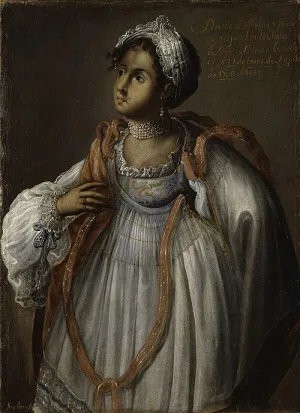
I. Lilias Trotter
Mulatto (UK: mew-LAT-oh, mə-, US: mə-LAH-toh, mew-) is a racial classification that refers to people of mixed African and European ancestry. When speaking or writing about a singular woman in English, the word is mulatta (Spanish: mulata).
💡 Why Read This Book?
Reading Parables of the Cross today offers a unique opportunity to delve into the esoteric dimensions of Christianity. This book provides insights into contemplative practices that can deepen one's spiritual journey. It encourages readers to engage with the mystical aspects of their faith, fostering a closer relationship with the divine. For those seeking a more profound understanding of Christian spirituality, this book is an invaluable resource.
⭐ Reader Reviews
Honest opinions from readers who have explored this book.
❓ Frequently Asked Questions
Who is the author of Parables of the Cross?
The author of Parables of the Cross is I. Lilias Trotter, a renowned artist and missionary known for her deep spiritual insights.
What are the key themes in Parables of the Cross?
The key themes include the transformative power of faith, the importance of contemplative practices, and the esoteric symbols in Christian spirituality.
Why is Parables of the Cross relevant today?
Parables of the Cross is relevant today because it offers a deep exploration of Christian mysticism, providing insights into contemplative practices that can enrich one's spiritual journey.
🔮 Key Themes & Symbolism
The Paradox of the Cross
Trotter studies the paradoxical nature of the cross as a symbol of both life and death. She explores how the cross represents the path to spiritual rebirth, a theme that speaks to mystical traditions emphasizing the transformative power of spiritual trials.
Nature and Spirituality
The book uses natural imagery, particularly the common flowers of the Algerian countryside, to illustrate spiritual truths. This theme underscores the interconnectedness of nature and spirituality, a central tenet in many esoteric traditions.
Contemplative Journey
Trotter's contemplative style invites readers on a journey of introspection and divine revelation. This theme is ideal for seekers of esoteric wisdom, offering a quiet atmosphere of spiritual enlightenment and deeper understanding.
💬 Memorable Quotes
Direct passages from the work, attributed to the author.
“In the simple flowers of the Algerian countryside, we find profound spiritual truths.”
— Trotter's use of natural imagery to illustrate spiritual insights is both poetic and profound.
“The cross represents the sacrifice necessary for spiritual rebirth.”
— This theme speaks to mystical traditions emphasizing the transformative power of spiritual trials.
💡 Key Ideas
Editorial paraphrase of the work's core concepts — not direct quotes.
The cross is the gateway to life, a paradoxical symbol of both sacrifice and rebirth.
This quote underscores the central theme of the book, exploring the transformative power of spiritual trials.
The path of the cross is a journey of introspection and divine revelation.
This quote highlights the contemplative nature of the book, inviting readers to ponder the deeper meanings of life and death.
Nature and spirituality are interconnected, offering useful insights into the mysteries of life.
This quote underscores the central tenet of the book, exploring the intersection of nature and spirituality.
🌙 Esoteric Significance
Tradition
This book belongs to the Christian mystical tradition, with strong influences from Hermetic and Gnostic thought. It explores the symbolism of the cross as a gateway to spiritual rebirth, a theme that speaks to many esoteric traditions emphasizing the transformative power of spiritual trials.
Symbolism
Key symbols in the book include the cross, representing both sacrifice and rebirth, and the natural imagery of the Algerian countryside, illustrating spiritual truths. These symbols underscore the interconnectedness of nature and spirituality, a central tenet in many esoteric traditions.
Modern Relevance
This book remains relevant today for modern practitioners of esoteric traditions who seek a deeper understanding of Christian mysticism and the symbolism of the cross. Its insights into the transformative power of spiritual trials continue to resonate with seekers of hidden knowledge and spiritual enlightenment.
👥 Who Should Read This Book
Beginners interested in Christian mysticism will find this book an accessible introduction to the deeper meanings of spiritual symbolism. Scholars of esoteric traditions will appreciate the book's exploration of the cross as a paradoxical symbol of life and death. Spiritual seekers will be drawn to the contemplative journey and the quiet atmosphere of divine revelation. Practitioners of mystical traditions will find valuable insights into the interconnectedness of nature and spirituality.
📜 Historical Context
Written by a missionary to Algeria, 'Parables Of The Cross' reflects the spiritual and intellectual climate of the late 19th and early 20th centuries. During this era, there was a growing interest in mysticism and esoteric traditions, as well as a renewed focus on the natural world. Trotter's book, with its blend of natural imagery and spiritual insight, resonated with these themes and contributed to the broader mystical movement. Its influence can be seen in the works of later mystics and esoteric scholars, who drew on its insights into the symbolism of the cross and the transformative power of spiritual trials.
📔 Journal Prompts
Reflect on the paradoxical nature of the cross as a symbol of both life and death. How does this resonate with your spiritual journey?
Consider the use of natural imagery in the book. How do the common flowers of the Algerian countryside illustrate spiritual truths?
Explore the transformative power of spiritual trials in your own life. How have these trials led to spiritual rebirth?
Study the contemplative style of the book. How does it invite you on a journey of introspection and divine revelation?
Reflect on the interconnectedness of nature and spirituality. How does this central tenet of the book resonate with your spiritual beliefs?
🗂️ Glossary
Paradox of the Cross
The concept that the cross represents both sacrifice and rebirth, a central theme in Christian mysticism.
Natural Imagery
The use of natural elements, such as flowers, to illustrate spiritual truths and insights.
Contemplative Journey
A spiritual journey characterized by introspection and divine revelation, inviting readers to ponder deeper meanings.
Spiritual Trials
Challenges and hardships that lead to spiritual growth and transformation, a key theme in esoteric traditions.
Interconnectedness of Nature and Spirituality
The belief that nature and spirituality are deeply connected, offering useful insights into the mysteries of life.
This book appears in 1 collection
🔮 Readers Also Liked
Browse all →



From the “Christian Mysticism” Collection
View all →






More Free Mysticism & Contemplation Books
View all →