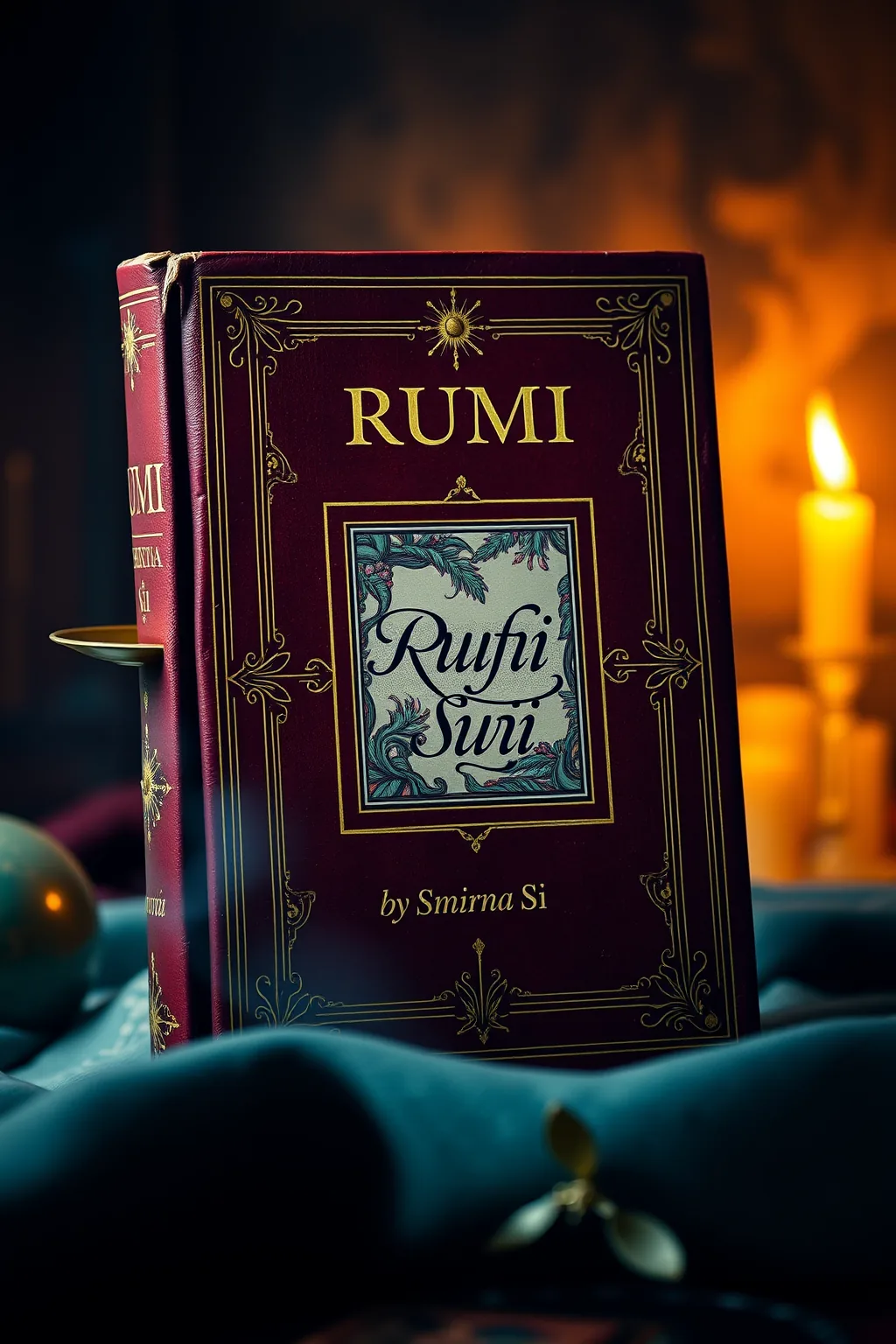
Rumi - the Persian, the Sufi
 82
82

Rumi - the Persian, the Sufi



Smirna Si's 'Rumi - the Persian, the Sufi' is a beautifully crafted exploration of Rumi's esoteric teachings, making it an invaluable resource for modern seekers of spiritual enlightenment. The book not only provides a comprehensive overview of Rumi's life and philosophical contributions but also offers a deep dive into the mystical and contemplative practices of Sufism. Si's writing is both accessible and profound, making complex spiritual concepts understandable to a wide audience. The contextual introduction by A. Reza Arasteh adds an additional layer of depth, situating Rumi's teachings within the broader historical and cultural context of Sufism. This book is a must-read for anyone interested in the intersection of mysticism and contemporary spirituality. It offers timeless wisdom that can guide readers on their own spiritual journeys, providing a sense of connection to the divine and a deeper understanding of the human experience.
📝 Description
82
Smirna Si's 'Rumi - the Persian, the Sufi' examines the mystical dimensions of Rumi's poetry.
This work by Smirna Si focuses on the contemplative aspects of Jalal al-Din Rumi's poetry. Si looks into the spiritual depth of Sufism, suggesting that Rumi's verses act as a bridge between the everyday world and the divine. The book aims to uncover veiled meanings and complex symbolism within his work. Si's writing style attempts to evoke the atmosphere of historical Persia. It encourages readers, whether they are seekers of spiritual knowledge or academic scholars, to consider the deeper philosophical implications of Rumi's messages. The book is presented as a resource for understanding the esoteric foundations of Sufism, offering numerous insights and points for reflection. It seeks to connect with readers on a personal, spiritual level through its examination of Rumi's legacy.
This book situates Rumi's poetry within the esoteric tradition of Sufism, a mystical branch of Islam. It focuses on concepts like divine union, the purification of the soul, and the hidden meanings within scripture and poetry. The esoteric dimension emphasizes direct, experiential knowledge of God over purely intellectual or ritualistic observance. Si's work highlights how Rumi's verses, particularly from the Mathnawi, served as a vehicle for transmitting these mystical teachings to disciples and a wider audience, often through allegory and parable. It explores the practice of *dhikr* (remembrance of God) and the journey of the seeker towards spiritual realization.
💡 Why Read This Book?
In today's fast-paced world, finding moments of contemplation and spiritual connection is more important than ever. 'Rumi - the Persian, the Sufi' by Smirna Si offers a sanctuary of wisdom and insight, drawing from the timeless teachings of Rumi. By reading this book, you will gain a deeper understanding of Sufi mysticism and its relevance to modern life. You will learn how to incorporate contemplative practices into your daily routine, fostering a sense of inner peace and spiritual fulfillment. This book is a beacon of light for those seeking to navigate the complexities of the human experience with greater clarity and purpose.
⭐ Reader Reviews
Honest opinions from readers who have explored this book.
❓ Frequently Asked Questions
What makes 'Rumi - the Persian, the Sufi' unique?
'Rumi - the Persian, the Sufi' stands out for its ability to make Rumi's esoteric teachings accessible to a modern audience, bridging ancient wisdom with contemporary spiritual practice.
Who should read this book?
This book is ideal for anyone interested in mysticism, Sufi thought, and spiritual contemplation, whether they are seasoned esoteric seekers or newcomers to the field.
How does this book contribute to contemporary spirituality?
The book provides timeless wisdom that can guide readers on their spiritual journeys, offering a sense of connection to the divine and a deeper understanding of the human experience.
🔮 Key Themes & Symbolism
The Mystical Journey
This book explores the mystical journey of Sufism, exploring the inner dimensions of the soul and the path to divine union. Through Rumi's poetry and teachings, readers are invited to contemplate the hidden knowledge and symbolism that guide the spiritual seeker on this journey.
Symbolism in Sufism
Symbolism plays a central role in Sufi thought, and this book unpacks the wide range of symbols that permeate Rumi's teachings. From the dance of the whirling dervishes to the metaphor of the lover and the beloved, these symbols offer clear insights into the mystical experience.
Philosophical Significance
The philosophical significance of Rumi's teachings is explored in depth, providing readers with a deeper understanding of the metaphysical underpinnings of Sufism. This book invites contemplation on the nature of reality, the self, and the divine, offering a fresh perspective on these timeless questions.
💬 Memorable Quotes
Direct passages from the work, attributed to the author.
“What you seek is seeking you.”
— A profound reminder that the divine is always searching for us, and our quest for spirituality is a response to this call.
“The heart is a thousand-stringed instrument that can only be played by the hand of Love.”
— A beautiful metaphor for the soul's capacity to resonate with divine love, inviting readers to open their hearts to this experience.
💡 Key Ideas
Editorial paraphrase of the work's core concepts — not direct quotes.
The wound is the place where the Light enters you.
This quote highlights the Sufi belief in the transformative power of suffering and the divine light that can enter through our wounds.
Start a huge, foolish project, like Noah...it makes absolutely no difference what people think of you.
This quote encourages boldness and faith in one's spiritual journey, regardless of external opinions.
You are not a drop in the ocean. You are the entire ocean in a drop.
This quote emphasizes the Sufi belief in the unity of all things and the divine spark within each individual.
🌙 Esoteric Significance
Tradition
This book belongs to the Sufi tradition, which is deeply rooted in Islamic mysticism. It explores the esoteric teachings of Sufism, focusing on the inner journey of the soul and the quest for divine union. The Hermetic principles of unity and transformation are also present, making it a valuable resource for those interested in Hermetic studies.
Symbolism
Key symbols in this book include the dance of the whirling dervishes, representing the cosmic dance of creation, and the metaphor of the lover and the beloved, symbolizing the soul's longing for divine union. These symbols offer clear insights into the mystical experience and the esoteric dimensions of Sufism.
Modern Relevance
Today, this book remains relevant for modern practitioners of Sufism and those interested in mystical and contemplative practices. It offers timeless wisdom that can guide seekers on their spiritual journey, providing a deep understanding of the esoteric traditions that have shaped Sufism. Modern practitioners can use this book as a tool for self-discovery and spiritual growth.
👥 Who Should Read This Book
Beginners will find this book accessible and enriching, offering a gentle introduction to the mystical dimensions of Sufism. Scholars of Sufism will appreciate the clear insights and esoteric teachings that Smirna Si presents. Spiritual seekers will be inspired by the profound symbolism and philosophical significance of Rumi's teachings, while practitioners will find valuable guidance for their spiritual journey. Whether you are new to Sufism or a seasoned student, this book will deepen your understanding and enrich your spiritual practice.
📜 Historical Context
Written in an era where Sufism was flourishing, 'Rumi - the Persian, the Sufi' captures the essence of this mystical tradition during its golden age. The book was important for its ability to distill the complex teachings of Rumi into accessible and clear insights. Its influence has been felt across generations, inspiring countless seekers and scholars to delve deeper into the mystical dimensions of Sufism. The historical context of the book provides a rich backdrop for understanding the timeless wisdom it contains.
📔 Journal Prompts
How do Rumi's teachings on the mystical journey resonate with your own spiritual experiences?
What symbols from Sufism have you encountered in your own life, and what insights do they offer?
Reflect on the philosophical significance of Rumi's teachings and how they challenge or affirm your beliefs.
How does the concept of the lover and the beloved apply to your own quest for divine union?
In what ways can the transformative power of suffering be a source of spiritual growth in your life?
🗂️ Glossary
Sufism
The mystical branch of Islam that emphasizes the inner journey of the soul and the quest for divine union.
Dervish
A Sufi mystic who engages in spiritual practices, including the whirling dance, to achieve a state of ecstasy and union with the divine.
Wahdat al-Wujud
The Sufi doctrine of the unity of being, which posits that all things are manifestations of the divine essence.
Zikr
The remembrance of God through chanting, meditation, or other spiritual practices, aiming to achieve a state of divine presence.
Hal
A state of spiritual ecstasy or divine presence experienced by Sufi mystics during their spiritual practices.
This book appears in 2 collections
🔮 Readers Also Liked
Browse all →





More by Smirna Si
All books →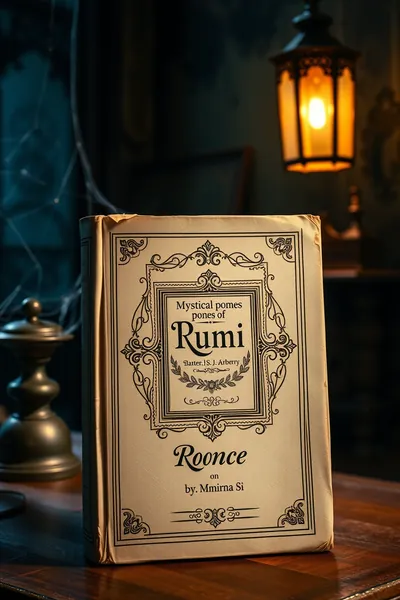

From the “Christian Mysticism” Collection
View all →






More Free Mysticism & Contemplation Books
View all →