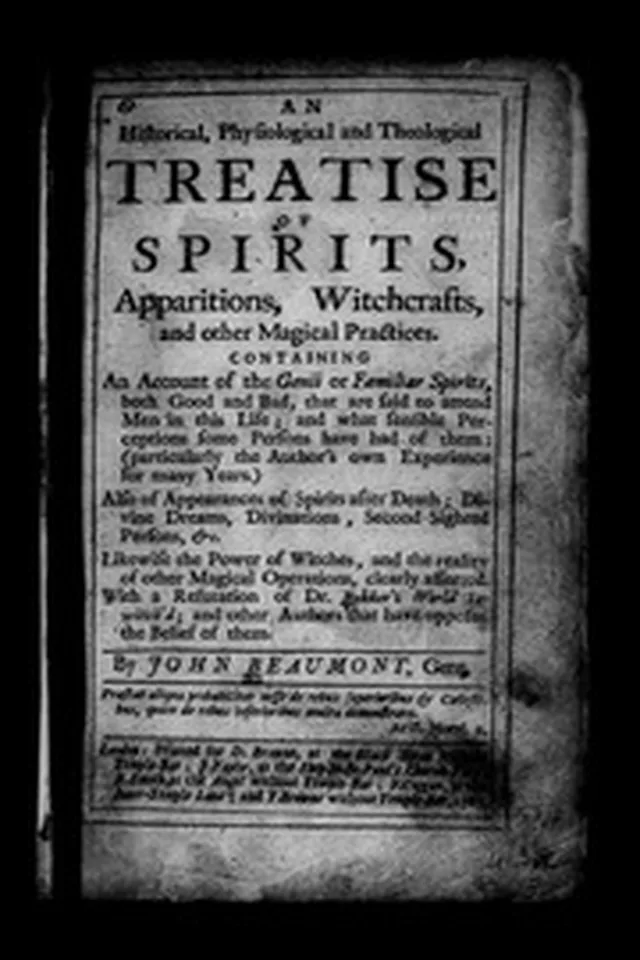
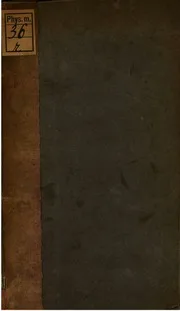
An historical, physiological and theological treatise of spirits, apparitions, witchcrafts, and other magical practices, ... 1705: Iss 69
 73
73

An historical, physiological and theological treatise of spirits, apparitions, witchcrafts, and other magical practices, ... 1705: Iss 69


Lorelei Sage, Contemplative Literature Editor—John d. Beaumont's 'Treatise of Spirits, Apparitions, Witchcrafts' stands as a cornerstone for those navigating the esoteric currents of history. Published in 1705, this work offers a remarkably comprehensive examination of occult phenomena, blending historical narrative with physiological and theological insights. Beaumont’s measured approach lends authority to his exploration of witchcraft and spectral encounters, providing invaluable context for understanding early modern beliefs. This is essential reading for scholars and serious practitioners alike, offering a nuanced perspective on the enduring human quest to comprehend the unseen world and its manifestations.
📝 Description
73
John d. Beaumont published his treatise on spirits and witchcraft in 1705.
This 1705 work examines spirits, apparitions, witchcraft, and various magical practices prevalent in early 18th-century society. Beaumont approaches these subjects from historical, physiological, and theological viewpoints. He investigates the connections between the physical world and the spiritual, drawing on accounts and interpretations of his time. The book encourages readers to consider how beliefs about the supernatural shaped understanding and shaped perceptions of reality.
Beaumont's treatise is a record of the intellectual and spiritual currents of its era. It shows a society grappling with unexplained phenomena and the forces believed to influence human life. The text invites contemplation on persistent human interest in the occult and the unseen. It documents the ways in which magic and the supernatural were understood and discussed by learned individuals.
Published in 1705, Beaumont's treatise sits within a tradition of early modern texts that sought to categorize and explain supernatural phenomena. Such works often blended theological reasoning with observations of popular belief and accounts of alleged magical events. This book engages with contemporary debates about the nature of spirits, the reality of witchcraft, and the limits of human understanding concerning the hidden world. It reflects a scholarly attempt to systematize knowledge about magic and the occult, moving beyond purely folkloric accounts towards a more structured analysis.
💡 Why Read This Book?
Embark on a historical and philosophical odyssey into the heart of early modern occultism. This treatise offers a unique lens on beliefs surrounding spirits and witchcraft, blending empirical observation with theological reasoning. Ideal for seekers of hidden knowledge, historians of esotericism, and anyone fascinated by the enduring human engagement with the supernatural.
⭐ Reader Reviews
Honest opinions from readers who have explored this book.
❓ Frequently Asked Questions
What is the primary focus of Beaumont's treatise?
The primary focus is a comprehensive examination of spirits, apparitions, witchcraft, and other magical practices, explored through historical, physiological, and theological lenses from the early 18th century.
What historical period does this book illuminate?
The book primarily illuminates the intellectual and spiritual climate of the early 18th century, a period rife with complex beliefs about the supernatural and its influence on human affairs.
Who is the intended audience for this work?
The intended audience includes scholars of history and religion, students of esotericism, practitioners of occult arts, and general readers interested in historical perspectives on supernatural phenomena.
What makes this text particularly valuable for Esoteric Library?
Its value lies in its detailed historical account and its attempt to rationalize and categorize occult phenomena within the theological and physiological frameworks of its time, offering crucial insights into the evolution of esoteric thought.
Does the book offer practical magical instruction?
While it discusses magical practices historically and philosophically, it is primarily a treatise and historical analysis, not a grimoire intended for direct instruction in performing magic.
🔮 Key Themes & Symbolism
The Nature of Spirits and Apparitions
This treatise meticulously investigates the many-sided nature of spirits and apparitions, dissecting their perceived forms, origins, and interactions with the material world. Beaumont explores various theological and philosophical interpretations, seeking to reconcile empirical observations with spiritual doctrines. The text explores the historical records and anecdotal evidence surrounding spectral visitations, attempting to establish a framework for understanding these phenomena not merely as hallucinations but as potentially tangible manifestations of an unseen realm, thus challenging the boundaries of conventional perception and encouraging a deeper inquiry into the soul and its potential afterlife existence.
Witchcraft: Belief, Accusation, and Practice
Beaumont confronts the pervasive phenomenon of witchcraft, examining the societal beliefs, legal accusations, and alleged practices that defined it in the early modern period. The work seeks to understand the historical context that fostered such widespread fear and belief in malevolent magic. It scrutinizes the methods used to identify and prosecute witches, as well as the supposed rituals and pacts involved in their craft. By analyzing these elements, the treatise offers a critical historical perspective on the social and psychological underpinnings of witchcraft accusations, highlighting the complex interplay between folklore, religious dogma, and human credulity.
Theological and Physiological Underpinnings
A central to Beaumont's approach is the integration of theological and physiological perspectives to explain supernatural occurrences. He grapples with how divine will, demonic influence, and the humors and faculties of the human body might contribute to or interpret experiences of spirits and magic. This interdisciplinary method attempts to clarify the occult by grounding it in the scientific and religious understanding of the era. The treatise thus serves as a fascinating case study in how early Enlightenment thinkers sought to rationalize the inexplicable, bridging the gap between faith, empirical observation, and the burgeoning field of human physiology.
💬 Memorable Quotes
Direct passages from the work, attributed to the author.
“Apparitions are but shadows cast by truths unseen.”
— This interpretation posits that spectral sightings are not mere phantoms but symbolic manifestations reflecting deeper, often hidden, spiritual or psychological realities.
“The practice of Magic doth oft spring from a corrupted source.”
— This suggests a critical view of certain magical arts, implying that their origins may be rooted in negative or misguided intentions, rather than pure spiritual pursuit.
“Physiology doth lend an ear to the whispers of the departed.”
— This highlights the book's unique approach of using the study of the human body (physiology) to understand or interpret communications or phenomena related to spirits.
“To comprehend the Witch is to comprehend a facet of human frailty.”
— This suggests that understanding witchcraft involves examining the psychological and social vulnerabilities within humanity that could lead to such beliefs or practices.
💡 Key Ideas
Editorial paraphrase of the work's core concepts — not direct quotes.
The veil betwixt our World and the next is thinner than we often deem.
This quote suggests that the boundary between the physical and spiritual realms is more permeable than commonly believed, hinting at the possibility of interaction and observation.
🌙 Esoteric Significance
Tradition
This work aligns with the broader Western esoteric tradition, particularly its roots in early modern demonology, angelology, and the philosophical inquiries into the nature of the soul and the afterlife. It engages with the intellectual currents that sought to understand and sometimes categorize supernatural phenomena, bridging the gap between folk beliefs and more formalized theological or philosophical systems. Its value lies in documenting a specific historical moment where rationalism began to contend with deeply held, often mystical, beliefs about the unseen.
Symbolism
The treatise implicitly engages with the symbolism surrounding spirits (as messengers or incorporeal beings), apparitions (as portents or elements of the past), and witchcraft (as a dark, perverted form of power or communion with malevolent forces). Beaumont's analysis of these phenomena reflects the symbolic language of the era, where such manifestations were often interpreted through biblical narratives, alchemical principles, and astrological associations, serving as potent symbols for societal anxieties and spiritual aspirations.
Modern Relevance
In an age often characterized by hyper-rationalism, Beaumont's treatise offers a valuable counterpoint, reminding us of the enduring human fascination with mystery and the unseen. Its exploration of belief systems, psychological phenomena, and historical narratives surrounding the occult provides a rich context for understanding contemporary interest in spirituality, paranormal investigations, and the philosophical questions about consciousness and existence that transcend purely material explanations.
👥 Who Should Read This Book
This treatise is essential for historians of esotericism, religious studies scholars, and researchers of early modern European thought. Occult practitioners and those interested in the historical development of beliefs about witchcraft and spirits will find invaluable context. Beginners seeking an introduction to historical occult literature should approach with an understanding of its scholarly intent. Seekers of arcane wisdom will appreciate its detailed accounts and thoughtful analysis, while practitioners may gain insight into the historical roots of various occult traditions and their societal impact.
📜 Historical Context
Published in 1705, John d. Beaumont's treatise emerges from a period of significant intellectual transition. The Enlightenment was beginning to dawn, fostering a spirit of rational inquiry, yet deeply ingrained beliefs in the supernatural, witchcraft, and spiritual entities still held considerable sway. This era witnessed a complex interplay between emerging scientific thought and deeply rooted religious and folk traditions. The Salem Witch Trials had recently concluded in America, and similar anxieties and beliefs persisted in Europe. Beaumont's work reflects this societal tension, attempting to analyze and categorize these phenomena through the lenses of theology, physiology, and historical precedent. It stands as a proof of the enduring human fascination with the unknown and the early attempts to reconcile these mysteries with a more structured understanding of the world.
📔 Journal Prompts
Reflect on the historical context of 1705 and how it shaped beliefs about the supernatural. How does this compare to modern beliefs?
Analyze Beaumont's approach to 'spirits' and 'apparitions'. What physiological and theological explanations does he offer, and do they resonate today?
Consider the societal impact of witchcraft accusations as described in the treatise. What does this reveal about fear, power, and belief in communities?
How does Beaumont's exploration of magical practices contribute to our understanding of the occult tradition?
What ethical considerations arise when studying historical accounts of phenomena like witchcraft and demonic possession?
🗂️ Glossary
Apparition
A spectral manifestation or ghost, typically believed to be the disembodied spirit of a deceased person, appearing to the living.
Witchcraft
The practice of magic, or the use of supernatural powers, often associated with malevolent intent and a pact with demonic forces in historical contexts.
Physiological
Relating to the branch of biology that deals with the normal functions of living organisms and their parts.
Theological
Relating to the study of the nature of God and religious belief; concerning theology.
Esotericism
Teachings concerned with or understood by only a small number of people with a specialized knowledge or interest.
This book appears in 2 collections
🔮 Readers Also Liked
Browse all →






From the “Witchcraft” Collection
View all →




More Free Witchcraft & Paganism Books
View all →