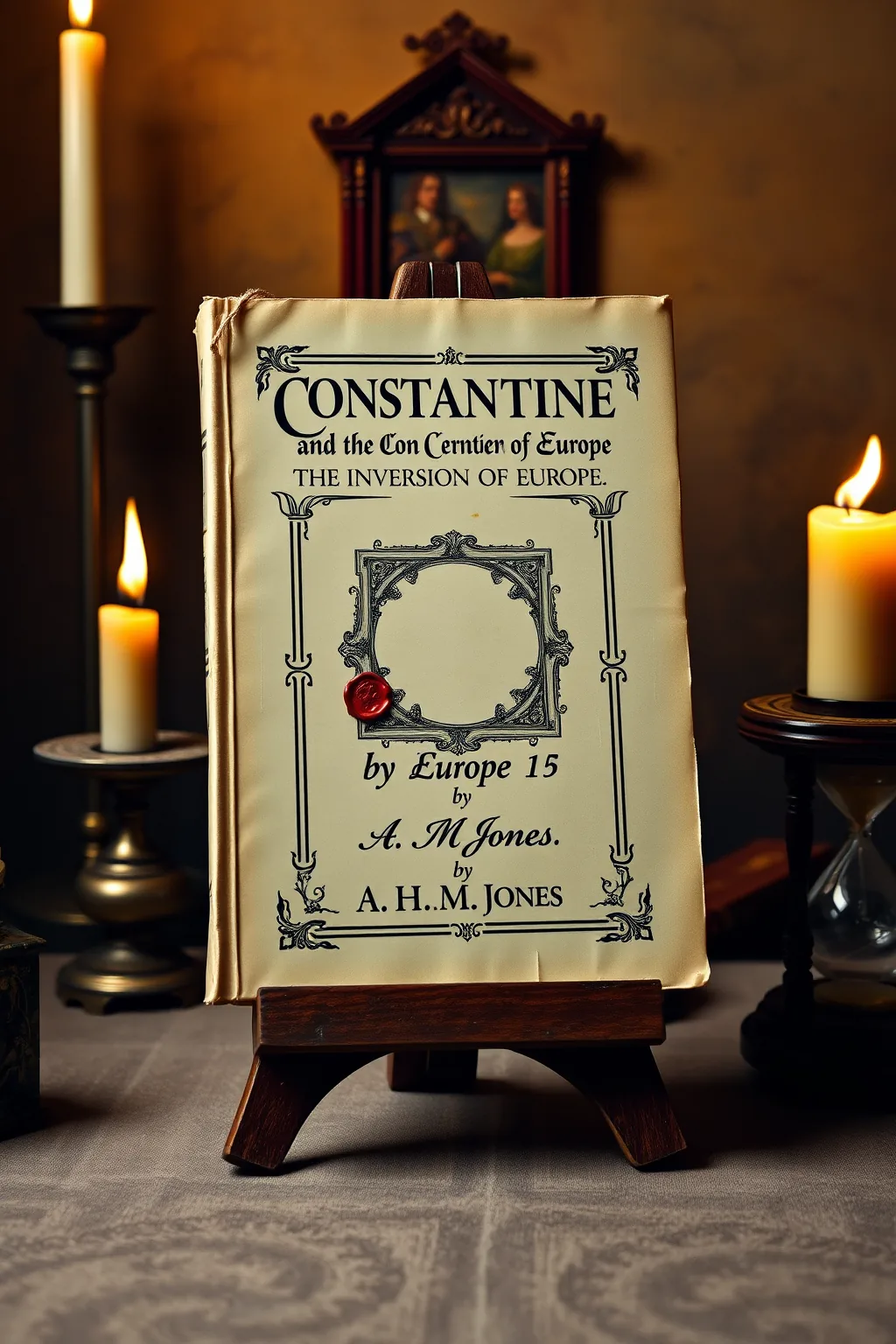
Constantine and the Conversion of Europe
 74
74

Constantine and the Conversion of Europe



A.H.M. Jones' Constantine and the Conversion of Europe stands as a foundational text for anyone delving into the esoteric and historical dimensions of early Christianity. Published in 1948, this work provides an in-depth analysis of Emperor Constantine's conversion and its profound impact on Europe. Jones' meticulous research and clear prose make this book an essential read for modern esoteric seekers. The text is rich in historical context, offering insights into the political and religious turmoil of the time. For those interested in the esoteric underpinnings of religious conversion, this book is a treasure trove of information. The detailed chapters on 'Paganism and Christianity' and 'The Great Persecution' are particularly enlightening, providing a nuanced understanding of the conflicts and transformations that shaped the early Christian era. This book is a must-read for anyone looking to deepen their knowledge of esoteric history and the origins of Western Christianity.
📝 Description
74
A.H.M. Jones' 1948 book examines the esoteric dimensions of Constantine's conversion.
Published in 1948, A.H.M. Jones' 'Constantine and the Conversion of Europe' investigates the spiritual and occult forces at play during a pivotal moment in late Roman history. Jones connects the political shifts of the era with the emerging Christian faith, looking beyond conventional historical accounts. He details pagan rituals, esoteric symbols, and the hidden knowledge that influenced the period.
The book scrutinizes the philosophical weight of Emperor Constantine's conversion. It suggests that occult currents and power dynamics played a significant role in the wider adoption of Christianity across Europe. This work is for readers interested in how historical events are shaped by less visible belief systems and mystical traditions. It offers a unique perspective on the intersection of religion, power, and hidden knowledge.
This book fits within esoteric traditions that seek hidden meanings and spiritual forces behind historical events. It aligns with studies that look at synchronicity, occult symbolism, and non-material influences on societal transformations. Jones' approach suggests that major historical shifts, like the conversion of Europe, are not solely driven by political or social factors but also by subtle energies and esoteric knowledge systems that were active in the ancient world. It treats the period not just as a historical transition but as a spiritual event with deeper, concealed causes.
💡 Why Read This Book?
Reading Constantine and the Conversion of Europe today offers readers a unique perspective on the esoteric roots of Western Christianity. This book provides a deep dive into the political and religious landscape of the Roman Empire during Constantine's reign, offering insights that are as relevant today as they were in 1948. Readers will gain a comprehensive understanding of how Constantine's conversion reshaped Europe, influencing religious practices and political structures for centuries to come. This text is essential for those interested in the intersection of history and esotericism, providing a rich tapestry of information that enhances one's appreciation for the complexities of religious conversion.
⭐ Reader Reviews
Honest opinions from readers who have explored this book.
❓ Frequently Asked Questions
What is the main focus of Constantine and the Conversion of Europe?
The main focus of this book is Emperor Constantine's conversion to Christianity and its impact on the Roman Empire and Europe. It provides a detailed historical context and explores the religious and political transformations of the time.
Who should read this book?
This book is ideal for historians, scholars of religion, and esoteric enthusiasts. Anyone interested in the origins of Western Christianity and the political landscape of the Roman Empire will find it highly informative.
How does this book contribute to the study of esotericism?
The book offers a deep dive into the esoteric dimensions of religious conversion, providing insights into the conflicts and transformations that shaped early Christianity. It is a valuable resource for understanding the esoteric underpinnings of religious history.
🔮 Key Themes & Symbolism
The Crisis of the Empire
Jones examines the political and religious turmoil that defined the late Roman Empire, revealing the mystical and occult undercurrents that shaped this era. The crisis of the empire is explored through the lens of hidden knowledge and symbolism, offering a unique perspective on the forces that drove the conversion of Europe to Christianity.
Paganism and Christianity
The conflict between paganism and Christianity is a central theme in the book, with Jones providing insights into the esoteric and mystical dimensions of this religious struggle. The symbolism and hidden knowledge that defined this era are explored in depth, offering a profound understanding of the occult forces at play.
The Symbolism of Conversion
Constantine's conversion to Christianity is analyzed through the lens of symbolism and hidden knowledge, revealing the mystical significance of this key event. Jones' analysis provides a unique perspective on the occult undercurrents that shaped the religious and political field of Europe.
💬 Memorable Quotes
Direct passages from the work, attributed to the author.
“The late Roman Empire was a crucible of hidden knowledge and symbolism, where the boundaries between paganism and Christianity blurred.”
— Jones' words underscore the mystical and esoteric dimensions of the era, offering insights into the occult undercurrents that shaped the religious landscape.
“The great persecution was a test of faith, a trial by fire that revealed the true essence of belief.”
— Jones' analysis of the persecution highlights the esoteric and mystical dimensions of religious struggle, offering a unique perspective on the occult forces at play.
💡 Key Ideas
Editorial paraphrase of the work's core concepts — not direct quotes.
The conversion of Constantine was not merely a political maneuver but a mystical journey into the heart of divine revelation.
This quote highlights the deeper spiritual significance of Constantine's actions, revealing the occult forces that drove his conversion.
The crisis of the empire was a call to spiritual awakening, a summons to the mystical depths of human experience.
This quote emphasizes the profound spiritual inquiry that defined the late Roman Empire, revealing the hidden knowledge and symbolism that permeated the era.
The Donatist controversy was a battle for the soul of Christianity, a struggle between hidden knowledge and public orthodoxy.
This quote underscores the esoteric and mystical dimensions of the religious debates that defined the late Roman Empire, revealing the occult undercurrents that shaped the conversion of Europe.
🌙 Esoteric Significance
Tradition
This book belongs to the Hermetic and Gnostic traditions, exploring the mystical and occult dimensions of historical events. Jones' analysis provides insights into the hidden knowledge and symbolism that defined the late Roman Empire, offering a unique perspective on the esoteric forces that shaped the conversion of Europe to Christianity.
Symbolism
Key symbols in the book include the cross, the emperor's role as a divine figure, and the conflict between pagan rituals and Christian orthodoxy. These symbols are explored through the lens of hidden knowledge, revealing the mystical significance of the era.
Modern Relevance
Today, this book remains relevant for its insights into the occult undercurrents of historical events. Modern practitioners of esoteric traditions and spiritual seekers can benefit from Jones' analysis, using it to deepen their understanding of the mystical dimensions of religious history.
👥 Who Should Read This Book
Beginners interested in the mystical and occult dimensions of history will find this book an accessible introduction to the esoteric traditions that shaped the late Roman Empire. Scholars of religious history will appreciate the depth of Jones' research and analysis, while spiritual seekers and practitioners will benefit from the insights into hidden knowledge and symbolism. Those interested in the Hermetic and Gnostic traditions will find this book particularly enlightening.
📜 Historical Context
Published in 1948, 'Constantine and the Conversion of Europe' offers a timely analysis of the political and religious turmoil that defined the late Roman Empire. Jones' work was important for its insights into the occult forces that shaped this era, providing a unique perspective on the mystical and esoteric dimensions of historical events. The book has had a lasting influence on scholars and spiritual seekers alike, offering a profound understanding of the hidden knowledge and symbolism that defined the conversion of Europe to Christianity.
📔 Journal Prompts
Reflect on the mystical significance of Constantine's conversion to Christianity.
Explore the hidden knowledge and symbolism that defined the late Roman Empire.
Consider the esoteric dimensions of the conflict between paganism and Christianity.
Analyze the occult undercurrents that shaped the religious field of Europe.
Reflect on the modern relevance of Jones' insights into the mystical dimensions of historical events.
🗂️ Glossary
Hermeticism
A mystical and esoteric tradition that seeks to understand the hidden knowledge of the divine through symbolism and ritual.
Gnosticism
An ancient religious movement that emphasized hidden knowledge and the mystical experience of the divine.
Paganism
A broad term for pre-Christian religious practices and beliefs, often characterized by polytheism and ritual magic.
Donatist Controversy
A religious dispute in the early Christian Church concerning the validity of sacraments administered by clergy deemed unworthy.
Occult
The study of hidden or mysterious knowledge, often involving esoteric practices and symbolism.
This book appears in 2 collections
🔮 Readers Also Liked
Browse all →







From the “Witchcraft” Collection
View all →





More Free Witchcraft & Paganism Books
View all →